


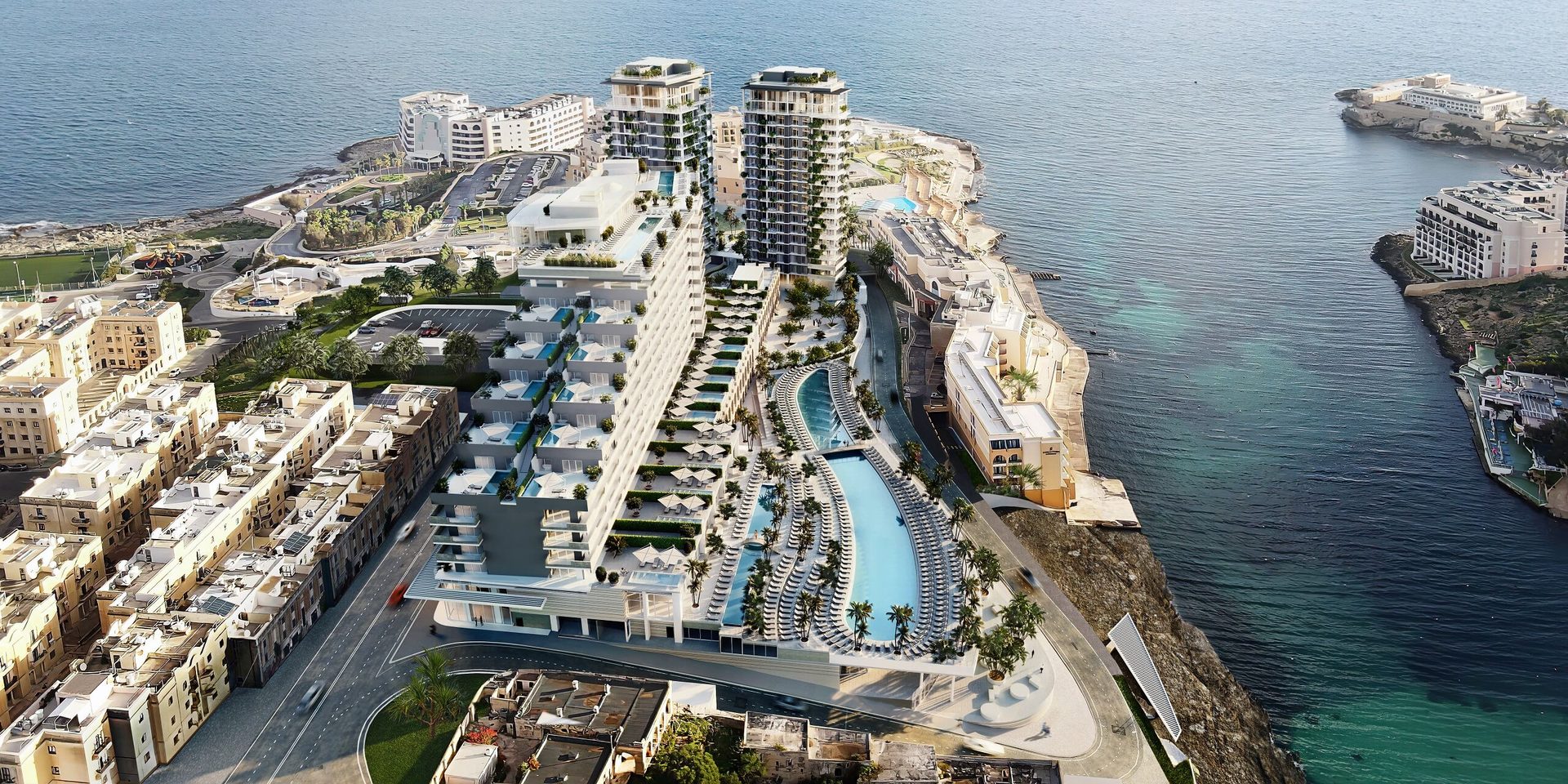
For architecture firms of all sizes, 3D modeling and rendering have become a standard part of the workflow — used to present designs, win contracts, and communicate concepts to clients and investors. Industry data from Chaos and Architizer confirms that still-image renderings remain the most valued client deliverable, underscoring just how central CGI has become to architectural practice. The technology has matured to the point where photorealistic visualization is no longer a luxury reserved for major developments.
Whether you run an established studio or a growing practice, architectural 3D modeling services provided by a reputable 3D rendering company offer a measurable competitive advantage. Outsourcing to a professional 3D modeling and rendering services provider frees up your team to focus on design. Here are 6 key benefits.
#1. 3D Modeling And Rendering Services Bring Designs To Life
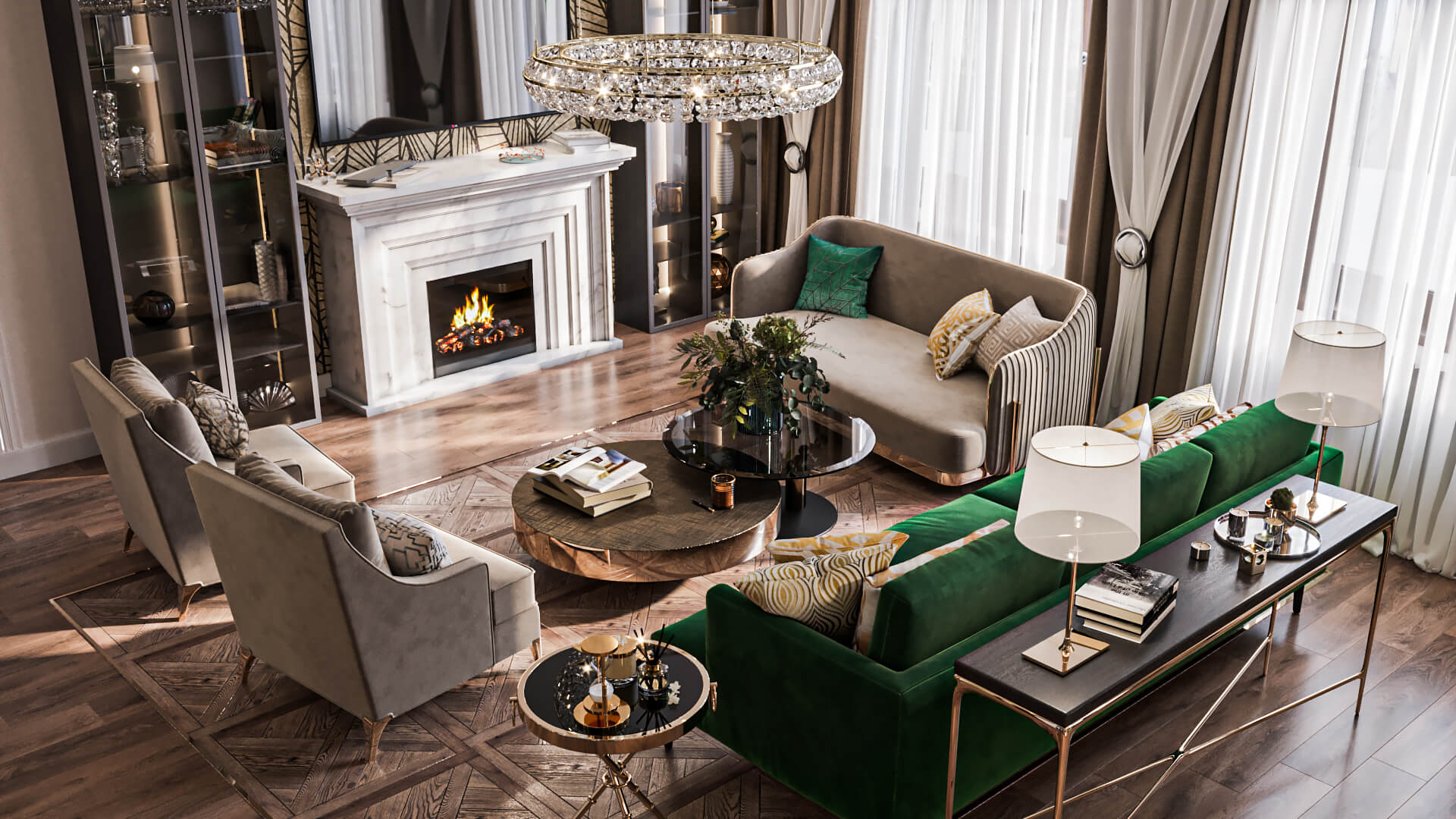
Both 3D visualization and hand-drawn sketches can showcase things that don’t exist in the real world yet. The former, however, has a huge benefit over the latter due to the fact that modern 3D rendering software can produce imagery indistinguishable from photographs. This kind of quality leaves nothing to imagination and wins construction contracts because of this.
Consider a residential development pitch. With traditional drawings, investors must mentally translate floor plans and elevations into a finished building — a skill most non-architects simply don’t have. With photorealistic 3D renders, they see the actual materials, the way light falls through windows at different times of day, the landscaping around the entrance. The gap between concept and reality closes completely.
Commercial projects benefit equally. Hotel 3D rendering enables developers to walk through the lobby, examine the restaurant layout, and understand the guest experience before a single permit is filed. A retail client can see how their brand colors work with the proposed facade. These aren’t abstract discussions anymore — they’re visual conversations where everyone is looking at the same thing.
For this very reason, a lot of architectural businesses have already recognised and used 3D modeling and rendering services to boost their sales. The shift from traditional presentation methods to CGI-based workflows is accelerating across the industry.
#2. Impressive 3D Animation For Project Presentations
Visual storytelling is vital to promo campaigns. Also, a good story can be told in motion. Nowadays, it’s possible to show something that doesn’t exist yet in a mini movie. 3D animation software can bring any concepts and scenarios to life. This way, one can get highly effective presentations that capture attention from the first frame.
The types of architectural animation vary based on purpose. A flythrough shows the building from above, circling to reveal the structure from multiple angles — ideal for large developments where context matters. A walkthrough takes viewers inside, moving through corridors and rooms as if they were physically present. Promo animations combine both with lifestyle elements: people using the spaces, cars in the parking area, activity in common zones.
Each format serves different presentation needs. Flythroughs work well for investor pitches where the site and surroundings are key selling points. Walkthroughs suit interior-focused projects like hospitality or residential. Promo animations are marketing assets — useful for pre-sales websites, social media campaigns, and trade show displays.
Whichever you choose, 3D modeling and rendering services will provide materials for highly effective presentations that move projects forward.
See how a 3D flythrough will make your vision impossible to forget
#3. Interior Design Experimentation With 3D Modeling
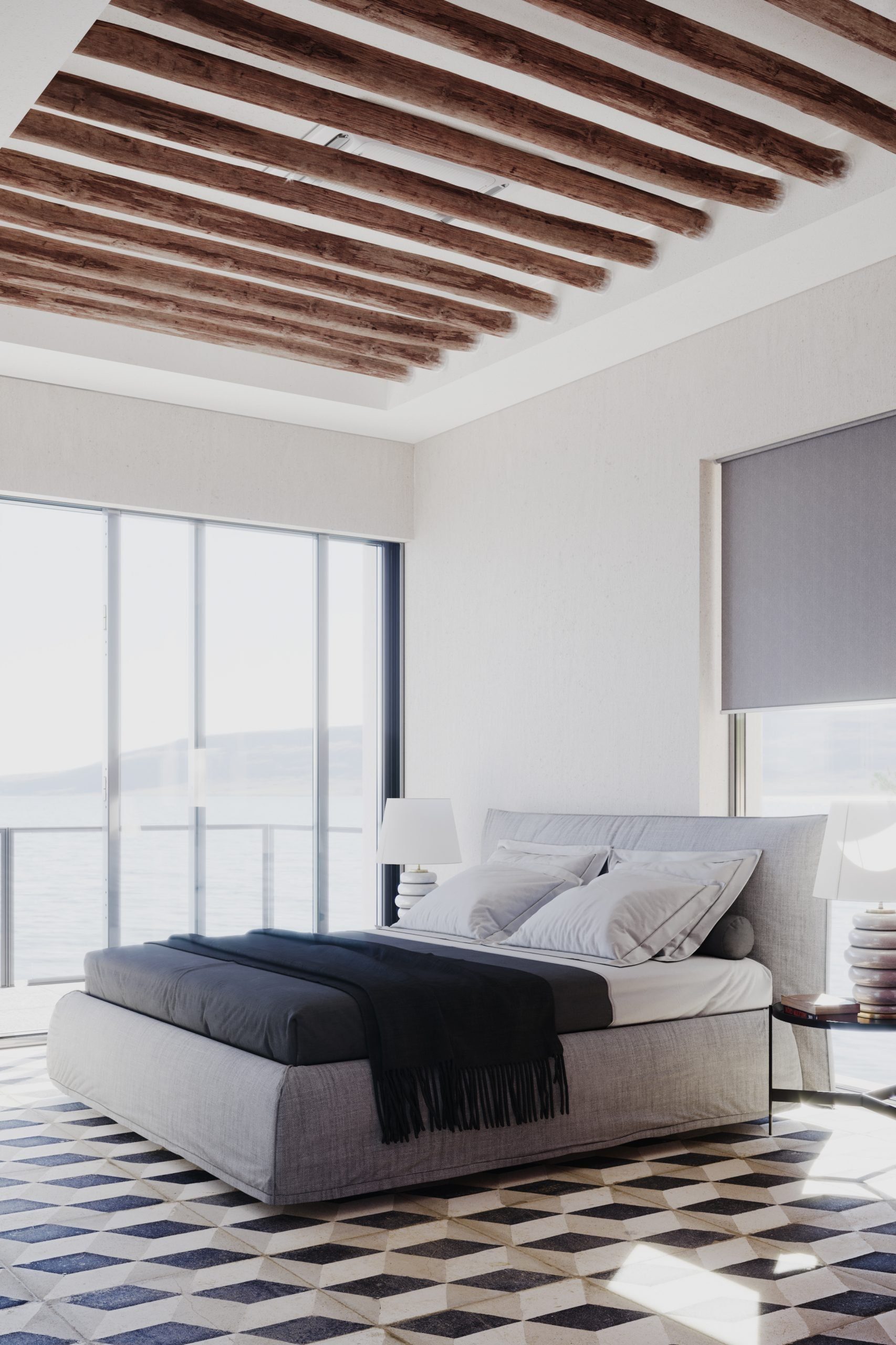
3D models can be put to use not just in furniture marketing, but in architecture as well, particularly in filling up interiors. Finding just the right filling for rooms and spaces takes a lot of probing and experimenting – something that is time-consuming when working with real-life objects. Digital workspace, on the other hand, offers near-limitless potential for experimentation and filling up portfolios.
Take rapid prototyping, for instance. 3D modeling software can help architects visualize their ideas without budget constraints or the need to build anything. An interior designer can test fifteen different furniture layouts in the time it would take to physically move one sofa. Color schemes, material combinations, lighting scenarios — all can be explored and refined before any purchasing decisions are made.
The comparison with physical prototyping is stark. Building a physical mockup of a hotel room costs thousands of dollars and takes weeks. A 3D model achieves the same result in days at a fraction of the cost. And if the client wants to see the same room with different flooring, the change takes hours instead of requiring a complete rebuild.
Virtual staging has become particularly valuable for real estate marketing. Empty properties are difficult to sell because buyers struggle to imagine themselves living there. 3D-furnished interiors solve this problem, showing the same space with contemporary, traditional, or minimalist decor depending on the target market.
Obviously, this requires high-quality 3D models, preferably made with professional 3D sculpting, and 3D modeling and rendering services will gladly provide them.
Strengthen your design presentations with professional interior rendering
#4. Multiple Views To Show Every Detail Of The Project
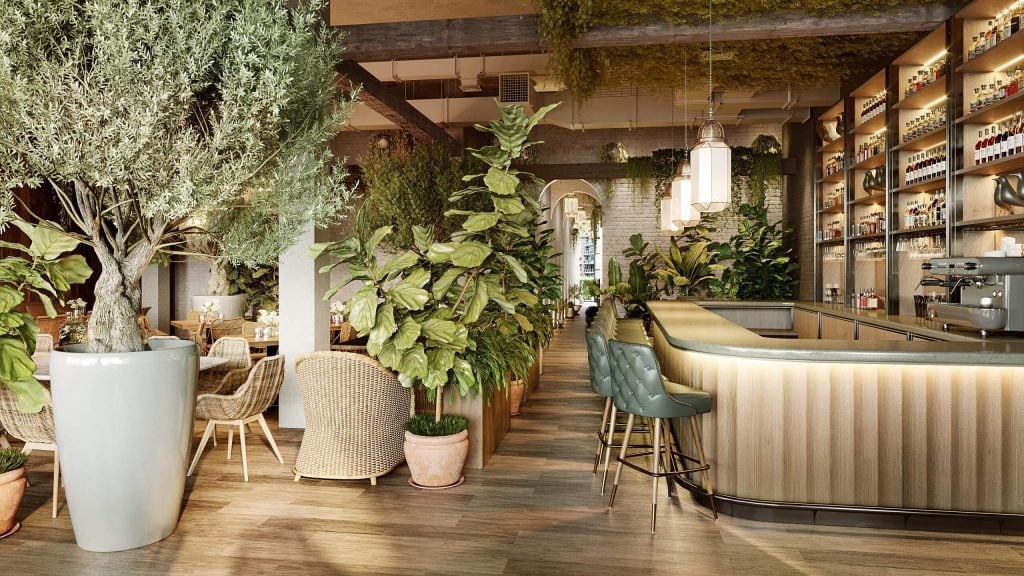
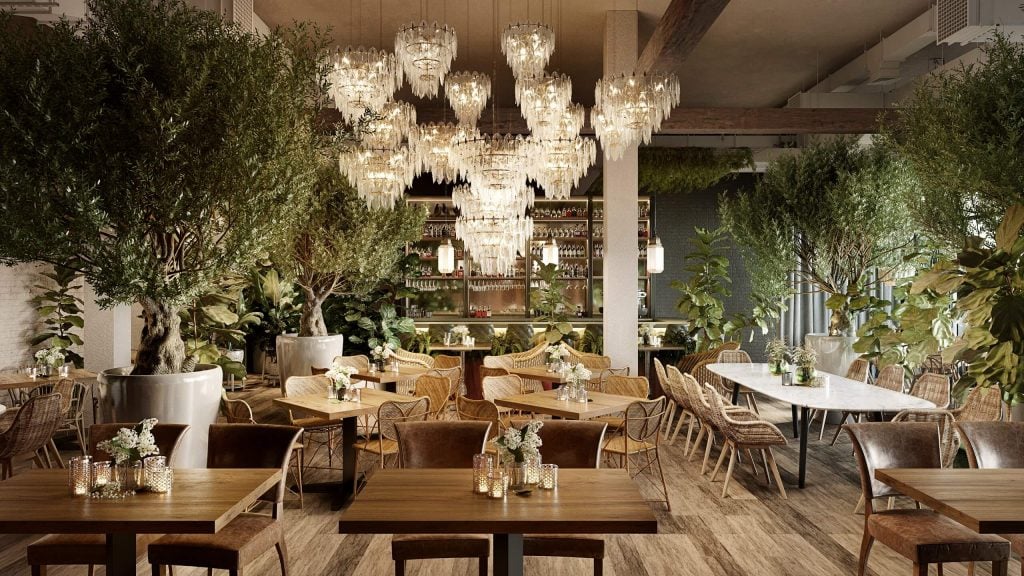
Building projects are complex and full of details that investors need to see. 3D modeling and rendering services help by turning ideas into clear images. With CGI, architects can show a building from any angle and add close-ups of materials and finishes. 3D interior rendering services also highlight the layout, use of space, and beauty of the design.
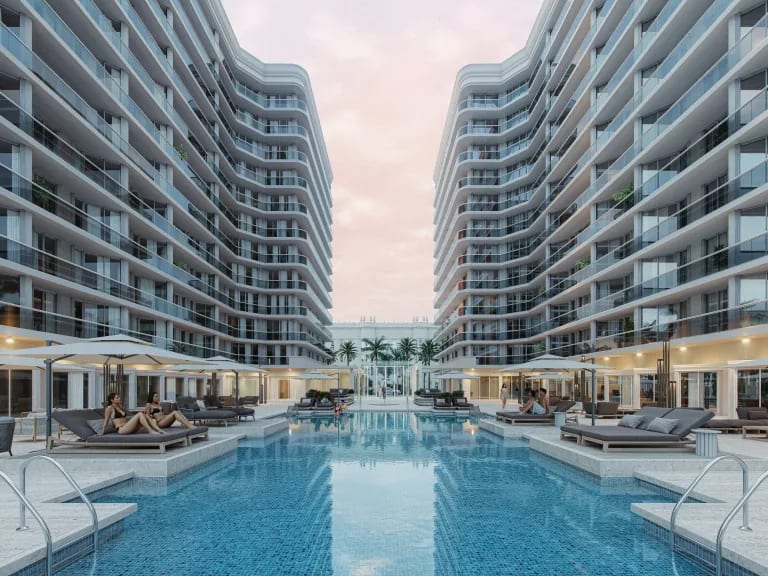
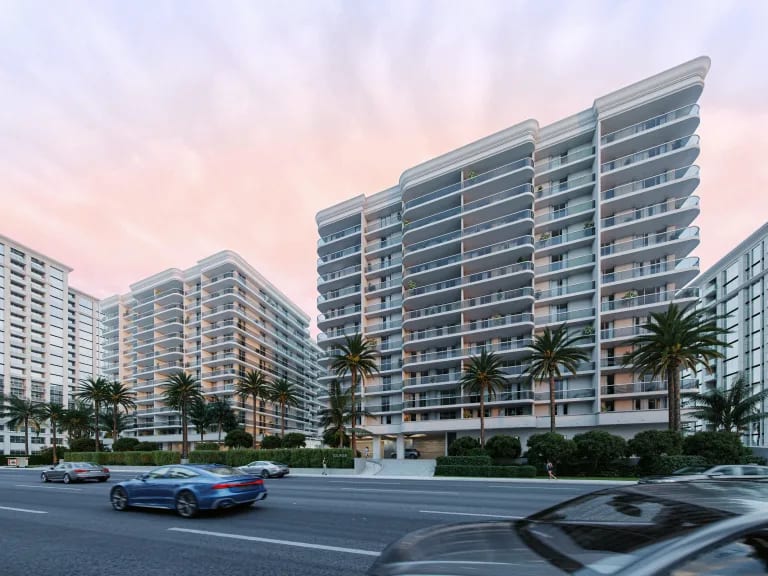
The range of available views serves different communication needs. Bird’s eye perspectives show how a development fits into its neighborhood — useful for planning presentations and community consultations. Street-level views capture what pedestrians and visitors will actually see, making them essential for retail and hospitality projects. Interior views reveal spatial relationships that floor plans cannot convey.
Detail shots matter too. A close-up of the entrance canopy shows the interplay of materials. A view of the bathroom finishes demonstrates quality. A shot of the kitchen island communicates scale and functionality. These focused images answer specific client questions before they’re even asked.
For client decision-making, this variety is invaluable. Instead of asking stakeholders to approve a concept they can only partially visualize, architects can walk them through a complete visual narrative. The exterior at sunset. The lobby at noon. The penthouse at night with city lights visible through floor-to-ceiling windows. Each image builds confidence and moves the approval process forward.
The ability to produce multiple views also streamlines the feedback process. When a client says “I’m not sure about the entrance,” the architect can quickly generate three alternative angles of that specific area. Questions get answered with images rather than explanations, reducing misunderstandings and keeping projects on schedule.
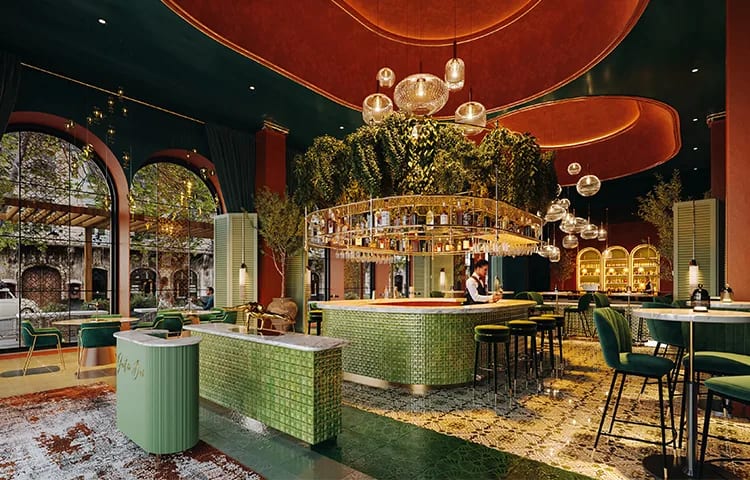
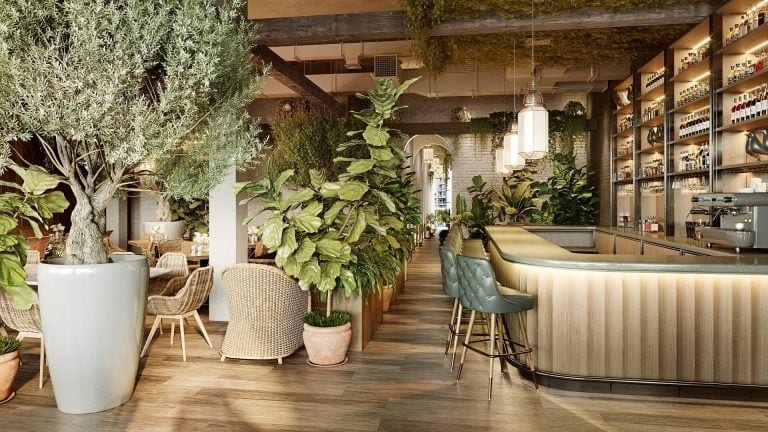
Bring your restaurant concept to life with striking detail
#5. Effortless Project Corrections To Satisfy Clients’ Wants and Needs
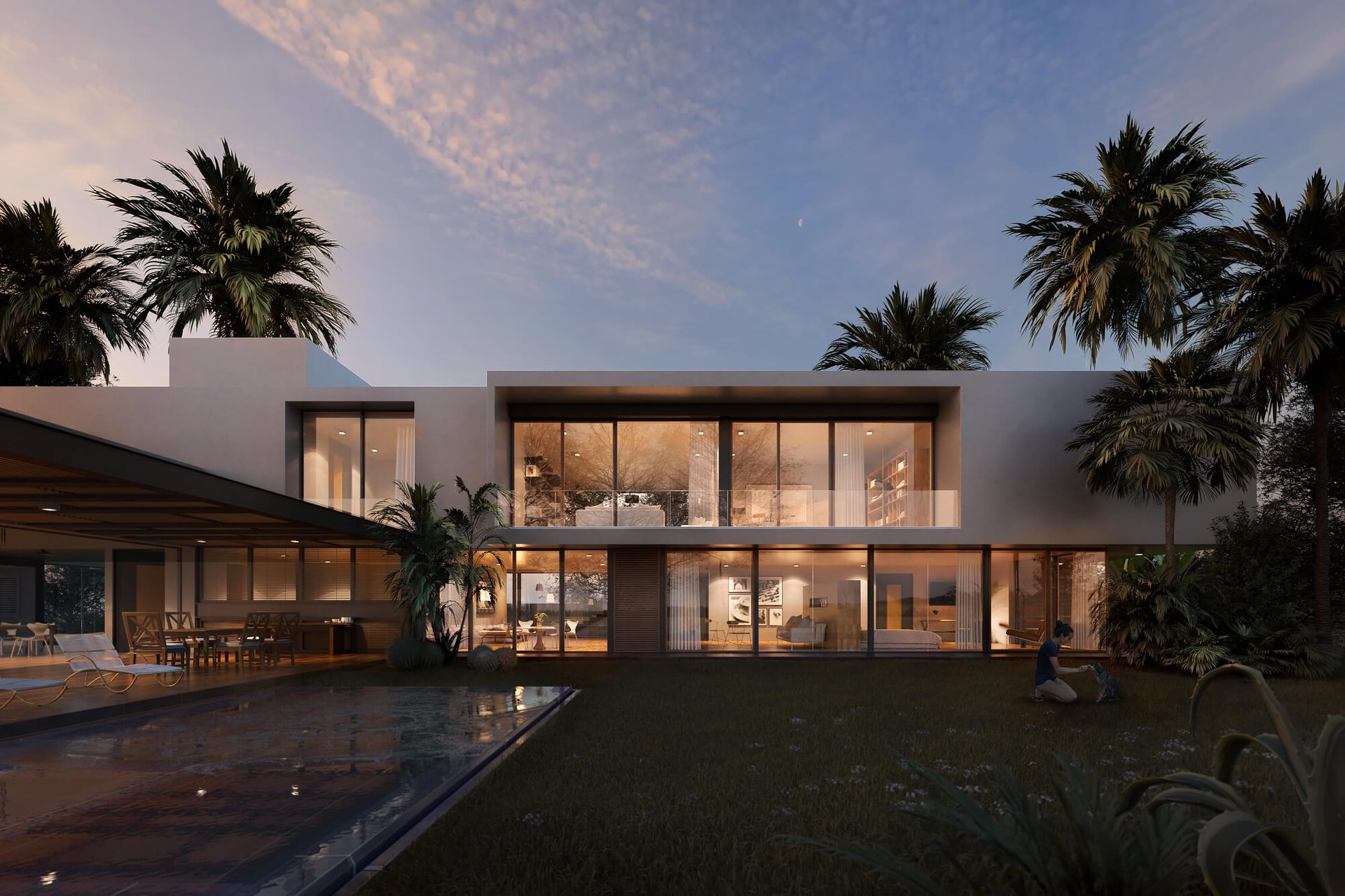
Corrections are a vital step of any architectural or industrial project. Often one or two changes are not enough. With hand-drawn sketches this process is tedious. It requires finding the part that must be corrected and then figuring out how to change it. 3D modeling and rendering services remove that burden. Thanks to their flexibility, changes can be applied quickly. They can affect any aspect of the project. This could mean changing the size, shape, color or texture of any element. It is also possible for any CGI, whether it is interior or 3D exterior visualization services.
The cost comparison tells the story clearly. Revising architectural drawings requires hours of drafting work, and each revision risks introducing errors. Physical models must be partially or completely rebuilt. But in a 3D environment, swapping a material texture takes minutes. Adjusting window proportions is a parametric change. Even significant modifications like altering the roofline can be accomplished in a fraction of the time.
Common correction requests from clients include material changes (showing brick instead of stone, for example), color adjustments to match brand guidelines, furniture swaps to reflect actual purchasing decisions, and lighting modifications to demonstrate different times of day. A capable 3D team handles these routinely, often turning around revised renders within 24-48 hours.
This flexibility transforms the client relationship. Instead of defending design decisions, architects can explore alternatives collaboratively. “What if we tried warmer wood tones?” becomes an easy question to answer visually rather than a contentious discussion based on imagination.
Guide stakeholder decisions with impactful CGI
#6. Interactive 3D Content For Client Engagement
Modern clients have set new standards for advertising. Today’s buyers value an individual approach and want every experience to feel unique. Good advertising must be interactive. For example, your company’s website can feature a 3D rendering for a virtual tour of a pre-sold house. That would attract attention and stand out among the competition.
Or it could be a “build your own dream house” app. Such an app allows interactive customization of an interior space. This would require programming skills and many photorealistic 3D models. In this way, 3D modeling and rendering services can help you with interactivity and customization.
The technology options have expanded considerably. VR presentations allow clients to walk through unbuilt spaces wearing a headset — an immersive experience that leaves lasting impressions. AR applications overlay proposed buildings onto real sites, viewable through a smartphone camera. Interactive configurators let buyers customize finishes and options, generating personalized renders in real time.
These tools align with how people research and purchase today. Clients expect to explore options independently before engaging with sales teams. They want to share possibilities with family members or business partners. Interactive 3D content supports this behavior while keeping your firm’s designs at the center of the conversation. Current trends point toward even more integration — virtual showrooms, real-time design collaboration, and AI-assisted visualization are all becoming standard expectations rather than novelties.
Showcase your architectural project with photorealistic CGI powered by modern AI-assisted workflows
3D modeling and rendering services give architecture firms a clear advantage: better client communication, faster approvals, and more compelling presentations. From photorealistic still imagery to interactive 3D experiences, the tools available today make it easier than ever to showcase designs before construction begins. Looking for a team to bring these benefits to a real project? ArchiCGI provides professional 3D rendering services for architects, developers, and designers. For a detailed look at the process, explore our architectural rendering workflow guide.
Ready to get started? Contact ArchiCGI to discuss how our CGI services can support your next project.

Irma Prus
Content Writer, Copywriter
Irma writes articles and marketing copy for ArchiCGI. Her dream is that more people discover the power of CGI for architecture. Irma is into neuromarketing, ruby chocolate and Doctor Who series.

Comments
Charlotte
Irma Prus
Douglas
Irma Prus