

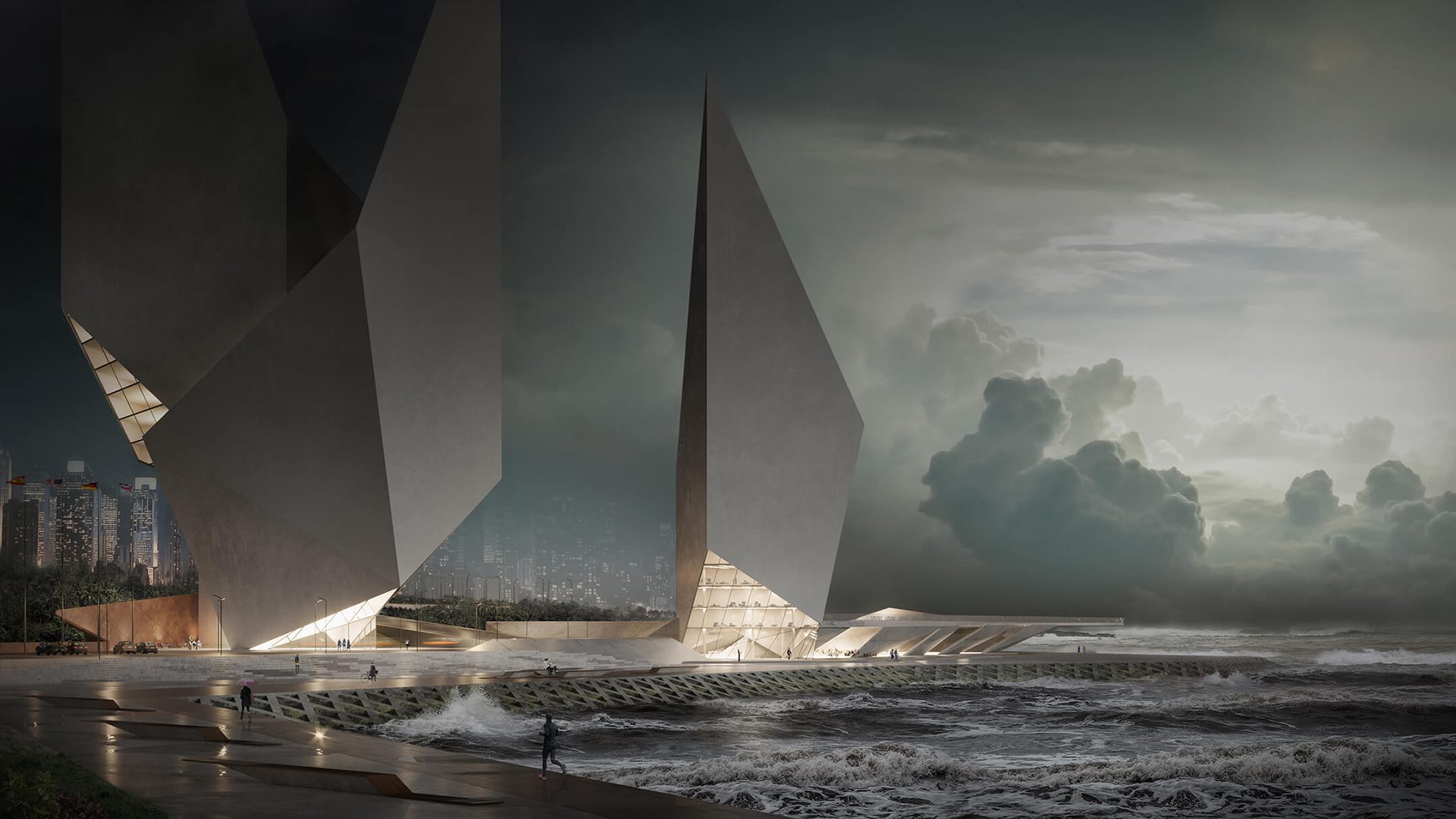
Winning investor approval for an architectural project requires more than accurate drawings. Stakeholders without a technical background often struggle to visualize a design from plans and sketches alone — which can lead to rejected proposals despite strong concepts. According to Chaos and Architizer research, still-image renderings remain the most valued client deliverable — yet for high-stakes investor pitches, dynamic formats like 3D animation and VR are increasingly expected. A professional architectural visualization company offering real estate 3D visualization services can bridge this gap with CGI tools that turn any pitch into a compelling, immersive experience — from exteriors to detailed interior rendering. Here are 5 of the most effective ones.
#1. Showing a project in a spectacular 3D animation
We live in a world where things keep moving and changing. That is why the most impressive presentations are those that reflect this dynamic nature of reality, giving the viewers a life-like experience. Schematic sketches and drawings are not even close to it, and even still photoreal 3D renderings are not always the right tool for the job.
Here is where architectural 3D animation comes in handy. Static sketches, drawings, and still images lack dynamism but seeing a house in realistic quality in a CG video is a significant step forward. A 3D animation made by a professional 3D architectural visualization studio or an experienced architectural animation company can show the future property in a photoreal mini-movie with an interesting scenario, specifically chosen soundtrack, and exciting visual effects.
A typical investor pitch animation includes a carefully planned scenario that guides viewers through the property’s key selling points. The voiceover narrates the vision behind the design, while the soundtrack sets the emotional tone — whether it’s aspirational, luxurious, or community-focused. Visual effects like time-lapse sequences showing day-to-night transitions or seasonal changes add cinematic polish that keeps audiences engaged.
The impact on investor psychology is considerable. When stakeholders watch a well-crafted animation, they stop evaluating a concept and start imagining a reality. They see tenants walking through the lobby, sunlight streaming through floor-to-ceiling windows, cars pulling into the driveway. This emotional connection is difficult to achieve with any other presentation format.
The viewers will be able to view the house from many perspectives, examine its interior and exterior, maybe even see the building in different seasons and times of the day. That way, they will not have to rely on their imagination. All will be right there on the screen, in a compelling 3D animation. With such a presentation, the audience will be enthralled enough to make a positive decision about a project.
Immerse clients into your projects with realistic 3D animations
#2. Taking viewers for a journey using an interactive 360 walkthrough
A 3D virtual tour is definitely one of the best presentation tools one can obtain from a 3D architectural visualization studio. This is an interactive tour through the future property, in which the viewers can choose where to go and what to see. All a person needs for this is to click on a mouse or a touchscreen to change the point of view and zoom objects.
With a 360 walkthrough, investors control the experience. They choose where to go, what to look at, and how long to spend in each space — the lobby, the penthouse view, the common areas. It’s a different level of engagement than just watching a video or flipping through renders.
The technical setup is straightforward. Virtual tours can be accessed through a standard web browser, making them easy to share with remote stakeholders or board members who cannot attend in person. For on-site presentations, the tour can be displayed on a large screen while one person navigates, or multiple investors can explore independently on tablets. Any reliable 3D viz studio can deliver the tour in formats compatible with most devices.
Ordering a virtual tour from a CGI studio is a wise choice because it allows the client to get a better understanding of a project, as compared to seeing 2D drawings, sketches, and even still 3D images. Also, such an interactive experience guarantees the viewers’ attention through the course of the presentation. So, with this kind of architectural design visualization, an architect can be sure that the audience won’t miss a single selling point of the property.
#3. Wowing the stakeholders with AR-based visualization
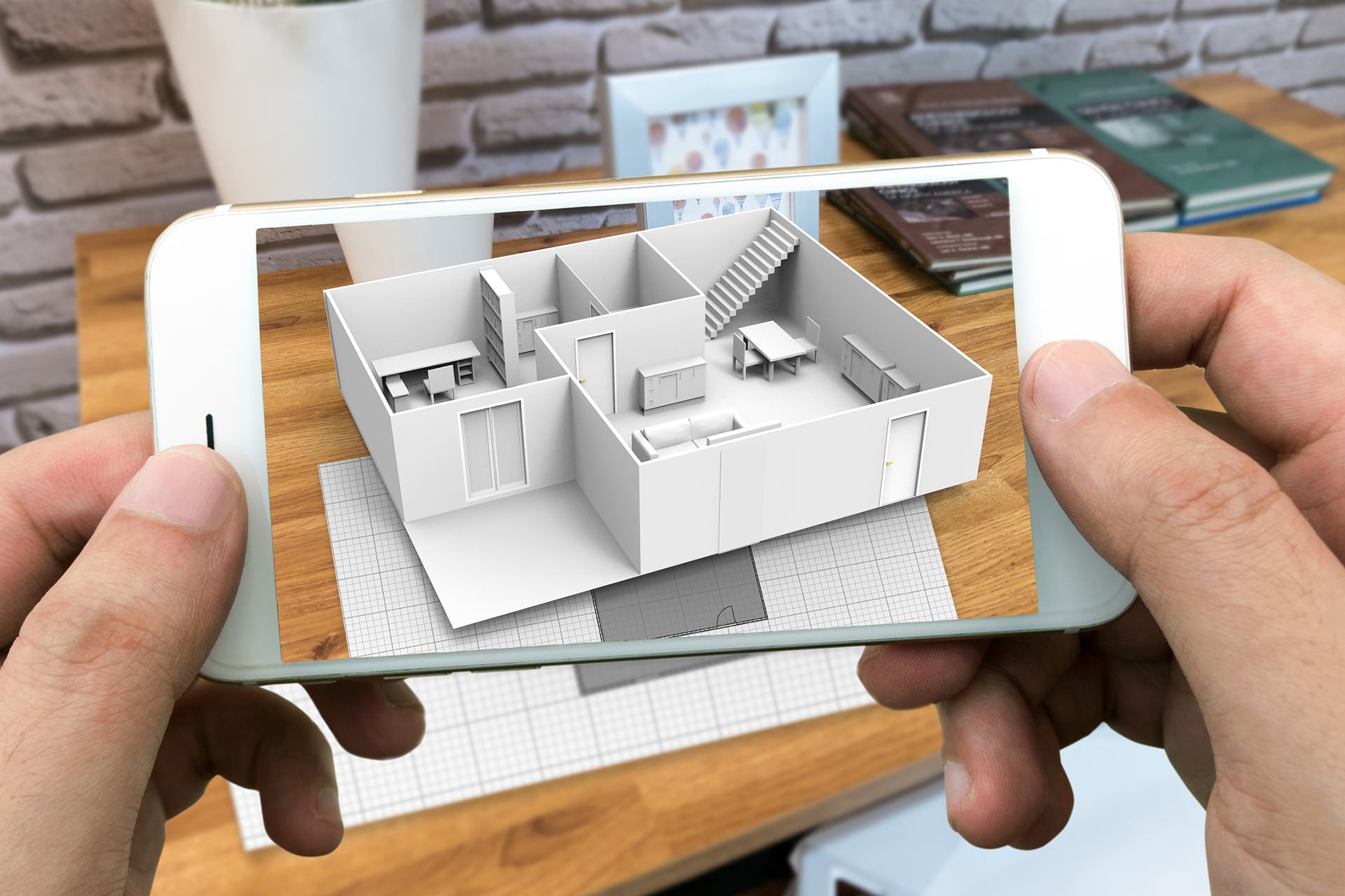
Augmented reality technology allows projecting a scaled or full-size realistic 3D model of a building onto an existing environment. All that a person needs to do for it is to scan, with a smartphone or tablet, the drawings created by the architecture expert. The application will then generate a 3D model of the structure and ‘place’ it into a physical environment.
After that, the viewers will be able to examine the digital model of the house from every angle, zoomed in and out, and even take a close look at the interior and exterior. AR is a highly practical tool that helps in impressing a prospective investor and keeping them engaged through the presentation. What’s more, it allows them to explore the project in detail and understand its benefits, helping them make a confident decision.
For AR presentations, investors can use standard smartphones or tablets — no specialized equipment required. However, for larger group presentations, dedicated AR headsets like Microsoft HoloLens offer a more immersive shared experience. The 3D model preparation process typically involves optimizing existing architectural models for real-time rendering, ensuring smooth performance across different devices.
One particularly effective use case is bringing AR to the actual construction site. Investors can stand on the empty lot and see the finished building superimposed on the real environment through their device screens. This contextual visualization answers questions about scale, sightlines, and neighborhood integration better than any conference room presentation could.
To get 3D models for an AR presentation, architects should contact a good 3D architectural visualization studio.
#4. Providing investors with an immersive virtual reality experience

VR-based architecture project presentation is an immersive experience unlike any other. It requires a prospective investor to wear a special headset to dive into the digital dimension. There, a viewer can explore a future building, walk around and inside it, and even interact with some elements of the design or change them in real-time.
The technology has matured considerably in recent years. Current VR headsets range from standalone devices like Meta Quest to high-end tethered systems for maximum visual fidelity. A typical VR walkthrough session lasts 10-15 minutes — long enough to explore the key spaces without causing fatigue. During this time, investors can test different material options, lighting scenarios, or furniture arrangements, making the experience both informative and memorable.
The psychological impact of VR should not be underestimated. Studies consistently show that experiences feel more real and memorable when viewed in virtual reality compared to flat screens. For architects, this means that investors who experience a project in VR are more likely to recall specific details and maintain enthusiasm in follow-up discussions weeks later.
With such outstanding pitching, an architecture professional significantly increases the chances of successfully securing the deal. A 3D architectural visualization studio can help in preparing such kind of presentation. Based on the professional’s drawings and sketches, skilled 3D artists can create 3D models of the future structure which will be then integrated into a VR environment.
#5. Showing a future building in already existing surroundings
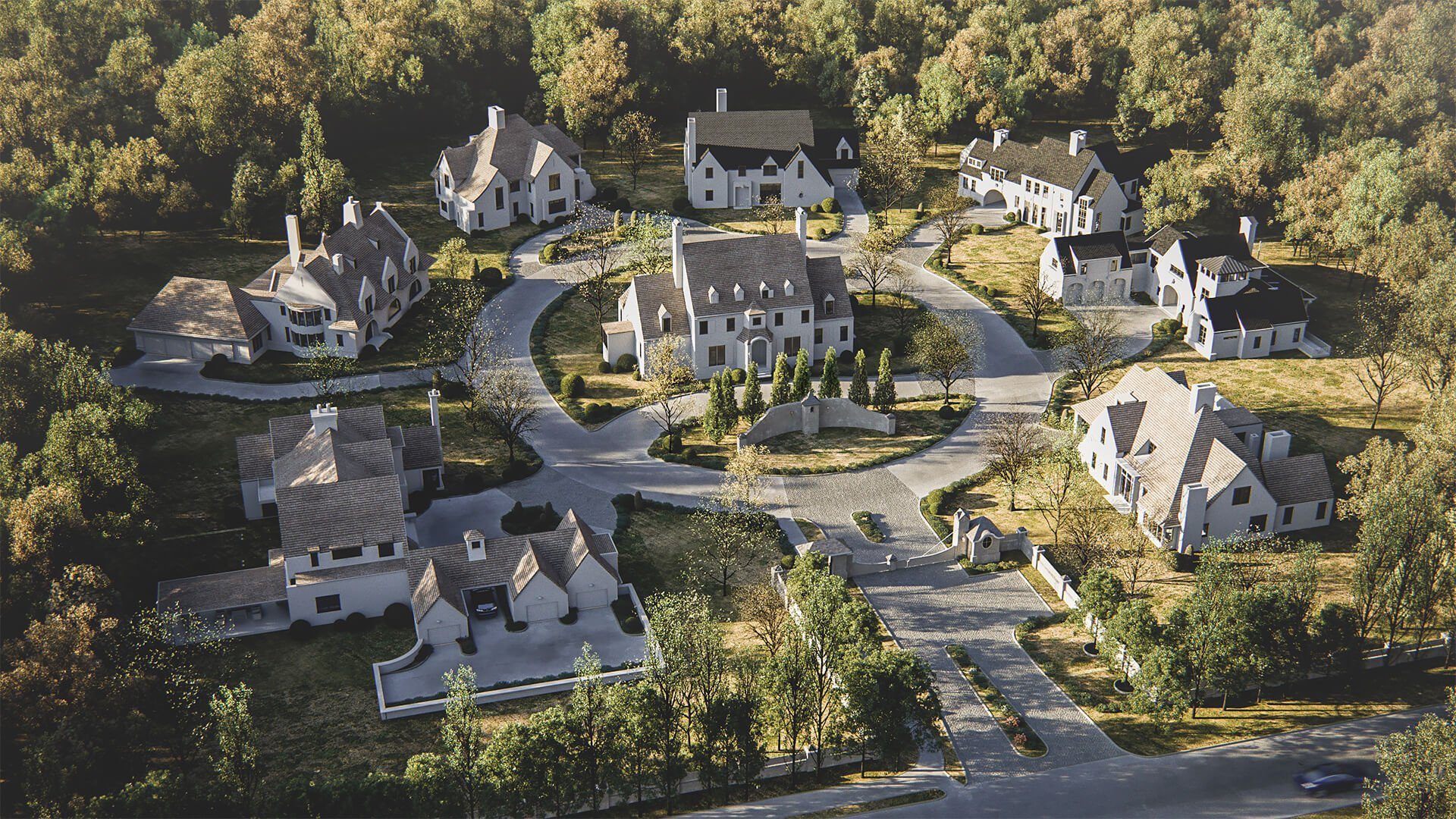
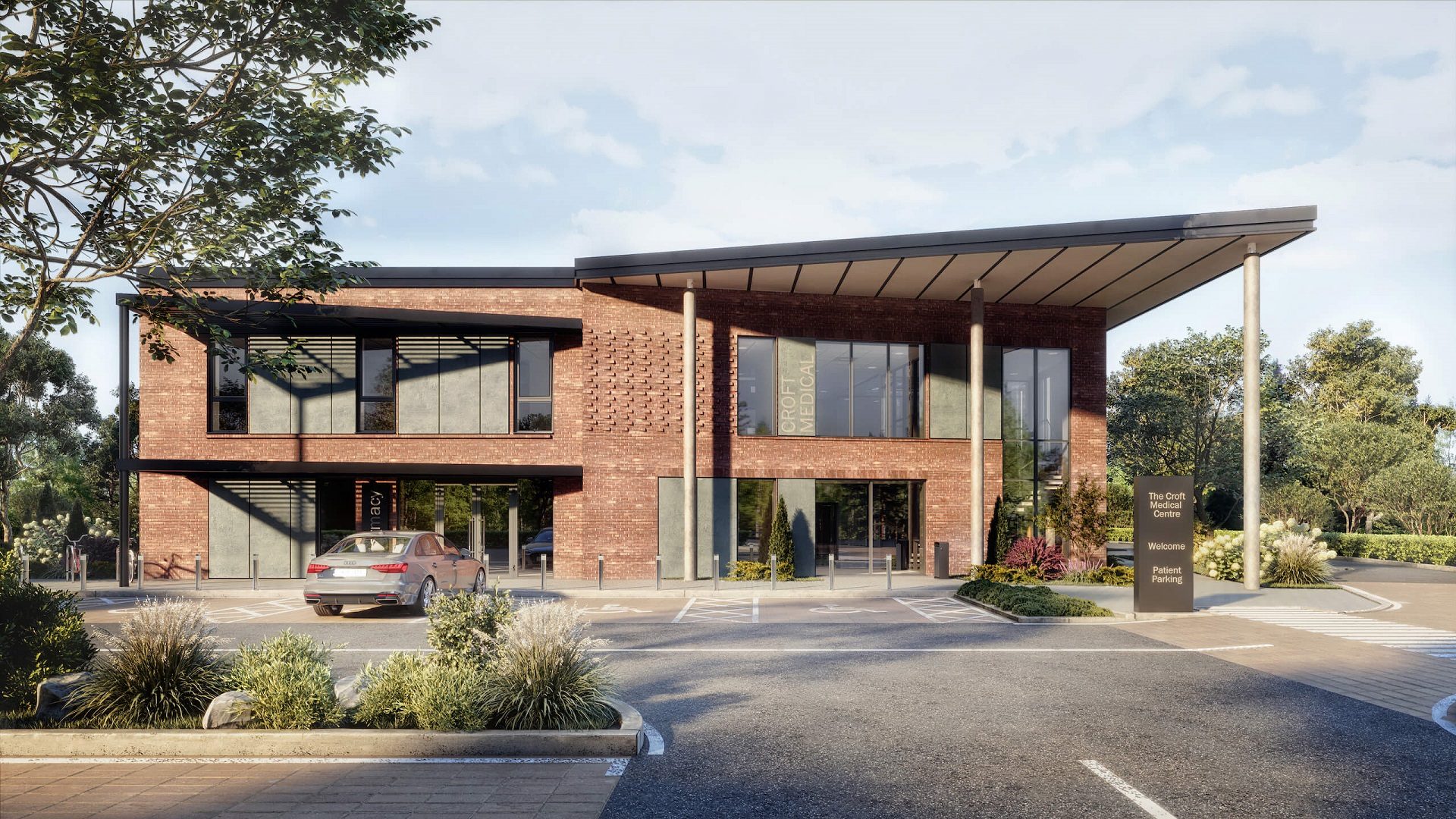
When an architecture expert is making a pitch to a prospective investor, the project exists only on papers. So, the audience has to rely on their imagination, trying to visualize how it will look in the context. But if architects opt for the services of a 3D architectural visualization studio, they can showcase future buildings in their already existing surroundings.
First, an architecture expert needs to get pictures or footage shot by a drone over the area where the construction is planned. Then, it is needed to send it to a 3D architectural visualization studio together with the drawings of the future house. 3D artists will create a realistic 3D model of the property and overlay it onto still images or video that was shot.
In 3D graphics, these techniques are known as ‘photo-matching’ for pictures or ‘match moving’ for video. Photo-matching works best for establishing shots and marketing stills, while match moving is ideal for dynamic flyover videos that show the building from multiple angles. For drone footage, the video should be captured in high resolution with smooth, steady movement — ideally using a professional drone operator who understands the camera paths needed for effective compositing.
The requirements for source footage are specific but achievable. Drone video should be shot in 4K resolution at minimum, with consistent lighting conditions throughout the flight path. Overcast days often work better than harsh sunlight, as they produce even lighting that is easier to match in post-production. The flight path should include multiple angles and elevations to give the CGI team flexibility in compositing.
Showcase your architectural project with photorealistic CGI powered by modern AI-assisted workflows
With the help of these methods, an architect can get compelling 3D visuals that show how perfectly the future building fits its surroundings. Partnering with a trusted 3D exterior rendering company ensures that these visuals look realistic and convincing enough to impress investors. Which will strengthen the investors’ intention to approve the presented design.
3D animations, VR walkthroughs, AR overlays — a professional 3D architectural visualization studio can provide all of these tools to make investor presentations more convincing. Each of these tools helps decision-makers see, understand, and connect with a design before a single brick is laid. For a deeper dive into the CGI process, explore our architectural rendering guide.
Investor decks are one scenario among many. Our guide to marketing for architects covers the channels that bring those investors to the table, and how digital renderings help win clients explains what changes in the conversation once clients can see the project. Each of these formats can be produced from the same 3D scene: see the full range in 3D rendering for architects.
Ready to elevate your next pitch? Contact ArchiCGI to discuss which CGI services for real estate best match your investor presentation needs. Related reading: the CGI advantage over photography.

Catherine Paul
Content Writer, Editor at ArchiCGI
Catherine is a content writer and editor. In her articles, she explains how CGI is transforming the world of architecture and design. Outside of office, she enjoys yoga, travelling, and watching horrors.



Comments
Carlos
Thomas
David Norman
Yvonne
Martin
Anthony Ross
Luke
Mary