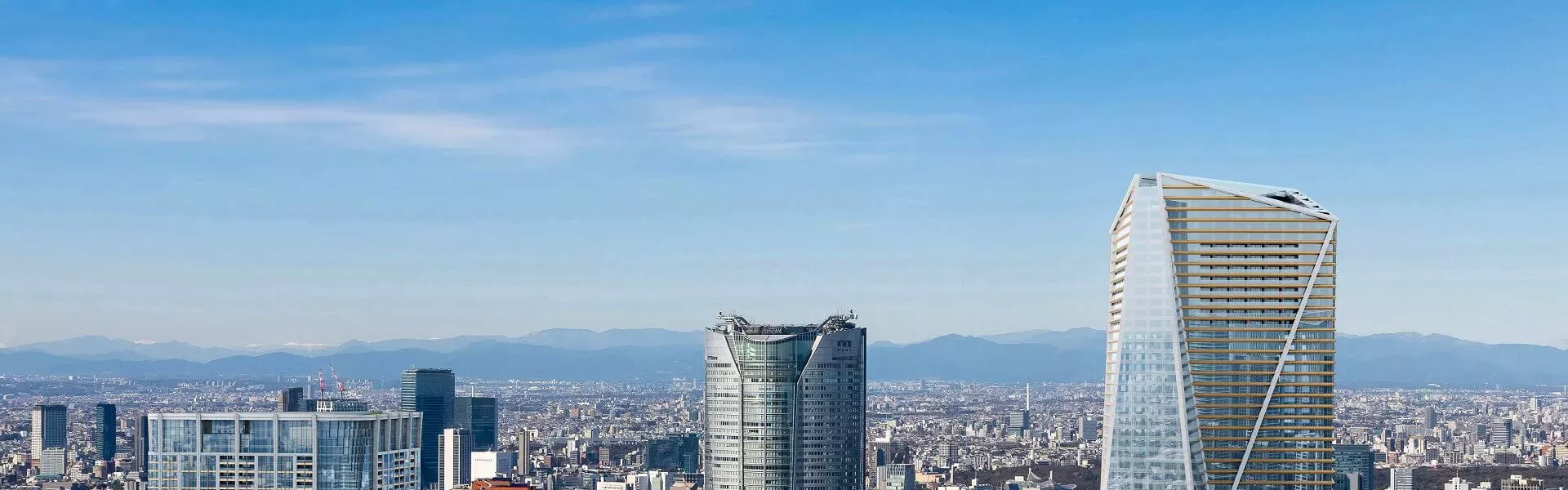


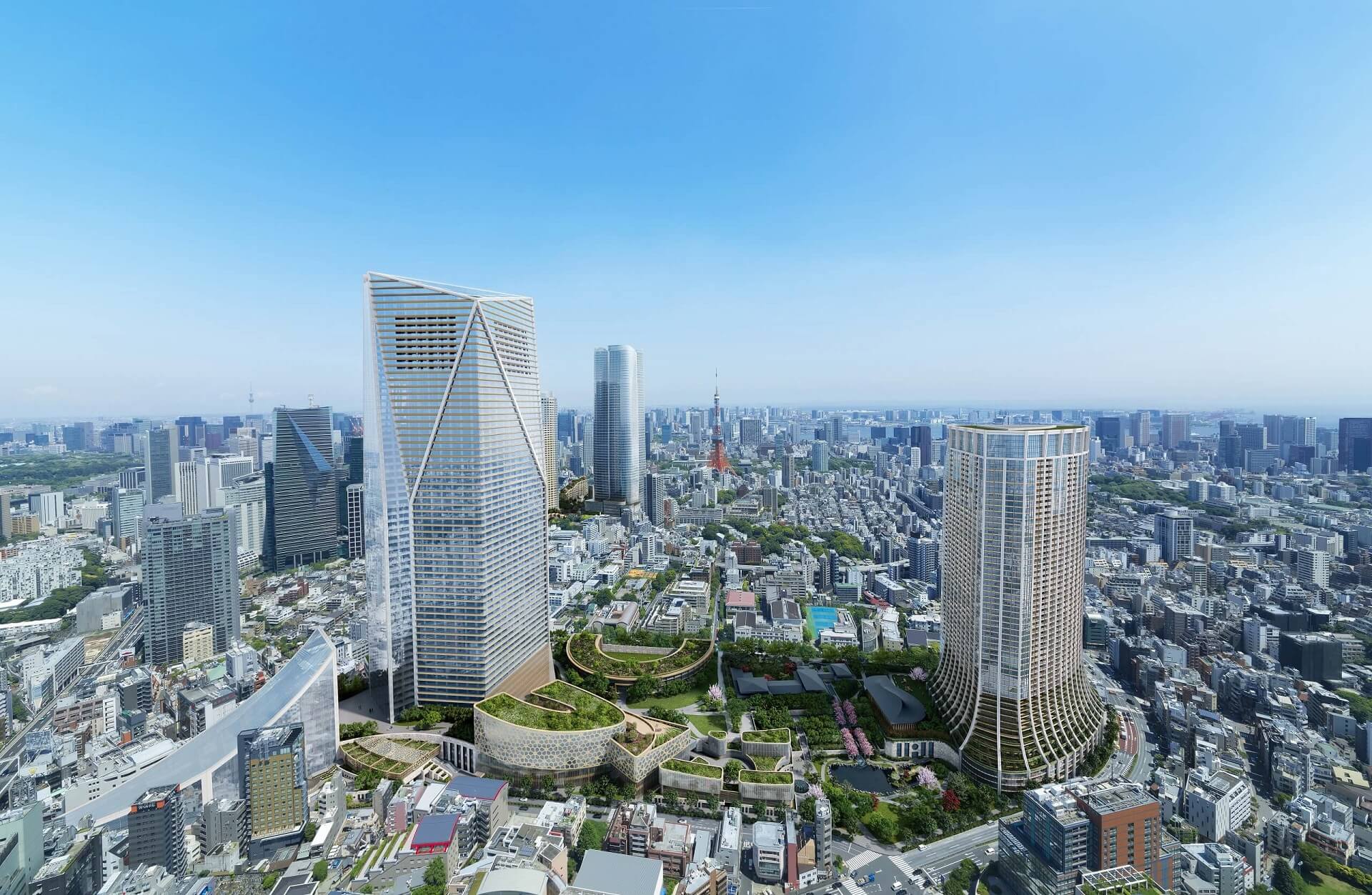
According to Chaos + Architizer, State of Architectural Visualization, 85% of architects regularly face client revision requests. Aerial 3D rendering, also called birds eye view rendering, gives architects one of the most powerful tools for presenting large-scale concepts. Unlike street-level views or interior renders, an aerial rendering shows the entire design from above: its full footprint, surrounding context, infrastructure, and rooftop features all in one image. This makes birds eye view CGI especially valuable for urban developments, residential complexes, and large commercial projects. Here are 5 key ways aerial rendering services help architects communicate their vision more effectively and win project approvals, with the examples created by our architectural rendering company.
#1. Birds Eye View Rendering Shows the Entire Design as a Whole
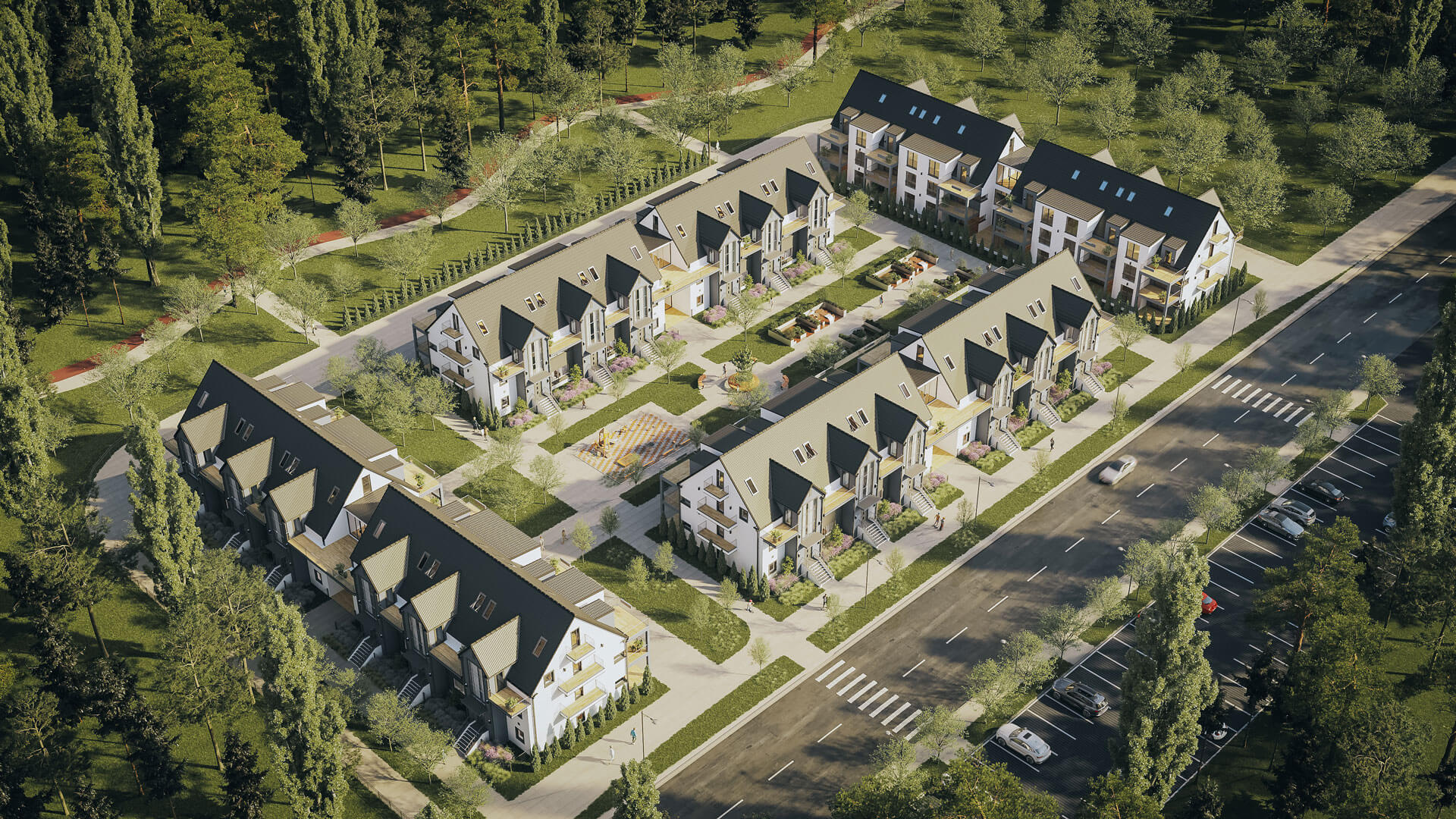
Neither a street view nor a close-up 3D rendering of a future building allows seeing and experiencing the whole concept in one image. But aerial 3D renders give you the ability to show your clients the full picture. This way, they’ll be able to clearly see and examine every design decision of yours — from the geometry of structures to the finishing materials you’ve selected.
This approach is especially valuable for residential complexes, urban developments, and resort projects, where the relationship between buildings, open spaces, and amenities defines the overall experience. In these cases, clients and investors need to see the “big picture” — how different components work together as a unified system. Aerial visuals and site plan 3D rendering reveal design logic that is otherwise difficult to communicate, making them a key tool for presentations, approvals, and marketing materials.
#2. Bird’s Eye View 3D Rendering Helps Showcase the Project’s Infrastructure
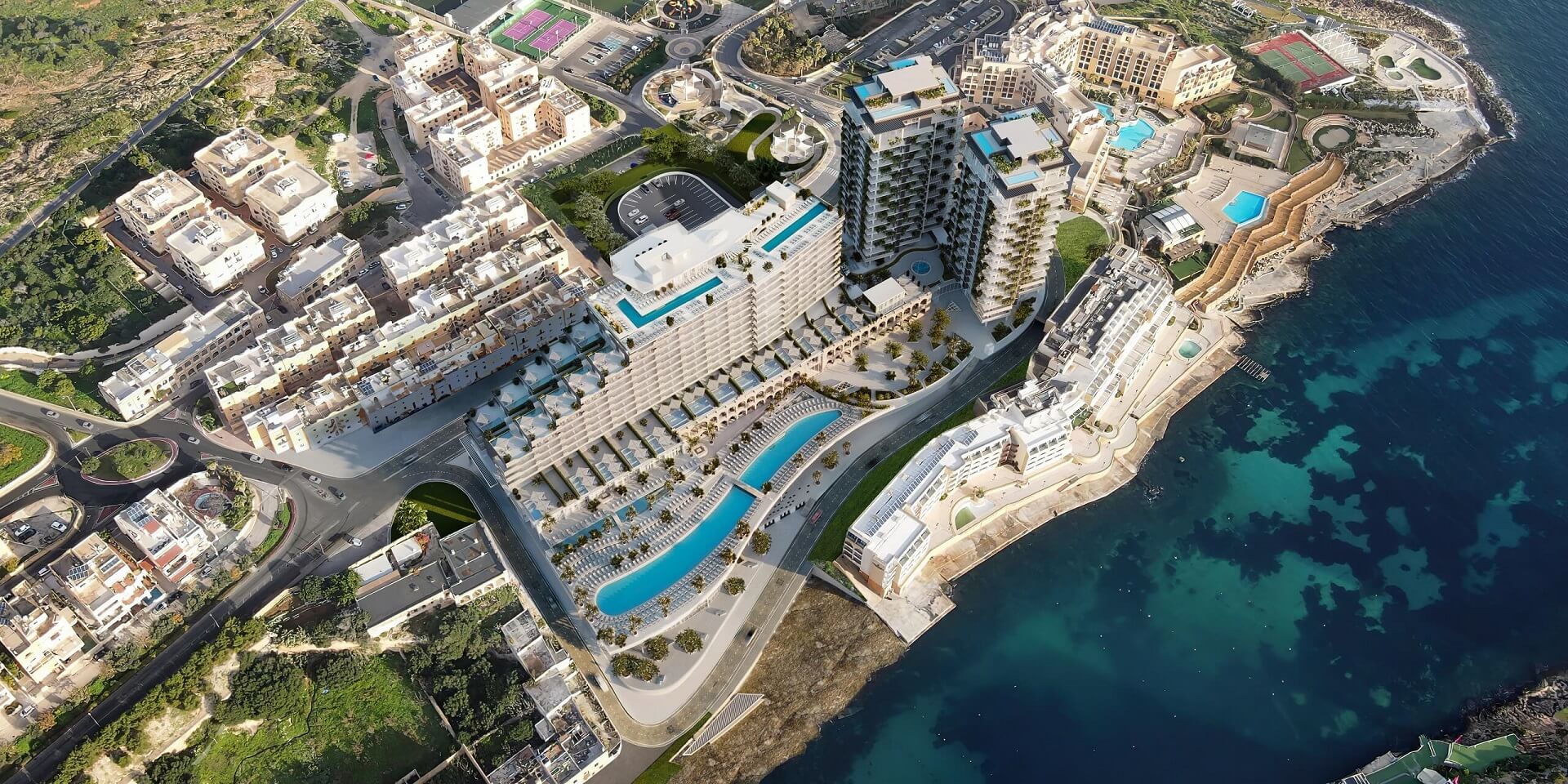
When you’re presenting a concept of a large building or a group of buildings like a residential compound or a resort, it’s essential to show the infrastructure of the entire complex. Namely, you always need to showcase the positioning of the main structures. Also, you need to show their connection to each other and to various amenities such as parking lots and outdoor recreation areas. With aerial CGI, you can give your viewers a precise map of the entire place. This way, they can appreciate the convenience of your design.
For investor presentations, this clarity is particularly important. Decision-makers need to quickly evaluate how well a development supports movement, accessibility, and daily use. For example, clearly defined parking areas, logical circulation routes, and integrated recreational spaces signal thoughtful planning and reduce perceived risk. By visualizing infrastructure at scale, aerial renderings help communicate not just design, but operational efficiency — a key factor in investment decisions.
#3. Aerial CGI Depicts the Visual Impact of the Design on the Surroundings
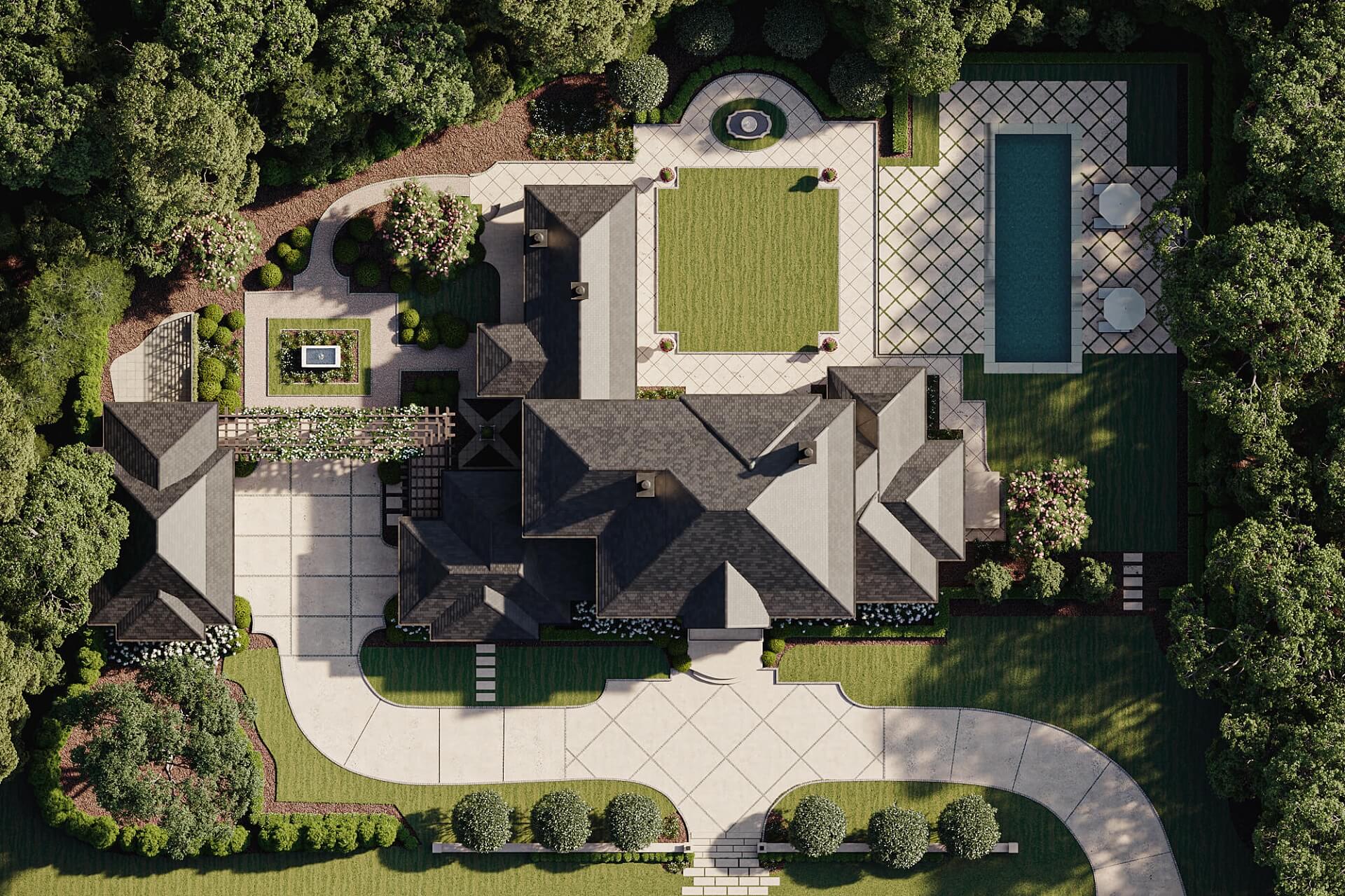
Whether the goal of the project is for the building to blend in seamlessly with the surroundings or, on the contrary, to stand out, it’s always crucial to demonstrate what the design will look like in its actual environment compared to a simple floor plan rendering service. Whatever the case, a birds-eye view rendering will help you show that the idea will be realized 100% accurately. Just look at how spectacularly this angular, geometric shape of the house contrasts with the beautiful nature around it in the villa rendering above. And you can only see that with a bird’s eye view.
Ensure your exterior design project leaves a lasting impression and takes your clients’ breath away with stunning visuals.
For example, a residential development may use similar heights, materials, and spacing to create harmony with the neighborhood, while a commercial tower might intentionally contrast with its surroundings to establish a strong identity. Without an aerial perspective, these relationships remain abstract. With it, clients and stakeholders can evaluate how the project contributes to or transforms its environment, making it easier to align design intent with planning goals and market expectations.
#4. Bird’s Eye View 3D Rendering Accurately Demonstrates the Size of the Building
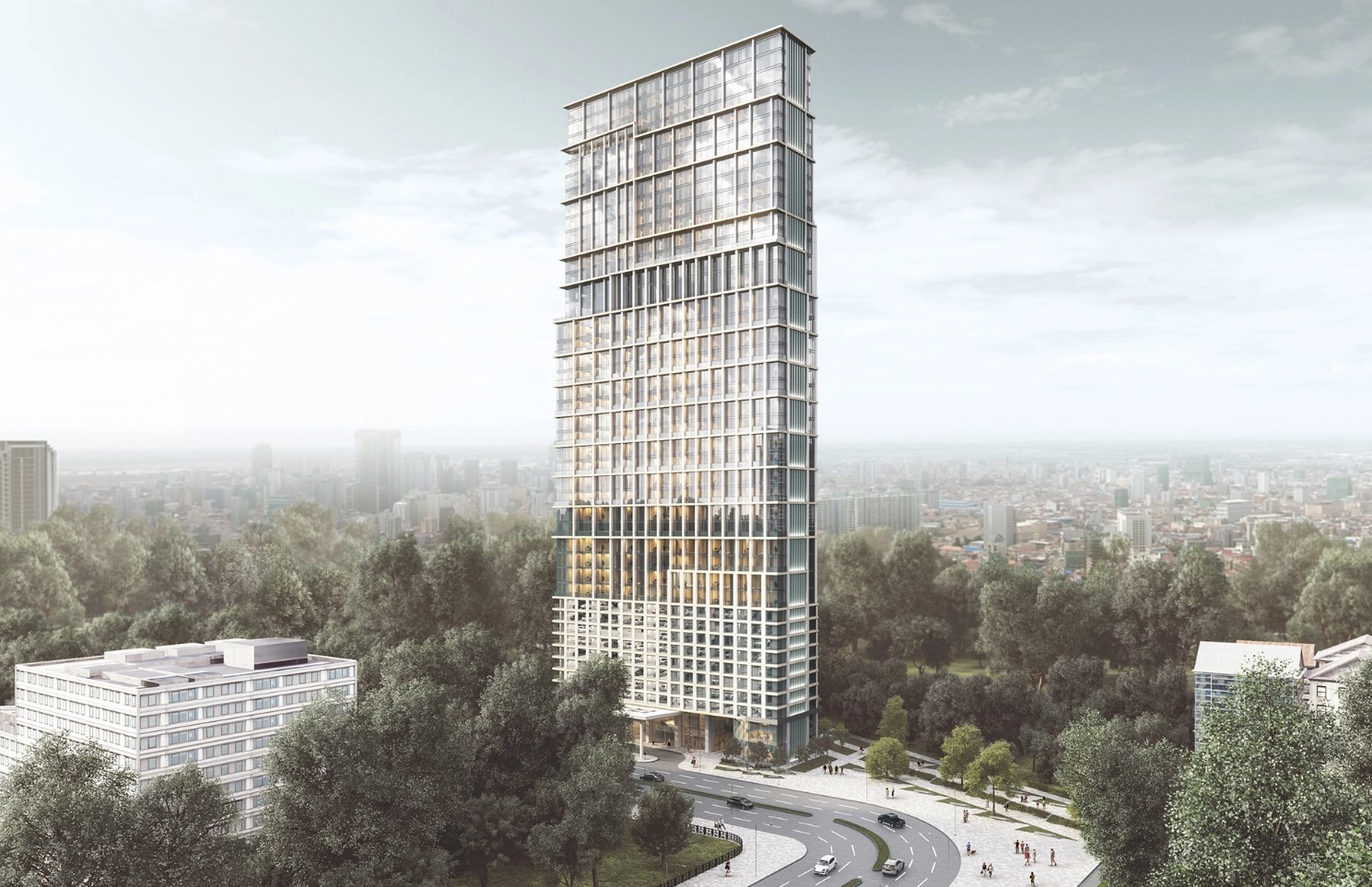
There’s no better way to understand the actual size of the future architectural object than by looking at it from above and seeing it next to other nearby structures. And aerial CG images allow doing exactly that. They can depict the whole structure from top to bottom in a real-life context, helping to easily understand the building’s scale. This way, in the case of a large-scale project, investors will be able to see how grand and splendid it looks. If a house is meant to be compact and blend in, they’ll also clearly see that their vision is achieved.
This is particularly important when comparing different project types. For example, a compact residential development versus a high-rise commercial complex. In large-scale investor presentations, understanding scale is essential for evaluating density, land use, and overall feasibility. Aerial views provide that clarity, allowing stakeholders to grasp proportions and spatial relationships instantly, without relying on technical drawings.
#5. Aerial 3D Renders Showcase Design Features that Can Only Be Seen from Above
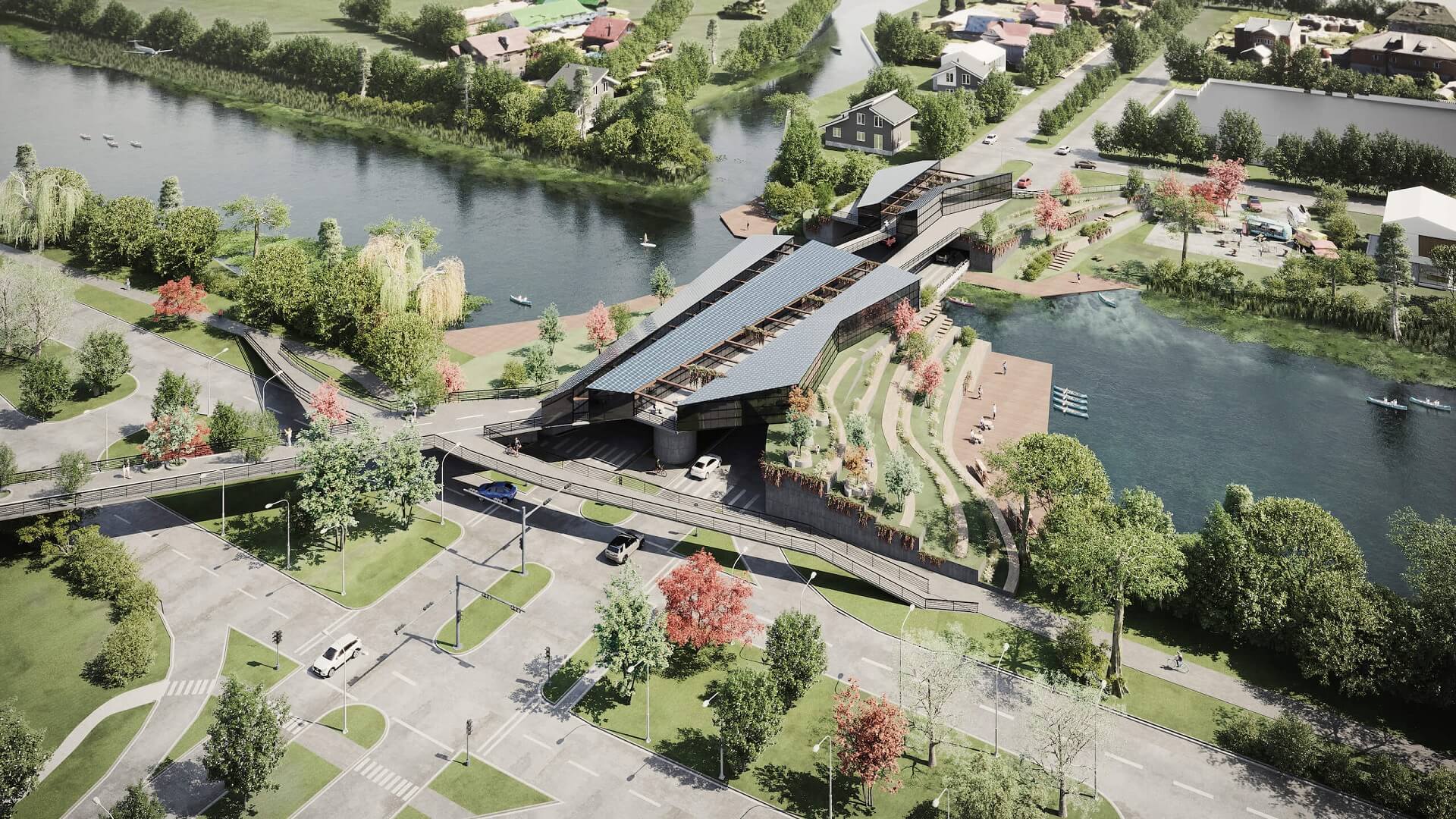
Some concepts might include elements that cannot be fully seen from a street view. For instance, in the birds eye view rendering above, you can see rooftop terraces and gardens on the houses. Showing them from above is the only efficient way to present such a design to investors.
Aerial visualization brings these elements into focus, showing how rooftops contribute to the overall design and usability of the building. For investors, this is particularly important, as rooftop amenities often represent additional revenue opportunities or lifestyle value. Whether it’s a shared terrace in a residential complex or a landscaped rooftop in a hotel, visualizing these features helps communicate their purpose clearly and reinforces the project’s competitive positioning.
Birds eye view rendering is an essential tool for presenting large-scale architectural concepts — urban developments, residential complexes, resorts, and commercial buildings. It shows what no other type of 3D exterior rendering services can: the full design in context, its infrastructure, scale, and unique features visible only from above. Need professional 3D rendering for architects or architectural animation for your next project? Contact ArchiCGI and get photorealistic birds eye view imagery that helps win investor approval.

Daryna Romaniv
Senior Client Manager
Daryna is a Senior client manager at ArchiCGI. She can guide you through our workflow and quickly resolve any issue along the way. In her spare time, Daryna enjoys cooking, reading fantasy books, and watching “Friends”. She also loves traveling, especially to sunny Italy.