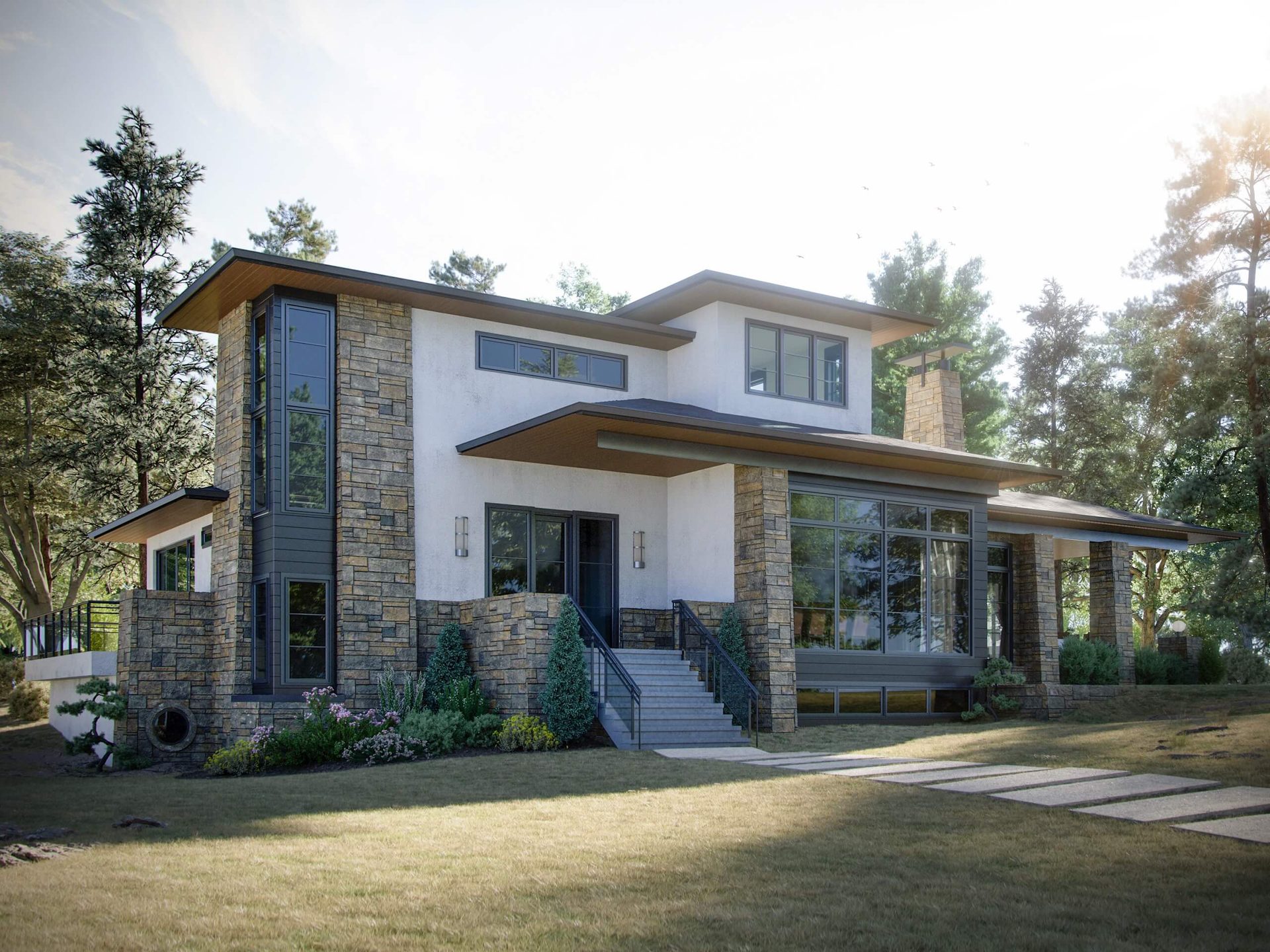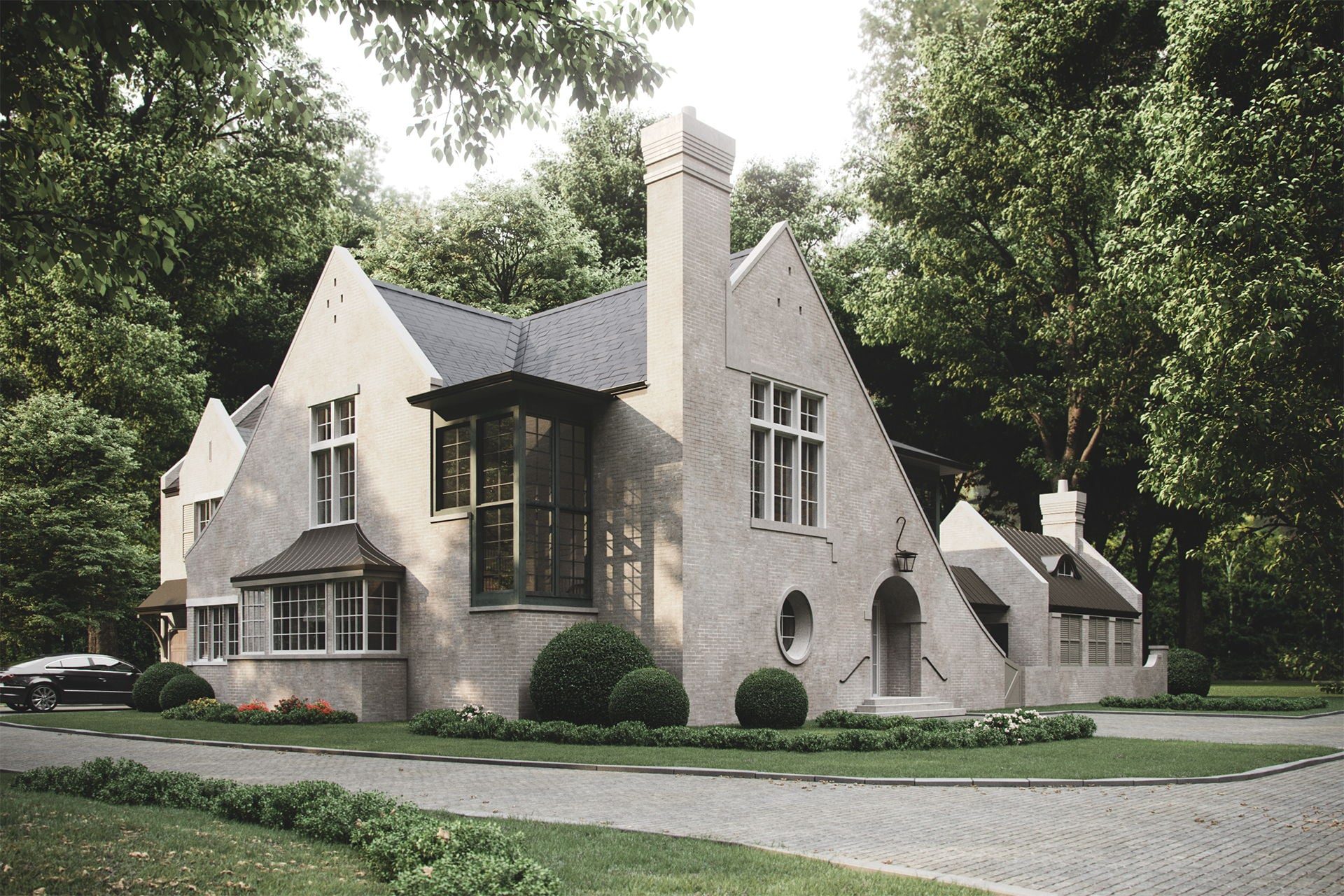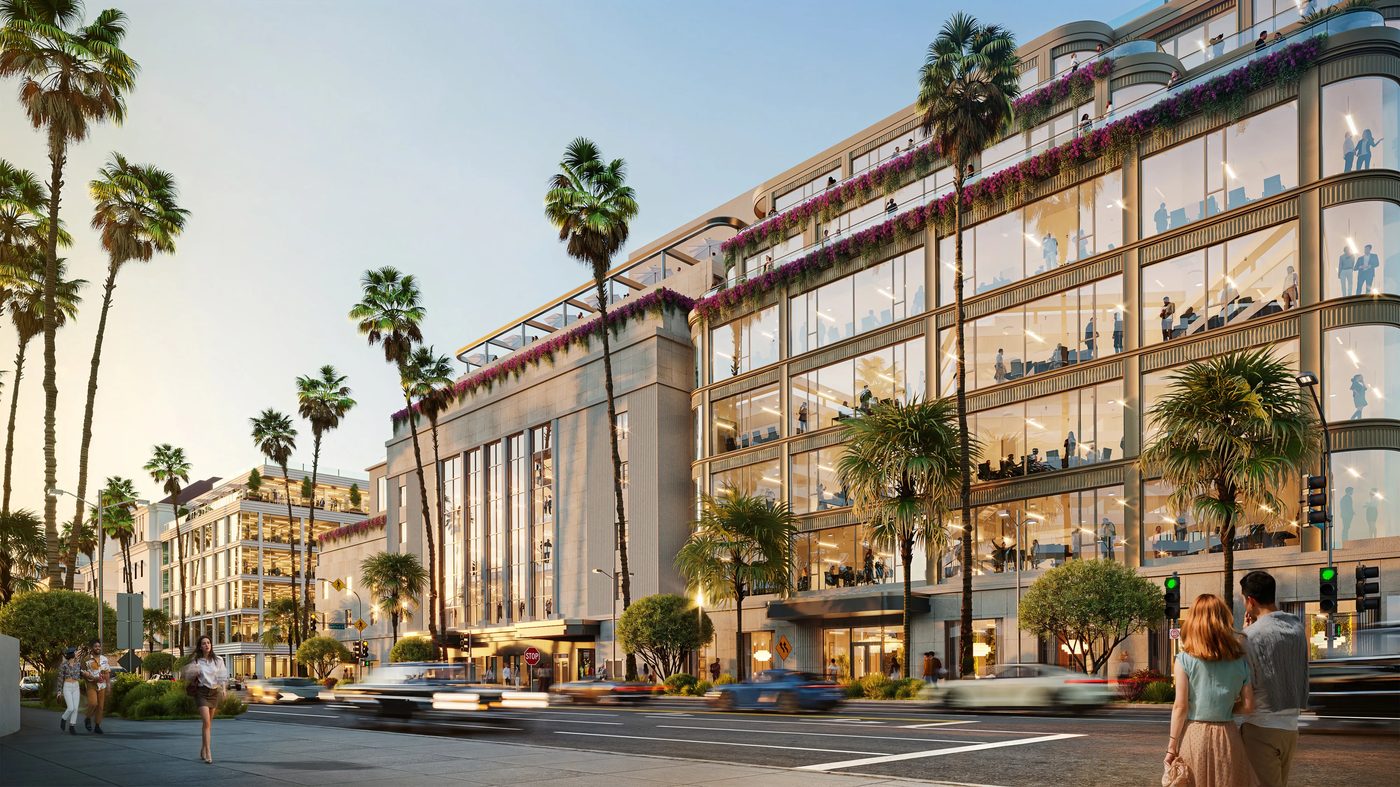
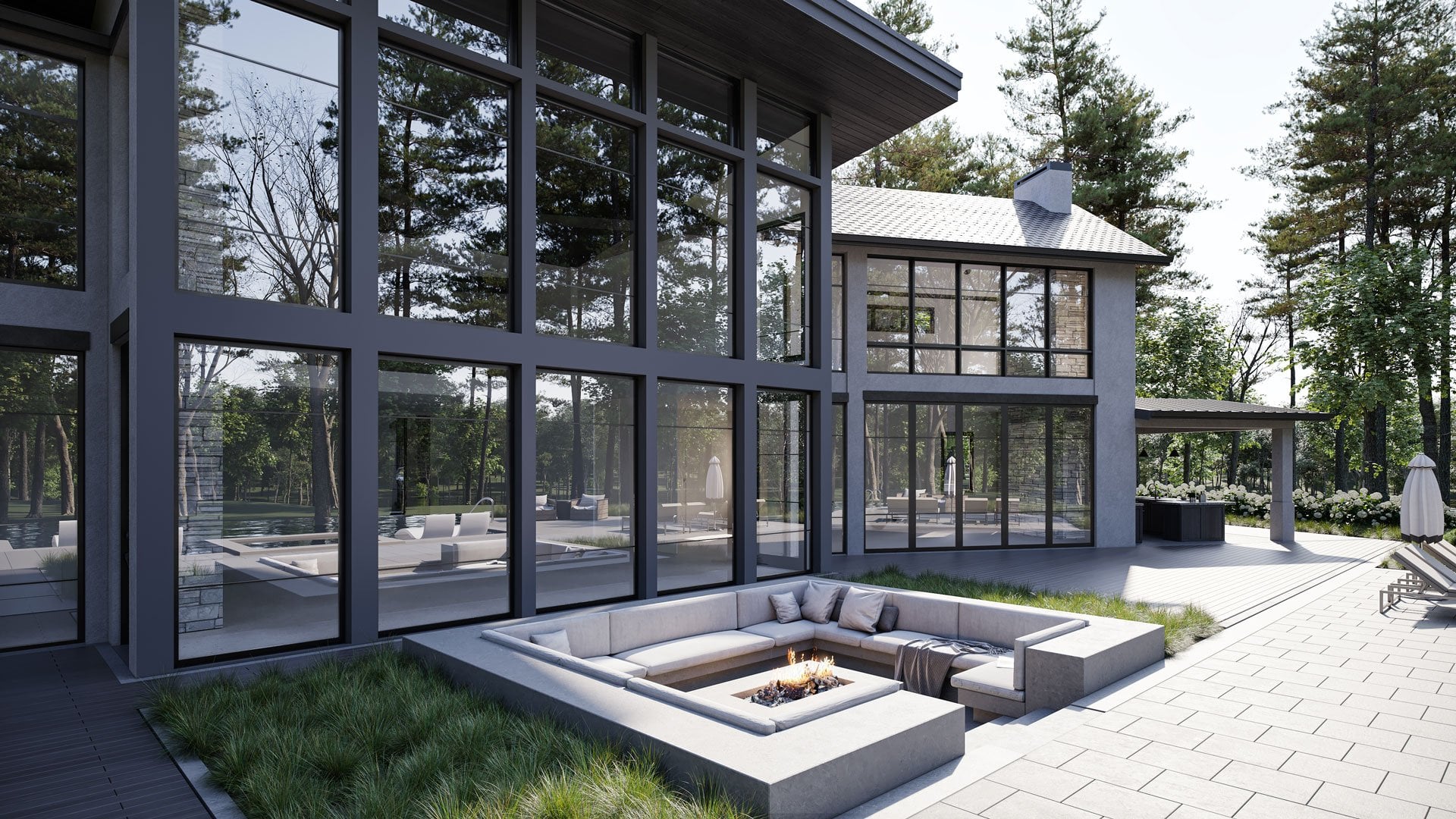
3D visualization for real estate is an invaluable tool for developers and realtors selling unfinished properties. It used to be much harder to sell a house under construction than a ready home. That was because developers and realtors didn’t have anything to show to clients except for blueprints and photos of construction sites. Pictures of unfinished spaces don’t look that impressive, and drawings are hard to understand. Thus, pre-selling even the finest real estate was a challenge.
But when architectural 3D visualization services came into play, realtors and developers got effective tools to pre-sell properties. How so? Let’s look at 7 ways real estate visualization helps achieve this.
#1. Photoreal 3D Visualization Shows Real Estate before Construction
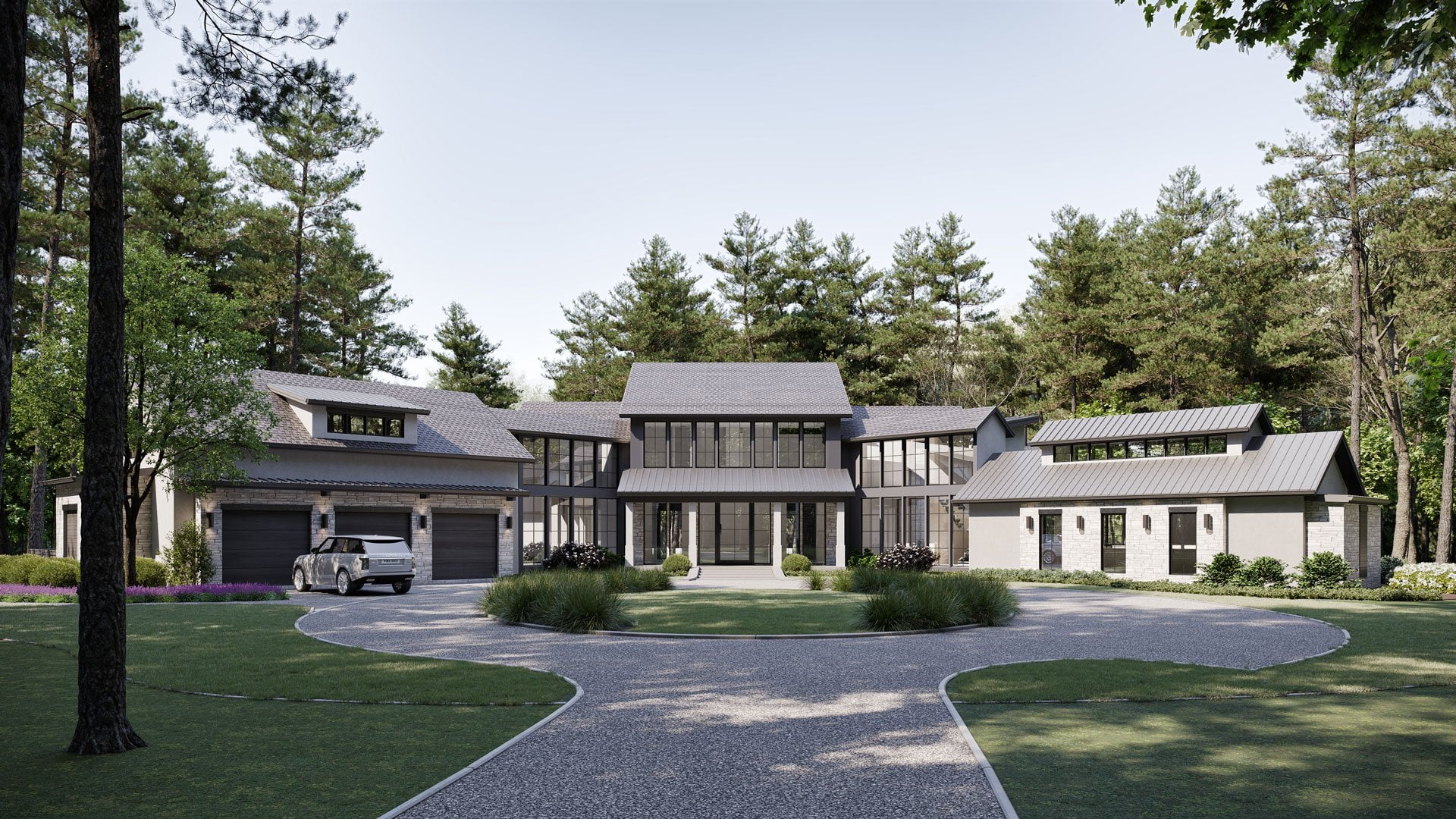
3D rendering levels the playing field. Now, both sellers and pre-sellers of real estate can land successful deals. Previously, the developers who were selling finished houses had a significant advantage. They could arrange a professional photo and video shoot of a property and prepare mind-blowing presentation and marketing materials. Even if an apartment or house in question was in poor condition, the realtor could order restaging and restyling. Then, they could take attractive pictures and get people to book viewings.
Meanwhile, those who worked with unfinished real estate didn’t have such options. What could they do to produce advertisements that matched the future property’s potential? But that was before 3D rendering for real estate appeared. With the advent of CGI, one can get photoreal imagery that shows the future project in full glory. In such a way, chances for pre-selling property become much higher.
What’s more, 3D visualization for real estate allows for the expansion of the target audiences. Those prospects who want to buy a ready property can change their minds once they see beautiful photorealistic 3D renders of a soon-to-be-built house.
#2. CG Visualization Highlights the Project’s Benefits
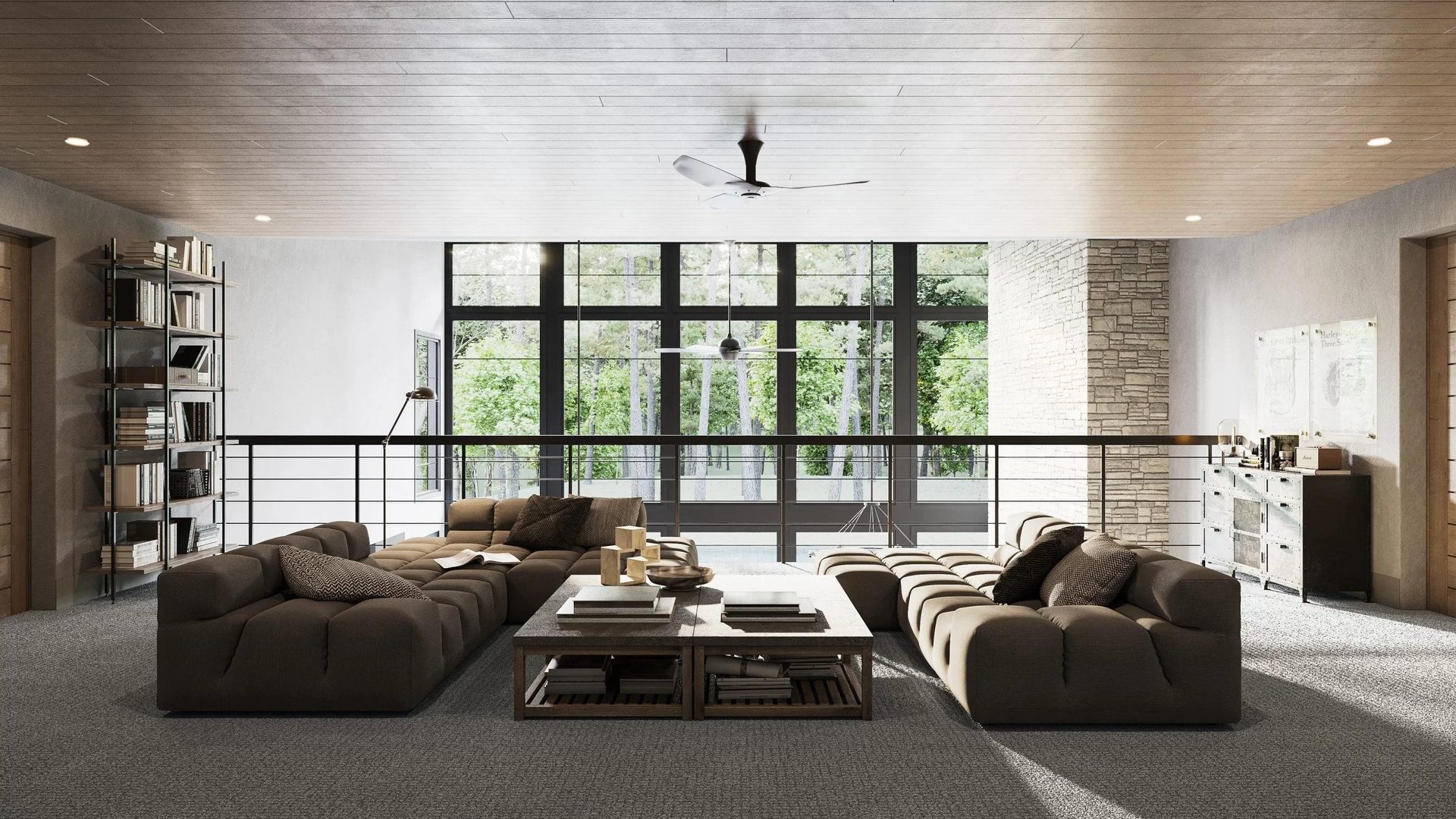
3D visualization for real estate can emphasize every beneficial detail of a home, office, or any other space. For instance, a 3D exterior rendering service for a residential complex can show well-lit streets, parking lots, security posts, supermarkets, schools, and kindergartens nearby. Simply put, it will highlight everything needed for a comfortable and safe family life.
Similarly, a 3D rendering of an apartment can emphasize its functional and stylistic benefits. CGI can present real estate architecture, spatial layout, lighting, and interior design elements. Also, the viewers will see and appreciate every smart solution the home has. For example, a bedroom with a large walk-in wardrobe or a chic en-suite bathroom is an impressive asset worth showing.
Elevate your exterior design project with photorealistic 3D visuals that help clients confidently approve your proposals.
#3. CGI Makes Buyers Connect Emotionally with a Property
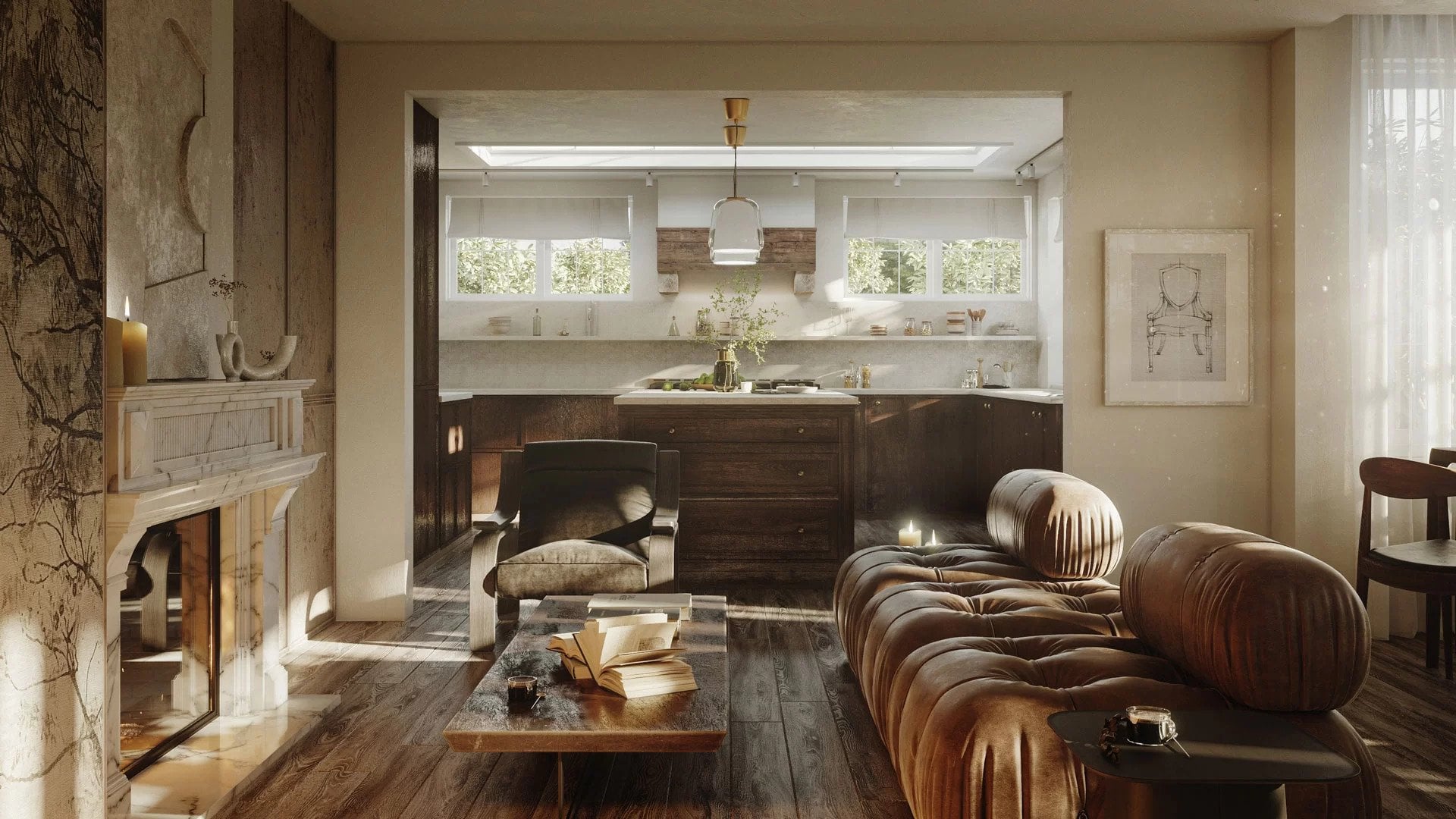
According to Nielsen research, ads with above-average emotional responses generate a 23% lift in sales. And there’s nothing that stirs emotions better than professional imagery. So here again, 3D rendering in real estate holds all the answers. For 3D artists not only create photoreal visuals but also know how to ‘play’ with the image and what details to add to make it appealing. There are many categories of such details, and 3D artists choose them depending on the sales process and the type of building.
For instance, apartment 3D renders may include elements that make a space look as if the owner has just left it. This will help the prospect feel the coziness and comfort of a future home. The effect is achieved by adding small things like a cup of fuming tea on the table, a blanket spread on a sofa, or an open book on a chair.
Similarly, if CGI displays a bathroom, the image can show condensation on mirrors and glass surfaces. This way, it looks like one has just taken a hot shower here.
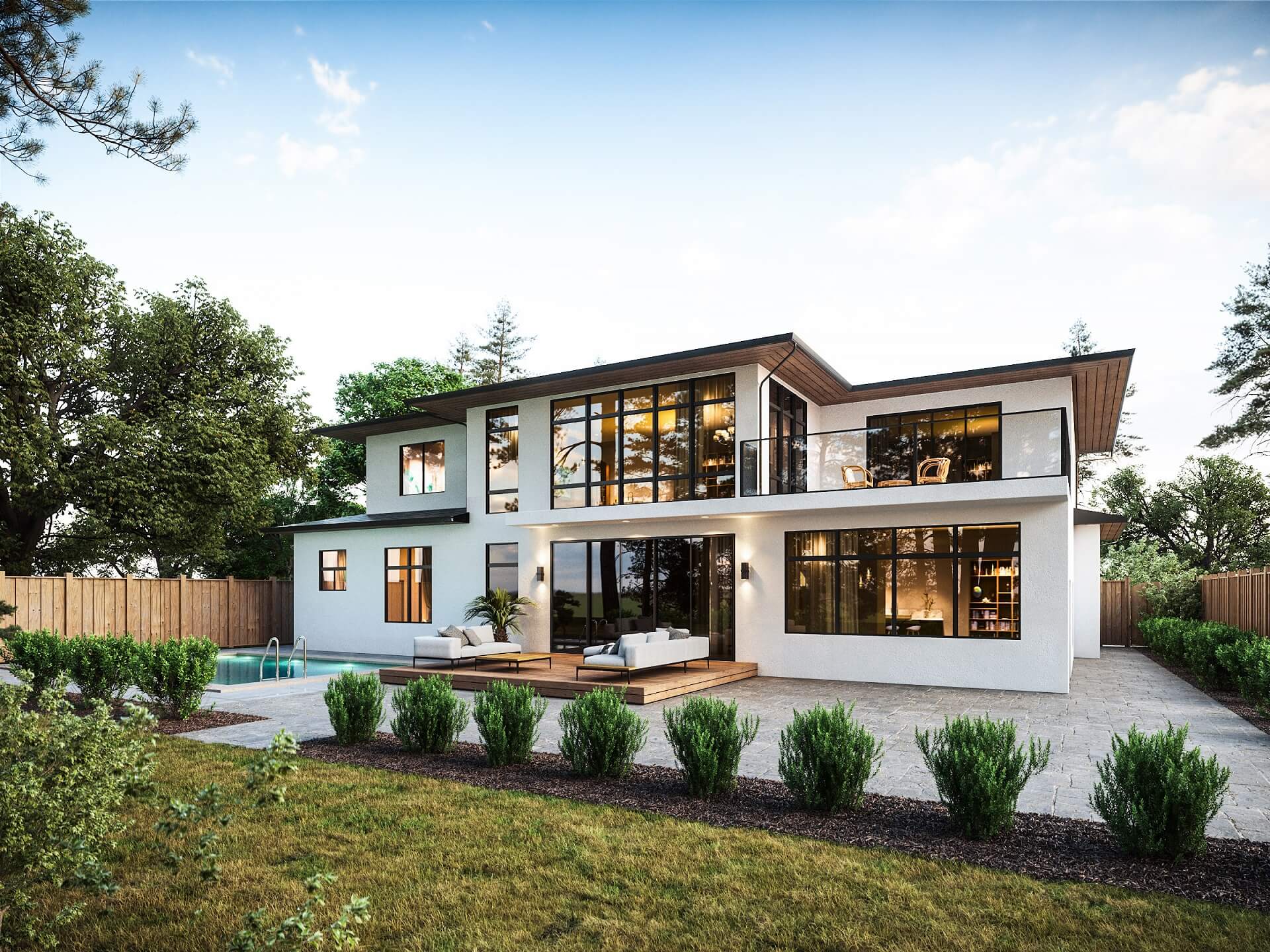
The exterior 3D visuals can contain lots of emotion-evoking details as well. These can be weather effects — sunbeams, clouds, raindrops, snowflakes, wind waving the grass, and so on.
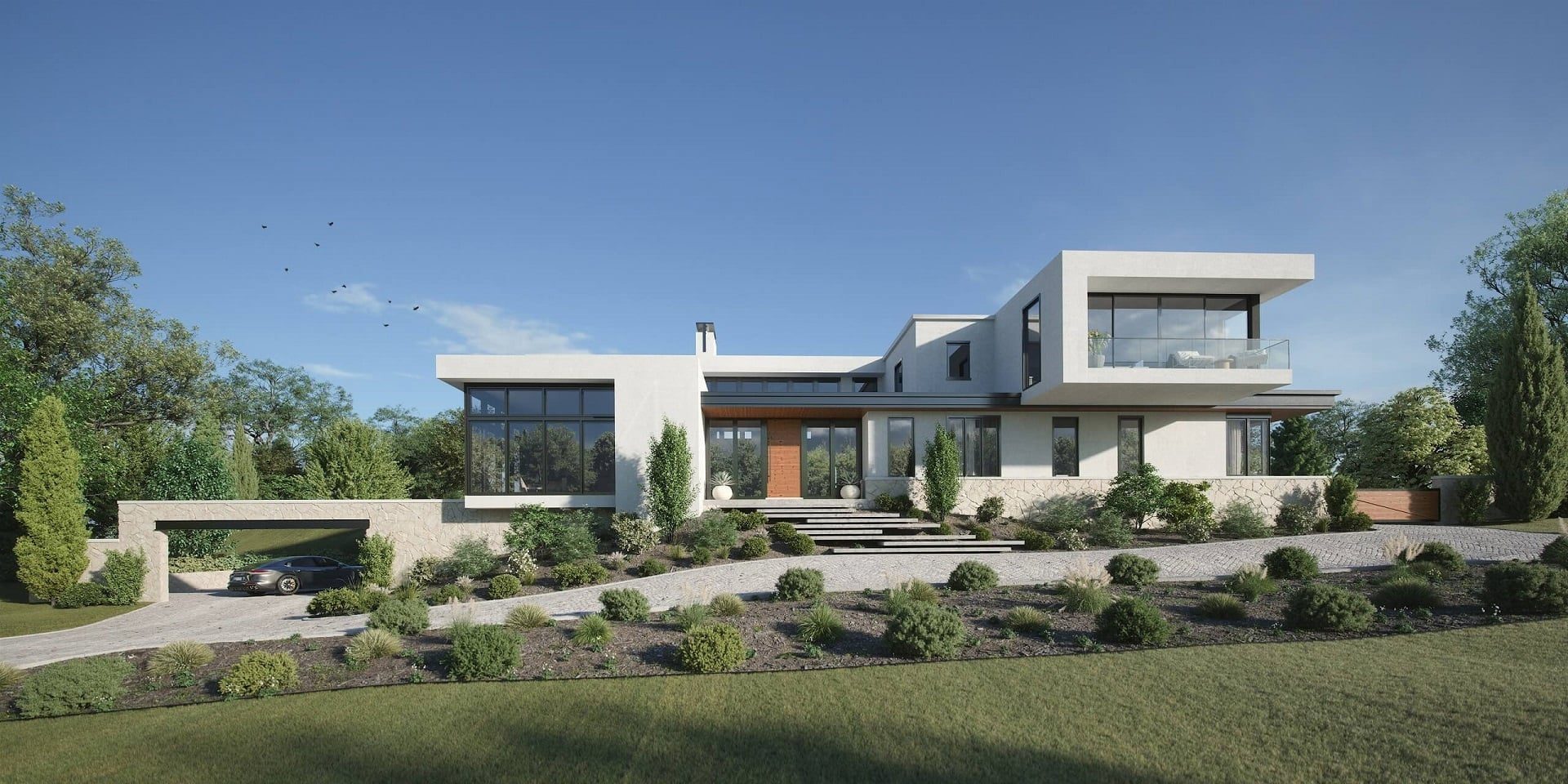
Also, exterior 3D renders can include plants and animals. Green trees, beautiful flowers, and flocks of birds in the sky will show off the beauty of local nature. Thus, the viewer will be immersed in the atmosphere of the area. More details on these 3D rendering solutions and their production workflow are available in our guide to 3D rendering in architecture.
#4. CG Visualization for Real Estate Enhances Marketing Campaign
Real estate 3D exterior rendering is a true advertising asset that can increase marketing ROI quickly. That is because realistic detailed 3D visualization of a property instantly draws the attention of potential buyers, while blueprints or photos of unfinished buildings can hardly catch their eye.
Photoreal 3D visualization for real estate makes for impeccable and universal advertising materials. Static 3D renderings will look gorgeous both in print and digital — in magazines, on billboards, on websites, on social media, and in emails. If the realtor wants to get even more exposure for the offer, they can get 3D animations for the real estate and show them on TV and YouTube. On top of that, for the most immersive experience, real estate professionals can go for an interactive virtual tour — like in the example above.
See how 3D tours let clients explore the future space in real time
These visuals work across every promo channel. Renders scale to any resolution, so the same image serves a billboard and an Instagram ad equally well. Print collateral for the sales office, animated clips for social media, segmented email campaigns with interiors matched to each audience, and retargeting banners all draw from one CGI package. And for sales offices handling projects with repeating layouts, VR tours built on the same 3D models are a surprisingly affordable upgrade.
#5. Architectural 3D Visualization Justifies Upmarket Property Price
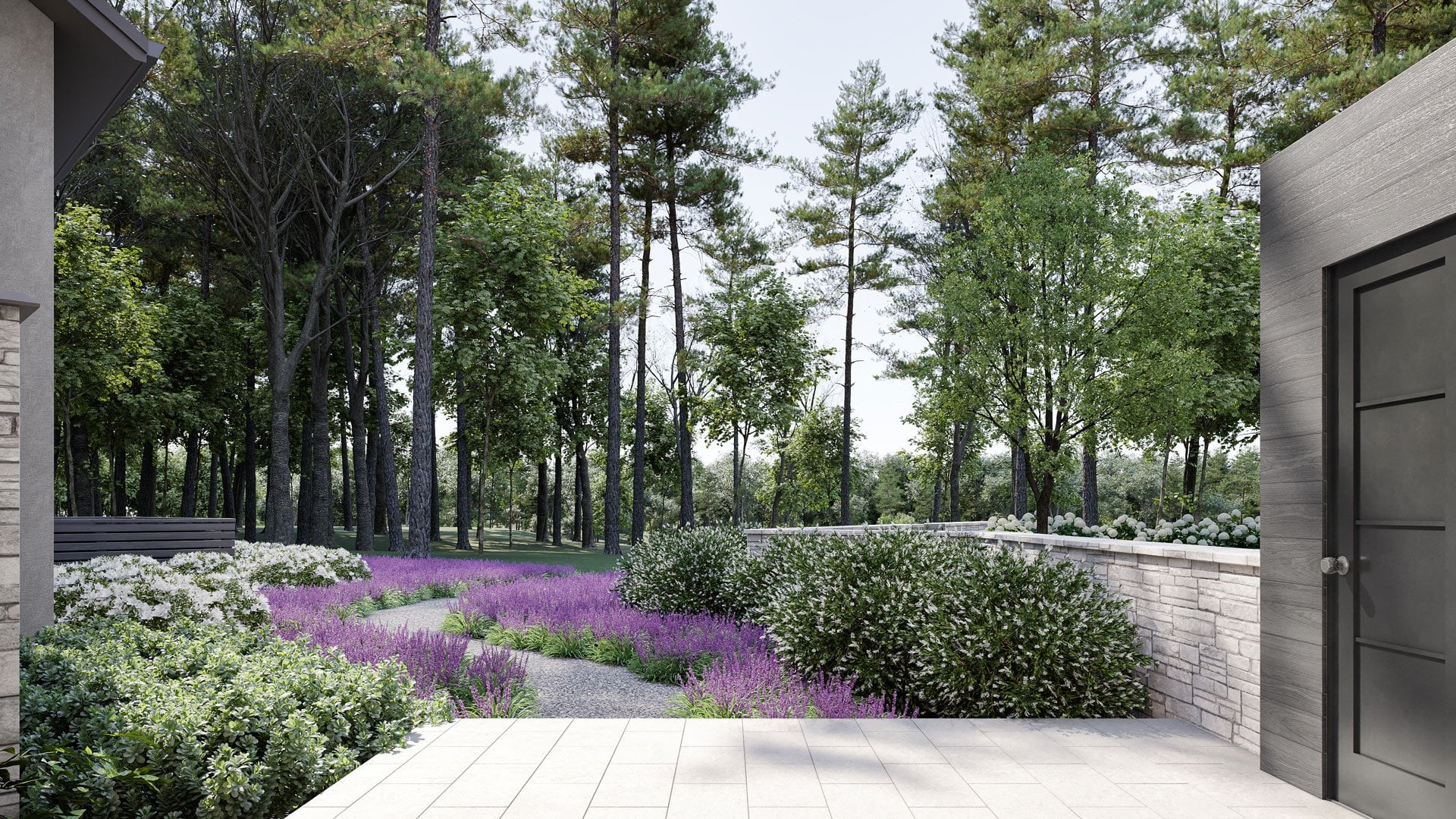
With only drawings and sketches, it’s hard to break down the price of a luxurious real estate. But when looking at photoreal 3D visualization, the buyer will easily understand the realtor’s or developer’s point.
Notably, the viewer can see that the house will be built using only high-end materials — sustainable, good-looking, and easy to maintain. Also, real estate visualisation can show the beauty of the location. Whether the house will be situated by a Scandinavian forest or on a Californian seacoast, 3D renders will show the charm of local nature.
What is more, property development renders displays all the features that make a project stand out. For instance, the viewers will be able to appreciate the unique architecture, underground parking, and fancy landscape design. Thus, they will understand why this property is worth its price.
#6. CGI Enables Customization for Real Estate Buyers
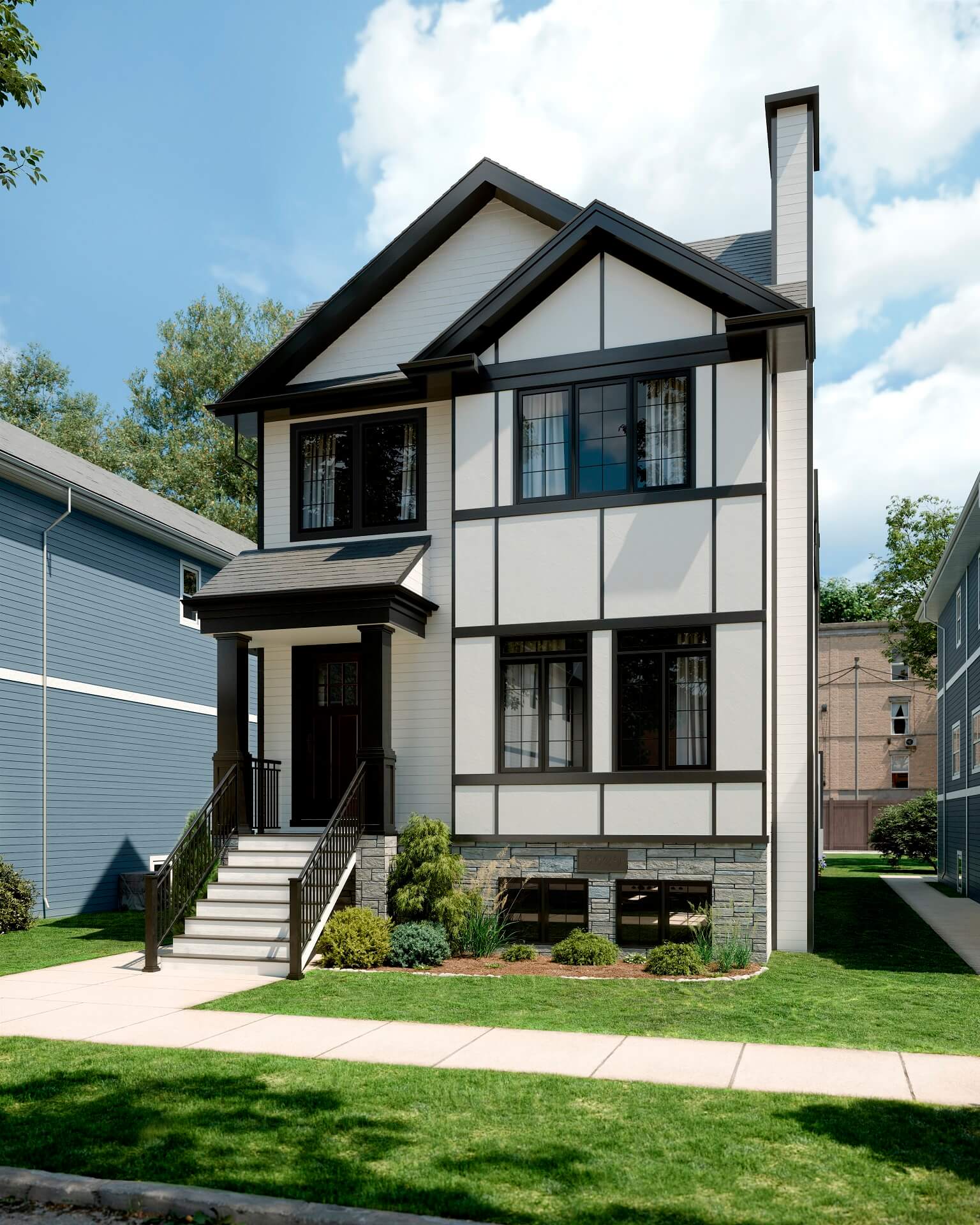
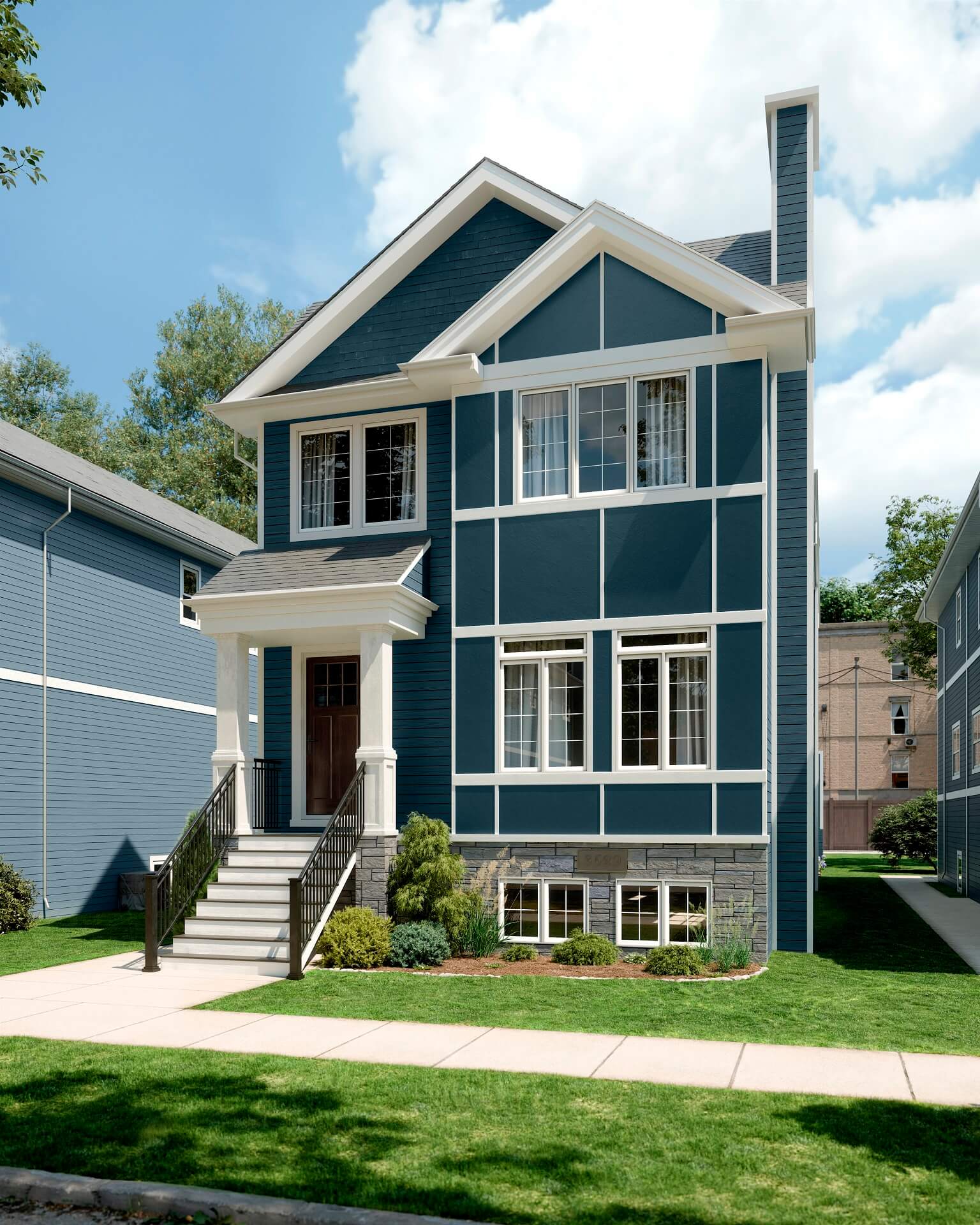
When considering the purchase of an unfinished property, a potential buyer wants to be sure that it will meet or exceed their expectations once completed. And while an initial 3D render of the concept can be appealing to prospects, many of them are curious about alternative design possibilities — perhaps a different style of cladding or a unique window shape.
In this case, property visualisation is a life-saver. It allows one to quickly get an updated render of the property. With the necessary changes introduced, it becomes personalized for the client. So, they can easily understand which design option suits them best. It helps them make well-informed and confident choices.
#7. CG Visualization Speeds Up Decision-Making for Investors and Buyers
Time is money — especially in the real estate business. And when it comes to pre-selling, every day counts. That’s where 3D property visualisation comes in handy once again. Photoreal CGI gives potential buyers and investors a clear, detailed view of what the future property will look like. This way, they don’t have to imagine or guess — they see everything with their own eyes. As a result, they feel more confident and make decisions much faster. There is no need for multiple meetings, long explanations, or waiting until construction reaches a certain stage. With high-quality 3D renders, closing deals becomes faster and more straightforward.
How Much Sells Before Completion: Numbers from Public Filings
Pre-selling is not a niche tactic. Public developers report it to their shareholders, and the numbers show how much of a project changes hands while it exists only on paper and on screen. Howard Hughes Holdings, which builds condominium towers in Honolulu and The Woodlands, Texas, gives a good example in its 2024 annual report (Form 10-K):
| Project | Stage at the end of 2024 | Units under contract |
|---|---|---|
| Four towers in Honolulu and The Woodlands | Under construction | 95.5% |
| The Ritz-Carlton Residences, The Woodlands | Presales from March 2024, construction from October 2024 | 70.3% (78 units) |
| The Launiu, Honolulu | Presales launched, construction not started | 58.4% (283 units) |
Source: Howard Hughes Holdings, Form 10-K for 2024.
Look at the Ritz-Carlton line. Presales opened in March, and by December more than two thirds of the units were sold, while the building was still a construction site. For most of that time, buyers were committing to a home they could not yet walk through.
A fair caveat: none of these filings says how much of that pace came from the visuals, and we have not found a public study that measures it. Location, brand, price and the broker network all play their part. What the numbers do show is how much of a project gets sold before anyone can see it in person, and why developers invest in visuals early.
Construction lenders may ask for a share of units to be sold before they fund the project, but the required level depends on the lender and the deal, so there is no single national figure to plan around. Ask early. The answer tells you how much you need to sell before the first shovel goes in, and how soon your marketing visuals have to be ready.
Our own projects show the same logic on a smaller scale. For a beachfront community on the US coast, four lots were pre-sold shortly after the project launched with our 3D flythrough animation and site renders.
What to have ready before presales open
- exterior renders from street level and from the air, showing the building in its real surroundings;
- 3D floor plans for every unit type, so buyers can compare layouts side by side;
- interiors of the key rooms and amenities: living area, kitchen, primary bedroom, lobby, pool or gym;
- views from the windows or balconies for the floors you are selling first;
- an animation or a virtual tour for the sales gallery, the website and social media.
A still image usually takes about three days from brief to delivery, and a one-minute animation around three weeks, so plan the order a month or two before launch.
Want to learn how much your project costs? See how we evaluate 3D rendering projects
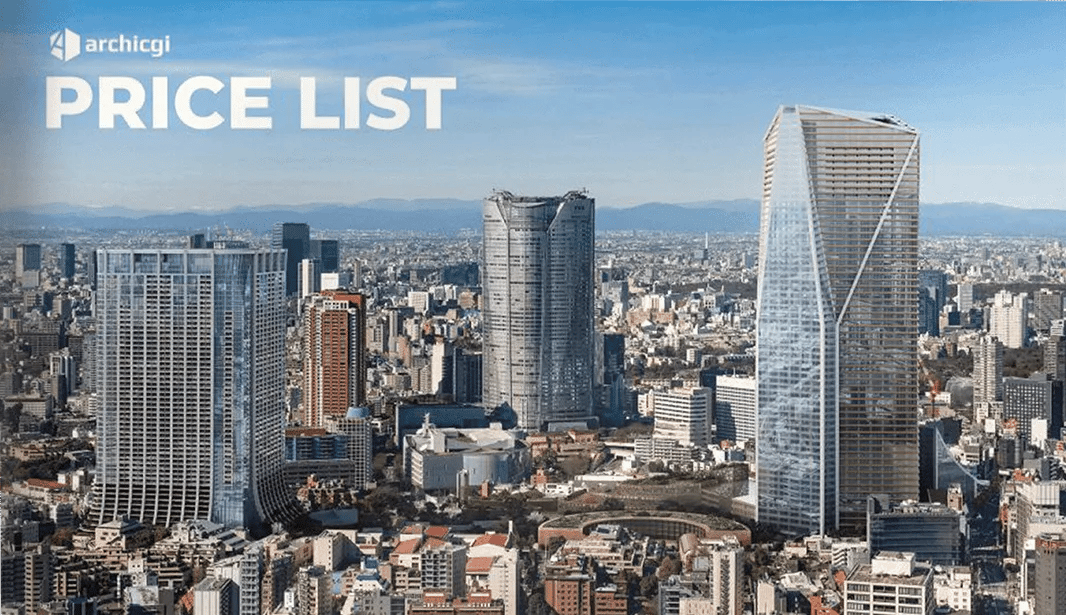
3D rendering plays a key role in pre-selling real estate. Unlike traditional materials, it allows developers to present properties before they are built. It shows layout, infrastructure, and design features clearly, so buyers understand what they are paying for. It also creates a more engaging visual experience, which helps marketing materials perform better.
For more ways to promote a development, check our real estate developer marketing tips.
Want to present every benefit of the house in photoreal quality? Contact our team for 3D rendering services and get amazing marketing materials that will actually sell! Related reading: social media for property developers and net-zero-ready homes CGI in Canada.
Pre-Selling with 3D Visualization: FAQ

Jimmy Ward
Marketing Specialist, Media Buyer
Jimmy is the senior magician of media and stunning ads. He loves a good joke, his beloved dog Mario and craft beer. But don’t be fooled by his smile: Jimmy is ruthless when it comes to lead generation.