


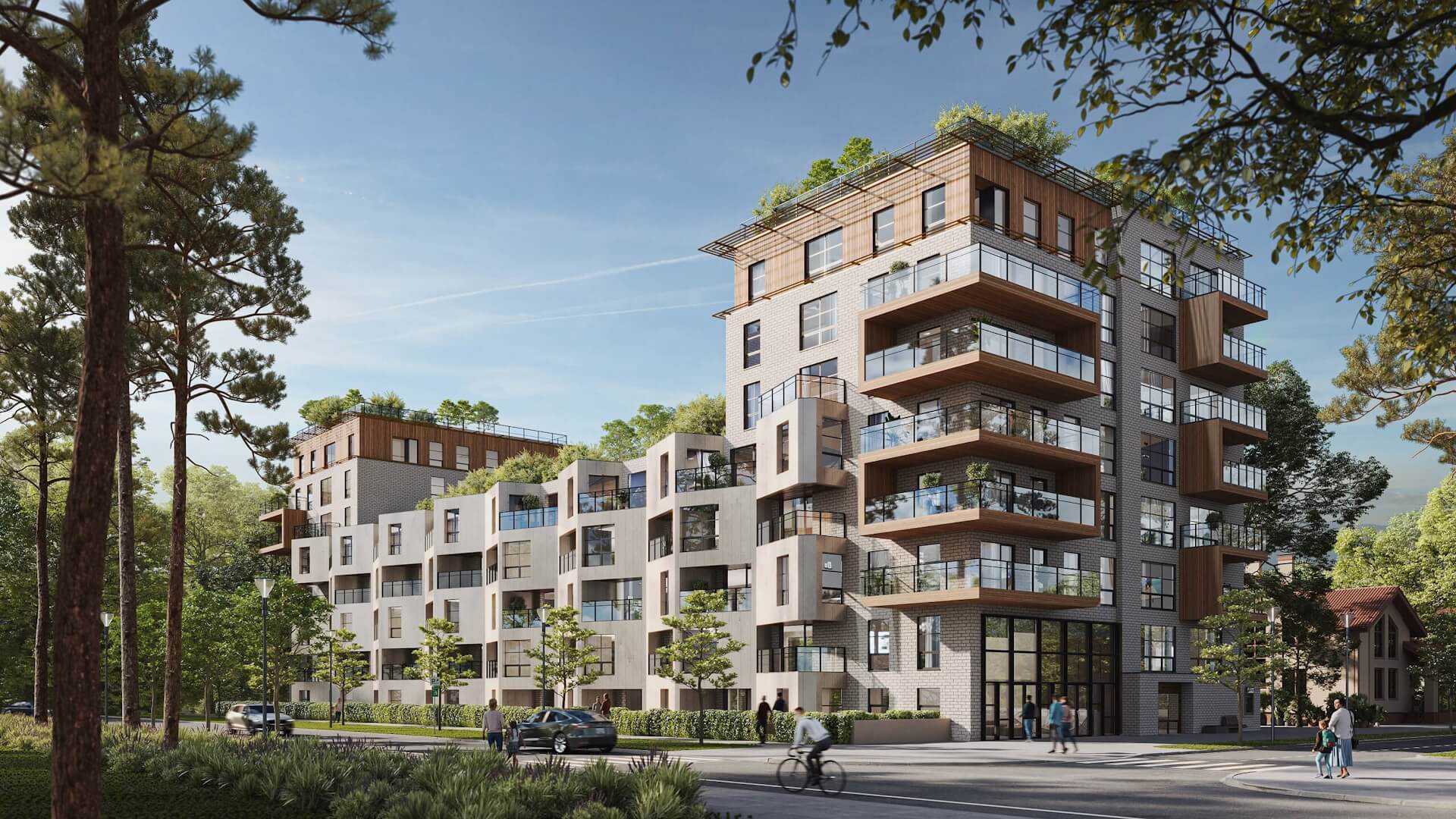
Right now, the property market moves fast. Competition’s tough, and everyone’s trying to stand out. That’s why visual communication isn’t just helpful but a game-changer for developers, architects, and real estate agencies. Property marketing CGI used to be a nice extra. Now, nobody seriously goes without it. It’s everywhere: planning submissions, investor decks, and off-plan sales. Good CGI for property developers brings a space to life before there’s even a shovel in the ground. You can feel it, imagine yourself in it, and, if you’re selling, it starts to look like real money on the table.
This guide breaks down what property CGIs actually are, how the pros make them, and where they really make a difference for developers. You’ll see why the right images help you sell faster, convince investors, and get your projects approved. I’ll also walk you through how to brief a CGI studio, what drives up costs or drags out timelines, and what’s changing in the world of architectural visuals.
What is Property Marketing CGI?
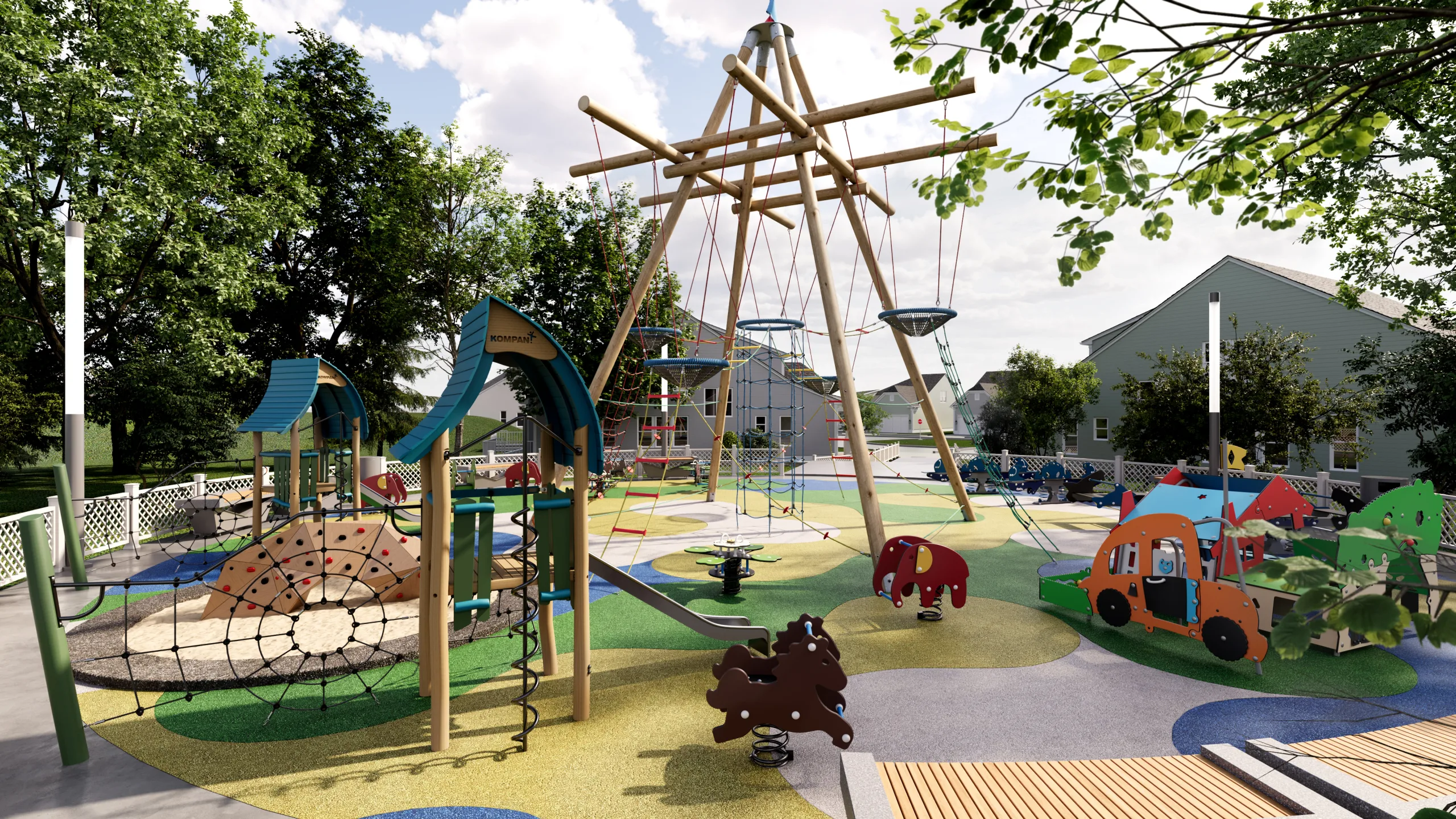
Property CGIs are lifelike images built from architectural drawings. They bring future buildings, interiors, and even landscapes to life, looking so real it’s tough to tell them apart from actual photos. For developers, these visuals transform flat blueprints into something you can virtually walk into, making it much easier to imagine how the finished project would look.
Professional property marketing CGI can depict:
- exterior views of residential and commercial buildings,
- interior layouts and styling,
- full street scenes,
- landscaped exteriors,
- aerial perspectives,
- 3D floor plans and site plans,
- photomontages combining real photography with CGI elements.
They are generated long before construction starts, using CAD drawings, specifications, and design materials. This makes them vital for marketing, planning, and stakeholder communication.
How Property CGIs Work
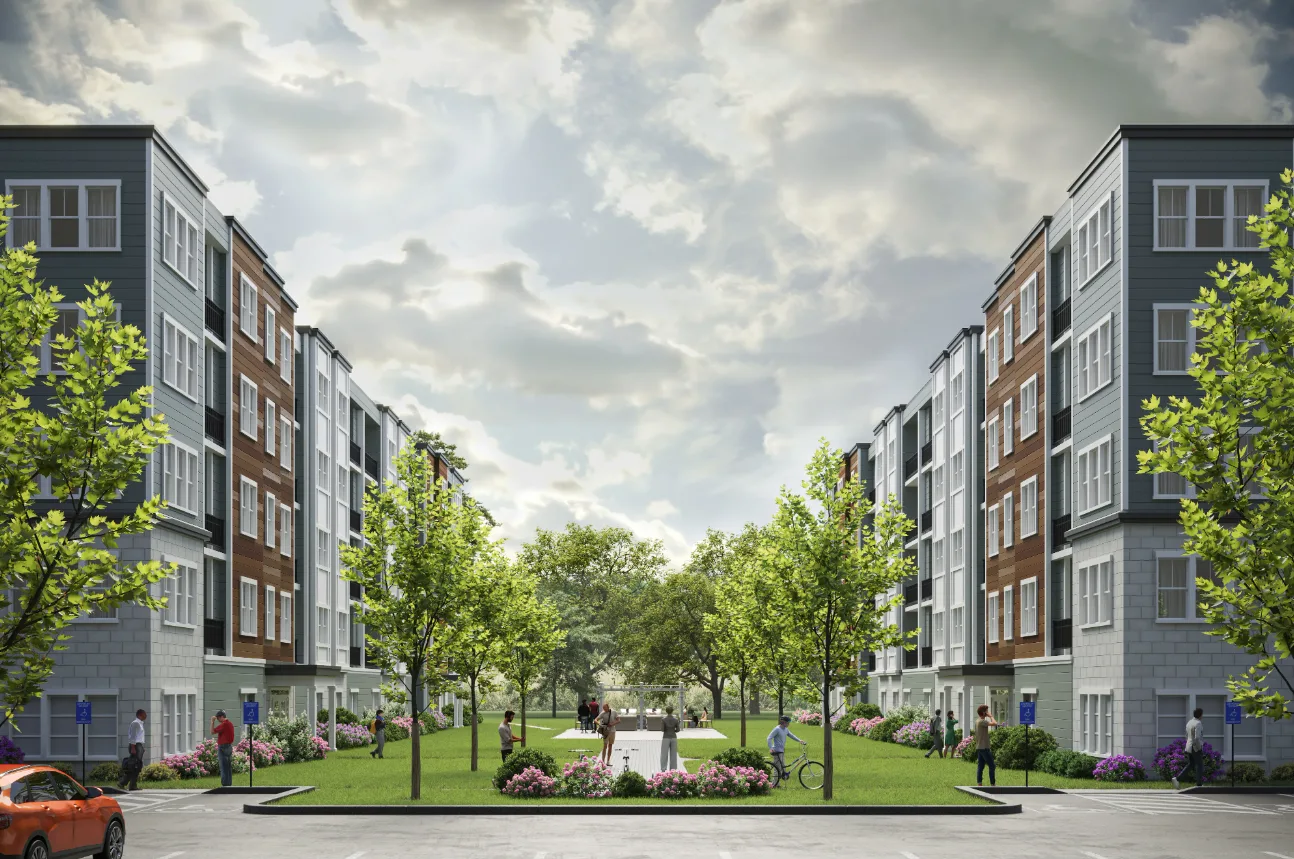
A CGI artist creates a 3D reconstruction of the architectural design, applies the project’s materials, and lights the scene to simulate natural lighting conditions. The result is a visual that accurately reflects proportions, finishes, and the intended atmosphere. It is both a design tool and a marketing asset, helping everyone involved see the project clearly.
Where They Are Used in Property Development
Property CGIs support multiple stages of the development lifecycle:
- pre-planning and planning submissions,
- off-plan marketing and launch campaigns,
- investor and lender presentations,
- sales center materials, landing pages, brochures,
- interior customization packages,
- stakeholder approvals and design coordination.
With the right real estate CGI, even complex developments become easy to understand and evaluate.
Why Property CGIs Matter for Developers and Agents
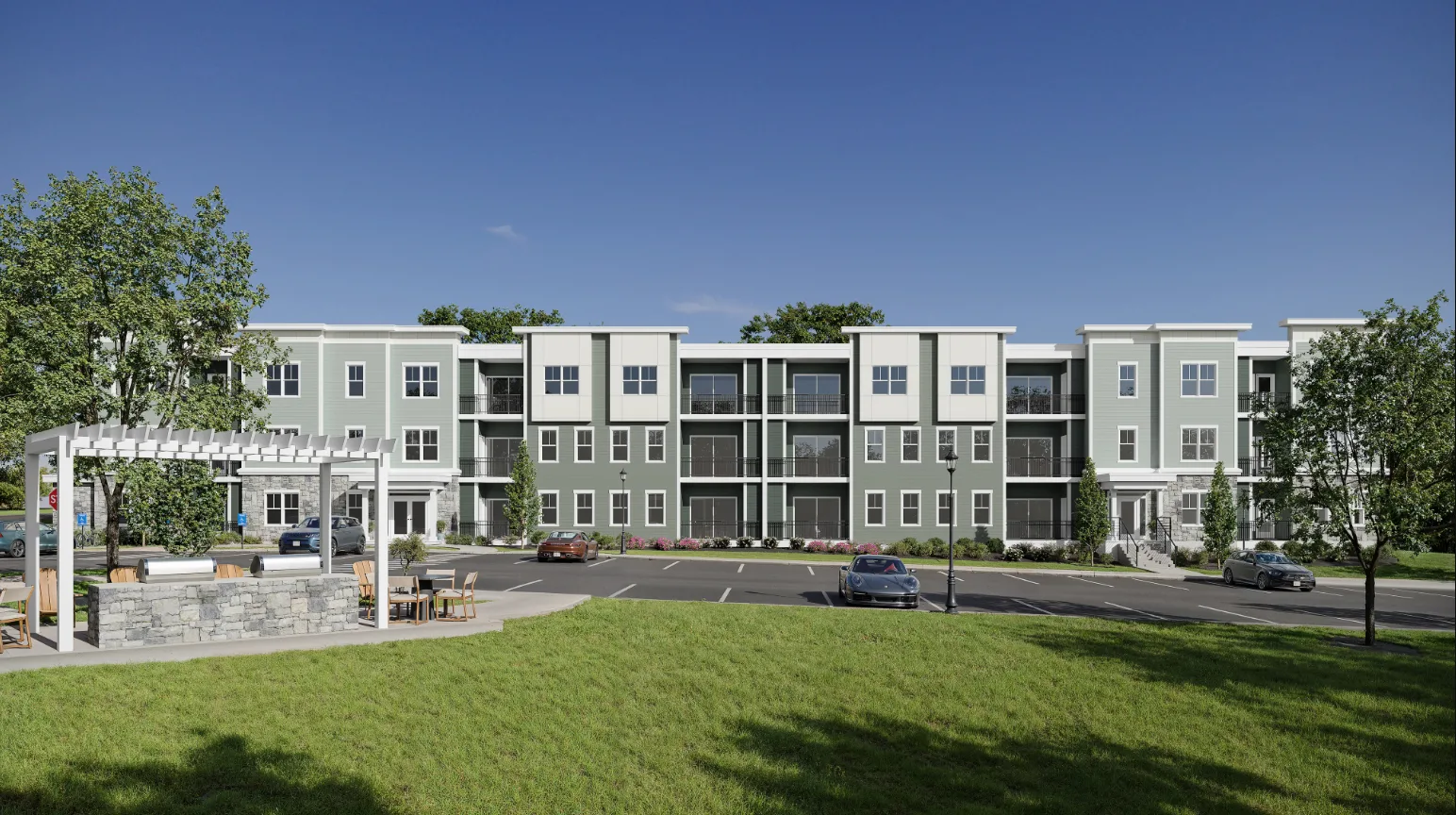
In markets driven by clarity and confidence, property CGIs have become indispensable. Their impact reaches far beyond aesthetics — they shape commercial outcomes.
Helping Buyers Visualize Off-Plan
Selling a property before construction begins presents a challenge unless potential buyers can vividly envision the outcome. CGI for property developers solves that problem. It transforms abstract architectural information into an emotional experience. Buyers can see how the kitchen will feel, how sunlight enters the living room, or how the façade looks from the driveway — all of which accelerate decision-making and increase conversion.
Supporting Planning Applications
Many authorities request visual materials to assess the impact of a proposed development. Real estate CGI is ideal for this because it shows masses, materials, context, and how the building integrates into the surrounding area. Street-scene composite CGIs and view-specific photomontages often make the difference in how planning committees perceive a design.
Improving Investor and Lender Communication
Investors want clarity and reduced risk. Realistic visuals provide both. A strong set of CGIs helps communicate the scale, design quality, and commercial potential of a development, often making presentations more compelling and credible. They also convey professionalism — a key advantage during early-stage funding rounds.
Accelerating Sales and Reducing Risk
CGI-driven marketing allows developers to launch earlier and sell faster. This helps:
- secure pre-sales and reservations,
- validate the project’s design direction,
- reduce the need for physical prototypes,
- streamline marketing workflows.
Integrating in-house CGI from the start reduces risk across the lifecycle, according to many developers.
Types of Property Marketing CGI
Different stages of development require different visual formats. The most common include:
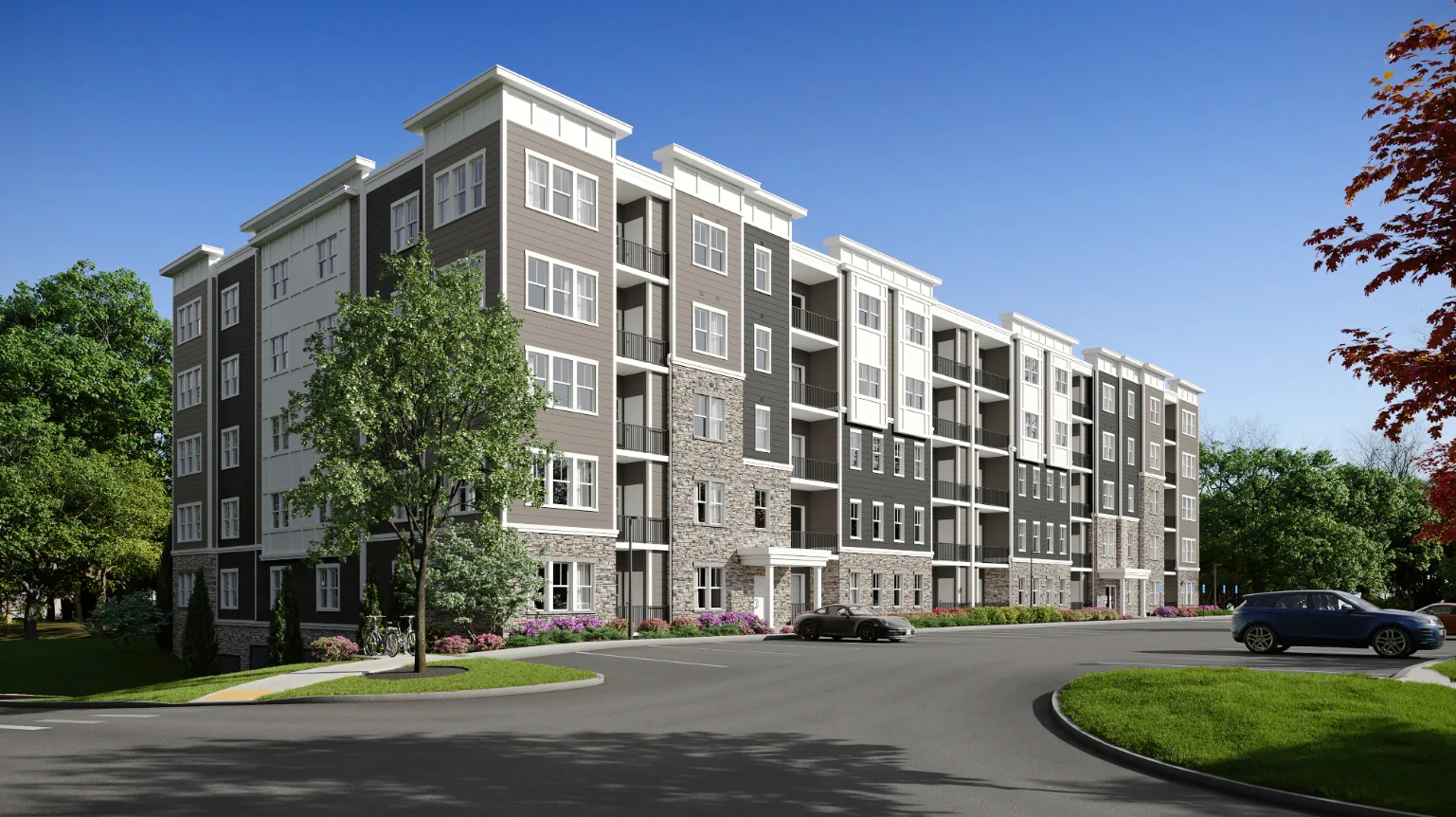
CGI Exterior Rendering
Highly detailed views of building exteriors showing materials, landscaping, and architectural proportions. Ideal for marketing and planning.
CGI Interior Rendering
Visuals showcasing room layouts, furniture, finishes, and lighting. Essential for off-plan sales and interior customization packages. ArchiCGI provides specialized 3D interior visualization to support this stage.
Street-Scene CGI
A sequence of buildings is shown within a streetscape. Often used for planning submissions and residential developments.
Photomontage / Composite CGI
Combines real photography with CGI to demonstrate how a new building fits into an existing environment.
Aerial CGI
Bird’s-eye views that reveal the overall development, landscaping, and site context.
3D Floor and Site Plans
Clean, readable layouts are used in brochures and sales centers. See a 3D floor plan rendering for reference.
How Property CGIs Are Made — Step-by-Step Guide
Producing a professional architectural CGI involves a structured workflow. Each stage impacts accuracy, quality, and delivery speed.
Step 1: Providing Drawings and Materials
Developers supply:
- CAD drawings (plans, elevations, sections),
- PDFs and specifications,
- material samples (brick, timber, render),
- interior finishes if applicable,
- landscape plans,
- preferred view angles,
- mood boards or visual references.
A strong brief ensures predictable timelines and a precise cost estimate.
Step 2: Creating the Architectural Clay Model
The artist constructs a clean, proportionally accurate 3D model based on the drawings. At this stage, there are no textures — only shapes and geometry. The clay model is crucial for verifying massing, roof forms, window placement, and structural details. Approval here prevents costly revisions later.
Step 3: Applying Textures and Materials
Materials bring the design to life. This step includes:
- using accurate brick or cladding textures,
- adding glazing details,
- landscaping elements,
- pavement and driveway materials,
- interior finishes (if required).
For planning visuals, material accuracy is especially important, as authorities often scrutinize these details.
Step 4: Setting Up Lighting and Environment
Lighting determines realism. The artist chooses acceptable daytime or evening settings, applies HDRI environments, balances shadows, and creates the overall atmosphere. This process determines the mood of the final image.
Step 5: Rendering the Final Image
Rendering is a technological process in which the computer calculates light, reflections, shadows, and texture behavior. High-quality settings may take hours to process, particularly for complicated landscapes or several camera perspectives.
Step 6: Post-Production and Enhancements
Final adjustments refine the image. Artists perform:
- color grading,
- sky replacement,
- addition of greenery, people, cars,
- depth and contrast adjustments,
- subtle atmosphere enhancements.
The result is a polished visual ready for marketing or planning purposes.
How Long Does It Take to Produce Property CGI?
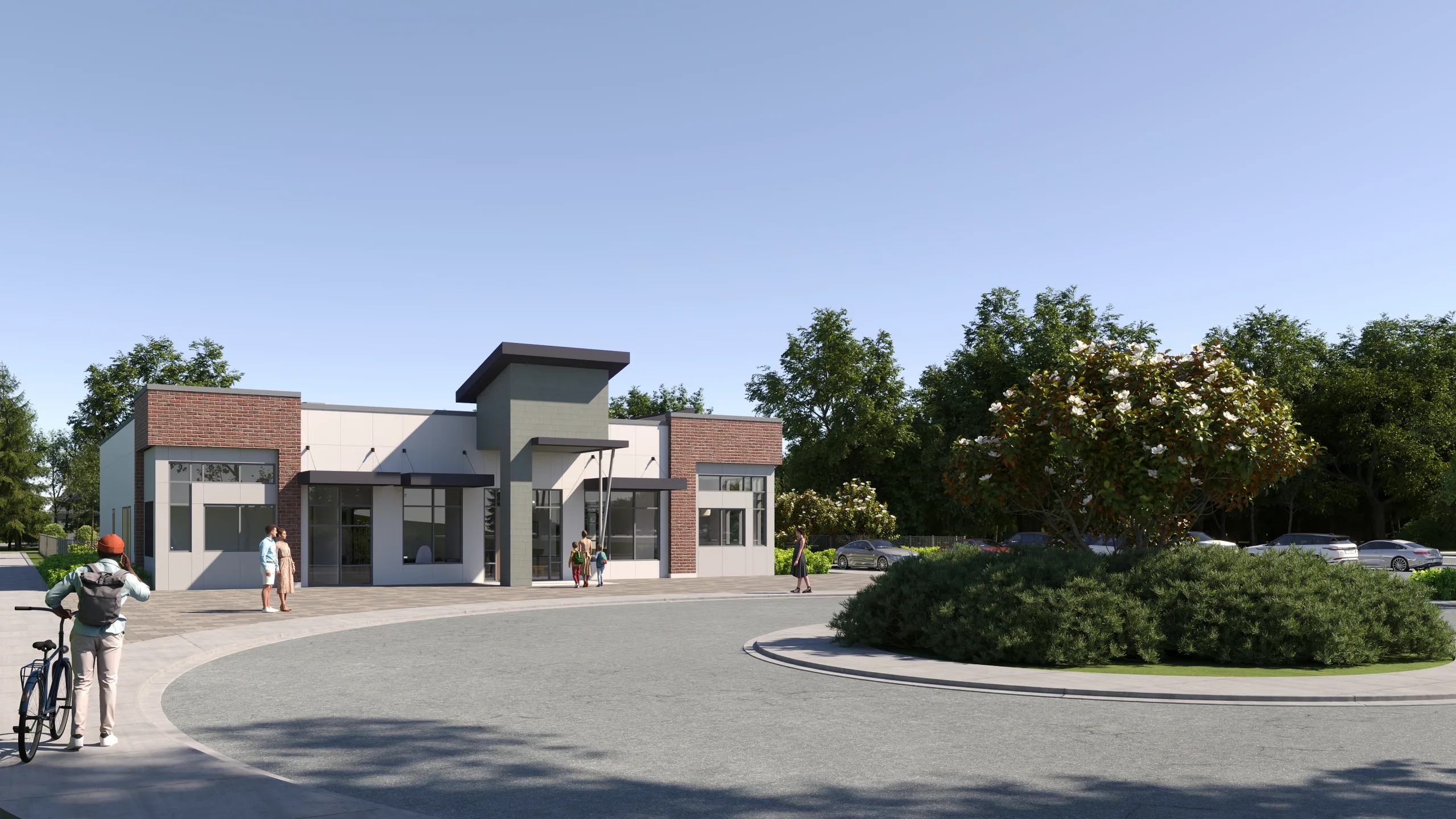

When it comes to architectural CGI, timing depends on the project scale and the clarity of the brief.
Timelines for Single Exteriors or Interiors
Most standard views require 7–14 days.
Timelines for Multi-Unit Developments
Developments with multiple house types or large sites usually take 3–4 weeks.
What Affects Delivery Speed
- quality of initial drawings,
- number of required views,
- complexity of landscaping,
- revision rounds,
- urgency and availability of assets.
Well-prepared briefs always shorten production time.
What Affects the Cost of Property CGIs?
Costs vary depending on the scope and complexity of the 3D property visualization. While prices differ across providers, the main factors remain similar.
Complexity of the Building
Detailed façades, complex roofs, or unique geometry require more modeling time.
Level of Detail and Landscaping
The more intricate the landscaping, the higher the cost.
Number of Required Views
Each additional angle increases production time.
Revision Rounds
Multiple revision stages extend both the schedule and the budget.
High-quality property marketing CGI is an investment, and going with a low-cost provider often leads to visuals that fail to convince planning committees or buyers.
How to Prepare a Strong Brief for a CGI Studio
A well-structured brief leads to better results with fewer revisions.
Files and Materials to Provide
CAD files, PDFs, specifications, finishing schedules, and landscape plans.
Choosing View Angles
Clear direction reduces guesswork and ensures the visuals fully support marketing or planning goals.
Specifying Materials and Finishes
If certain materials are undecided, the studio can provide alternatives — but clarity speeds the process.
Setting Expectations and Deadlines
A clear timeline helps align production schedules and prevents delays.
Common Mistakes Developers Make When Ordering Architectural CGI
- submitting incomplete drawings or missing material specifications,
- unclear or last-minute changes to design,
- choosing view angles too late,
- prioritizing cost over quality,
- lack of a single decision-maker on the client side.
Avoiding these issues ensures a smoother workflow and a more accurate final result.
Property CGI Trends for 2026 and Beyond
The next few years will bring significant innovation in how real estate CGI is created and used.
VR-Ready Property Assets
More developers are requesting VR-compatible models for immersive presentations.
Real-Time 3D Visualization
Technologies like Unreal Engine make it possible to explore properties interactively.
Improved Photomontage Accuracy
Higher-precision camera matching and AI-assisted masking deliver seamless composites.
Hyper-Realistic Landscaping
CGI greenery is becoming nearly indistinguishable from real photography.
These advancements are expanding how CGI supports planning, sales, and investor communication.
Schedule a free demo of 3D solutions for your business
Why Choose ArchiCGI for Property CGIs Production
ArchiCGI brings over 14 years of experience in architectural rendering, with more than 100 specialized artists and thousands of completed projects. The studio works closely with developers, architects, and agencies across Europe and the US, providing consistent quality, fast turnaround, and full support from initial brief to final delivery.
Services include:
- 3D exterior rendering services
- 3D interior visualization
- immersive 3D tours
- 3D floor plan rendering
- CGI animation for property projects
Whether you need planning visuals, off-plan marketing materials, or investor-ready presentations, ArchiCGI’s 3D rendering services deliver visuals that combine accuracy, atmosphere, and commercial value.

Valerie Adams
Blog Writer
Valerie is an editor and content writer. She used to work on news and entertainment TV channels and in a fashion & design magazine. In her spare time, she enjoys visiting foreign countries, art events, film and street dancing festivals.