


3D exterior rendering is the process of creating photorealistic images of a building’s outside appearance based on architectural plans and 3D models. It has become an essential tool for architects working on residential and commercial projects. Unlike technical drawings or verbal explanations, professional 3D architectural visualization shows clients exactly what the finished building will look like, from lighting scenarios and material choices to the overall aesthetics and surroundings. Today, 3D architectural exterior rendering is used across projects of all scales, from private homes to large commercial developments. By using exterior rendering services, architects can present their concepts in a way that is clear, convincing, and easy for non-specialists to evaluate.
In this article, ArchiCGI’s team shares 5 key ways exterior design 3D rendering helps architects improve client communication and deliver better project outcomes.
#1. CGI Shows Exterior Lighting Design Solutions

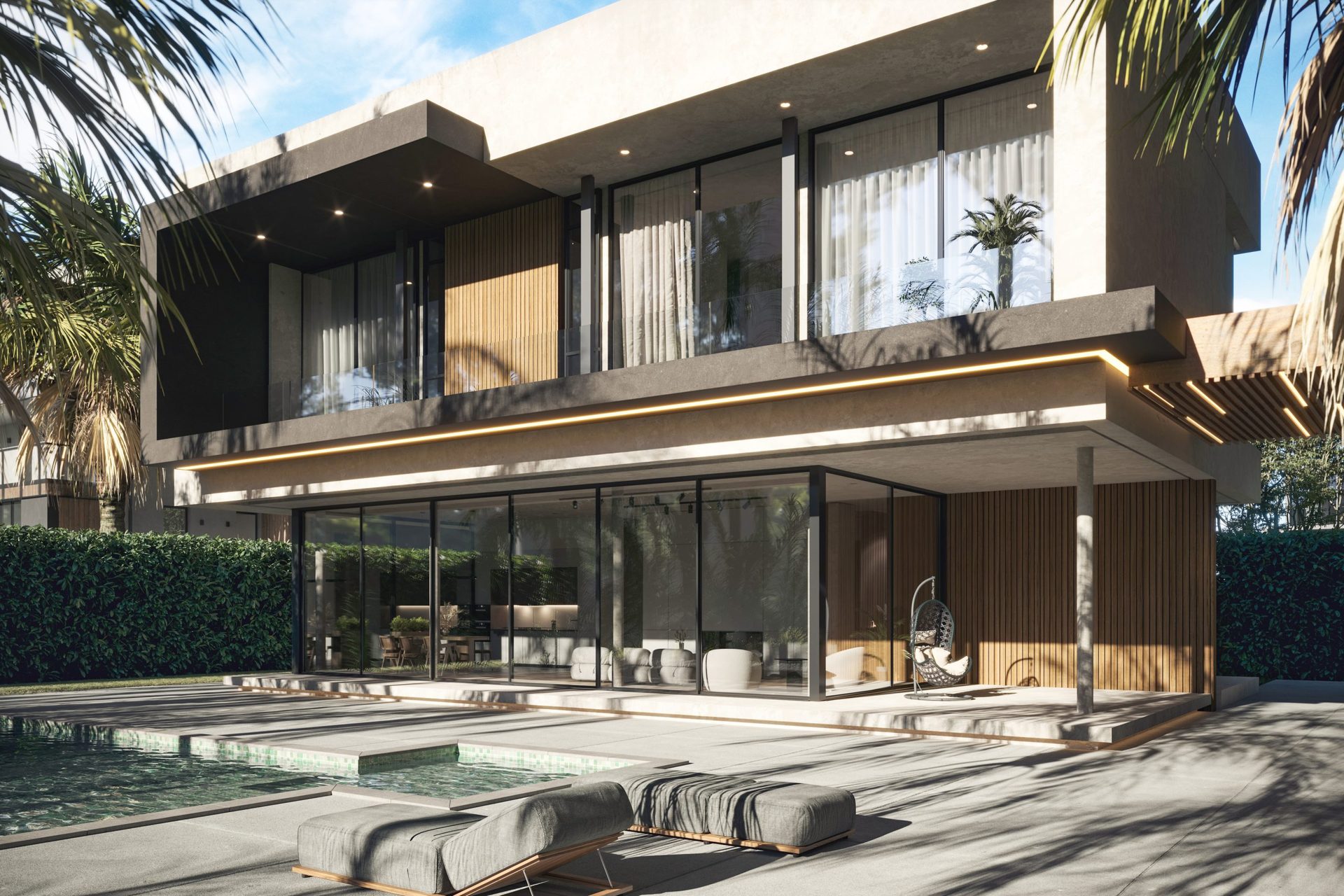
Realistic 3D renders showcase an exterior lighting system in full detail. Unlike drawings that only schematically indicate the placement of lighting fixtures, CGI can present every nuance of the most complex lighting solutions.
With residential exterior design 3D rendering, the viewer will see how every lighting system layer works. Ambient lighting appears as a soft, even glow that washes across the building’s facade and the surrounding landscape. It sets the overall mood for the property without drawing attention to any single element. Accent lights, on the other hand, are used to highlight specific architectural features. A textured stone wall, an arched entryway, a sculptural element in the garden can all be brought to focus with the right accent placement. Pathway lighting adds both safety and visual rhythm, guiding the eye along walkways, driveways, and garden borders.
3D visualization conveys the charming atmosphere created by LED deck lights, enchanting uplighting of garden statues, underwater illumination in swimming pools, elegant pathway and step lights. What is more, CG images allow the viewer to understand how all layers work together and what the outdoor lighting solutions look like at different times of the day.
This last point is particularly valuable. A single exterior project may require renders at golden hour, at dusk with pathway lights glowing, and at full nighttime with decorative and security lighting switched on. Day and night scenarios give the client a complete picture of how the outdoor space functions around the clock. For architects, this means fewer misunderstandings during the approval stage, faster sign-off on lighting plans, and a client who knows exactly what to expect once the fixtures are installed.
#2. 3D Exterior Shows Multiple Design Options
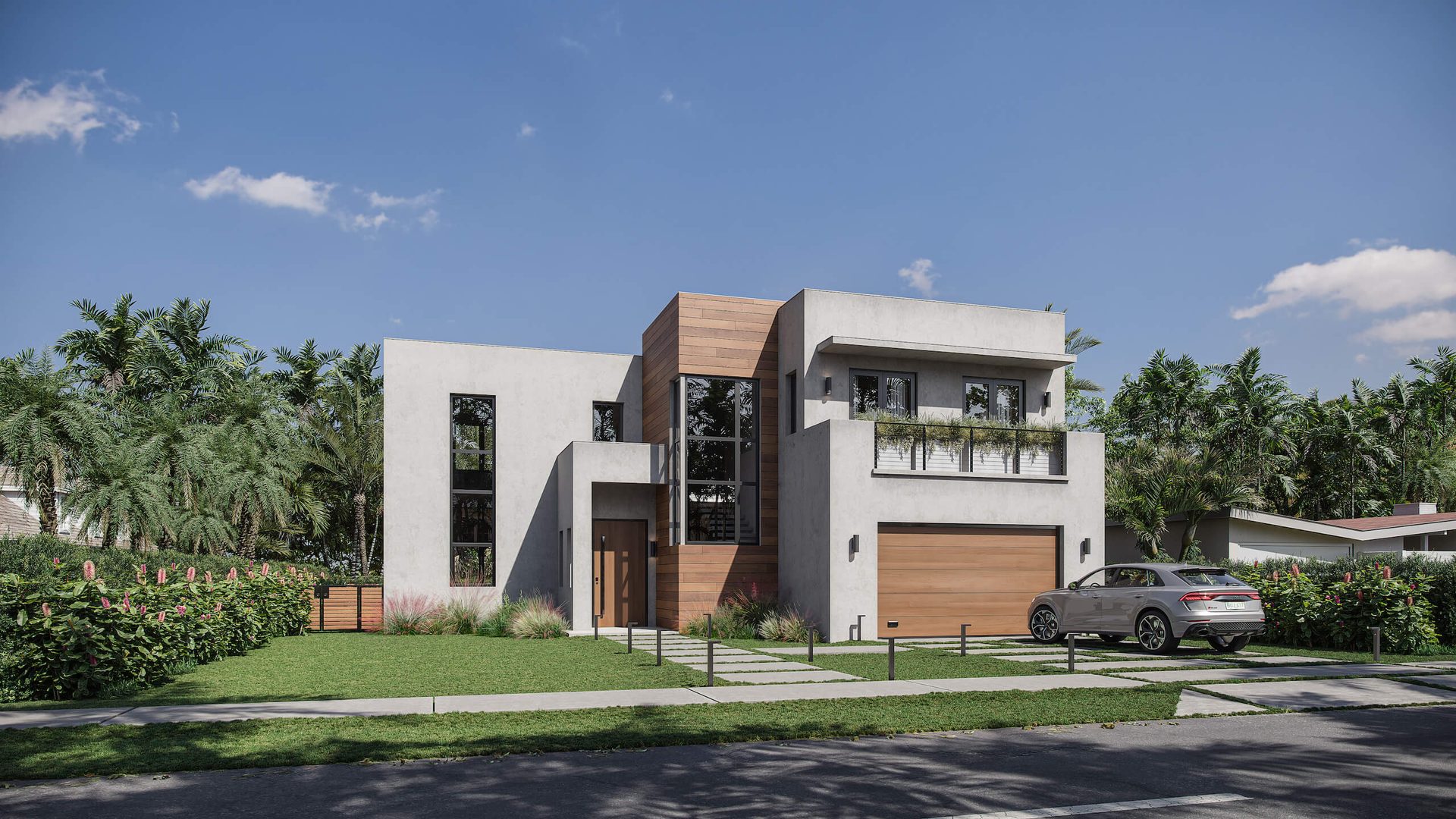
CGI comes in handy when the architect wants to present different options for the building’s exterior. Rather than asking clients to imagine variations from a material sample board, photoreal 3D architectural exterior rendering makes every option visible and easy to compare.
For instance, an architect may propose three facade treatments for a residential project: natural stone cladding, horizontal timber panels, and a rendered plaster finish. Each material changes the building’s character in a different way. With 3D exterior renders, the client sees exactly how. The same approach works for roof cladding, where standing-seam metal, clay tiles, and slate each create a distinct silhouette and texture. Window shapes and proportions can also be tested visually. Floor-to-ceiling glazing gives the building a contemporary look, while arched casement windows lend a more traditional character.
Photoreal 3D exterior design renderings can show textures and colors of every material choice, as well as their effect on the overall look of the building. The client sees how brick interacts with zinc detailing, how a dark-framed window grid contrasts against a light-rendered wall, or how a green roof integrates with the surrounding landscape.
With CG images, the viewers will see all options in photoreal quality, which will enable them to weigh the aesthetic, practical, and budgetary implications of each combination. Instead of relying on imagination or small swatches, they compare full-scale visual representations side by side. This way, making the final decision will be fast and well-informed. Clients who can see their choices clearly tend to commit with more confidence, and the architect avoids second-guessing after construction has already started.
Elevate your exterior design project with photorealistic 3D visuals that help clients confidently approve your proposals.
#3. 3D Exterior Design Conveys Aesthetics of a Dwelling
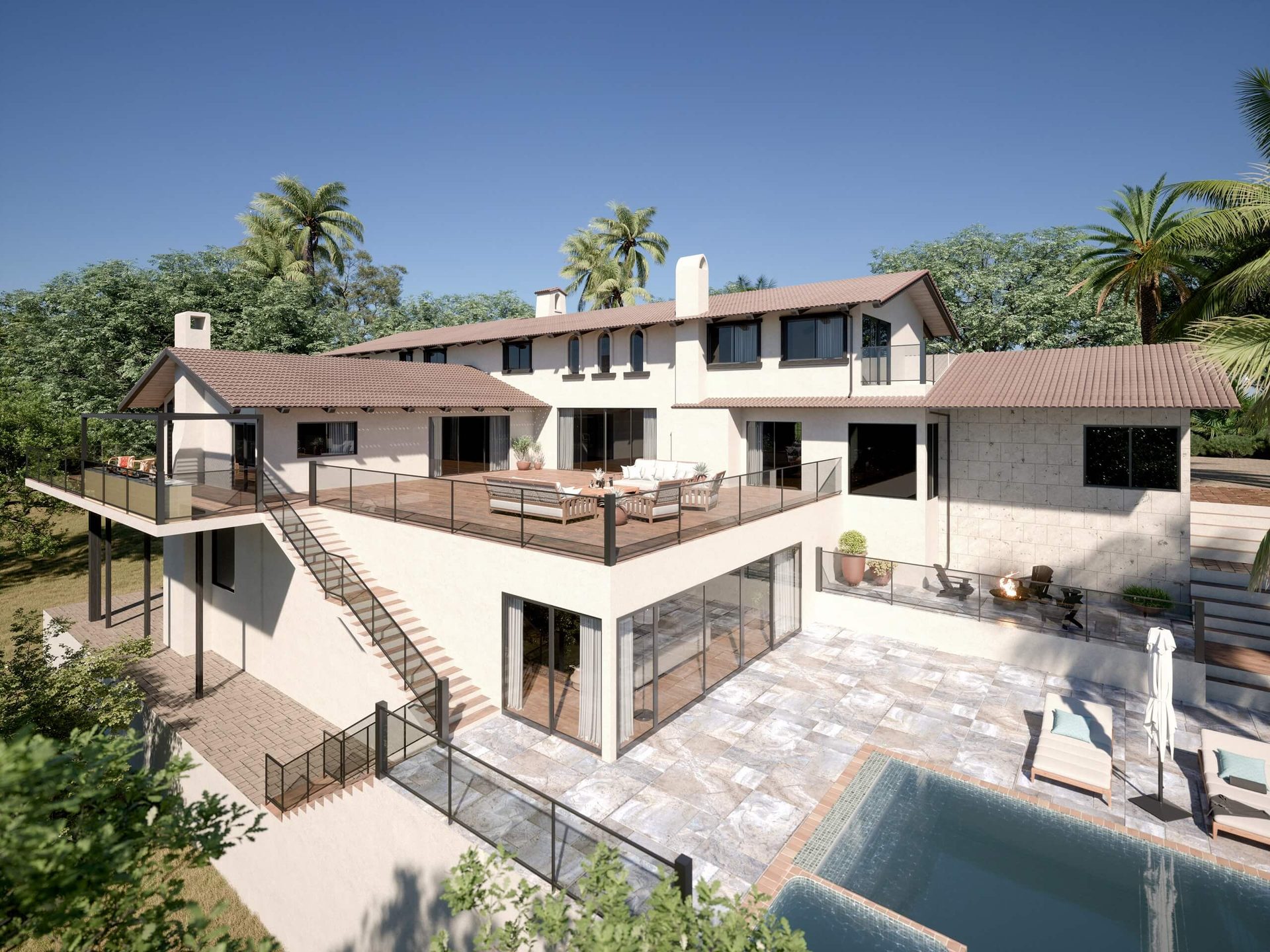
Neither drawings nor verbal explanations can help real estate owners to imagine the future building’s aesthetics. Meanwhile, it’s crucial that everyone involved in the design project have the same picture in their minds. Is it even possible to describe a house so that one could understand if they will like it?
With the advent of 3D exterior home design rendering, it becomes much easier. Computer-generated views show in photoreal quality what the soon-to-be-built dwelling will look like, placed within a realistic environment complete with landscaping, driveways, and neighboring context. In fact, a 3D render can showcase all features that define the project’s unique aesthetics: architectural style, building’s proportions, placement and shapes of doors and windows, decorative columns and arches, material transitions, and even how the structure sits on its plot of land.
This level of detail matters because aesthetics are subjective. What one client calls “modern and clean,” another might see as “cold and boxy.” When both sides look at a photoreal CG image rather than a set of lines on paper, they are looking at the same thing. The render becomes a shared reference point for all conversations that follow.
So, with exterior 3D visualizations the viewers can tell the architect if they like what they see or want to change something. They can point to specific elements instead of trying to put abstract preferences into words. This makes the feedback loop faster and more productive. It reduces the number of revision cycles and prevents late-stage surprises that push the project off schedule. For architects, it means less time spent explaining and more time spent designing.
#4. 3D Exterior Design Renders Allow for Timely Adjustments
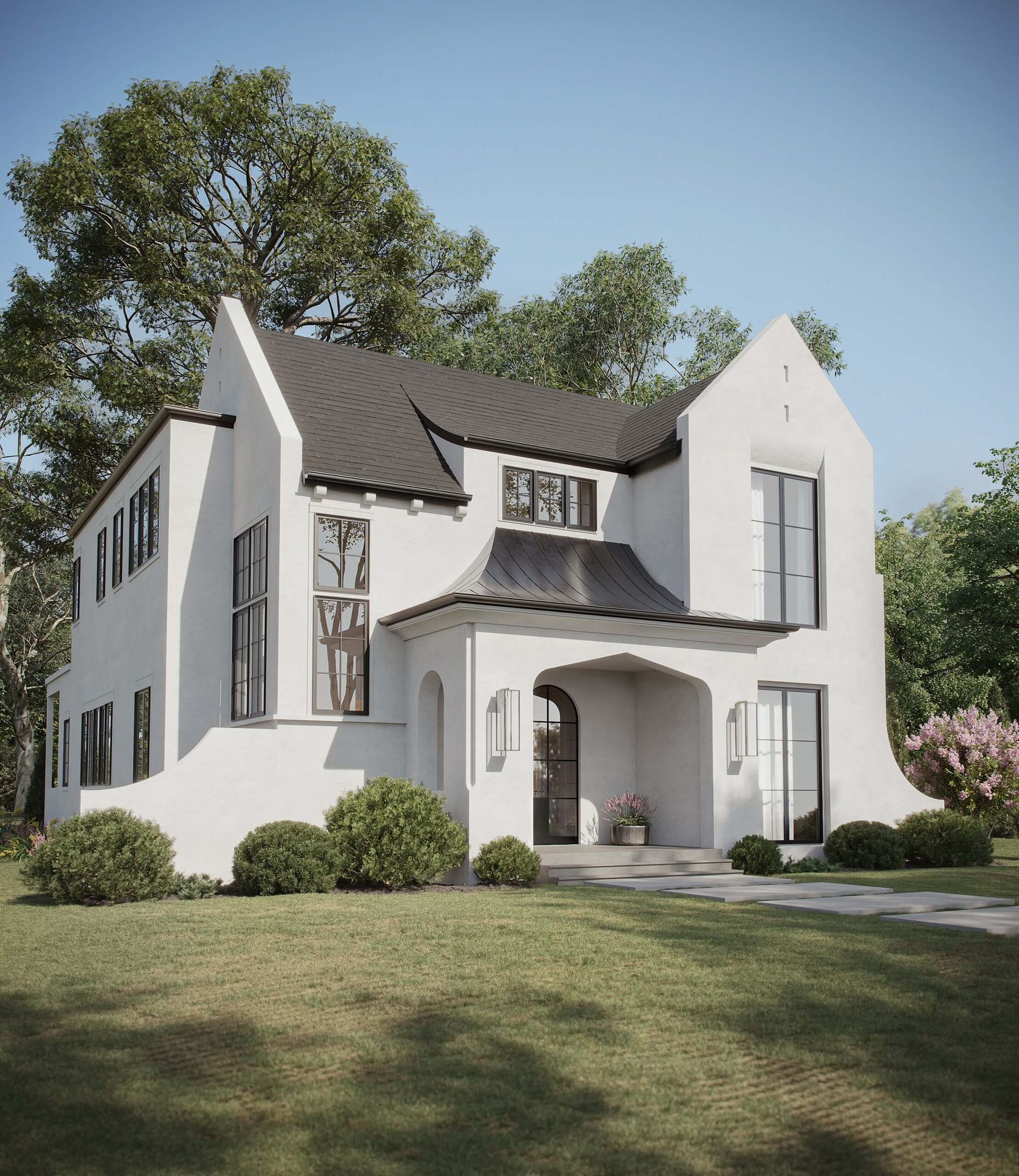
With the help of CG visuals, one can see the exterior design in photoreal quality before the construction even starts. So, if the shape of attic windows is not to the clients’ liking, they can let the architect know while the latter can make changes to the project. As a result, they will produce the design tailor-made for the future homeowners.
The financial difference between a revision in CGI and a revision on a construction site is worth noting. Adjusting a window shape, facade material, or roofline in a 3D model takes hours or days and costs a modest rendering fee. The same change during or after construction can mean reworking structural elements, reordering materials, and delaying the project schedule. Those costs add up quickly and put strain on the client-architect relationship.
According to the State of Architectural Visualization 2024-25 report by Chaos and Architizer, the majority of architects regularly deal with client revision requests as a routine part of their workflow. 3D exterior design rendering reduces the friction around these revisions by making design intent clear before construction begins.
A typical revision workflow with CGI works as follows. The architect submits initial exterior renders for review. The client looks at the images and identifies two or three elements they want adjusted, for example, a different balcony railing style and a warmer facade tone. The visualization team delivers updated renders within a short turnaround. The client reviews again, confirms approval, and the project moves forward with everyone on the same page. Compare that to discovering these preferences after concrete has been poured, and the value of understanding exterior rendering cost at this early stage becomes clear.
#5. 3D Exterior Rendering Is an Asset for Discussions
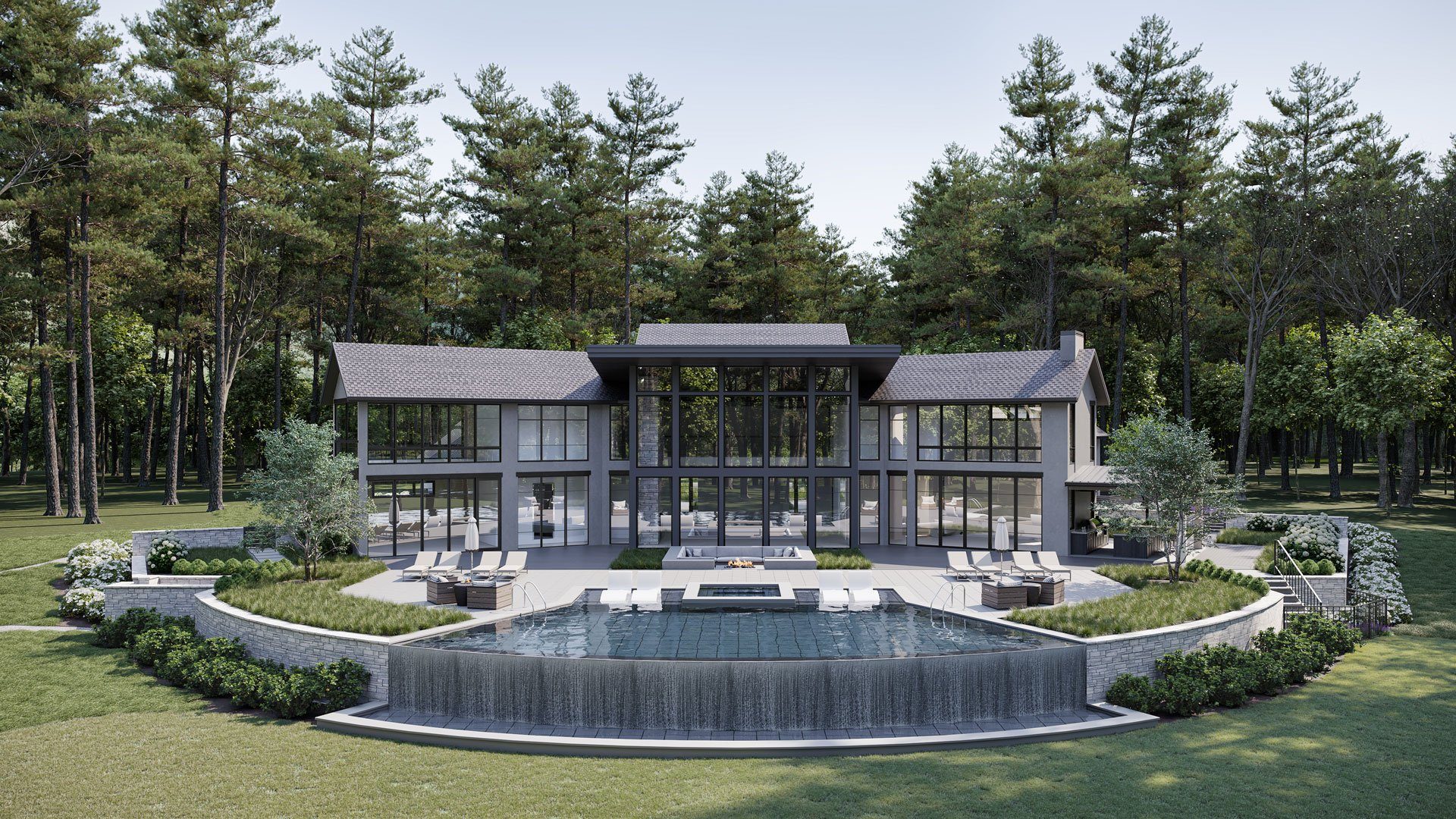
It happens that the client has an idea they absolutely want to implement in their house. Which is bound to look poorly suited to the rest of the design, but the homeowner refuses to believe anything against it. However, the chances that they will still like Greek columns on their modern house when they get them are slim.
Instead of wasting time on lengthy disagreements, all the architect needs to do is show the clients photoreal 3D exterior design renders demonstrating the exact project version they ask for. When the property owner sees the consequences with their own eyes, they will be more likely to change their mind. A photorealistic render replaces opinions with visual evidence. The conversation shifts from “trust me, it won’t work” to “let’s look at it together.”
This approach works in the other direction, too. Sometimes an architect proposes a design element that the client finds unfamiliar or risky. It could be an unconventional roof angle, an asymmetrical window arrangement, or a bold material choice. A 3D exterior render lets the client evaluate such ideas in full context rather than rejecting them out of uncertainty. In many cases, seeing the complete composition changes their mind in the architect’s favor.
Beyond the design phase, CGI also helps avoid conflicts after the project is completed. When there is an approved set of photorealistic renders on file, both parties have a documented visual reference for what was agreed upon. If a question arises about whether the final build matches the approved design, the renders provide a clear record. In any case, the client will not blame the architect for not explaining them the implications of what they asked for.
3D exterior design rendering gives architects a powerful way to communicate concepts, present options, and align client expectations before construction begins. From lighting scenarios and material choices to final aesthetics and revision management, CGI eliminates guesswork and reduces the risk of costly revisions. Want to learn more about the process? See the full exterior rendering workflow guide.
Want to learn how much your project costs? See how we evaluate 3D rendering projects
More Ways Exterior CGI Pays Off
The five benefits above are about the design process. A few more show up across project types:
- It calms client fears. A photoreal render answers the classic doubts upfront: what the result will look like, whether the work is worth the price, and whether the client will have a say in the process.
- It structures the project. Renders make goals, deadlines, budget, and feedback rounds concrete: comments point at an image instead of an abstraction.
- It builds trust before the contract. A portfolio of photoreal exteriors proves competence faster than any pitch and helps clients articulate what they want.
- It places the design into real surroundings. Montage over site photos shows the future building on its actual street, which settles the neighborhood-fit question.
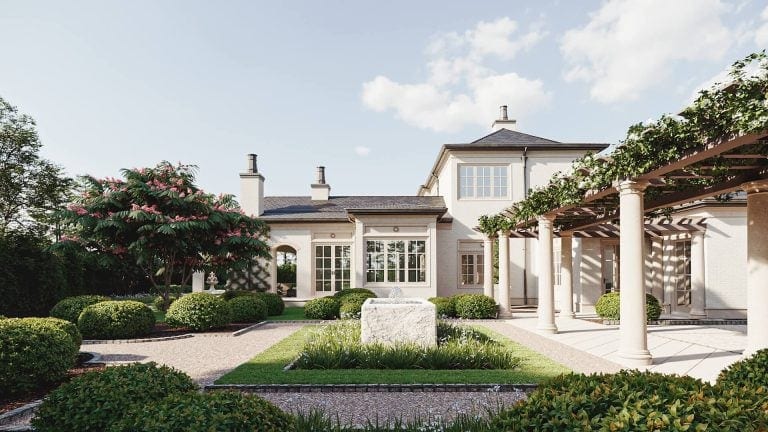
- It flatters traditional architecture. Symmetry, rich materials, and classic light scenarios are exactly what CGI renders best, so heritage-style residential projects gain the most.
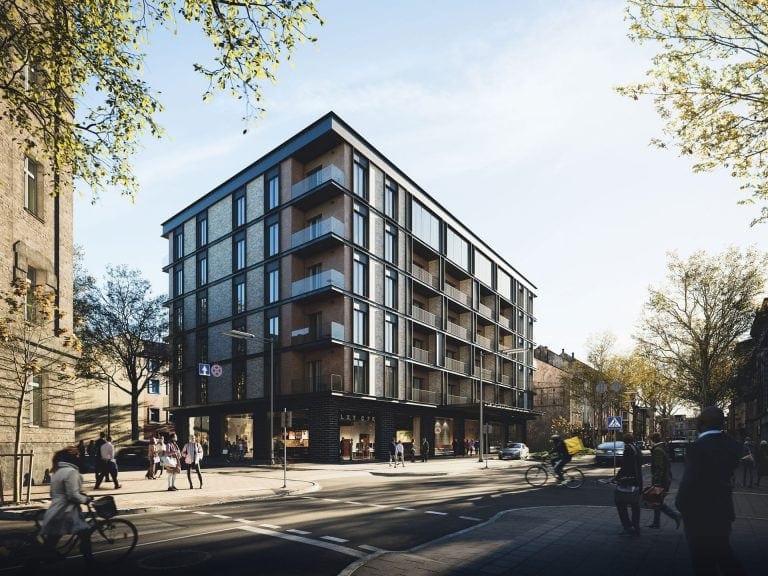
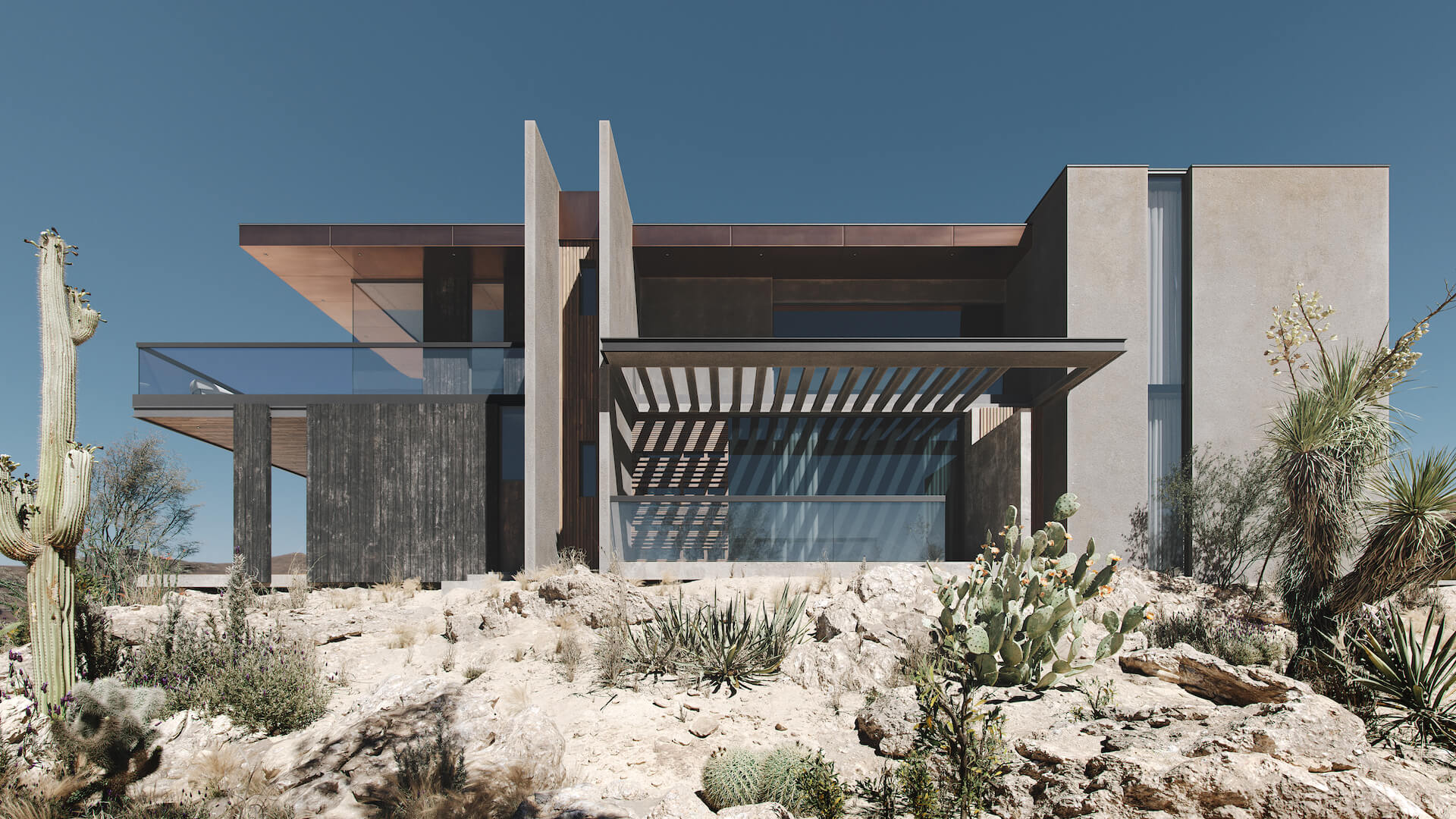
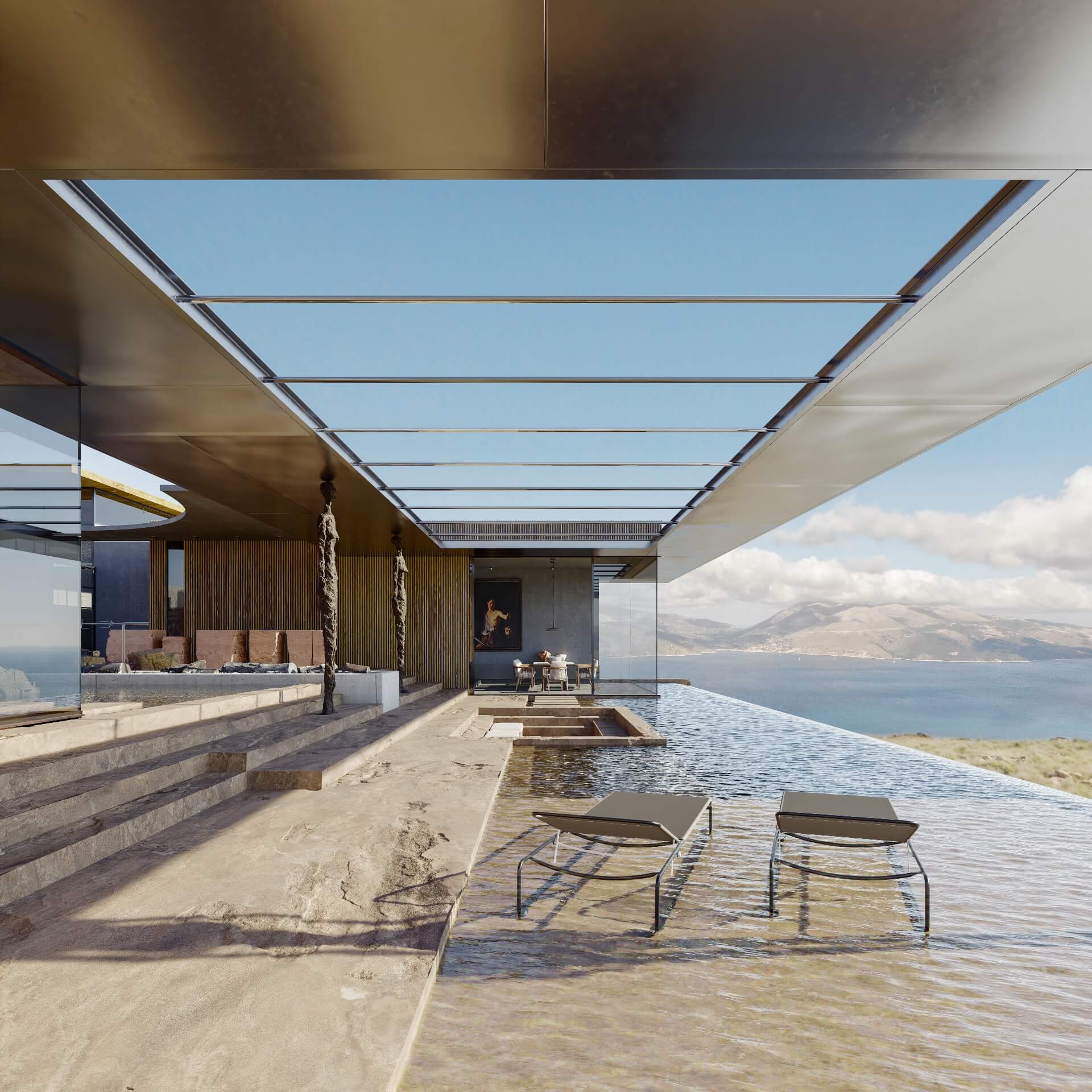
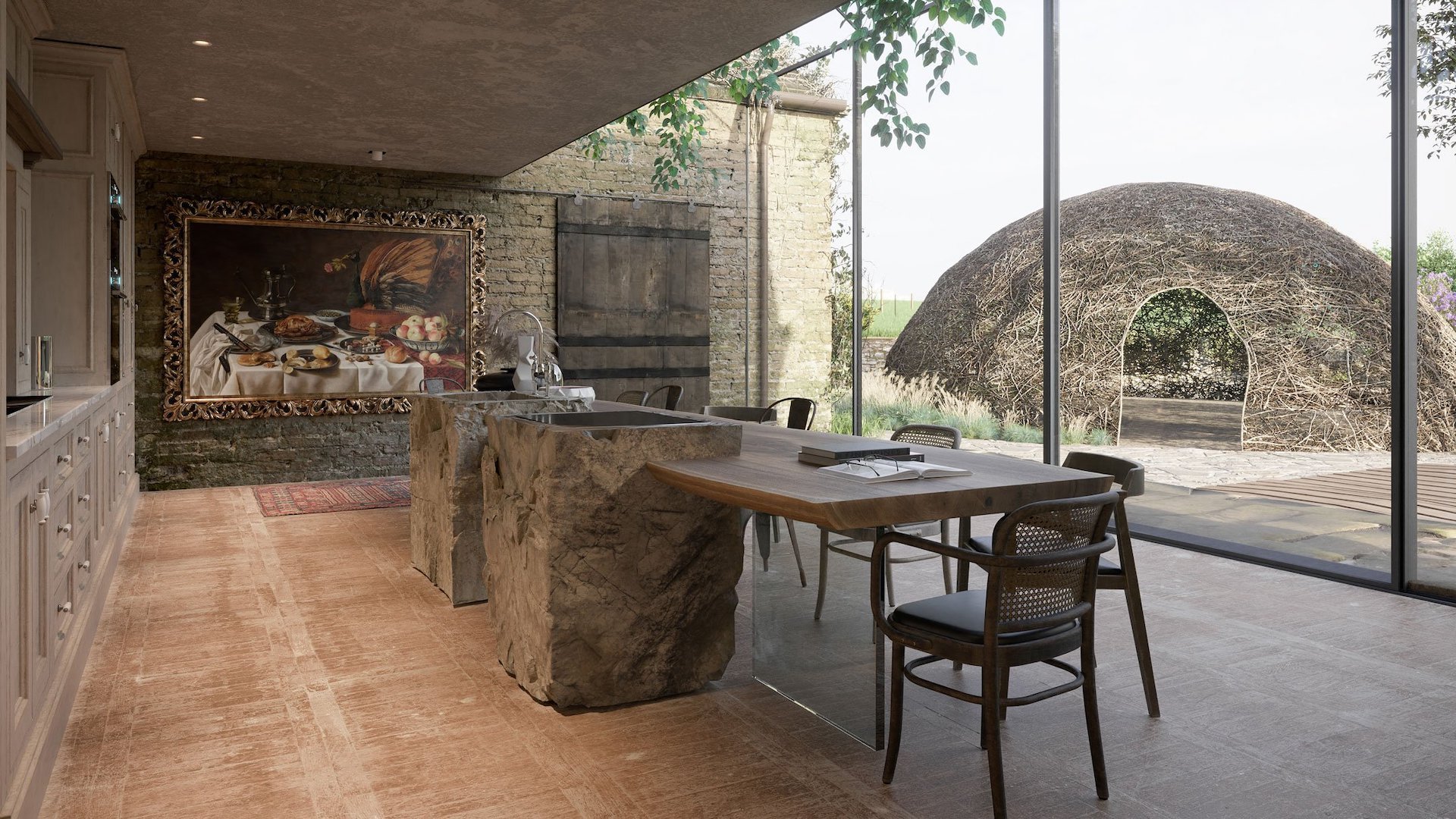
- It sells high-end lifestyle. For villas and premium homes, renders convey the owner’s way of living: scenery, materials, and atmosphere in one image, as in the examples below.
Related reading: landscape rendering projects and top examples of outdoor space renders.
Exterior Rendering for Architects: FAQ

Catherine Paul
Content Writer, Editor at ArchiCGI
Catherine is a content writer and editor. In her articles, she explains how CGI is transforming the world of architecture and design. Outside of office, she enjoys yoga, travelling, and watching horrors.


Comments
Ann
Alba
Irma Prus
Helen Flores
Irma Prus