

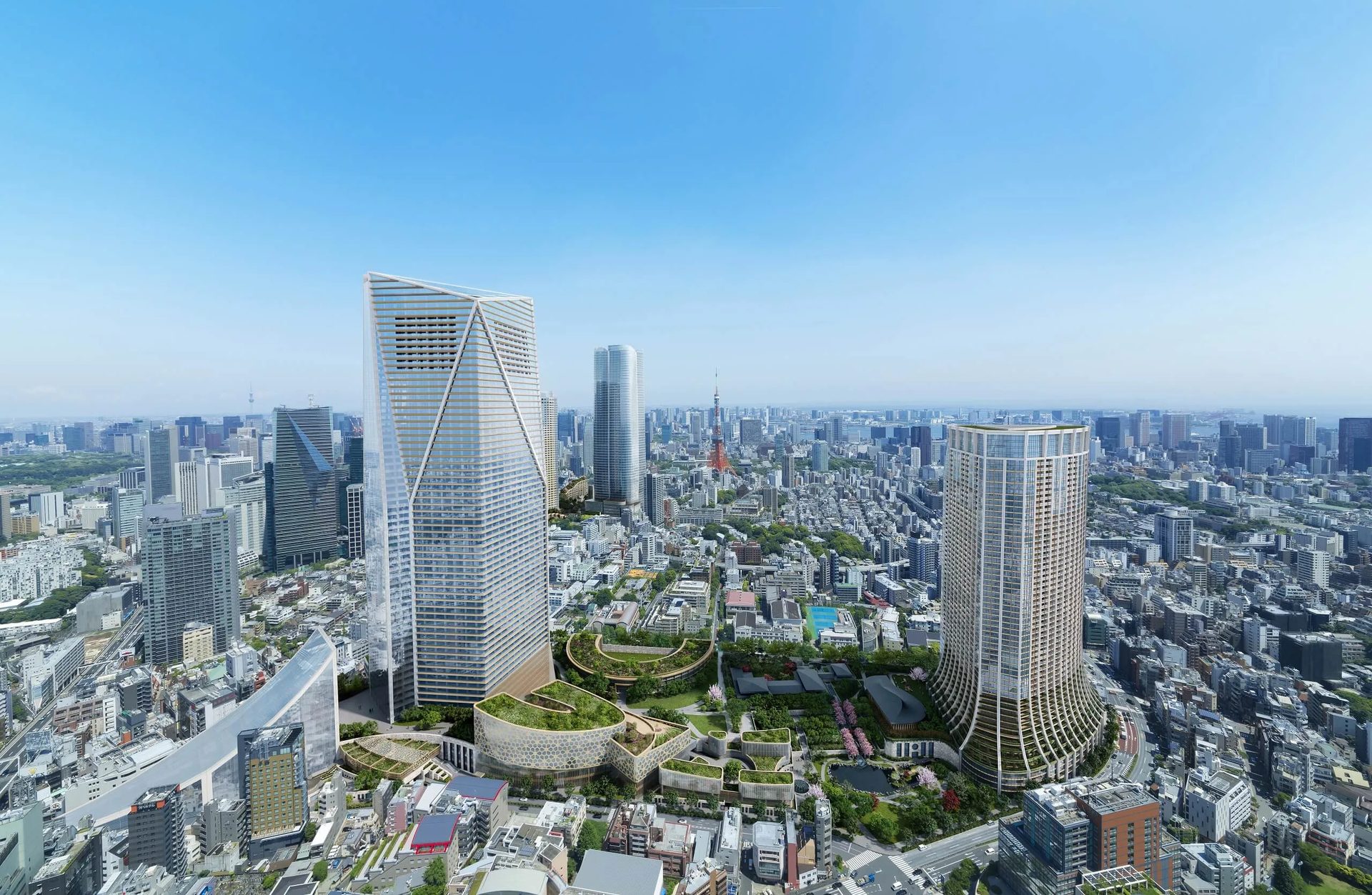
High-rise projects require a great deal of work to design. And, to demonstrate the result of all the efforts in the best light, an architect has to prepare a really outstanding presentation. Because that’s essential for convincing a client that a project in question is exactly what they are looking for. But how does one show all the intricacies of the design, the meticulously selected materials, and the carefully curated atmosphere of such a grand structure? As an architectural visualization company, we know the challenges architects face. And we provide the perfect solution for it — 3D skyscraper rendering.
With this tool, architects can get a great variety of static and animated visuals to showcase their high-rise concepts in full splendor. What is more, high-rise building rendering allows teams to cover every aspect of a project a client may want to explore. Want to know how that is possible? Read on and see for yourself!
#1. CGI Allows Showing the Design from Different Angles
First of all, let’s see what kinds of views an architect can get with 3D rendering to present a skyscraper project. There are street, aerial, worm’s-eye, and close-up views. Each of them serves a particular purpose by highlighting a certain aspect of the design, such as height, shape, materials, and so on. Now, let’s take a closer look.
Street View Skyscraper Rendering Provides Casual Real-Life Context
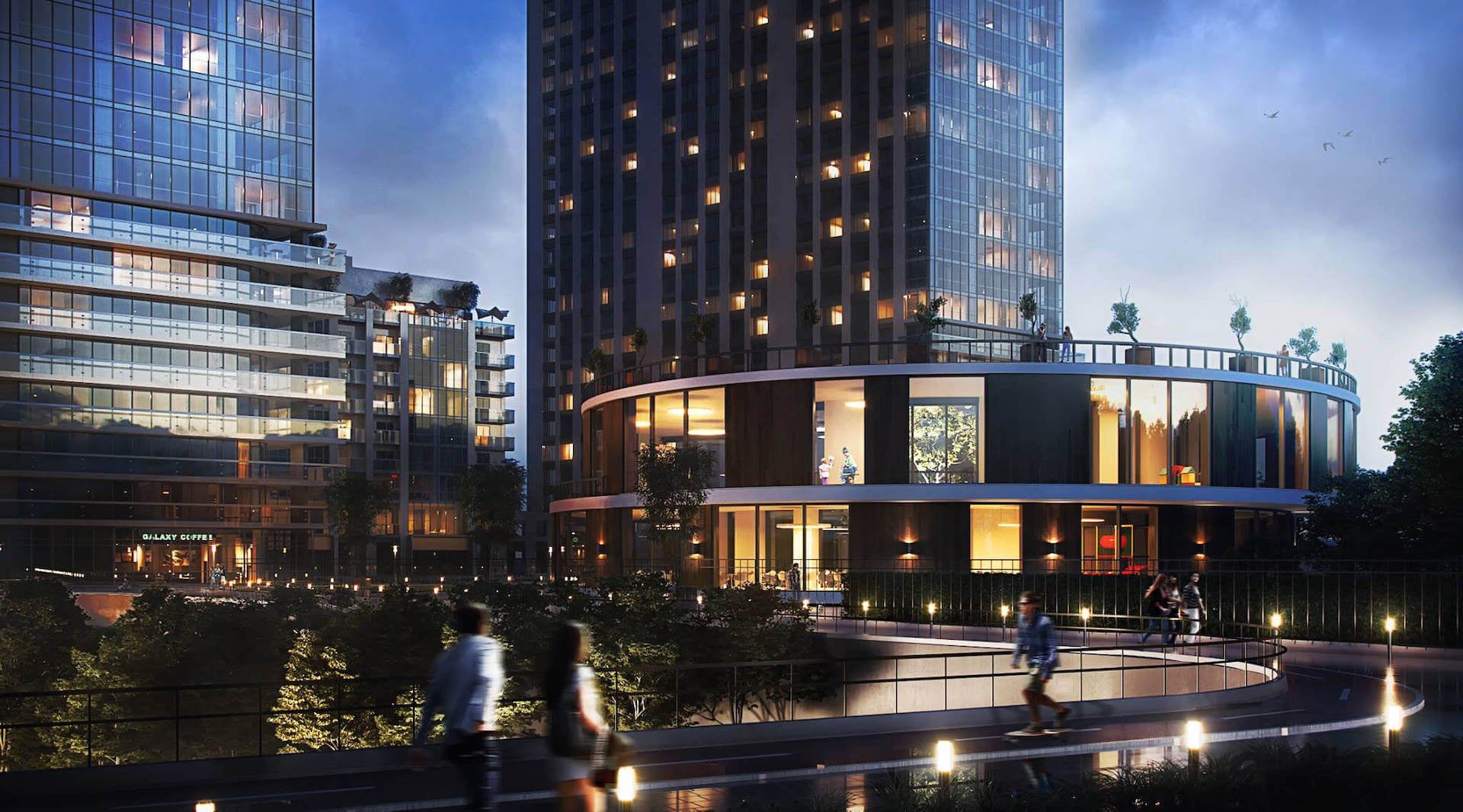
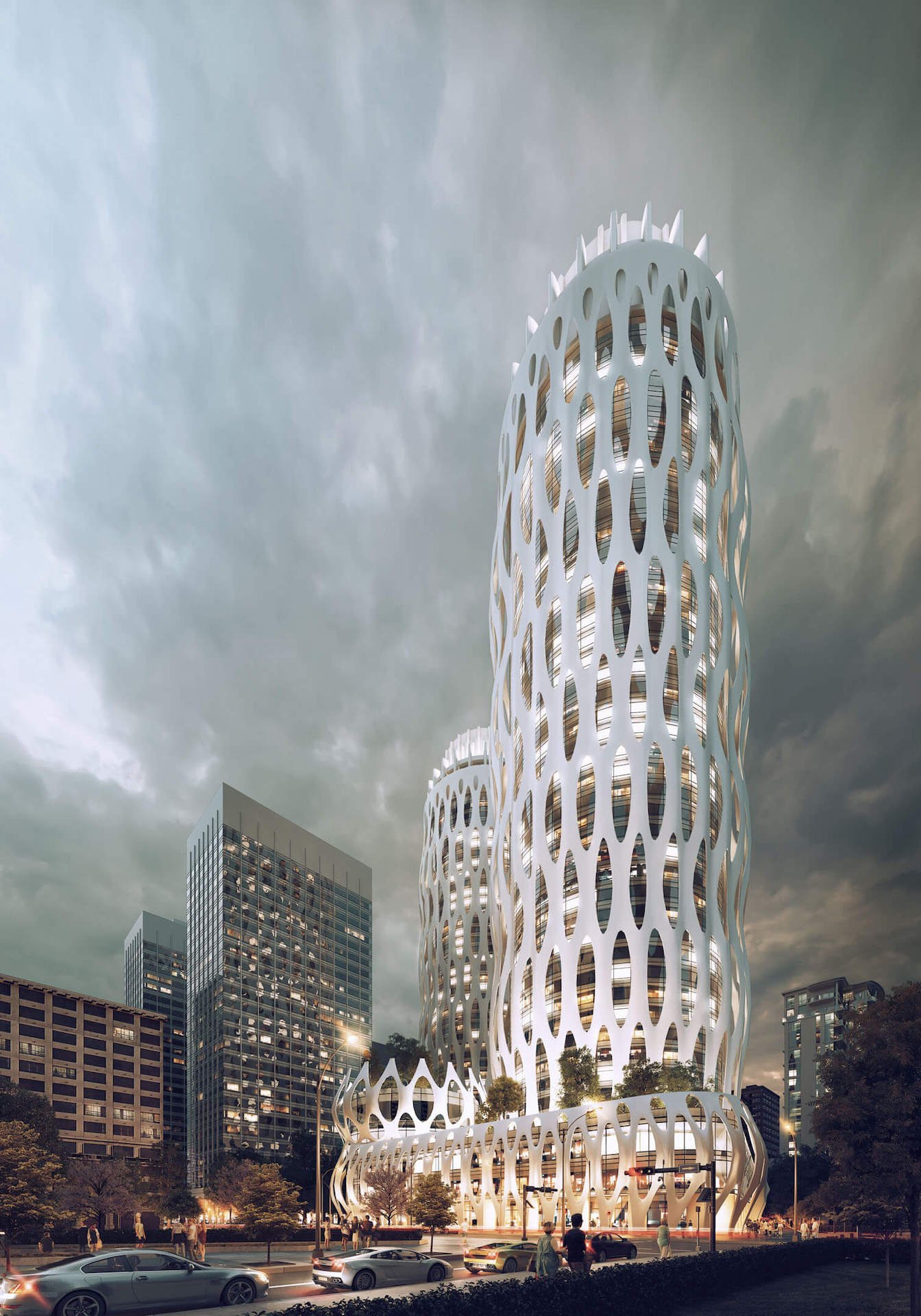
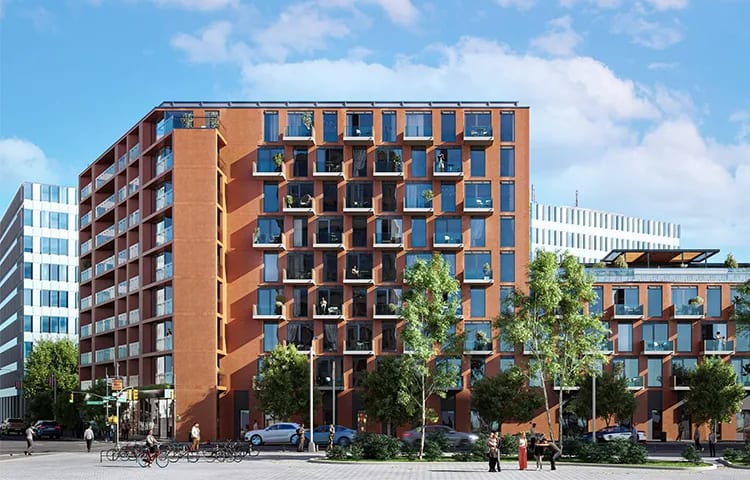
This type of 3D rendering is a view from the eye level of a person in the street. It shows how people will see the building when passing by or coming up to enter it. That gives the client the necessary visual context to understand what the skyscraper will look like to its visitors or inhabitants.
Aerial View Helps to See How the Future Building Works with Its Surroundings
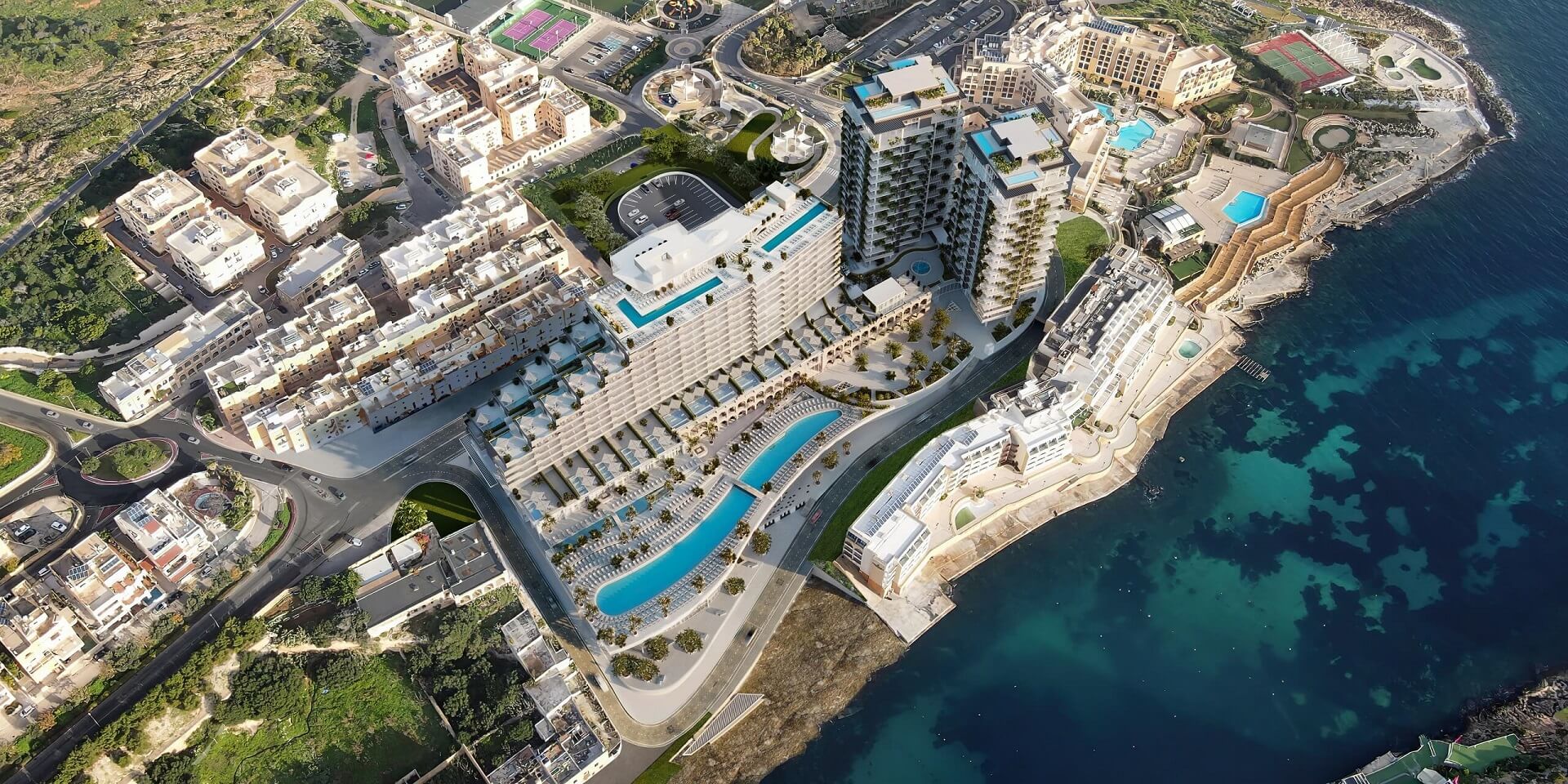
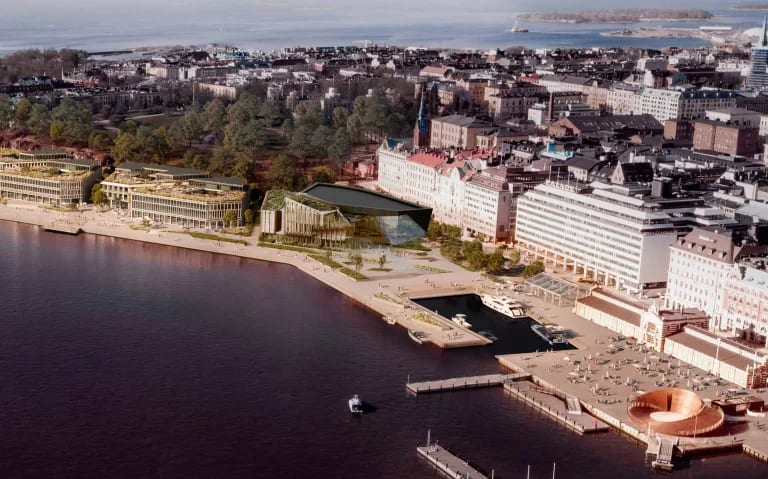
Bird’s-eye or aerial rendering shows the skyscraper at full scale from a distance, along with its surroundings. Looking at this kind of CGI, one can easily tell if the concept is in harmony with its environment. Or, on the contrary, if it stands out enough — whatever the goal of the project might be. Such CG images are extremely useful when the skyscraper is to be built in an area with strict architectural design regulations. Because, in this case, there’s no better way to prove visual compliance than by presenting photorealistic CGI.
See how aerial rendering reveals a project’s scale and impact

Worm’s-Eye View Allows for Appreciating the Size of the Future Structure
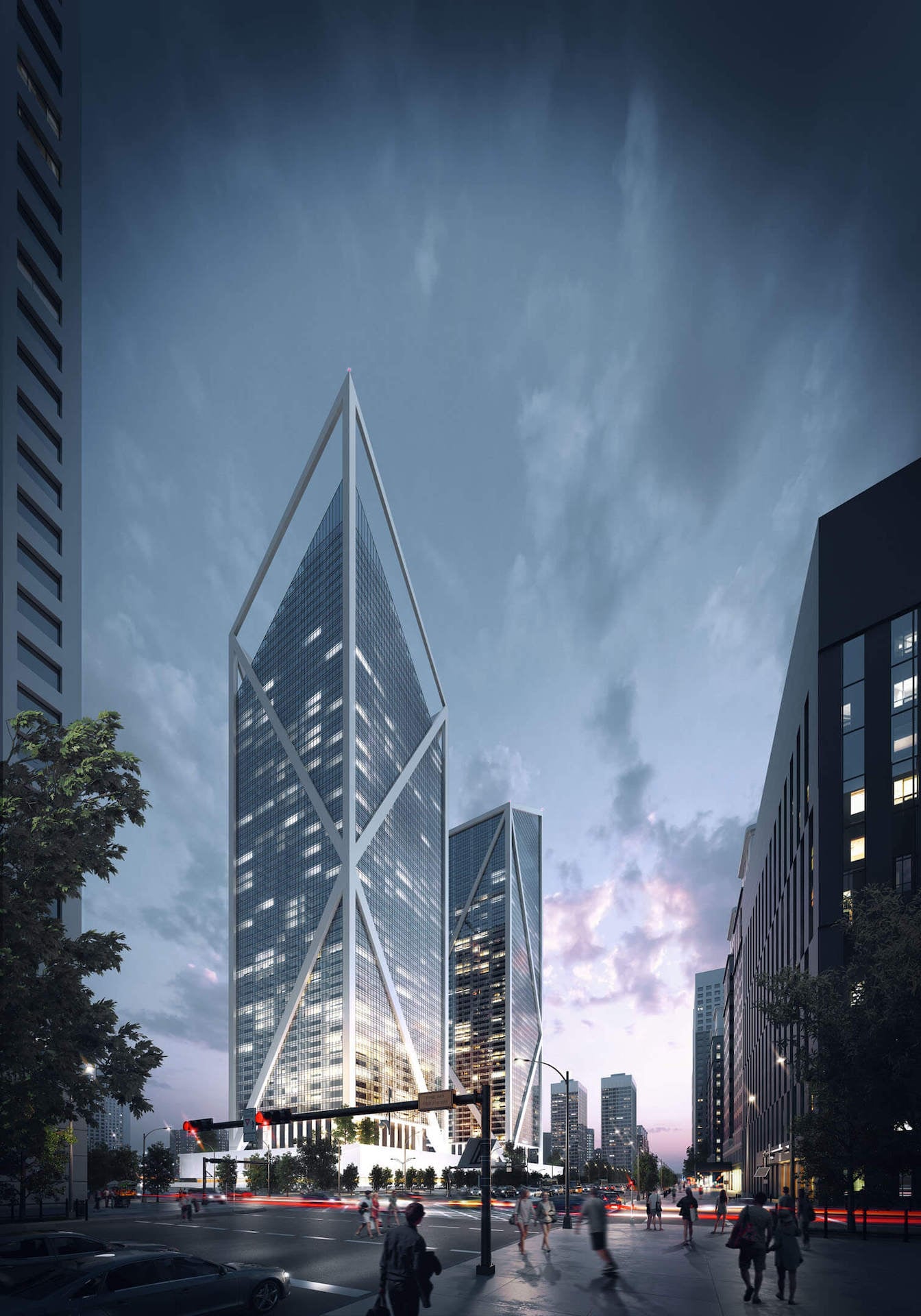
A worm’s-eye view is the direct opposite of the previous one. It demonstrates the skyscraper from below as if the viewer was observing it from a very low angle. It’s absolutely perfect for showcasing high-rises, as it accentuates their height, which is their main distinct quality. For instance, see just how impressive the building looks in the 3D rendering above! CG images like that have the power to melt a client’s heart right away.
Close-up View Showcases the Design and Materials In Detail
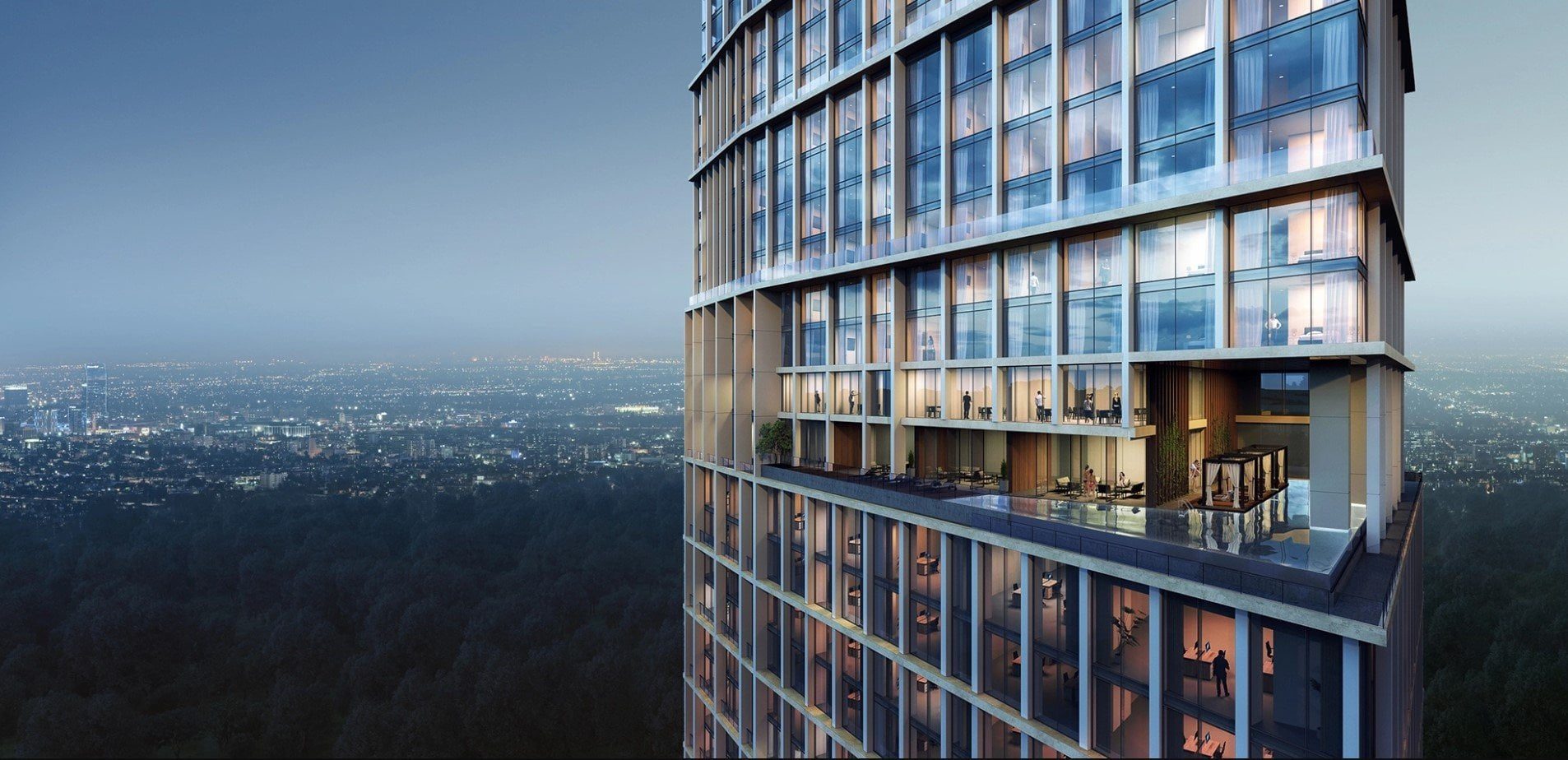
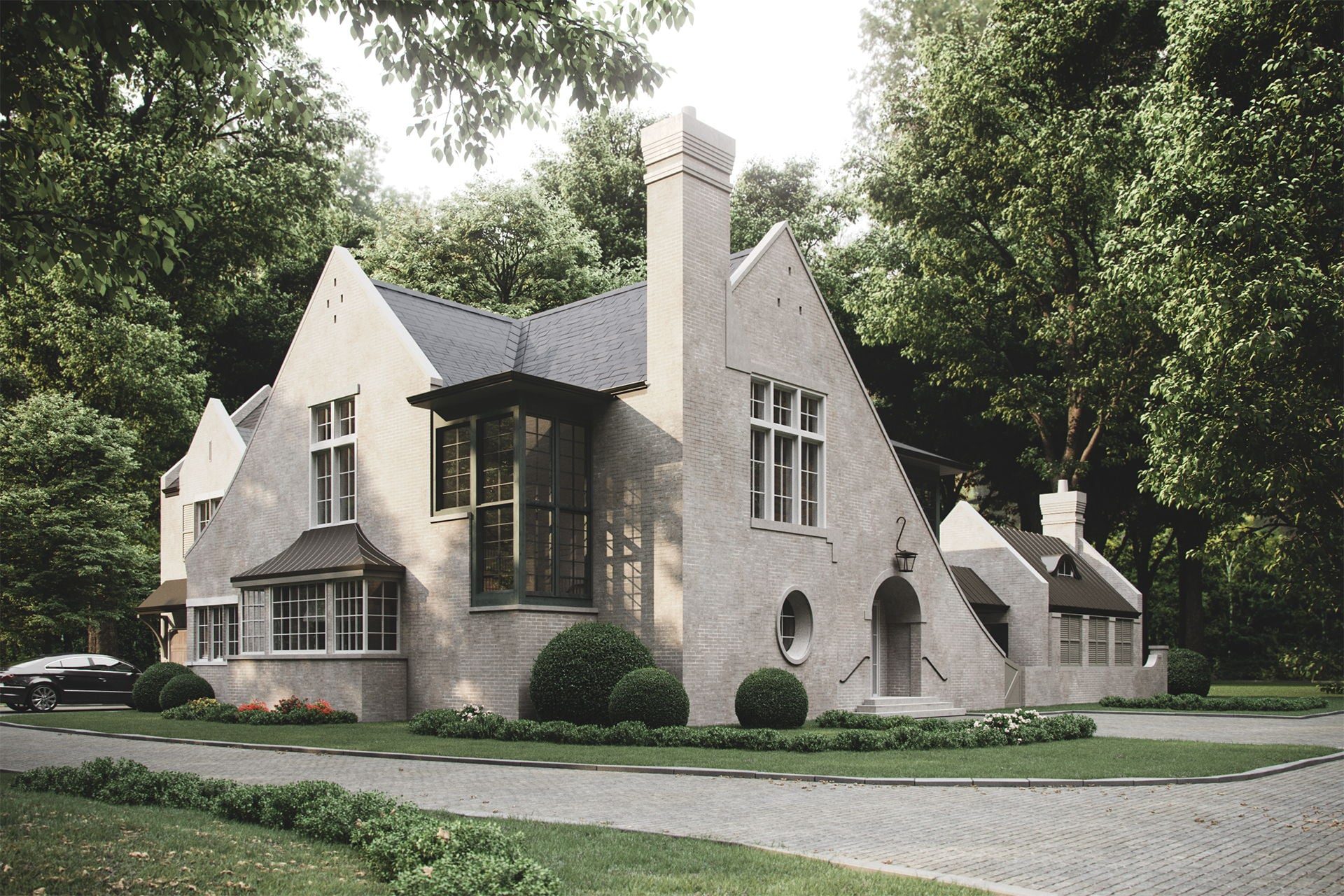
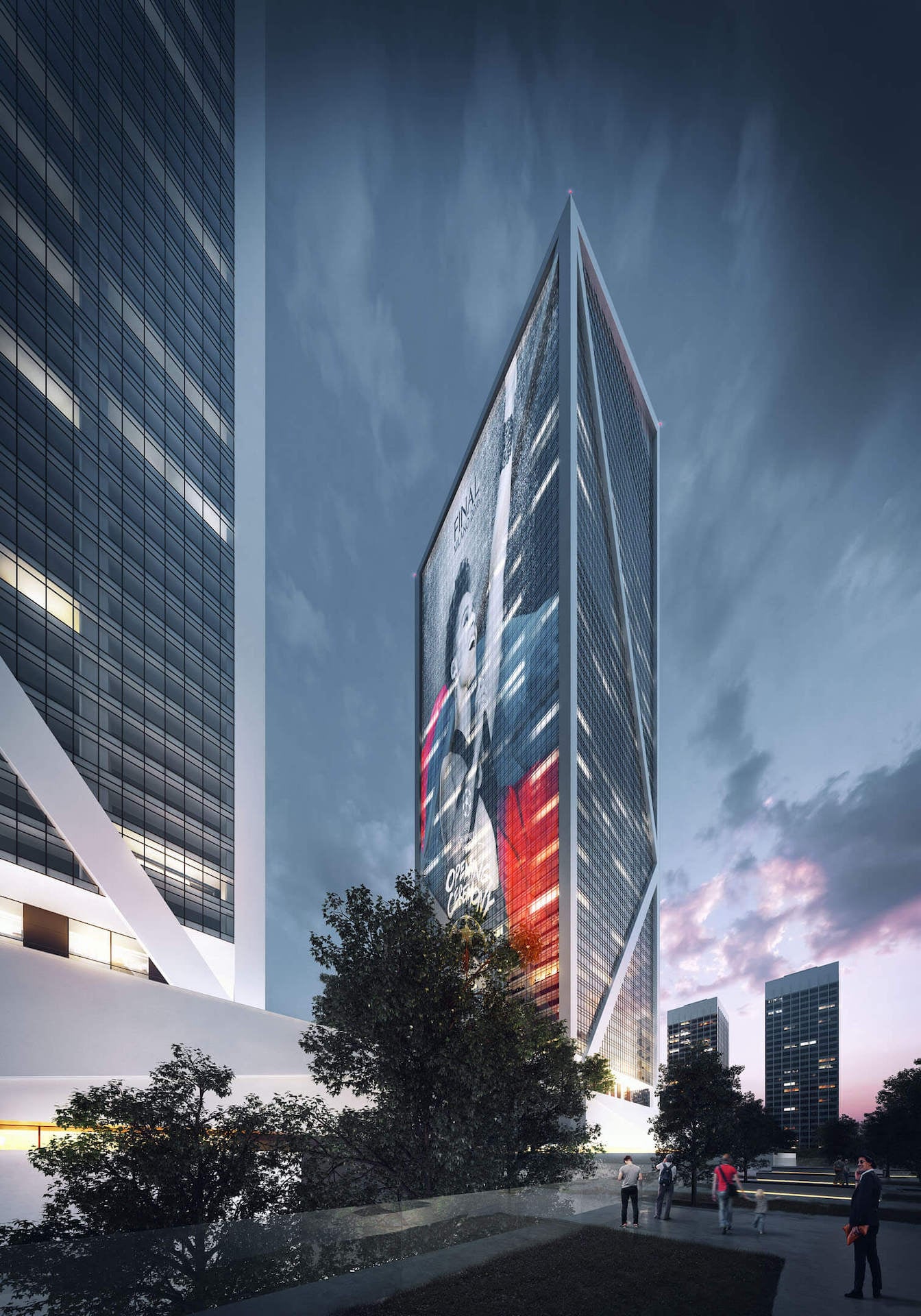
A close-up view allows one to zoom in on the details and show such aspects of skyscraper design as panoramic windows, balconies, terraces, and so on. Furthermore, with a close-up high-rise 3D rendering, an architecture professional can demonstrate in detail the quality materials they’ve chosen.
A detailed view of the façade allows one to focus on the visual behavior of glass surfaces and show such aspects of skyscraper design as reflections, transparency, and the interaction with the surrounding environment. Furthermore, with a high-rise glass façade rendering, an architecture professional can demonstrate in detail how the building will appear under real lighting conditions, including daylight and artificial illumination. This way, the client will be able to clearly understand the intended look of the façade and make more informed decisions regarding the project.
Elevate your exterior design project with photorealistic 3D visuals that help clients confidently approve your proposals.
#2. CGI Helps to Demonstrate the Interior of the Future Building
The interior of a skyscraper is as important as its exterior. Therefore, one shouldn’t hesitate to use professional 3D interior rendering to take that concept presentation to the next level. In fact, interior 3D rendering services can provide everything from still visuals to interactive tours. Moreover, one can use photorealistic 3D walkthrough animation to reveal the interior design in an even more impressive, dynamic way. It will make the client feel as if they were walking through the building themselves. And that’s an extremely valuable experience, considering that the place only exists on drawings at that moment.
#3. Skyscraper Rendering Shows Lighting


Now, we all know that lighting significantly affects our perception of architecture in the evening and at night. It is especially important in the case of such massive structures as skyscrapers that always have complex, meticulously planned exterior lighting systems. So, naturally, it’s crucial for an architect to show the client every aspect of illumination design.
Here, another great power of 3D rendering lies in the ability to showcase objects at different times of the day. Using dusk and nighttime skyscraper renders, an architecture specialist can demonstrate all lighting solutions in great detail. Needless to say, this kind of visual aid is tremendously helpful in presentations.
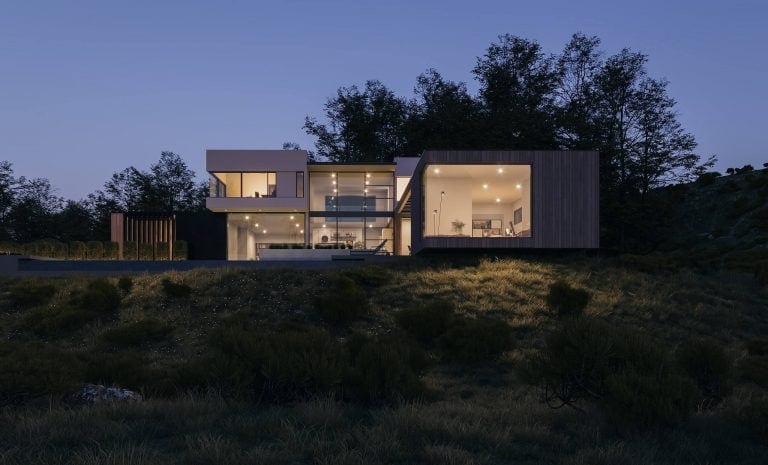
Lighting choices in high-rise architectural rendering can be shaped around specific visual goals, and color temperature is one of the first decisions worth making. Warm interior lighting in the 2700–3000K range produces a yellow-toned glow through windows that reads as occupied and lived-in, making the building feel residential or hospitality-oriented. Cool interior lighting between 4000–6000K does the opposite — the neutral to blue tone it introduces suits corporate and office environments far better.
Exterior treatment follows its own logic. Façade accent lighting uses directed sources to bring out columns, edges, and surface textures, which improves how materials read and reinforces design intent. Vertical strip lighting, typically integrated into the structure itself, pulls the eye upward and strengthens the building’s presence within the skyline. Crown or rooftop illumination works at the top of the form — it sharpens the silhouette and makes the tower recognizable from a distance.
Contextual ambient lighting rounds out the scene. Light sourced from surrounding streets and neighboring buildings grounds the skyscraper in a believable environment and keeps the overall image visually coherent.
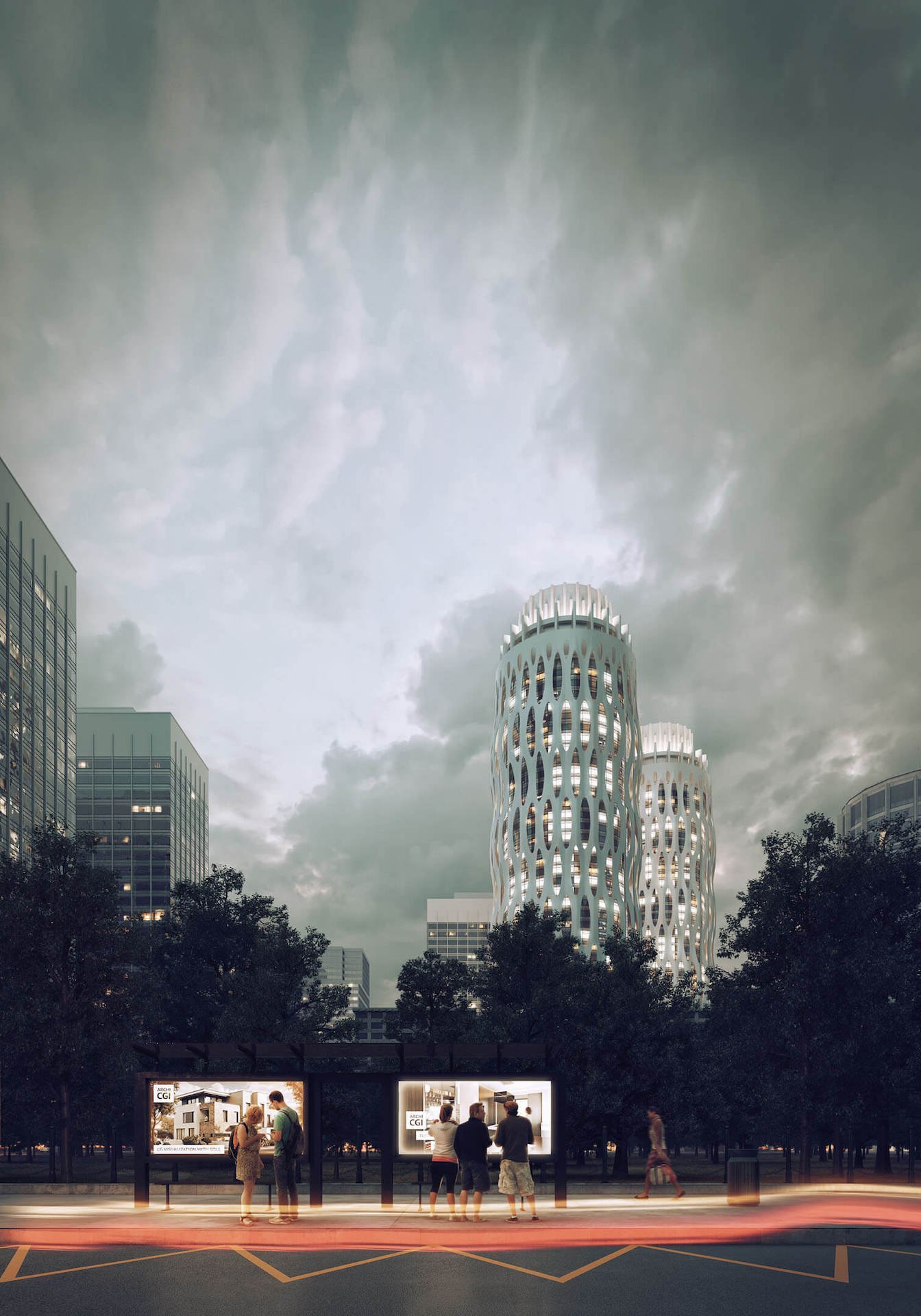
The two skyscraper renders above this chapter bring these principles together in a single concept, developed within our 3D rendering services for San Francisco mixed-use real estate. Against the heavy dusk sky, warm light glows through the patterned façade openings while the lit crown keeps the tower’s silhouette sharp from a distance. The wider street view adds the contextual layer — light from neighboring buildings and passing traffic grounds the tower in its surroundings.
Guide stakeholder decisions with impactful CGI
#4. Dramatic Visual Effects Make the Presentation More Impressive


Finally, visual effects can elevate any skyscraper rendering and give it some extra glow. First of all, skyscraper concept rendering allows architects to choose the weather and season, as well as apply specific color grading to set the desired mood. Moreover, 3D artists can add such effects as lens flares, vignettes, and many others to highlight the ambiance of the place even more. With all that, the images can have a real wow effect, which definitely improves a project’s chances for success even further.
To help our clients select the right weather conditions for their projects, we created a guide to exterior render atmosphere types. We also offer a curated set of atmospheric rendering examples.
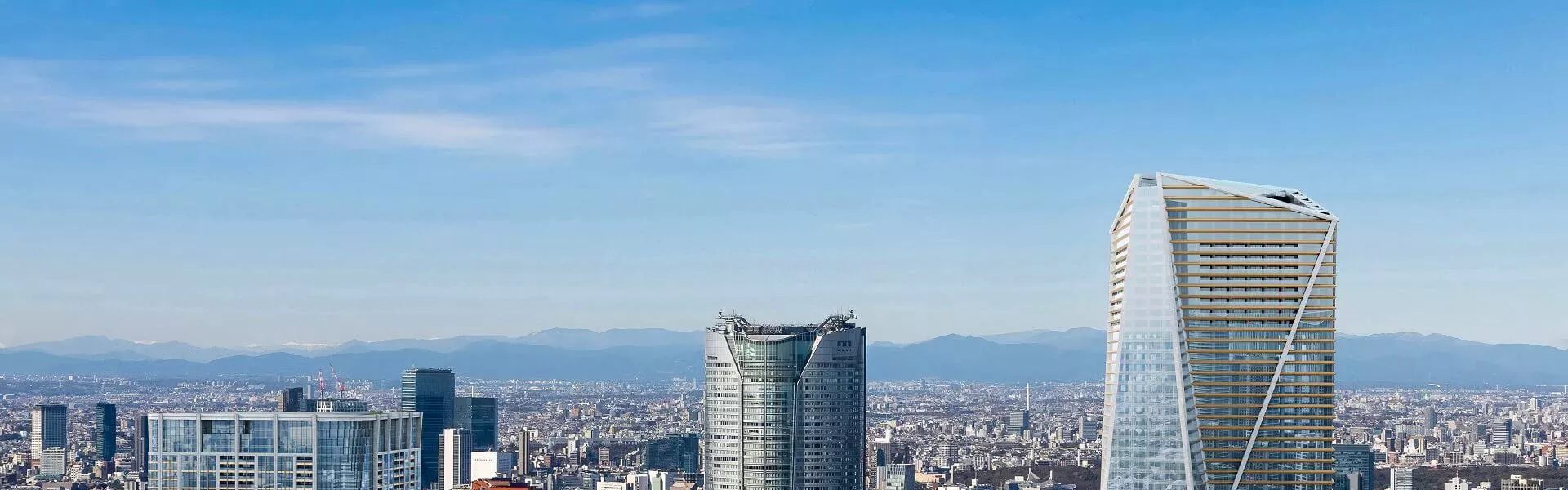
For stronger visual impact and a clearer sense of context, cityscape rendering is often used in skyscraper projects. It places the building within the existing skyline and surrounding streets, rather than showing it in isolation. This helps teams assess how the project will read at the city scale and present it with more credibility.
Now you know how architectural CGI helps to present high-rise concepts. As you can see, the process is straightforward — just a perfect set of tools to bring even the most daring ideas to life. Undoubtedly, with photorealistic skyscraper rendering, you’ll be able to capture your clients’ imagination and make a lasting impression. You can see how it works in this urban redevelopment rendering project.
Want to learn how much your project costs? See how we evaluate 3D rendering projects
Looking for 3D rendering services to create mind-blowing presentations? Contact us and get top-quality visuals quickly and easily! You can see more examples of that on our exterior rendering page.

Ana Wayne
Content Writer, Copywriter
Ana is a content writer for ArchiCGI. She has a passion for design and architecture - and for talking about it. Outside of work, she is a fan of sci-fi movies and a street food connoisseur.