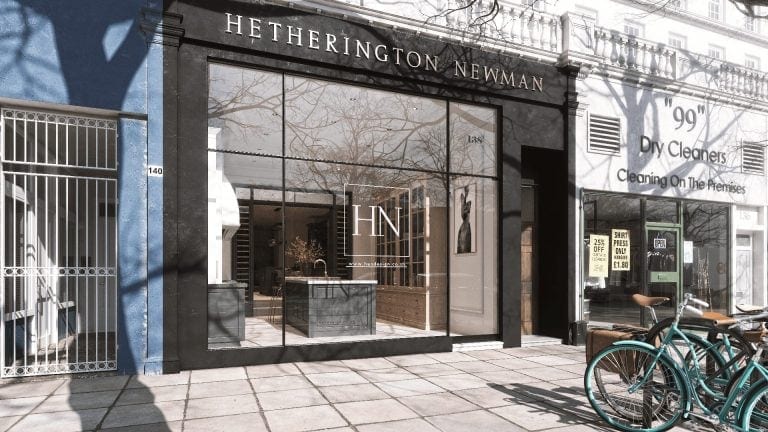



With dozens of studios to choose from, it can be difficult to know what separates a reliable partner from an unreliable one. In this guide, ArchiCGI’s team shares 5 practical criteria to help you identify the best 3D visualization companies and make a confident decision.
1. Technical Skills
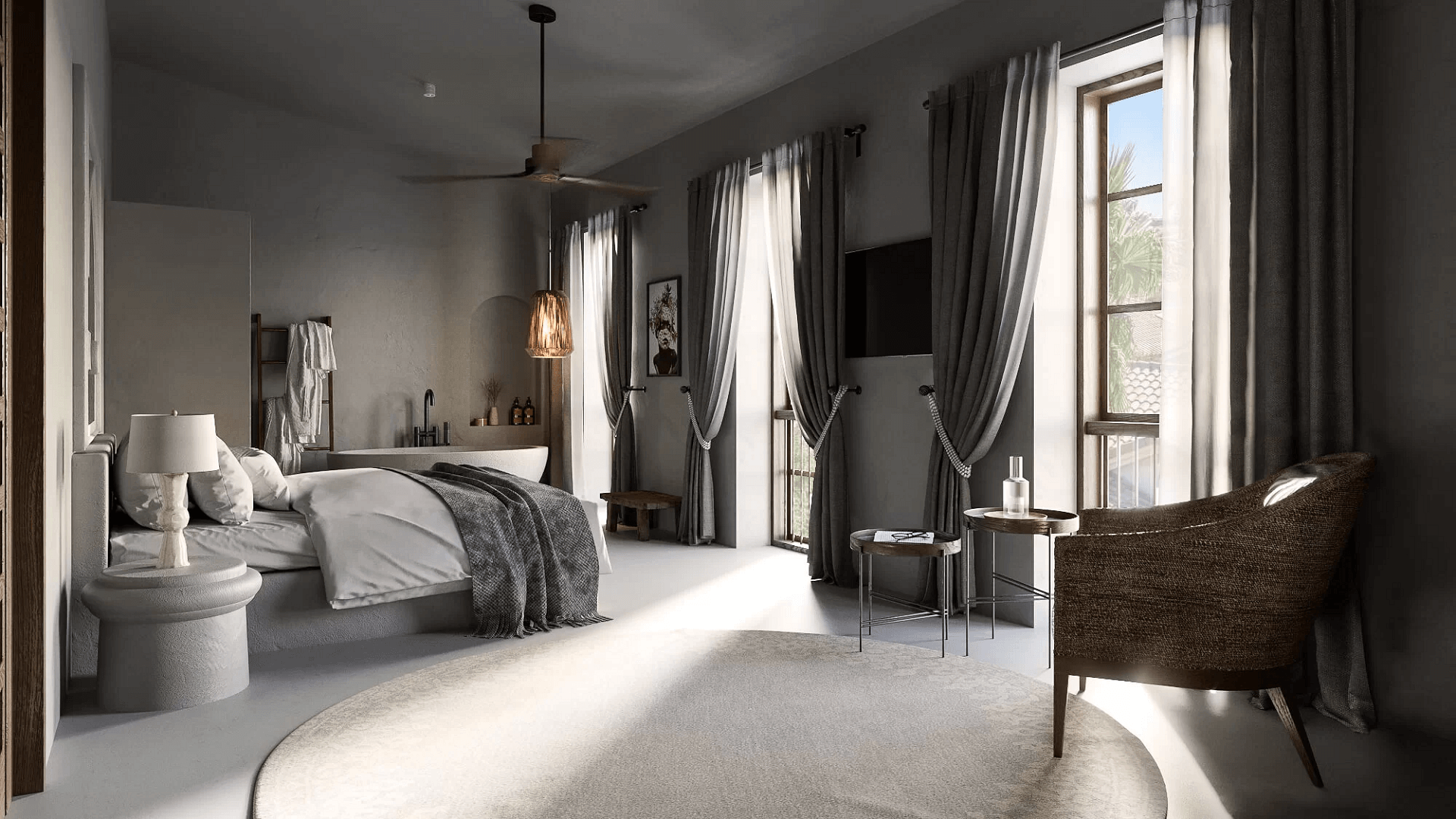
Portfolio is the first thing to check. You should start by finding out if they like the style and look of the potential contractor’s work. For instance, 3D renderings for interior designers often show whether a team can handle lighting, textures, and details at the highest level. If the examples look convincing, the next step is to evaluate the overall quality of the portfolio. See the ArchiCGI portfolio as an example.
Even someone who has no special knowledge about 3D visualizations can do this if they know how. The simplest way is to start by looking for common mistakes — things that the best 3D architectural companies would never do.
#1. Renders look lifeless
Sometimes geometry, colors, and objects on a render seem to be okay, but the visual looks cold and dull. This happens when the 3D artist does not turn on camera balance and the V-Ray plugin. A true professional would never make such a mistake.
#2. Daylight does not prevail in the scene
When a photorealistic CG image shows a room in the daytime, the natural light must dominate. If it plays the second role, sidelined by the shining from artificial sources such as sconces and chandeliers, parts of the scene are shaded. Setting the perfect light is a must skill for a 3D artist, so a professional would never submit such work.
#3. The scene contains details of the wrong style or purpose
If there is a suit hanging in a bathroom instead of a bathrobe, this is a major mistake. Similarly, a Scandi-style room cannot include a Rococo settee — the styles aren’t compatible.
#4. Crucial architectural elements are missing
An interior design scene must include essentials such as doors, windows, heaters, and overhead lighting. If something from this list is missing, it is not a good sign.
#5. Scaling is incorrect
Realism is one of the most important qualities of CG images. Tiny chairs, surrealistically oversized sofas, and other scale mistakes mean the renders aren’t professional.
2. Timing & Equipment
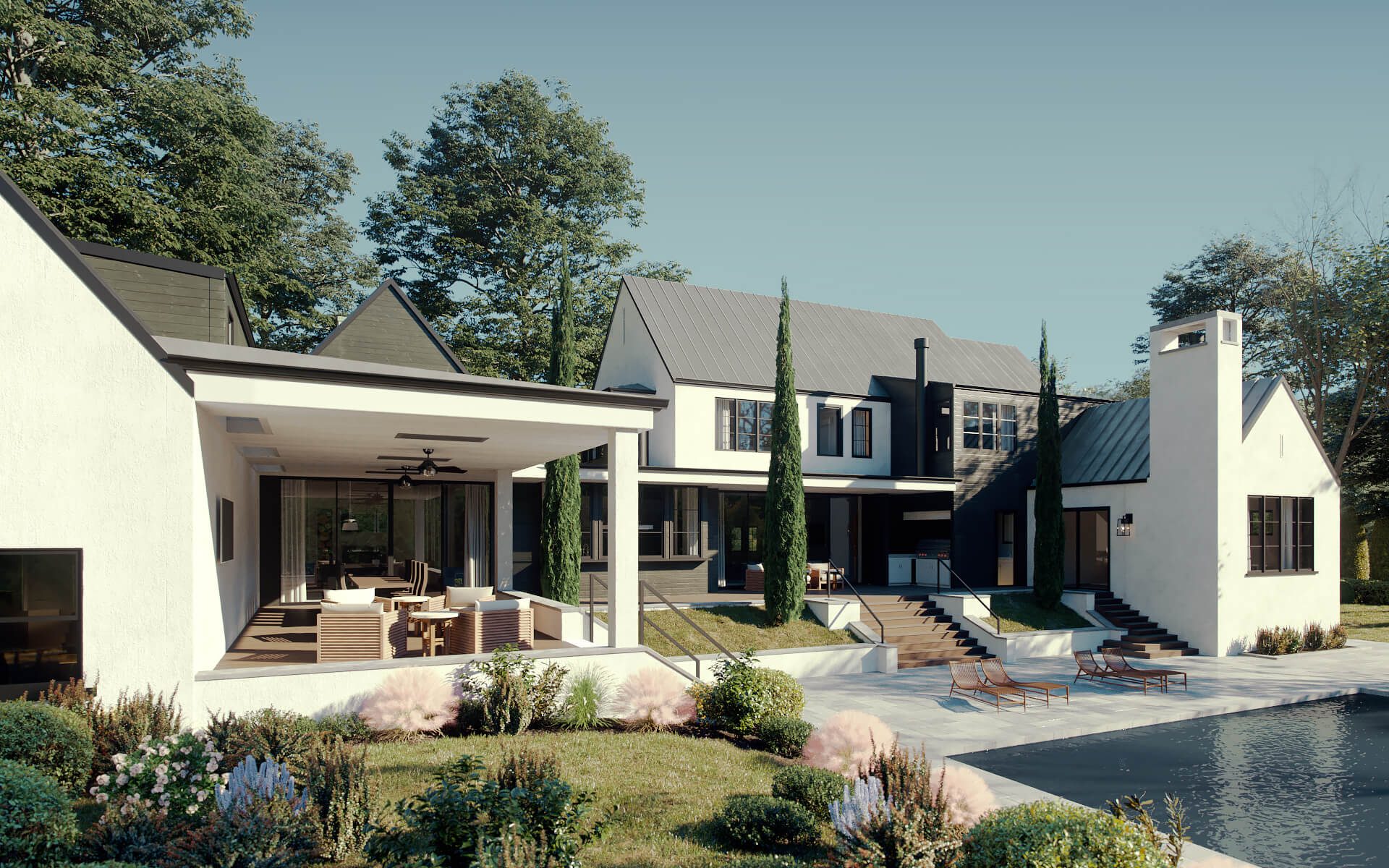
The next step is to find out how much time the architectural visualization company needs to complete the project in question. Project timelines depend on complexity, but most still images take a few days to one or two weeks, while larger or multi-view projects take longer. Clear staging, such as modeling, previews, revisions, and final delivery, helps you plan expectations and avoid delays.
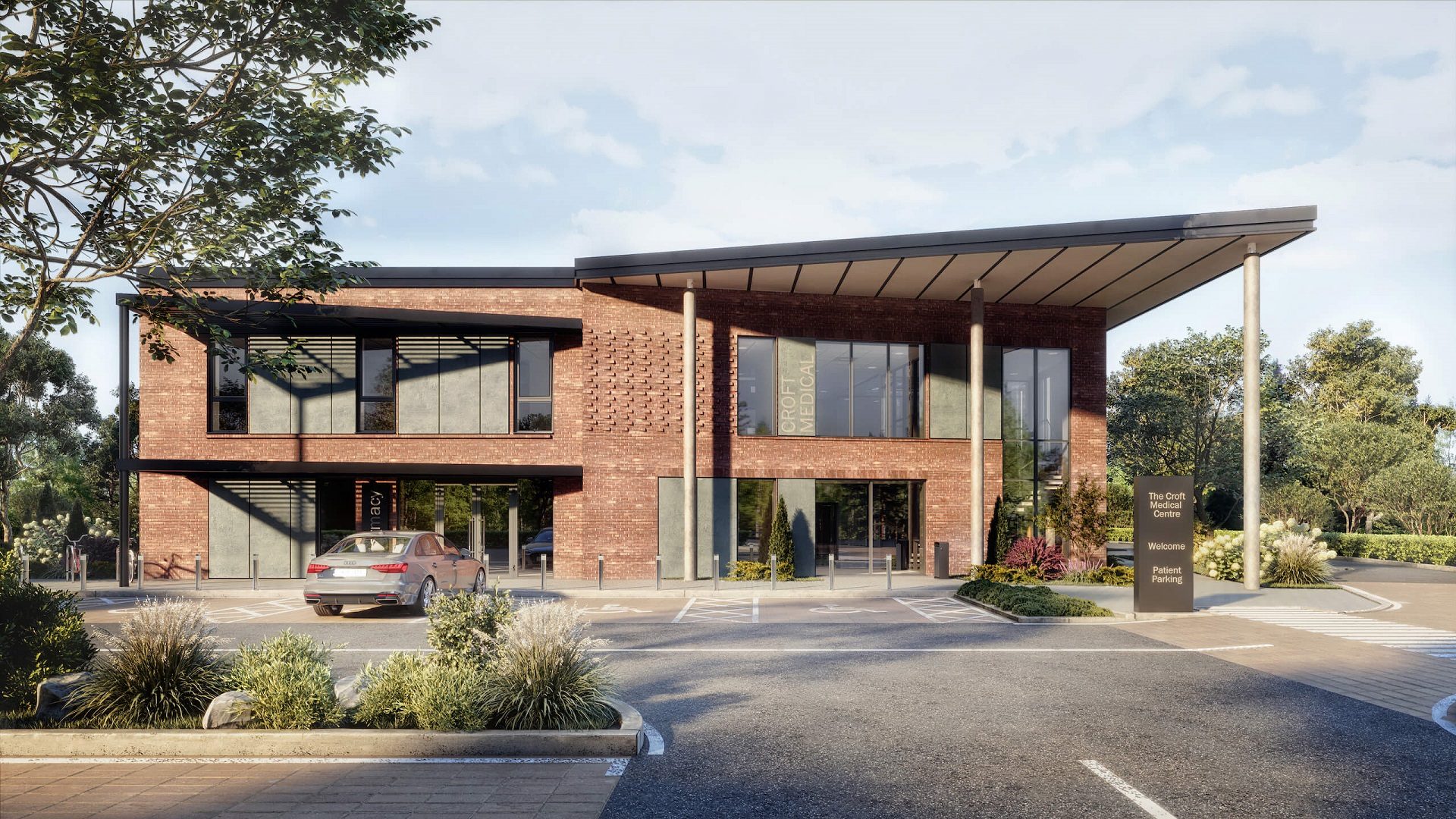
Another thing that matters is the equipment used by the company. It might be especially important if one needs to visualize a large-scale exterior project in a short time. In such a case, the architect should ask if the company has a render farm — a group of computers connected by fast channels. Render farms are powerful enough to complete even a very complex architectural rendering process quickly.
Elevate your exterior design project with photorealistic 3D visuals that help clients confidently approve your proposals.
3. Revisions Policy
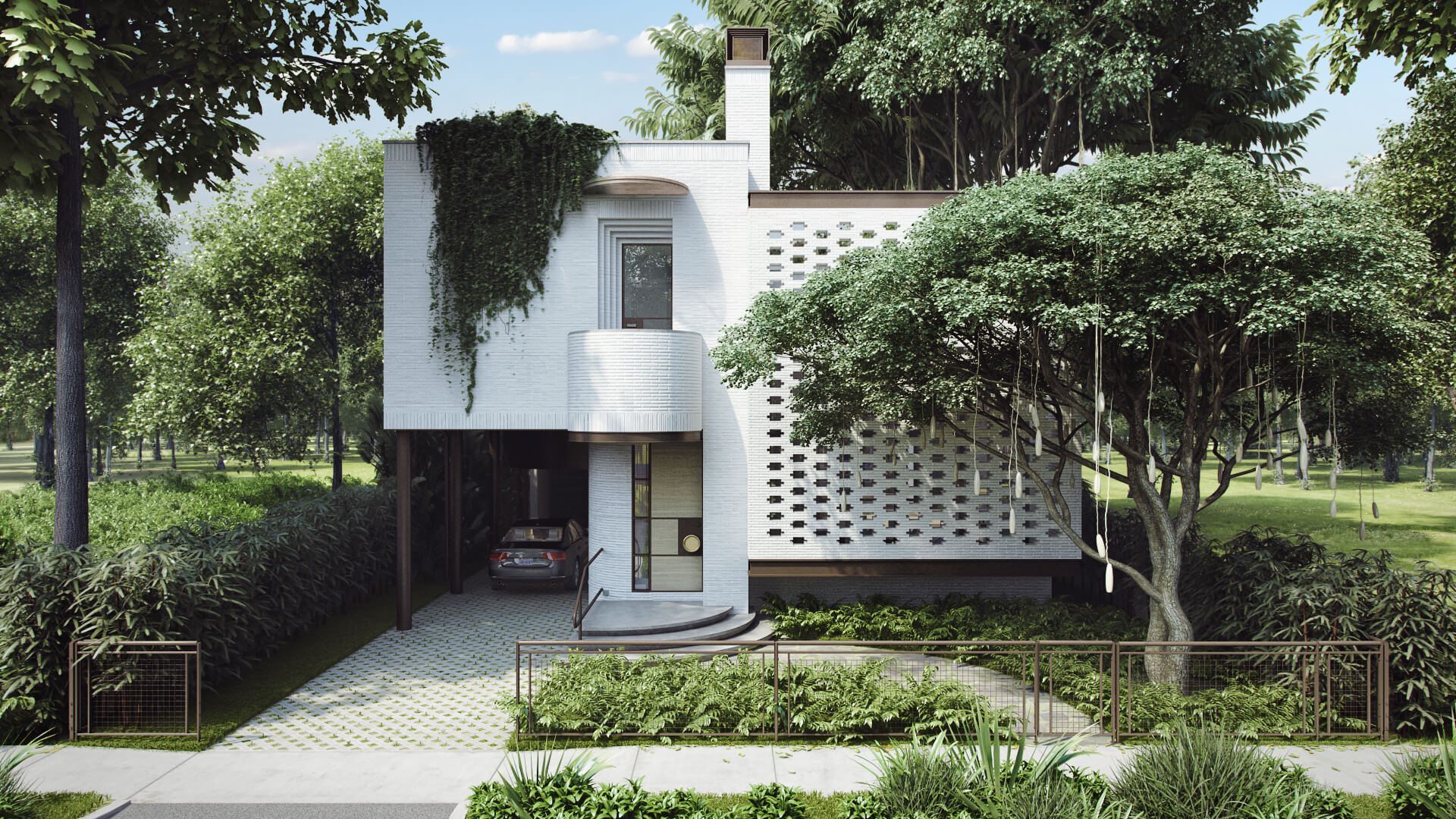
A clear revision policy keeps the process predictable. Most studios include two or three rounds of changes within the initial scope, allowing you to refine key elements like materials, lighting, and composition.
It is also important to check what is included in post-sale service. Minor adjustments are often covered, while major changes may require additional scope. Reviewing these terms before starting ensures that expectations are aligned and avoids misunderstandings later.
4. Working Process
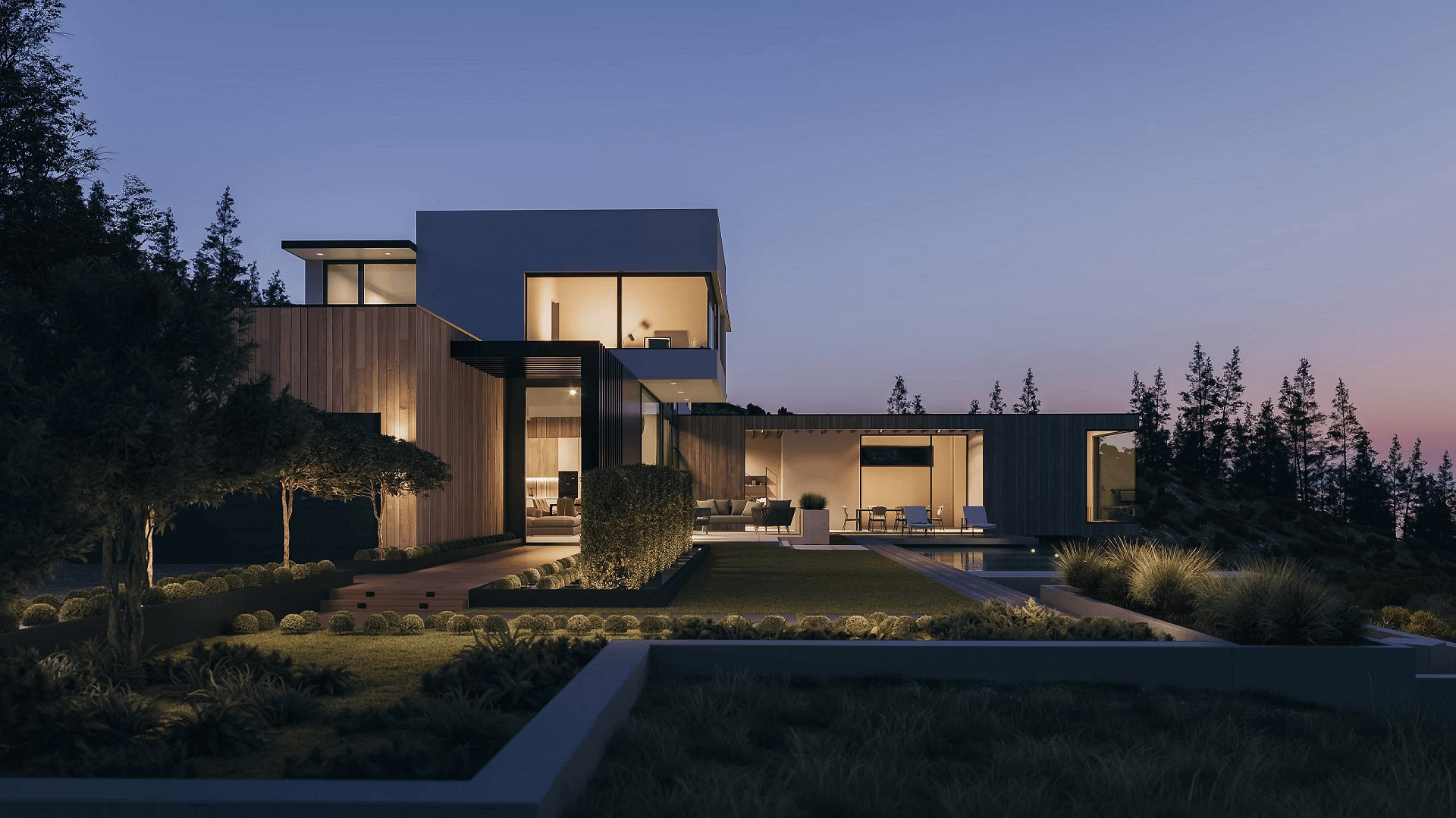
A structured workflow makes collaboration more efficient. Many studios use a CRM system to organize communication, track progress, and keep feedback centralized. This reduces confusion and ensures nothing is overlooked.
The best 3D architectural visualization companies understand the importance of a comfortable workflow. That is why they provide CRM systems for communication. Such platforms allow tracking the development of a visualization project, asking for corrections, and making payments.
You should expect clear stages: briefing, modeling, previews, revisions, and final delivery. Early previews are especially important, as they allow you to make adjustments before final rendering. Consistent communication and defined milestones lead to smoother collaboration and more predictable results.
5. Brand Experience
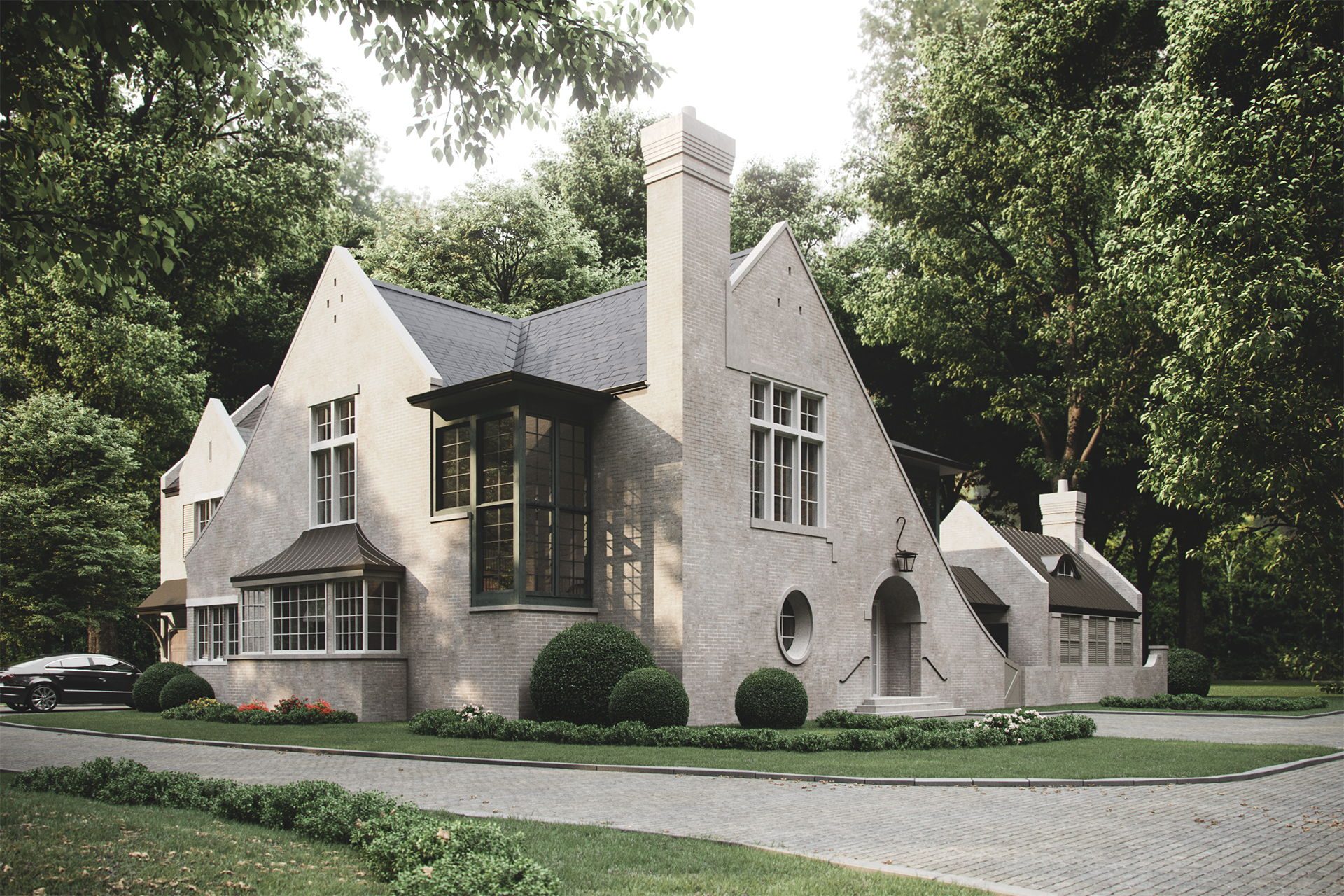
A client portfolio often reflects a studio’s reliability. Working with established brands suggests the ability to meet high standards and manage complex projects. These are not guarantees, but they are clear indicators of experience.
For you, this reduces risk. A studio with proven experience across different project types is more likely to deliver consistent quality and handle deadlines effectively. Combined with strong technical skills, brand experience helps you choose a partner with confidence.
Want to learn how much your project costs? See how we evaluate 3D rendering projects

Finding the best 3D architectural visualization company takes more than browsing portfolios. By evaluating technical quality, turnaround times, revision policies, workflow organization, and brand experience, you can quickly identify studios that will deliver reliable, high-quality results. ArchiCGI 3D rendering services checks all five criteria — with a proven portfolio, dedicated project managers, render farm capacity, and experience with globally recognized brands. Contact us to see how we can support your next project.

Irma Prus
Content Writer, Copywriter
Irma writes articles and marketing copy for ArchiCGI. Her dream is that more people discover the power of CGI for architecture. Irma is into neuromarketing, ruby chocolate and Doctor Who series.