


Architects are masters of design, but effectively communicating a project’s essence is a skill that often receives less attention in traditional education. As a result, even brilliant designs may not resonate during an architectural design presentation, leading to missed opportunities.
A lot depends on your success: contracts, future cooperation, referrals. This is especially true when presenting building complexes to investors — you need to show a massive ensemble of structures in a way that’s comprehensible to someone with no architecture background, while keeping them engaged throughout the pitch.
The key lies in shifting the focus. Rather than treating a presentation as a technical demonstration, frame it as a story about the idea behind the design. Let’s explore why this perspective makes all the difference.
#1. Clients Buy a Lifestyle, Not a Product

That is, customers seek to know what their life would be like after the purchase. How all the guests will compliment them on the beautiful house, how charming and cozy the child room will look, and how functional the kitchen studio will be. Look at the Apple brand, for instance. The company sells not only high-quality gadgets but also a style of life that Apple consumers obtain using the product.
#2. Customers Are Afraid of Difficulties
Clients don’t like complications and waiting in general. They fear and avoid them subconsciously – which is perfectly reasonable if you think of that. Certainly, Architects can talk about the construction at architectural design presentations. In fact, they should, – but only when the customers see the idea behind the project. Even better – when they’re in love with it.
#3. Customers Are Interested in Benefits, Not in Technical Features
During presentations, architects may focus on subtle technical features of the design. Though they might delight fellow specialists, customers often get bored. What the audience would love to learn are the benefits of the given architectural project. Describe in detail how trendy the solution will look at the parties and how the family will still be spending time together while doing different things in different areas. The audience should see themselves living there and benefiting personally from every single feature you present.
This means using simple language. You’ll need specific terms every now and then, but don’t overuse them — too many complicated or slang words can make people feel awkward and uncomfortable. Remember, you’re not presenting to fellow architects.
#4. The Audience Is Susceptible To Framing Effect

From a marketing perspective, your design is the offer and the idea is the packaging. People perceive products differently based on how they’re framed — subconsciously, without knowing why. Show clients a compelling vision with benefits and possibilities, not a list of technical features, and they’ll be far more impressed.
Actually, there is a range of effective solutions provided by CGI services that really work. Use them separately or in any combination to make the ideas look real.
3D Solutions for a Powerful Architectural Design Presentation
How can one turn a building project into a compelling visual story? There are several CGI solutions that effectively bridge the gap between technical drawings and client imagination. Use them separately or combine them for maximum impact.
Architectural Visualization
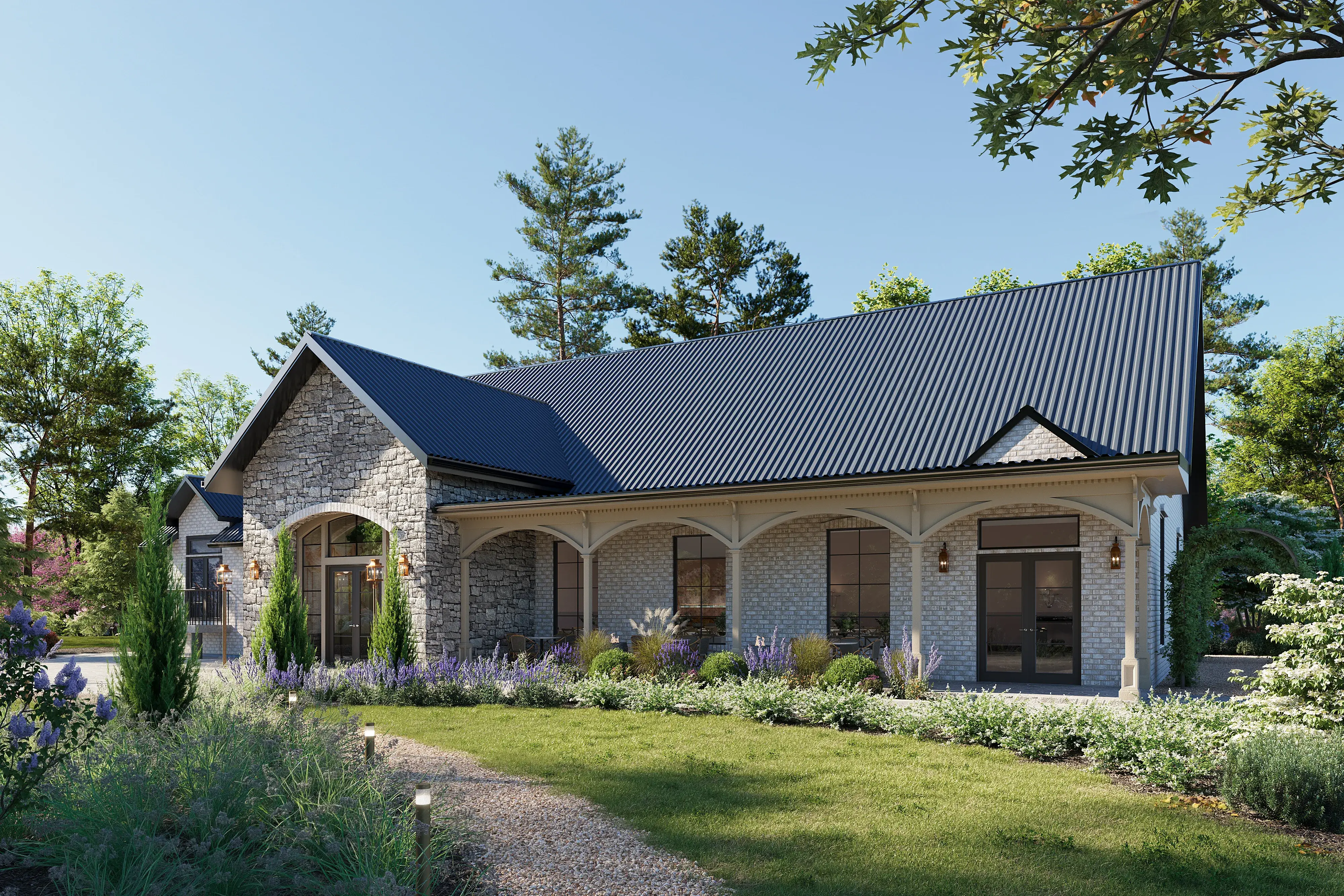
It is a high-quality 3D illustration of a future building design. It’s an impactful advertising image conveying all the technical features of the architectural design and placing the object in the most flattering environment. There are different styles of architectural visualization that help achieve different effects. For purposes of a design presentation, the photorealistic style is probably the best. As specialists take care of all that, you needn’t worry about thinking everything out. Just come up with a comprehensive technical assignment – and concentrate on what you love doing.
A visual demonstration is always better than a thousand words. Don’t forget to prepare a portfolio of your past projects — images of buildings of your design will instantly give the client the right idea about your personal style. If you don’t have photos, photorealistic renderings work just as well.
Want to learn how much your project costs? See how we evaluate 3D rendering projects
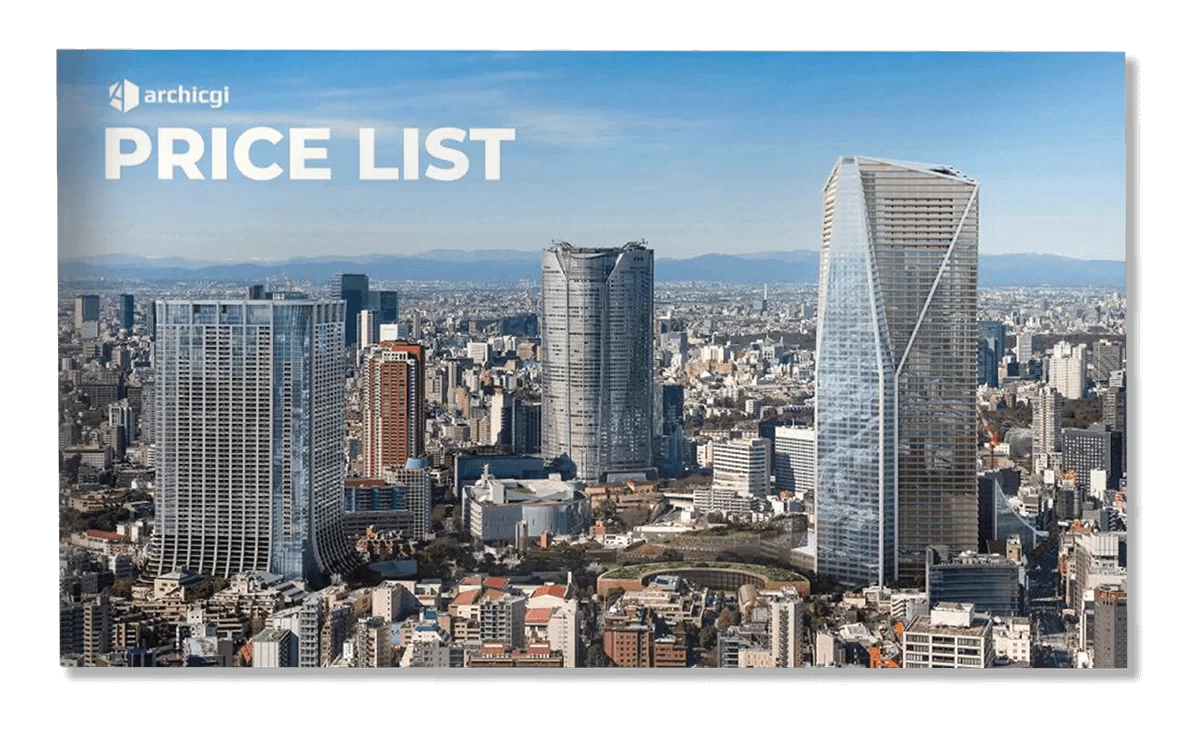
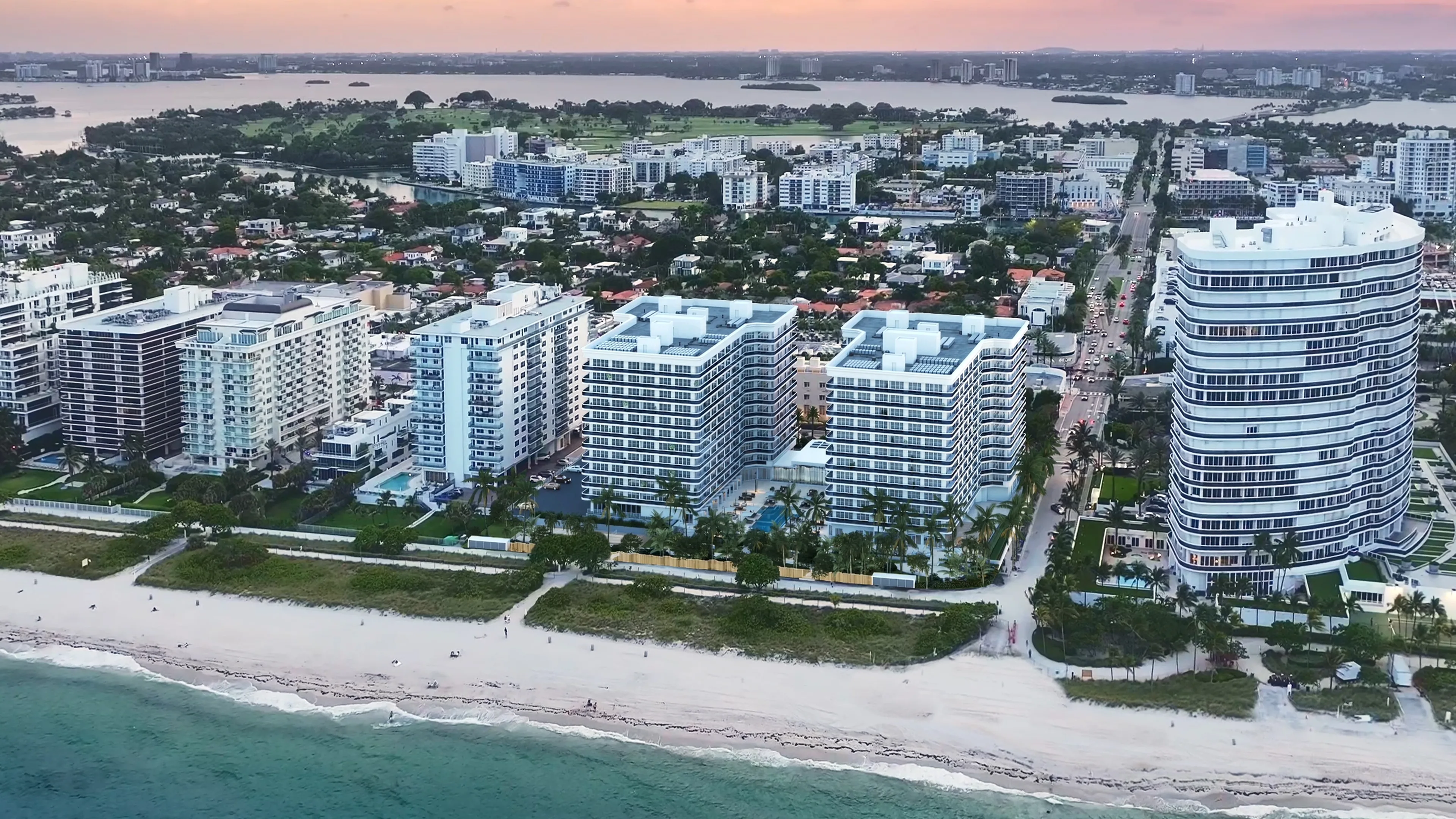
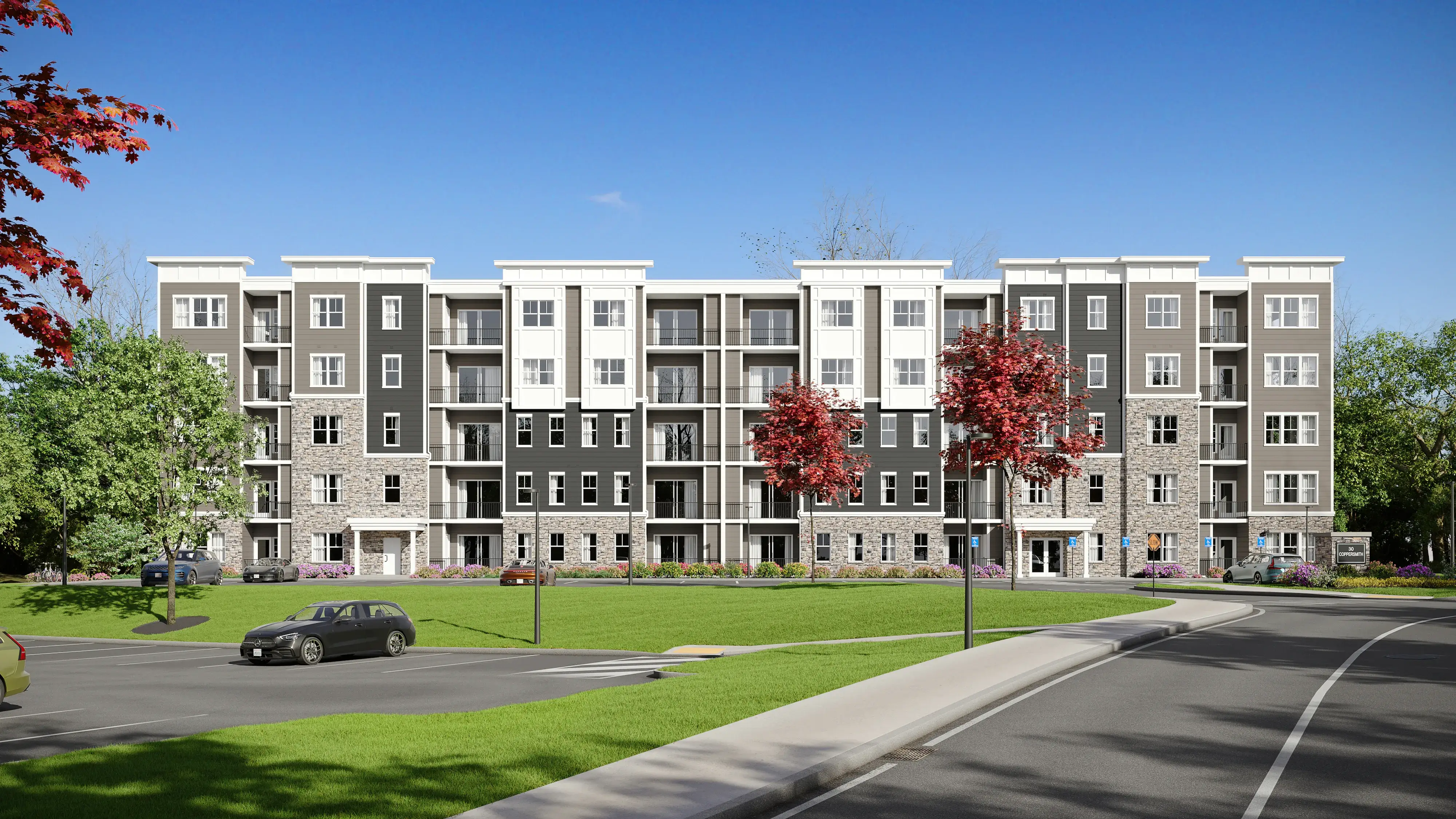
With CGI, you can showcase exterior design from multiple angles — street view, aerial, bird’s-eye, worm’s-eye, and close-ups. Viewers easily see the overall geometry and appreciate finishing materials without needing professional architecture training. For building complexes, you can demonstrate each structural element separately as well as the whole ensemble — residential buildings, business centers, malls, gyms, dog parks, facilities for disabled people, recycling points — explaining infrastructure and functionality in real-life context.
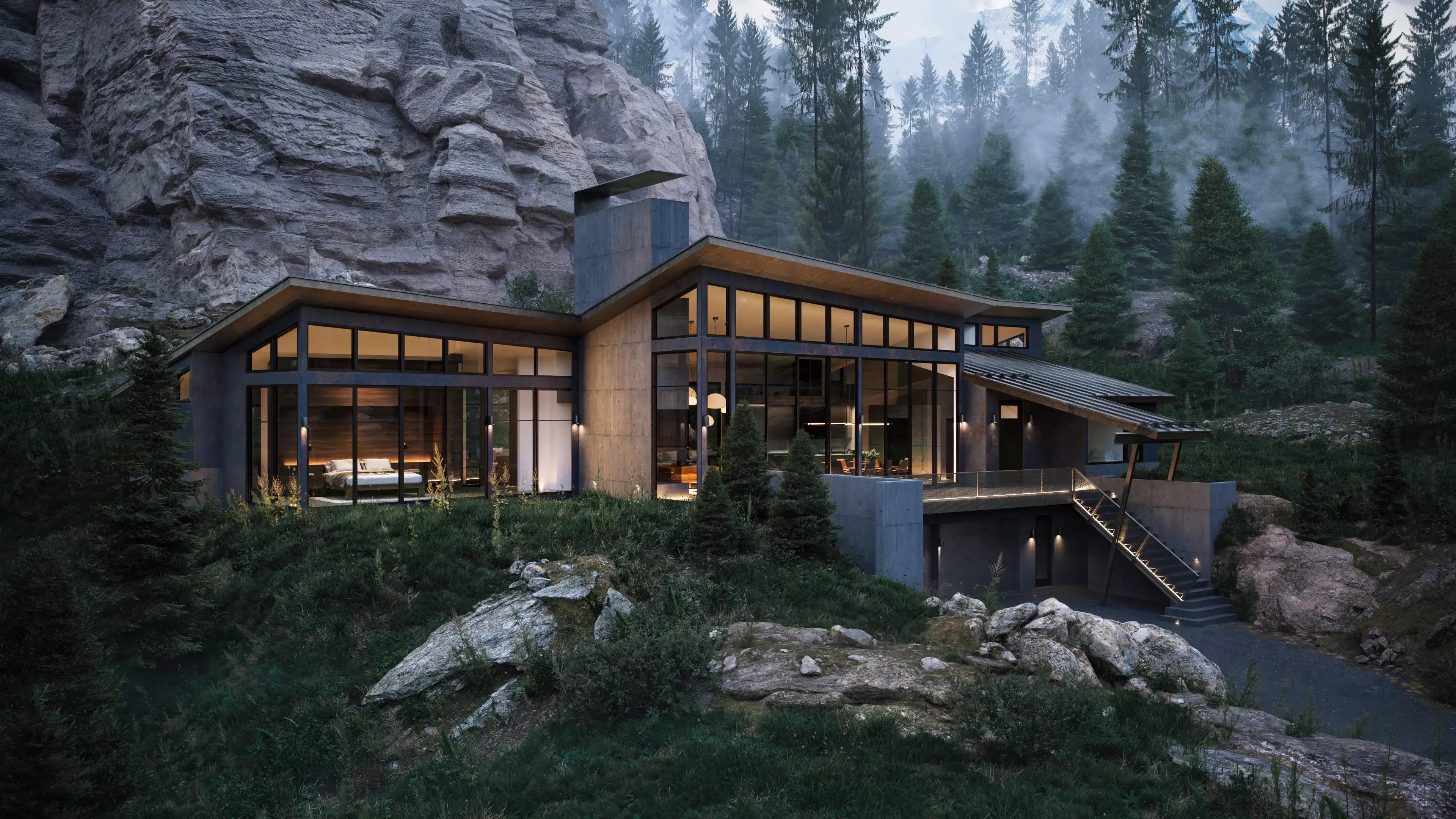
Street views with people, cars, and surrounding buildings help investors appreciate the true scale of massive projects. You can also show the design in its actual future surroundings, in both summer and winter settings, so viewers immediately see how it fits the area. And don’t forget lighting variations — daytime versus nighttime renders reveal how natural and artificial lighting affect perception. Some design features, like translucent wall materials, only become apparent in evening renders with external lights on.
Virtual 3D Tours and 3D Animations
These solutions, offered by our architectural animation studio, allow clients not only to see the design but also to take a virtual tour of the project. Both virtual tours and 3D animations are highly impactful options designed to impress and provide the customer with high-level detail.
Virtual Reality

VR is a state-of-the-art 3D solution that produces the most powerful effect. VR lets the client see the architectural design as if in real life and get inside it. It turns presentation into an experience that is really close to the reality. In fact, it is no longer a presentation but a tour into a dream, a truly immersive experience. Another plus is that when using a VR headset, customers cannot be distracted, which often happens at the 5-minute mark of a traditional presentation. It’s impossible to wonder what sort of dinner you will have today or what weather will be like tomorrow when walking inside a true virtual world, looking at the most spectacular architectural design you’ve ever seen. This will definitely leave a long-lasting impact!
In addition, there is another task 3D visualization solutions cover: they advertise the design. The thing is, architects often have a hard time learning to talk like a salesman. They are men of deeds and facts, not words. The good news is that 3D solutions take care of 50% of advertising part at least. It’s better to see something once than to hear about it a hundred times.
Practical Tips for Your Architectural Presentation Meeting

Beyond the psychology of what to present, you also need to master the logistics of how to conduct the meeting itself. Here’s a quick checklist:
Choose the right place. Your office or client’s territory works, but it must look professional. Avoid cafes or noisy places — they disrupt presentations. If you don’t have an office, rent a conference room.
Research your client beforehand. Find out about their job, company, and any mutual interests. This helps establish rapport and shows you’ve done your homework.
Check your appearance. Adjust your look based on the client’s company — formal suit for big corporations, more casual for smaller firms. Either way, look fresh and clean.
Maintain a dialogue. Every meeting is a two-way conversation. Take into account the client’s ideas. Even if some aren’t realistic, explain how things work and suggest alternatives rather than simply dismissing them.
Bring printed materials. Create a short booklet about your studio, services, best projects, and contacts. Having something tangible to leave behind helps clients remember you.
Handle budget discussions carefully. Avoid naming exact figures at the first meeting. First understand what the client wants, then formulate a technical assignment. You can reference prices from past projects as examples.
Take notes. Bring a notebook and write down important information. It shows you approach the task seriously, and you’ll have a record if you forget details later.
End with next steps. Discuss future actions and thank the client for their time. Don’t put too much pressure — give them space to make an informed decision.
Finally, remember that you’re making a decision too. If the project isn’t a fit — whether due to budget, scope, or chemistry — it’s okay to decline politely. You can recommend colleagues whose work might suit the client better. Being sincere and friendly, even when saying no, invests in your professional reputation.
Schedule a free demo of 3D solutions for your business
As you can see, the success of an architectural design presentation is a totally achievable goal. To nail it, the architect needs to follow some basic rules and use the most effective means possible. For high-quality 3D visualization services, contact our 3D rendering company. We’ll create solutions that convey the unique story of your project!

Irma Prus
Content Writer, Copywriter
Irma writes articles and marketing copy for ArchiCGI. Her dream is that more people discover the power of CGI for architecture. Irma is into neuromarketing, ruby chocolate and Doctor Who series.

Comments
Sally