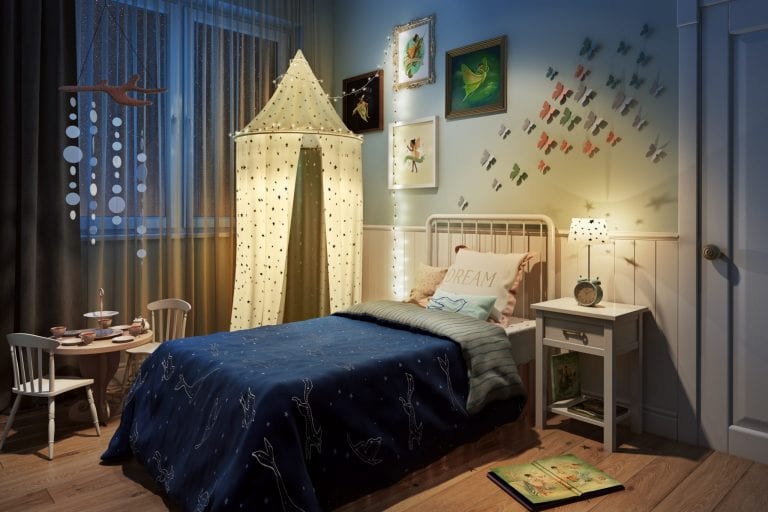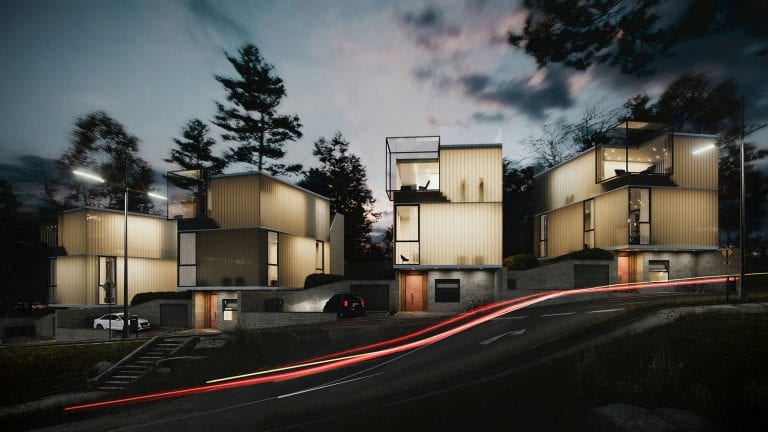


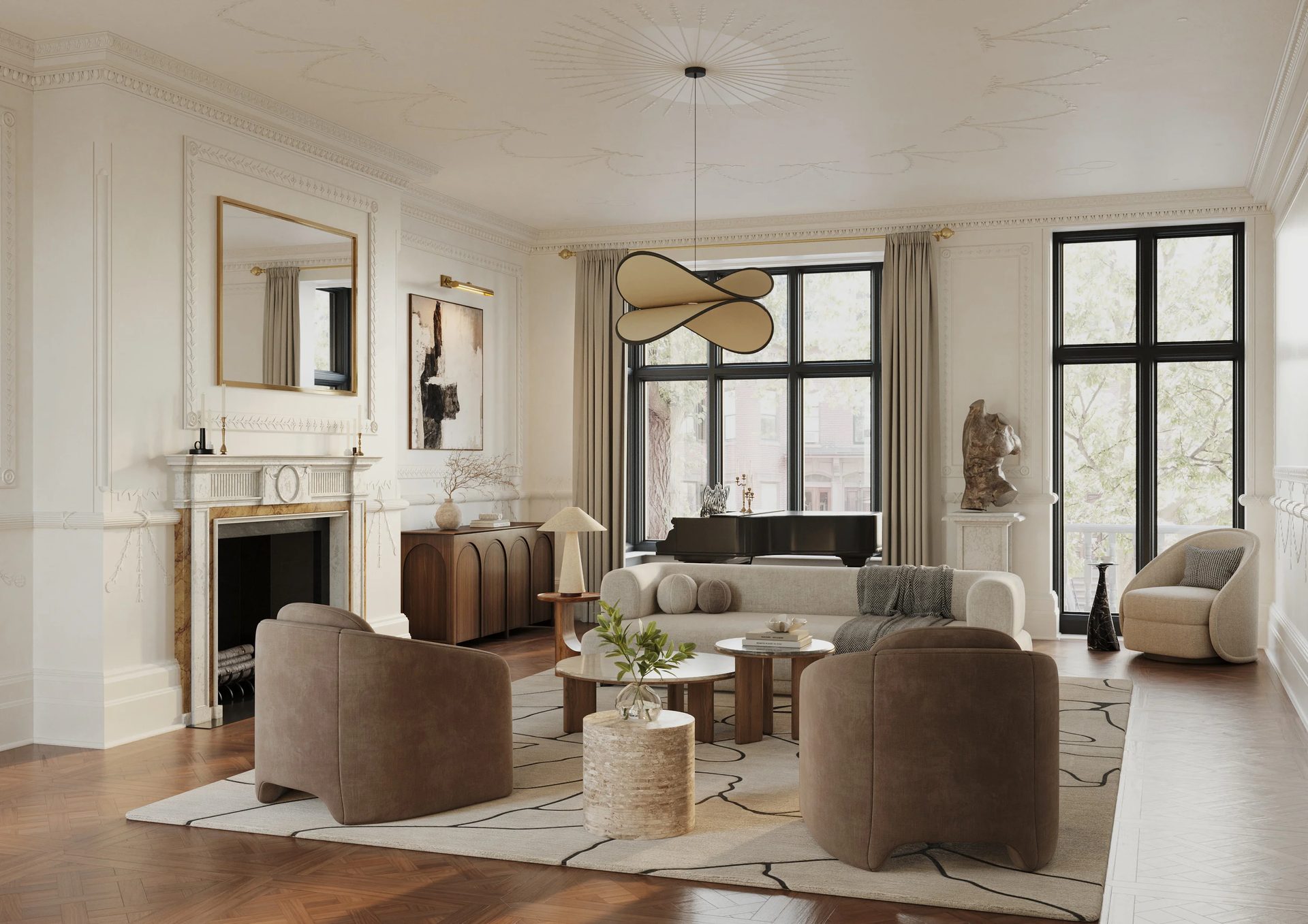
Photorealistic architectural rendering has achieved widespread recognition in modern market, and for obvious reasons. Currently interior designers have to face a challenging competition that gets more and more fierce every day. Being stubborn and sticking to the old ways is harmful – any architectural rendering company has realized by now that times have changed and there is a dire need to adapt and optimize. In order to keep up, you no longer can rely on the old ways of creating interior design. Solution? Using 3D architectural rendering. This can rid you of several burning problems.
Photorealistic Architectural Rendering: How It Saves Interior Designers
#1. High Production Cost
3d visualization for architects is far from the cheapest form of content to produce. A good 3D interior design render used to be impossible and unprofitable to create. This was due to the technological level, so classical hand drawings are used even today. This process costs a fortune, and even more if you decide to buy license software like 3D Max, VRay or Photoshop and train staff to work with it. A smarter solution would be to hire an outsource company to create renders. More money saved on production means the sales revenue will increase.
#2. Low Cashflow
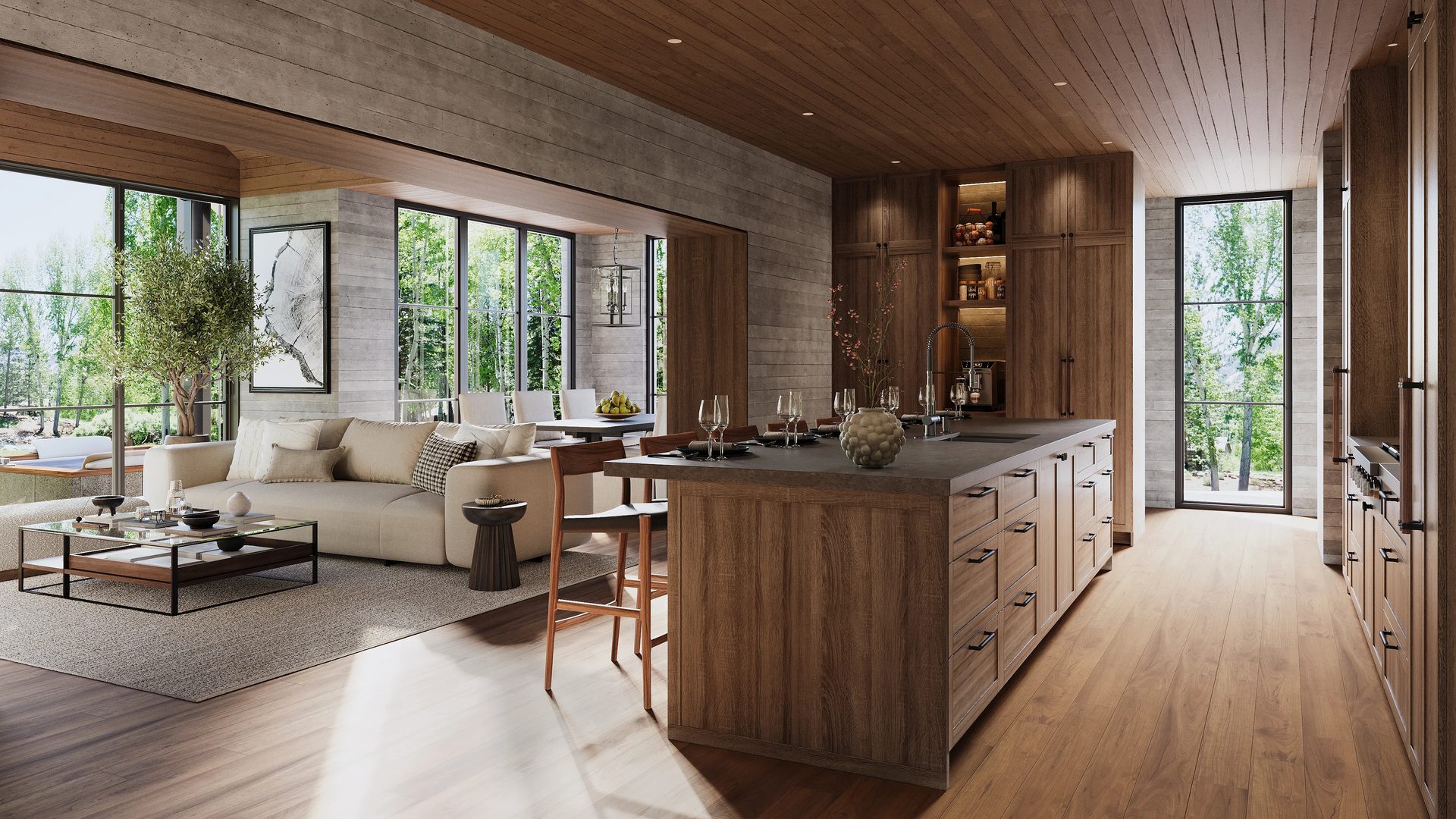
If a company doesn’t get enough projects to work on, the cashflow will drop significantly – it’s a no-brainer. This used to mean that smaller companies would starve in the competition. Photorealistic 3D renderings for interior designers allow for the production of more content of better quality for relatively small studios and simultaneously working on multiple projects for bigger ones. That would ensure a steady income for the business.
Strengthen your design presentations with professional interior rendering
#3. Getting More New Clients
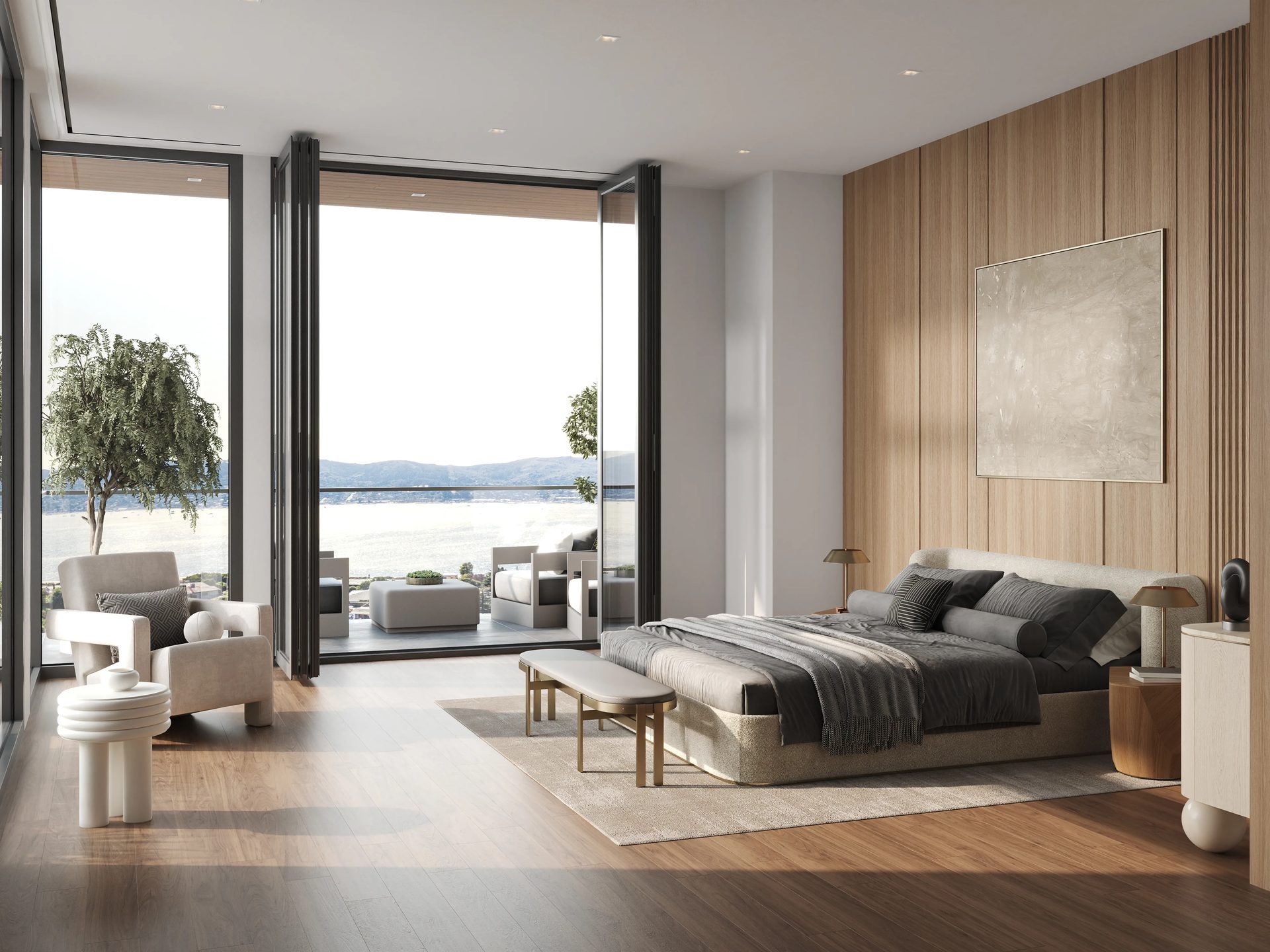
The competition for attention is intense, and only those who truly stand out in efficiency and quality have a real chance to gain and sustain customer interest. Three-dimensional rendering gives a solution for this too. Photorealistic architectural visuals help present projects in a way that naturally draws attention and encourages further exploration.
#4. Meeting Client’s Expectations
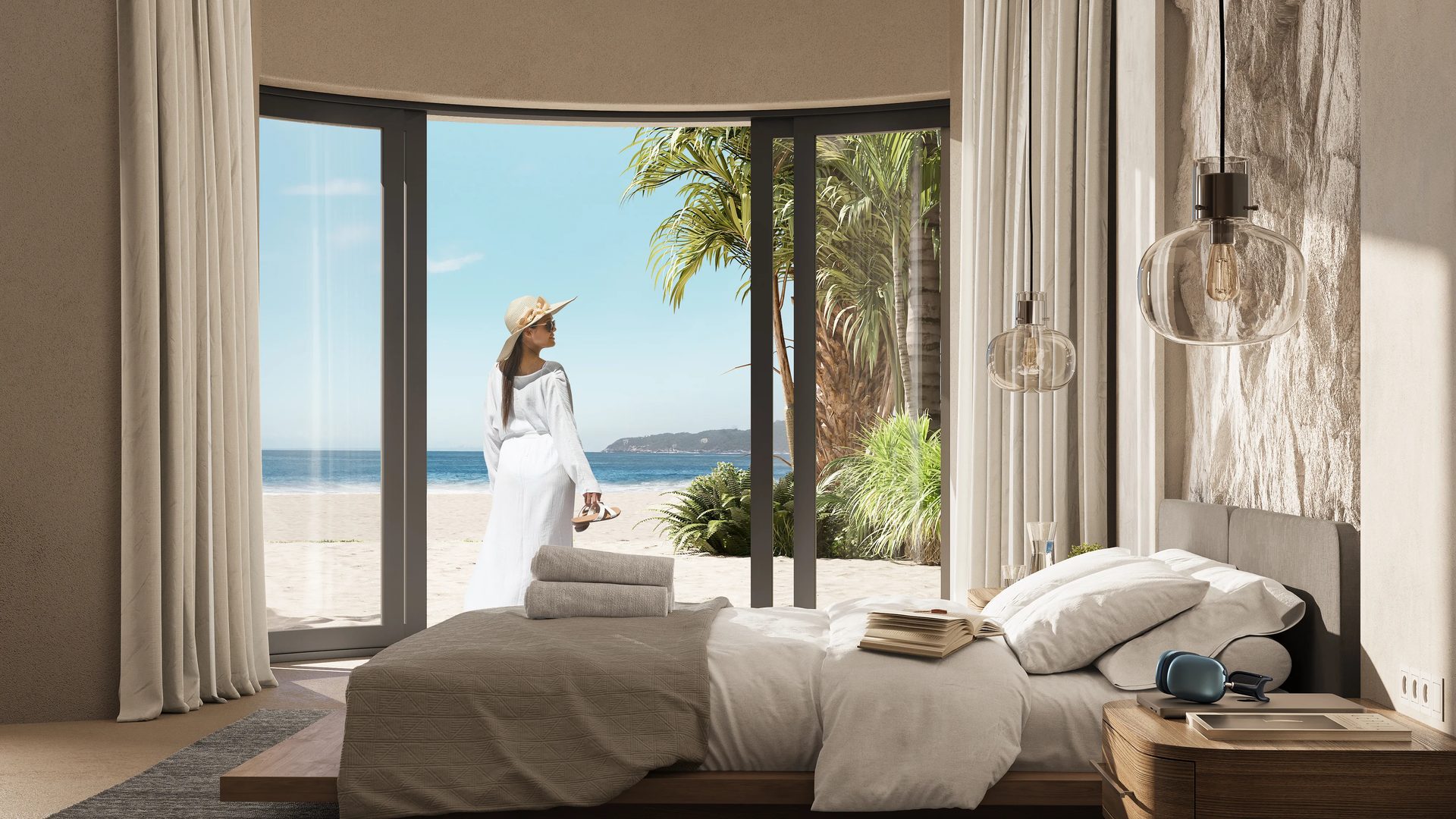
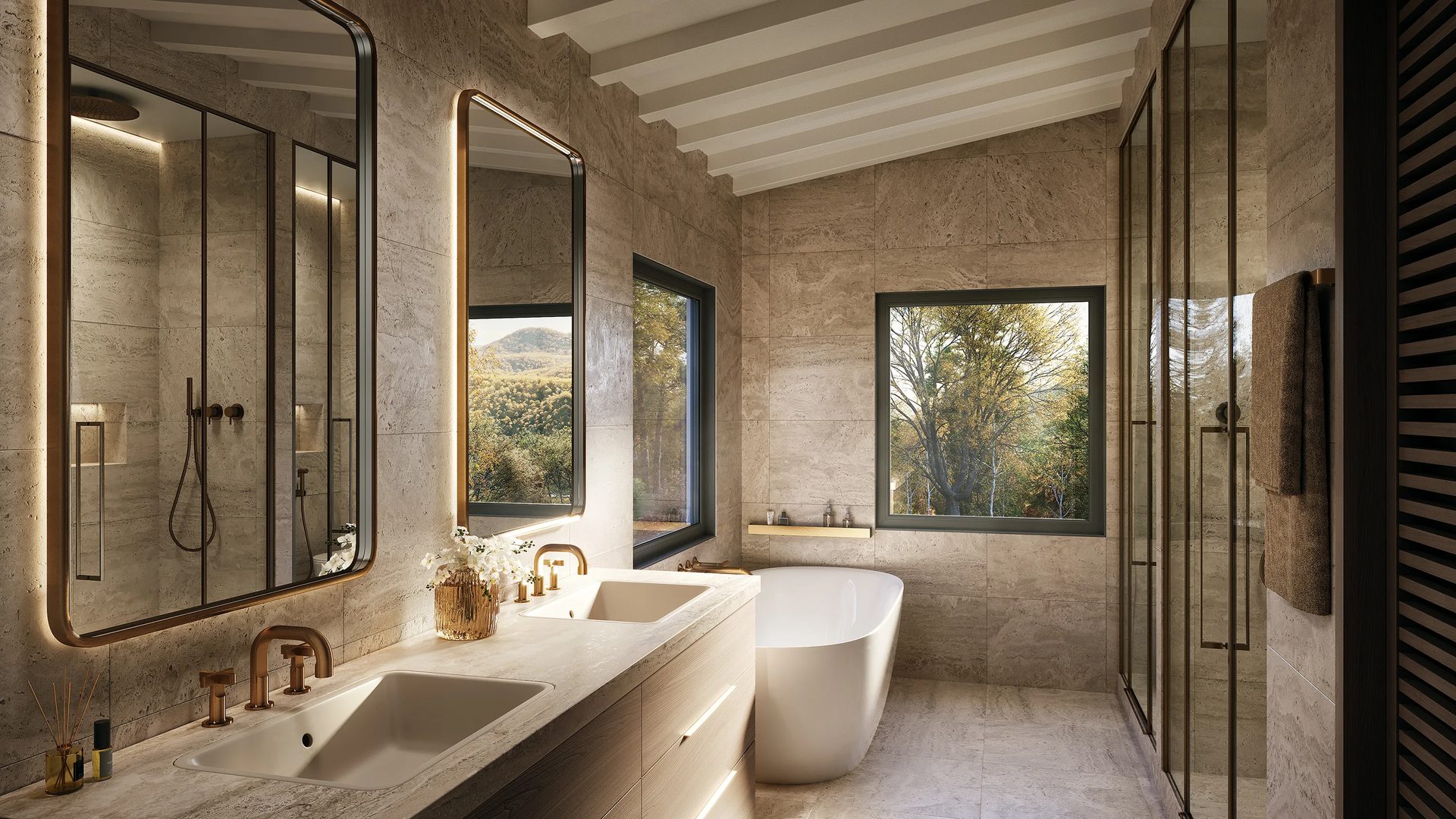
The customers are quite hard to impress these days. Even if they seem satisfied at first, that is not an indication of an upcoming project. And limited feedback opportunities just make things worse. But again, just like with the previous problem, photorealistic 3D is the way to go. Here’s another beautiful result of 3D artists’ work. When quality of your images is this high, clients are far more likely to approve the design. And with new ways of feedback in real time like CGI CRM you can overlook the creation process in real time and implement changes instantly. This reduces unnecessary delays and minimizes resource waste. More information on 3D rendering workflows, solutions, and project timelines can be found in our architectural rendering guide.
#5. Time Constraints
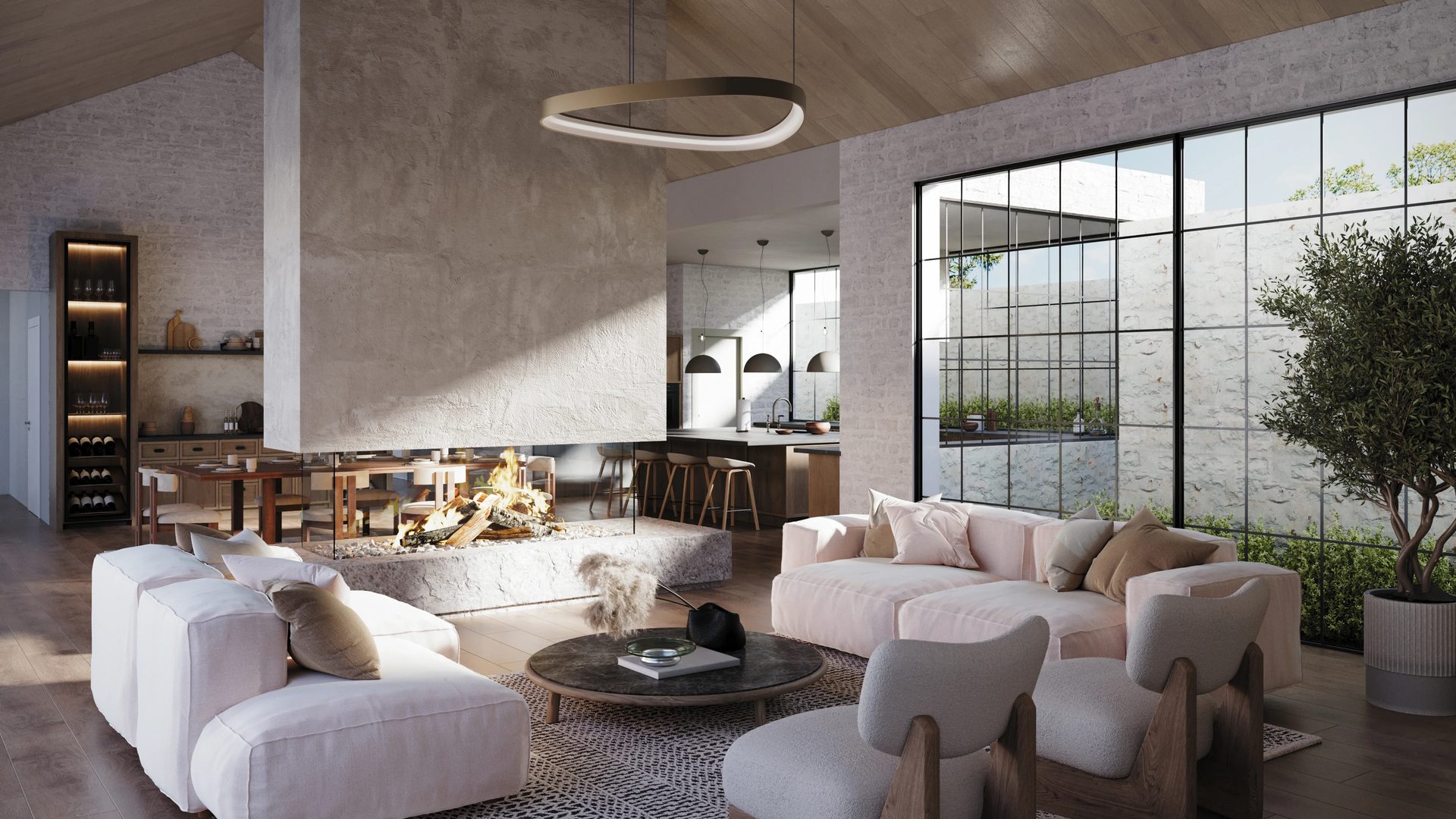
Working on interior design projects takes lots of time, sometimes months, depending on difficulty. Not only that, but the mountains of sketches and conflicting feedback and revisions, sometimes contradicting each other, complicated work even further. Photorealistic architectural rendering takes time too, but a team of professional 3D artists can manage to complete it in less time than it takes to do it the old way.
Showcase your architectural project with photorealistic CGI powered by modern AI-assisted workflows
Interior designer’s work is fun and challenging, but now there is a way to make it easier and produce photorealistic pieces at the same time. The issues can be solved by doing two things – going online and using the services of a 3d visualization for interior design. Want to optimize your workflow and increase effectiveness? Then contact ArchiCGI for architectural rendering services. Related reading: the future of 3D visualization and five ways 3D is used in architecture.

Catherine Paul
Content Writer, Editor at ArchiCGI
Catherine is a content writer and editor. In her articles, she explains how CGI is transforming the world of architecture and design. Outside of office, she enjoys yoga, travelling, and watching horrors.