


Selling vacant land isn’t like selling a house. You don’t have a freshly renovated kitchen to show off, no cozy living room to stage, and there’s nothing obvious to help buyers picture themselves living there. All they see is an empty lot and a whole lot of possibilities, if they can imagine it. Whether you own the parcel yourself or you are an agent listing one, the approach has to change. Instead of selling what already exists, you are selling what could be.
This guide, made by our 3D architectural rendering studio, breaks down how to sell land more efficiently. From figuring out the right price to using visualization tools that help buyers see the real value, these tips work for owners selling by themselves, for agents, and for anyone dealing with residential lots, commercial parcels, or development land. They will help you close faster and attract buyers who are actually serious.
Why People Decide to Sell Land
People put their land up for sale for all kinds of reasons. Maybe they gave up on building. Maybe they want to free up some cash, cut down on holding costs, or cash in on rising land values. Occasionally, a new road or rezoning nearby makes it a perfect time to sell.
As an agent, you need to understand why your client wants to sell. That shapes how you price the land, how quickly you need to move, and how flexible you’ll be in negotiations.
How Selling Land Is Different from Selling a Home
Selling land comes with its own set of headaches. There’s nothing to show off, so buyers worry about things like zoning, road access, utilities, soil quality, or what they’ll actually be allowed to build. Financing is trickier, too, because land loans are harder to get and usually mean bigger down payments.
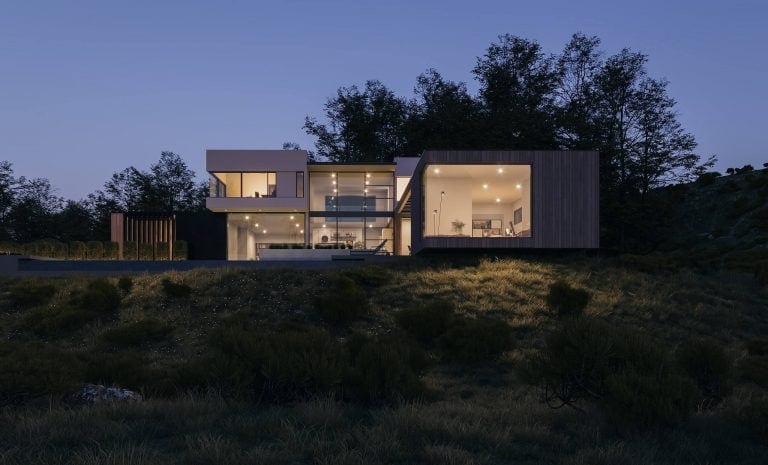
Marketing land means more educating, more data, and a better story. You’re really selling the dream, not the finished product. Fortunately, professional real estate rendering services can help. 3D rendering for selling land allows realtors and developers to streamline their sales process, letting their clients clearly see the place’s potential.
What Affects Land Prices
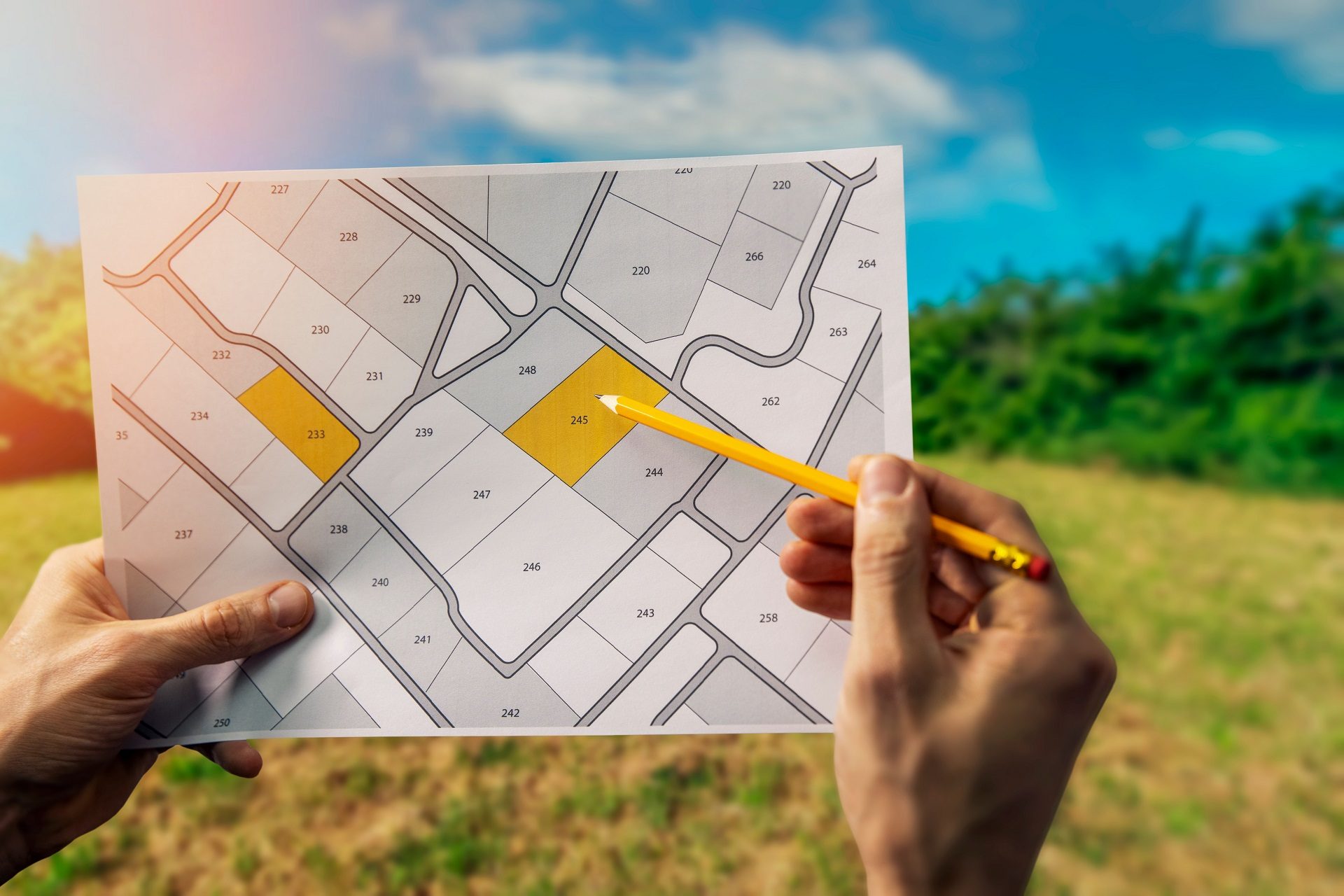
Location and Access
If the land sits near roads, schools, utilities, business centers, or transit, it’s worth more. Even small improvements in access can make buyers pay attention.
Zoning and Rules
Zoning spells out what can be built, so it shapes who’ll be interested. Residential, commercial, agricultural, or mixed-use: each draws a different group. Any restrictions, easements, or overlays should be clear from the start.
Market Supply and Demand
Prices swing with local building activity, population growth, and the economy. Even bare land can fetch high prices in rapidly expanding areas.
Environmental and Site Factors
Flood zones, soil type, slope, trees, and environmental rules all play a part. These don’t always cut the value, but you have to know about them and be ready to explain.

How Do You Sell Land: With or Without a Real Estate Agent?
Technically, owners can sell their land on their own. But an experienced agent makes a big difference. They can speak zoning, set a smart price, and use marketing tools most folks don’t have. If you’re dealing with larger or development-ready land, you need a pro.
Selling Land by Owner (FSBO): What It Takes
Plenty of owners sell land without an agent, and it can work well for straightforward lots. Here is what the job actually includes. First, gather the documents buyers will ask about: the deed, a recent survey or plat map, the tax record, and anything you have on zoning, utilities, and road access. Second, set the price from data, not from hope. Look up what comparable parcels sold for nearby and translate it into a price per acre. Third, list where land buyers actually search. Land-specific marketplaces bring more serious inquiries for vacant lots than general home portals. Fourth, answer fast. Land buyers shop around, and the first thorough response often wins the conversation.
When to Bring In an Agent
Call in a professional when the parcel is large, when zoning is complicated, or when the likely buyer is a builder or a developer rather than a family. An experienced land agent knows how to package entitlements, feasibility, and pricing in a way that speaks to commercial buyers. The commission usually pays for itself on deals like these.
What’s the Process for Selling Land?
Getting land sold isn’t just about putting up a sign. It’s about prepping, positioning, and communicating. Here are ten practical steps agents use to turn empty plots into real opportunities.
#1. Prep the Land
Even empty land needs basic preparation. Clear out trash, mark the boundaries, and make sure people can actually see and get to the property. If there’s thick brush or long grass, mow it down and clear away anything that makes the place look abandoned.
#2. Obtain the Paperwork in Order
Before you list, have everything ready, including surveys, zoning docs, environmental reports, and utility info. If answers are vague or missing, buyers hesitate. Good paperwork builds trust and speeds up decisions.
#3. Connect with the Community
Local builders, developers, architects, and city planners might be your best buyers, or they’ll know someone who is. Stay plugged into the local scene so you can match land to the right people quickly.
#4. Help Buyers Visualize the Possibilities
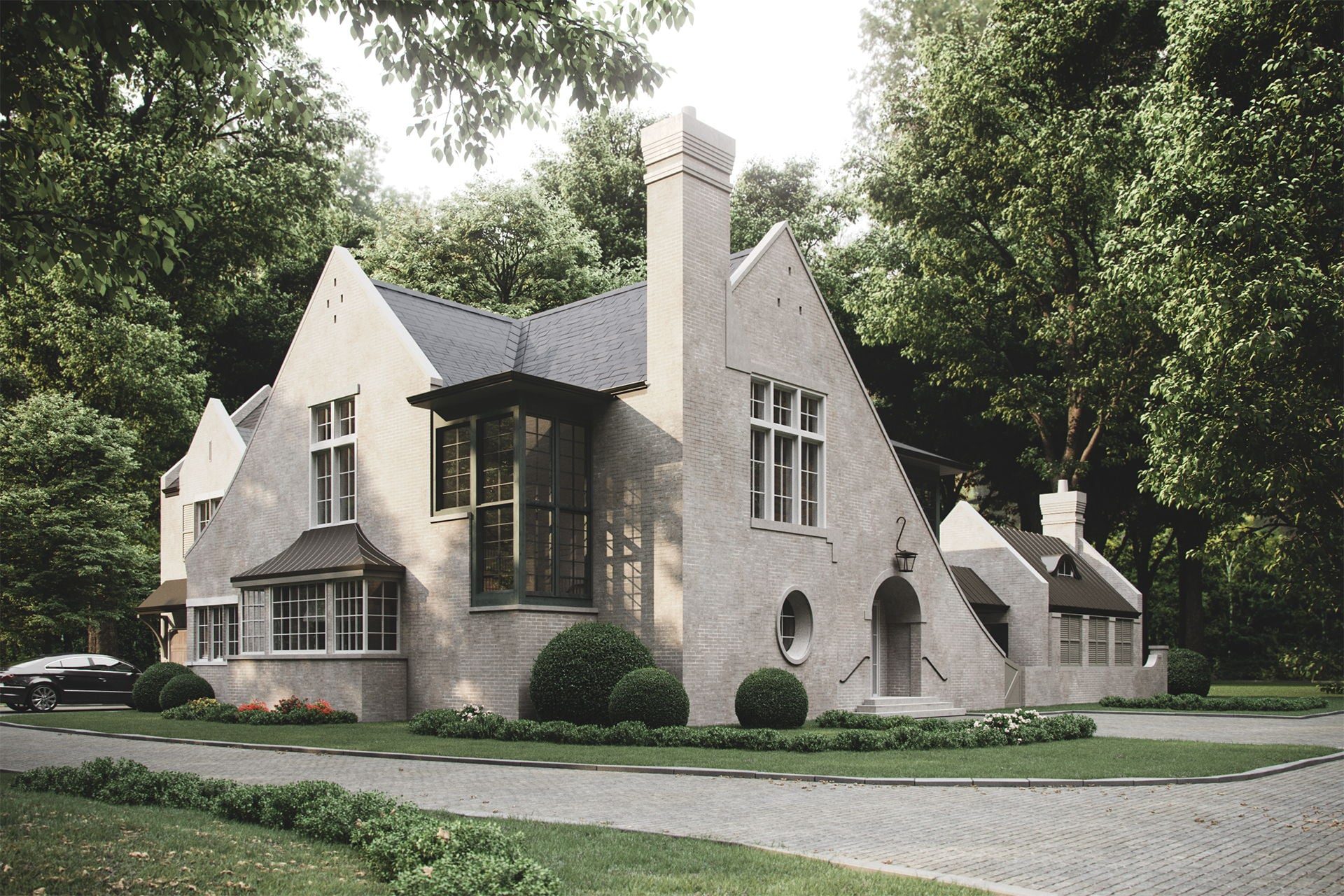
This is where most land listings fall flat. Buyers have a tough time imagining what can go on an empty lot. Use high-quality maps, site plans, and especially 3D drone shots or exterior rendering services to make it real. Show where buildings, driveways, or landscaping could go. The more concrete you get, the easier it is for buyers to see potential.
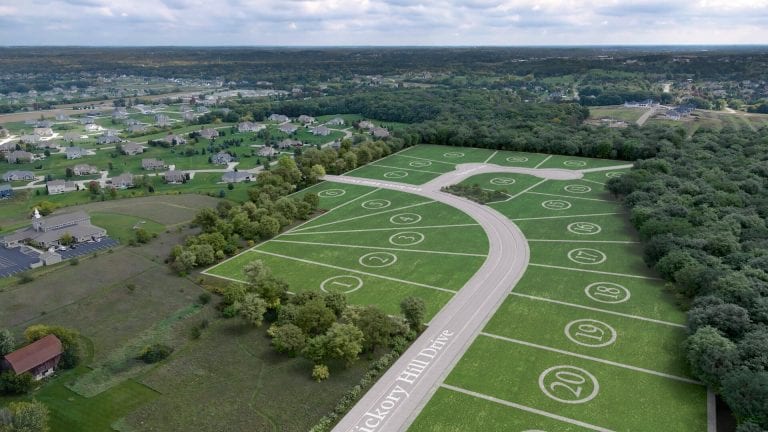
Here is what that looks like in practice. For a 12-lot subdivision in Danville, PA, we combined real drone footage with CGI of the future homes, so buyers saw finished houses standing on what was still an empty field. The full story is in our Danville site plan rendering case study, and more examples of this format live in the Site Integration Animation section of our 3D architectural animation page.
#5. Price It Right
One of the first rules of how to sell land is that if you overprice it, it’s going to sit. Consider past transactions, potential zoning, and the feasibility of construction, not just the seller’s aspirations. The right price attracts real buyers and gets the conversation moving. A few practical ways to get there: pull three to five recent sales of similar parcels within a reasonable radius and compare them on a price-per-acre basis, adjusting for road access, utilities, and zoning. For larger or unusual properties, a professional appraisal is worth the few hundred dollars. And decide upfront what matters more, speed or price: sellers who need a fast close typically list 5 to 10 percent below the comparable sales and make it up in saved holding costs.
#6. List the Right Platforms
Avoid simply listing your property on the Multiple Listing Service (MLS) and relying on luck. Use websites that focus on land as well as regular real estate sites. Write listings that speak to investors and developers. Clearly state the zoning, size, and potential uses of the land.
#7. Stay On Top of Communication
Land buyers usually ask tougher, more technical questions than homebuyers. Quick, clear answers show you are knowledgeable and help build trust. If you’re slow to reply or avoid direct answers, buyers tend to move on. Clear communication prevents buyer drop-off.
#8. Don’t Skip Offline Marketing
Sure, the internet is powerful, but old-school methods still work. Signs, local meetups, networking with industry folks, and reaching out directly to developers can lead to some of the best deals, sometimes the ones you never see listed online.
#9. Be Open to Flexible Payment Plans
Not every buyer can pay all at once, especially for bigger parcels. Offering seller financing, phased payments, or even just being a little flexible makes your listing way more attractive. Sometimes, modest flexibility is all it takes for someone to say yes.
#10. Give Buyers the Full Picture
Include zoning rules, access points, how close the utilities are, examples of what’s possible, maps, photos, everything. The more info you share up front, the fewer questions or delays you’ll deal with later.
Ways to Boost Your Land’s Market Value

Upgrade Infrastructure to Increase Value
Even simple things like a gravel driveway, clear property lines, or hooking up utilities can make your land look a lot more valuable in buyers’ eyes.
Make It Look Better
Clean up the property, trim trees to open up views, do some basic landscaping, or smooth out the ground. These touches help buyers picture what’s possible, especially when they visit in person.
Market Smarter
Not all buyers want the same thing. Aim your message at the right crowd, be it residential builders, commercial developers, or investors. Skip the generic pitch and speak their language. According to the National Association of REALTORS®, 96% of homebuyers use online tools in their search, making quality digital visuals essential for vacant land marketing.
Use Great Maps and Visuals
Clear site plans, professional maps, and aerial renderings help buyers quickly get a sense of the land’s layout and potential. This is even more important with big or oddly shaped parcels.
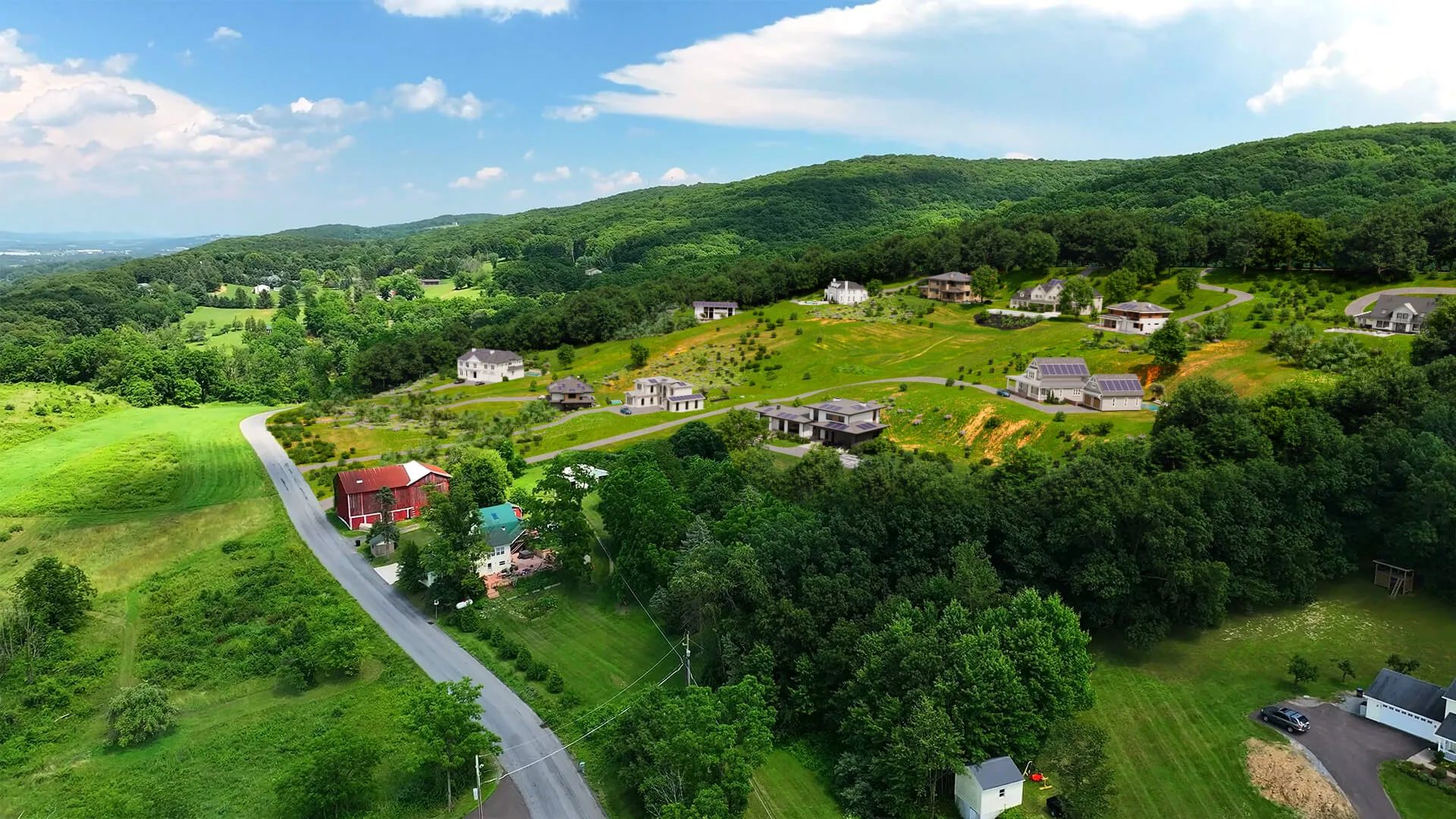
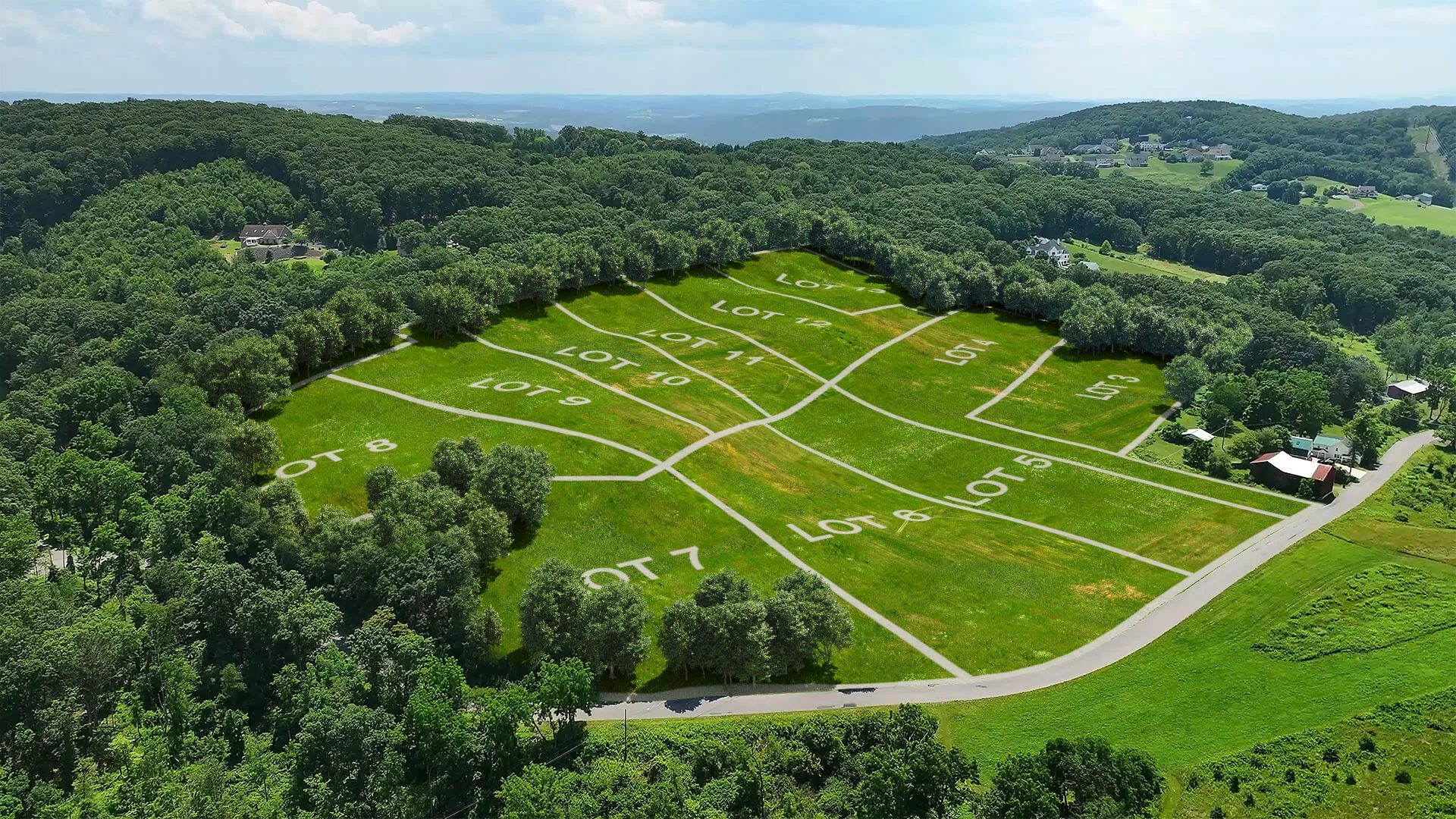
Invest in professional visuals to showcase the land’s possible uses. High-quality photos will help here. However, you can go further to achieve the best results. For this, make the most of 3D rendering for real estate agents. You can use drone footage of the area combined with the 3D renderings of the buildings that can be constructed on land. This will help showcase its full potential. Check out our case study on creating 3D property rendering and providing 3D architectural animation services for Compass Real Estate Agency to get a clear idea of how that works. Another example is the site plan rendering for a 12-lot subdivision in Danville, PA: a colored lot map placed right onto the drone footage of the site, so every parcel reads at a glance.
How to Sell Land Fast: A Quick Checklist
If speed is the priority, work through these six steps in order. Each one removes a typical delay, and together they cover most of what separates a lot that sells in weeks from one that sits for a year.
- Order the survey and gather the paperwork before you list, so nothing stalls the closing.
- Price against recent per-acre comps, and go slightly below them if you are in a hurry.
- Show the potential visually: an aerial photo, a rendered site plan, or a short video instead of a bare lot photo.
- List on land-focused marketplaces on day one, not as an afterthought.
- Reply to every inquiry the same day, because the first thorough answer usually wins the buyer.
- Make local outreach part of the plan: the fastest sales usually go to buyers who already know the area.
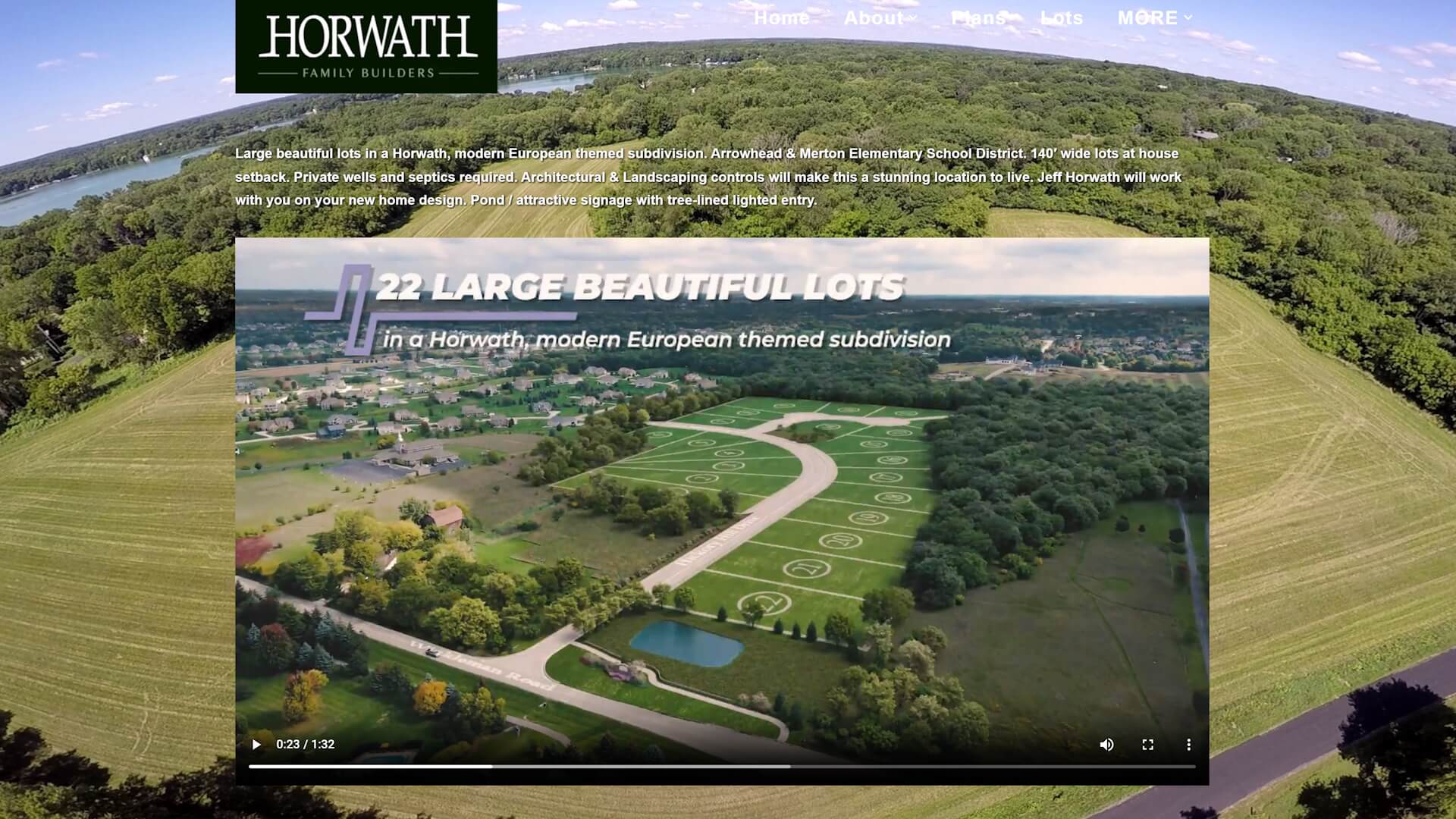
Point three in action: a frame from a land subdivision animation we created to market parcels before construction, with lots, roads, and surroundings shown in one view.
Selling Land to Developers: What Is Different
Development land plays by its own rules. A developer is not buying scenery, they are buying buildable units, so the questions come down to zoning, density, utilities at the lot line, road frontage, and how much engineering stands between the purchase and the first permit. If you can answer those questions in the listing, you save weeks of back-and-forth and filter out the tire kickers.
Two things consistently speed these deals up. The first is paperwork that anticipates due diligence: surveys, environmental notes, and any feasibility work you have. The second is showing the buildout instead of describing it. A rendered site plan that turns raw acreage into numbered lots with roads and driveways lets a developer, and their lender, see the project rather than imagine it. That is exactly what we did for a 12-lot subdivision in Danville, Pennsylvania: drone footage of the actual site combined with a CGI overlay of the planned lots. You can see that video earlier in this article, and here is the rendered lot layout itself.
The same approach works at a larger scale: in this land subdivision visualization project, an animated master plan helped market dozens of parcels before a single road was built. For sellers, the takeaway is simple. If your land’s best buyer is a developer, show them the development, not the dirt.
Want to learn how much your project costs? See how we evaluate 3D rendering projects
Final Thoughts
Selling vacant land involves providing information and stimulating the imagination of potential buyers. Buyers need the details, but they also need to see what the land could become. When you bring together solid info, real-world pricing, and outstanding visuals, you turn uncertainty into excitement. With the right prep and a strong marketing plan, land often sells faster and for more than most people think.
When the land is ready to market, visuals decide how fast it moves: how real estate CGI helps properties sell faster explains what photoreal imagery does for a listing, and our CGI ad campaign ideas offers campaign formats that work for land just as well as for houses.
Looking for CGI services to visualize the full potential of properties you sell? Contact us to get 3D renderings, virtual tours, and much more for a reasonable price! Related reading: real estate 3D rendering for Blue Ocean Property.
Frequently Asked Questions About Selling Land

Stacey Mur
Content Writer, Copywriter
Stacey is a content writer and a CG artist. Outside of work, Stacey enjoys musicals, Star Wars, and art talk. A proud Corgi parent.