


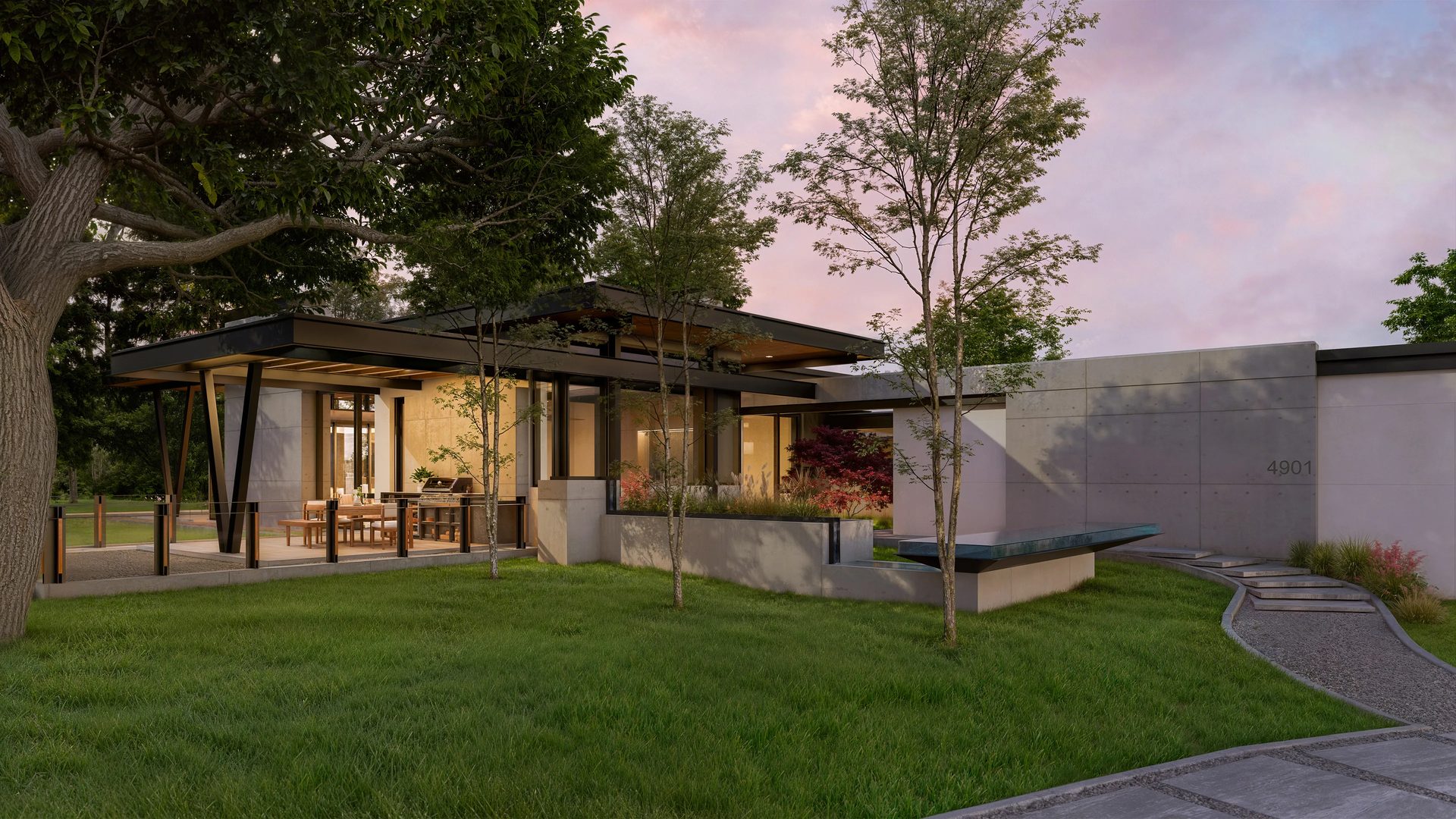
3D exterior rendering services begin with a brief. CG visualization brief must contain all the documents and references an architectural rendering company needs for smooth project work and accurate depiction of a design. The more details it specifies, the fewer questions arise during the work process. If the information is incomplete and the wording is blurred, this may lead to additional discussions, unnecessary clarifications, revisions, and results delays.
Meanwhile, a good brief will allow for minimum edits in the future. It will give 3D artists a full understanding of what renderings they need to create and the location of all the elements and items. The architect will not waste time on big edits and will receive the results right on time. Moreover, with a good brief, communication between the architect and his 3D team won’t take much time and effort. Wonder how to fill in the brief to get such results? That’s easy – you’ll just need to include there these 6 points.
#1. General Information About the Project
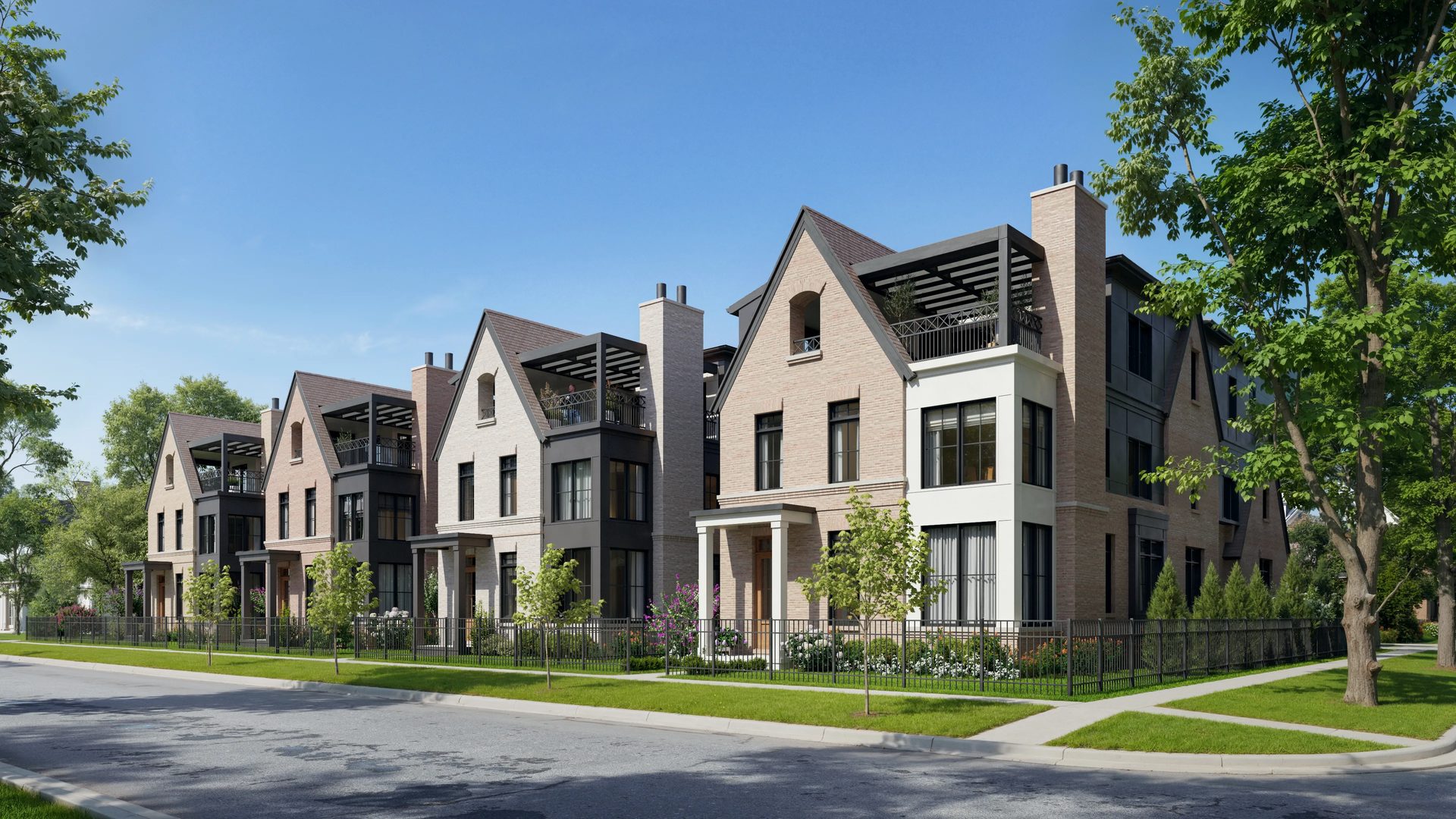
For 3D exterior rendering service to produce top-quality work, the brief should naturally include three key dates: the date of the request, the date of the first draft, and the date of the results delivery. In addition, it is important to specify the type of building, and camera height – eye view or bird view.
Also, it is essential to specify the camera angles that need to be shown in the 3D exterior rendering. There are several ways to do this.
The most convenient option is to show the required angle using views from Rhino, Revit, or SketchUp 3D architectural models.
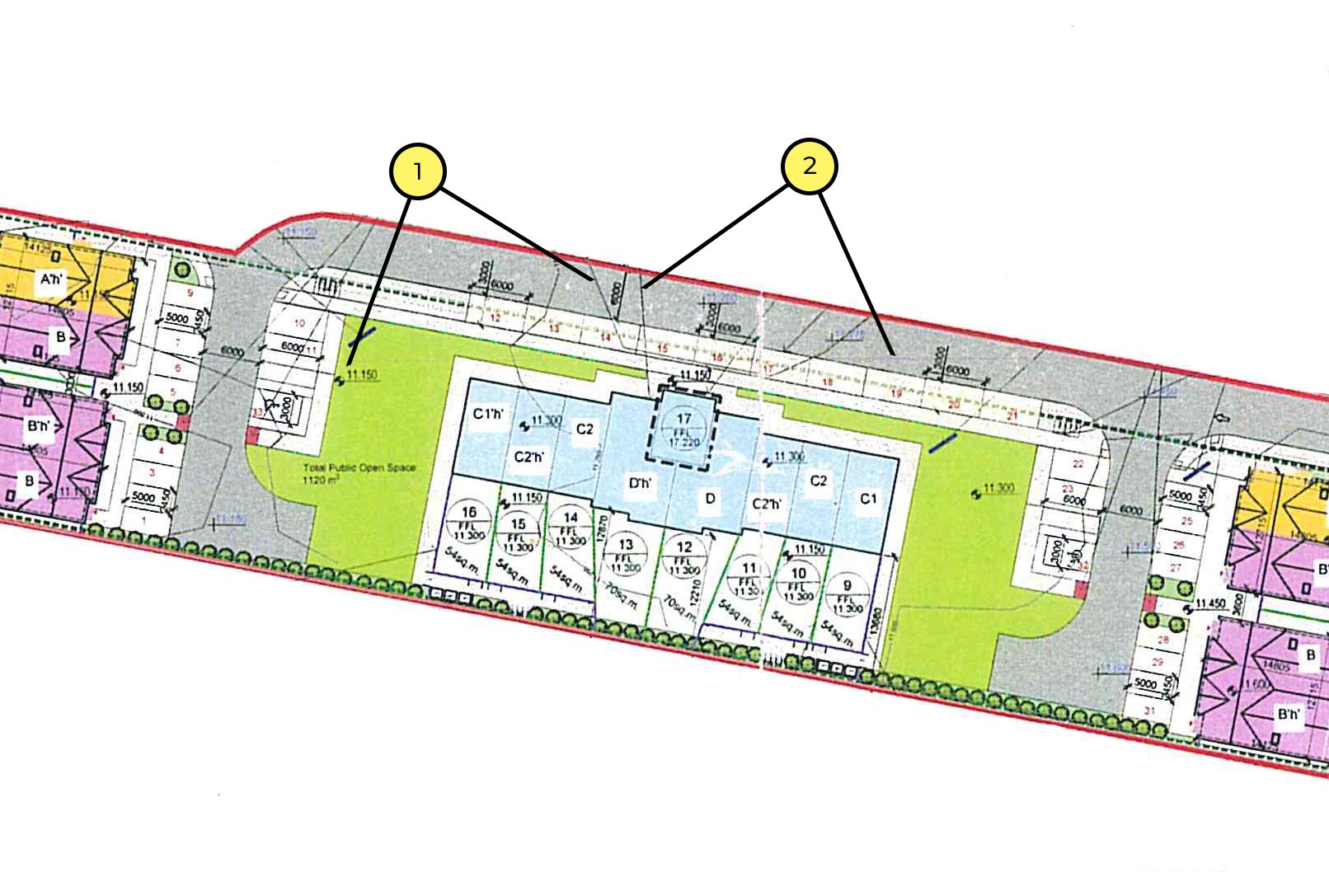
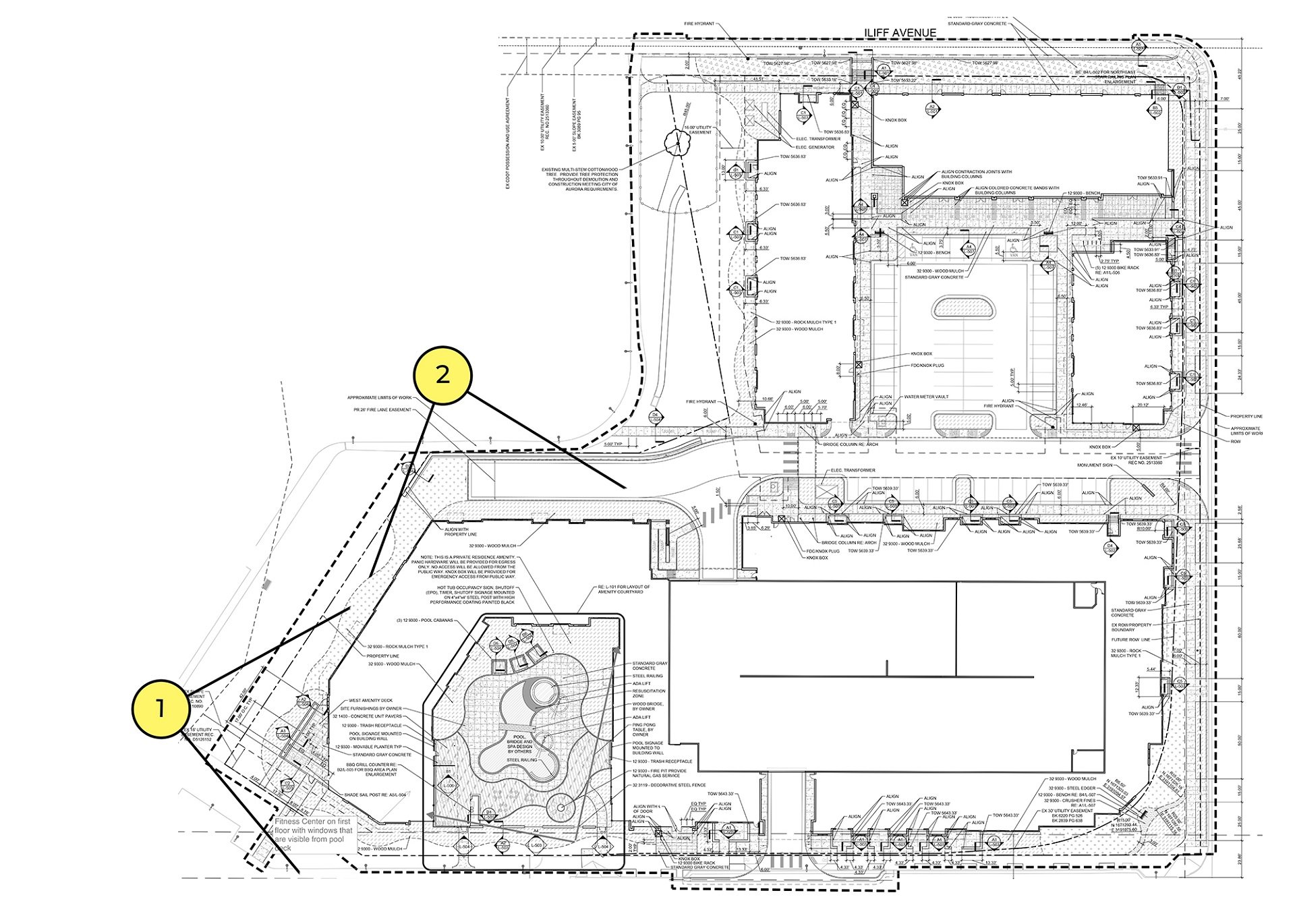
Another way is to indicate the required camera views on the plan.
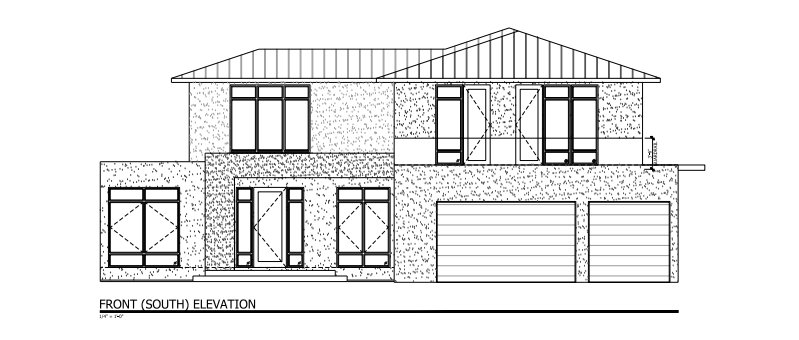
You can also use an elevation drawing to define the camera angle for architectural 3D visualization.
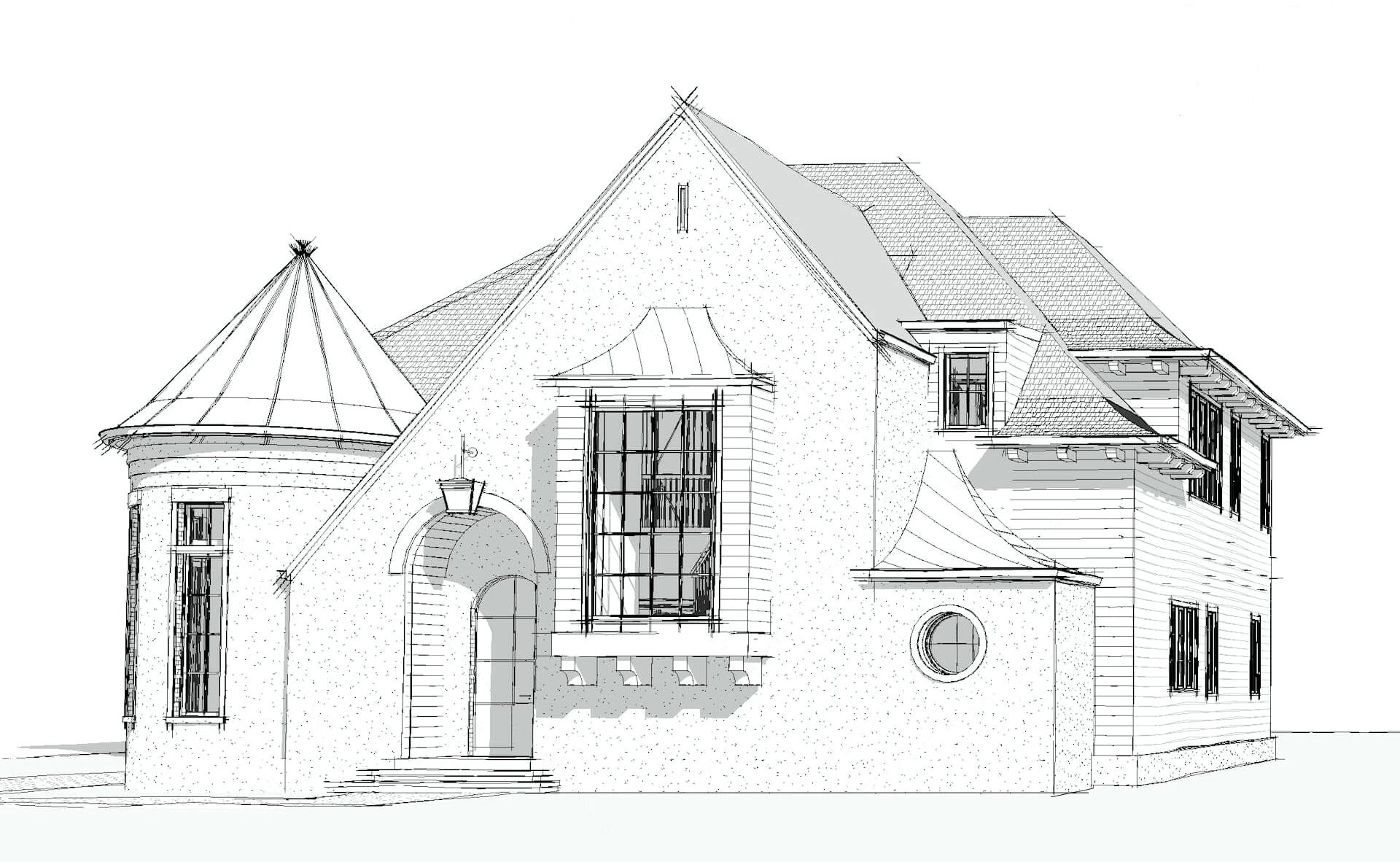
Finally, even if an architect cannot use any of the options mentioned above, they can draw the needed views by hand. All this information will give the 3D modeling studio a general understanding of the project and deadlines.
If you need help choosing the view, see this article on the most impactful camera angles for exterior rendering.
#2. Drawings
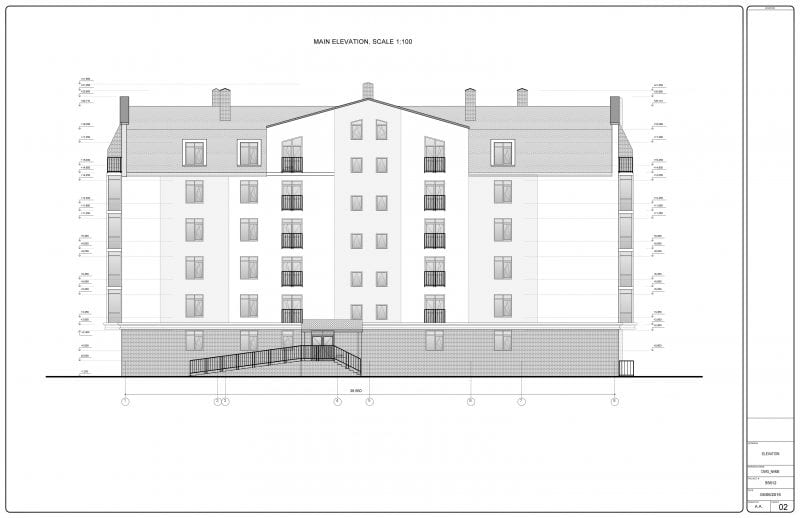
In addition to general information for 3D exterior rendering services, it is necessary to provide project drawings. This key point includes building elevations, building sections, floor plans, roof plans, and Revit/Sketchup model. All this information is crucial for describing the scope of work and getting accurate results for any real estate project.
See how exterior CGI wins client confidence at the idea stage
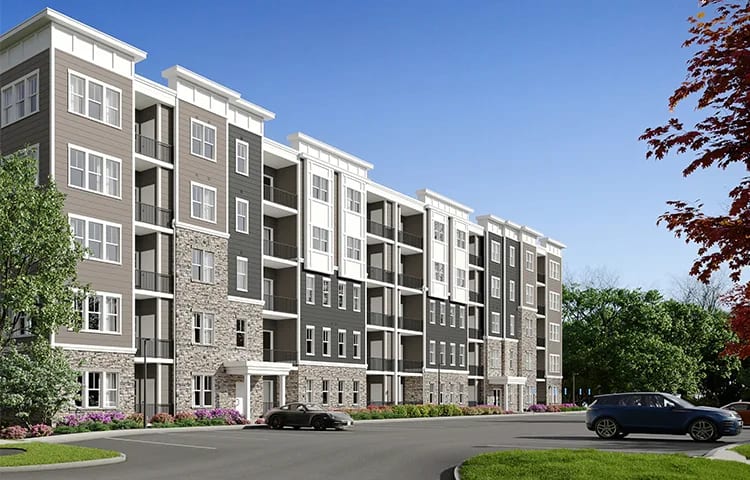
#3. Environment Specifications
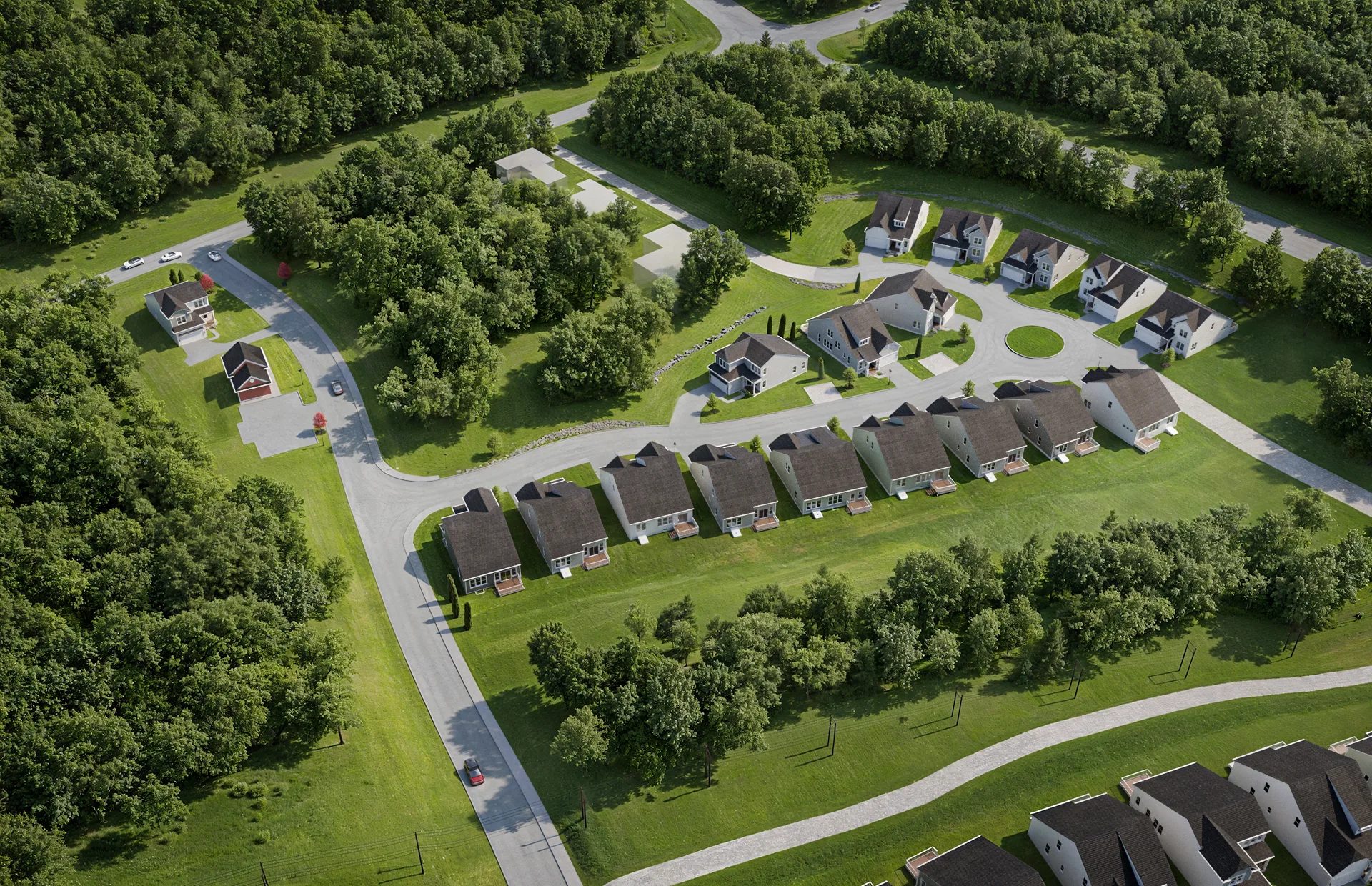
It is important to describe the environment in which the building should be situated. This part of the instructions for 3D exterior rendering services requires such documents as site plan, landscape plan, site photos, google maps coordinates, greenery preferences. The more, the better – for the entourage greatly influences the overall picture.
#4. Architectural Elements and Finishes
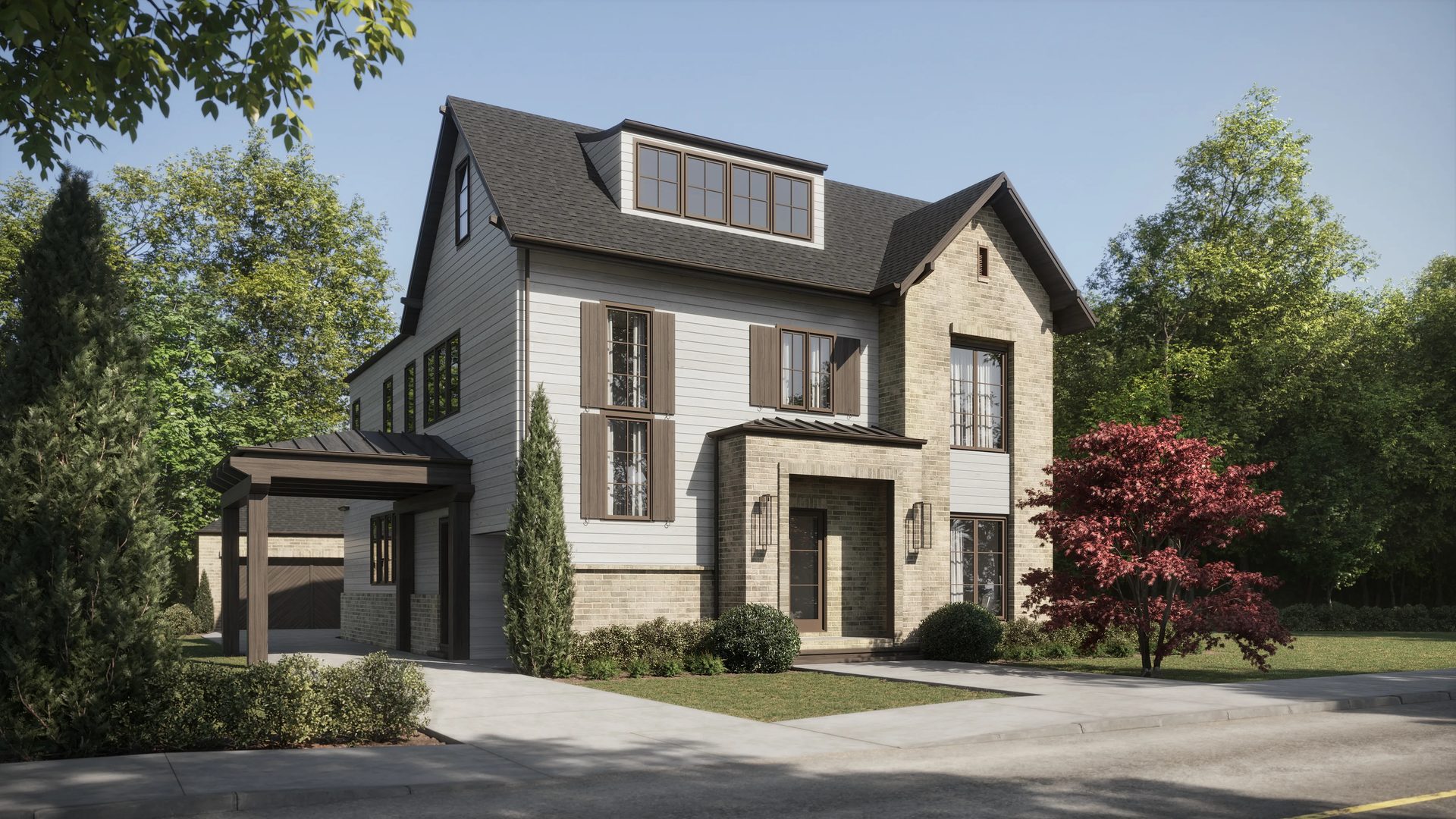
This part of the brief for exterior 3D rendering services should include all available characteristics and parameters about roof materials, trim, window and door frames, shutters, walkways, and wall finishes. These specifications are crucial for the proper transmission of an architect’s idea. The availability of all the necessary information will directly affect the final result. If the architect forgets to mention something important here, the exterior visualization might need major corrections and more time. All these details will help the 3D architectural rendering outsourcing team to frame the main work object and give it the necessary traits.
#5. Exterior Rendering Mood
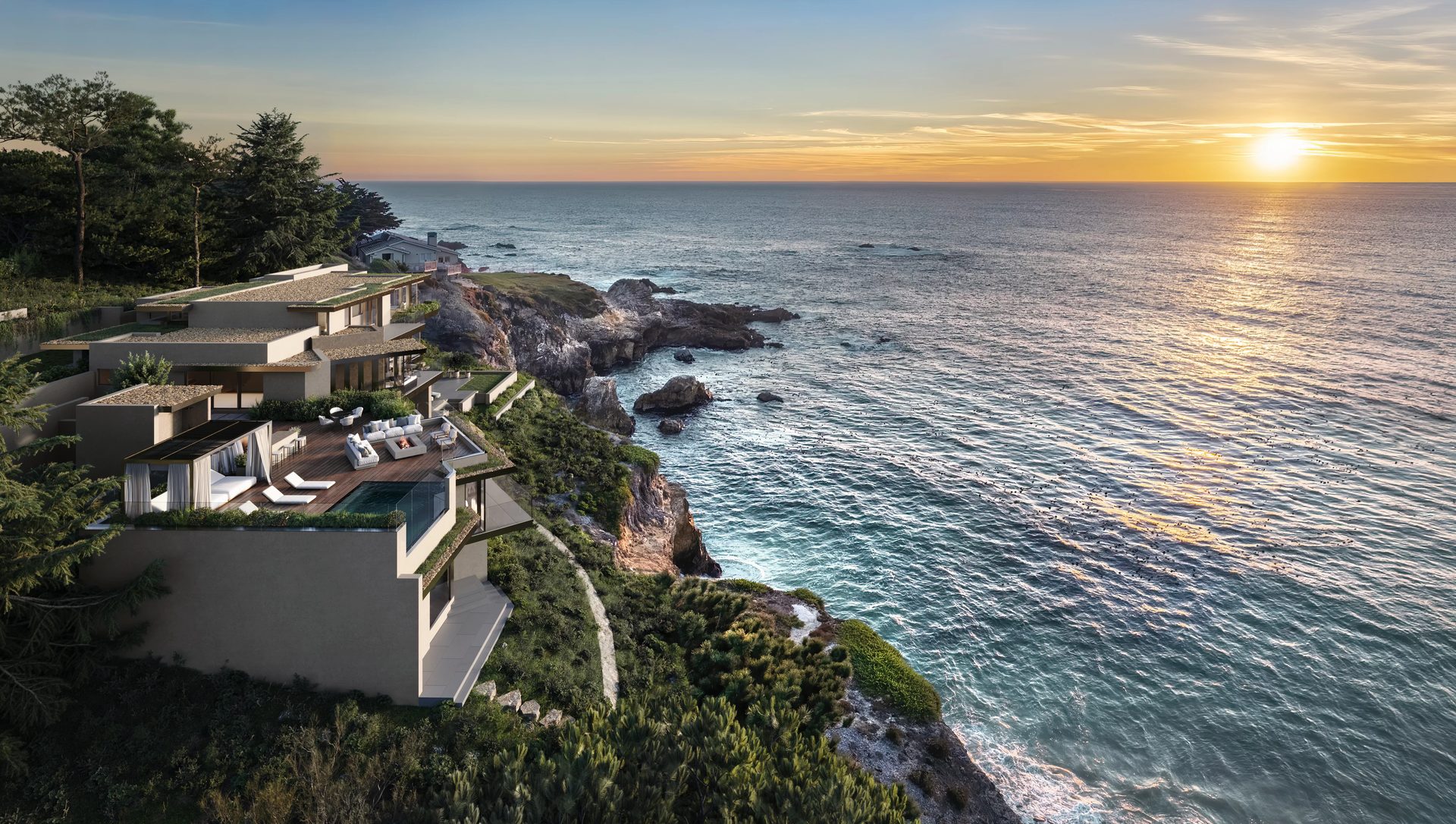
The product of 3D exterior architectural services is not just an eye-catching marketing visual. It is an image that evokes emotion. For this reason, it must be atmospheric and convey a clear mood. This effect is achieved through specific elements, with lighting being the most important.
That’s why the client should specify the time of day for exterior design 3D rendering services – day or night, morning or evening. In addition, it is important to add the final details of the environment, namely people, animals, cars, and so on.
This is especially important for cityscape and artistic 3D renderings. More details on these and other types of renders, as well as CGI quality assessment, pricing, and timelines, can be found in our architectural rendering guide.
#6. Exterior Render Properties
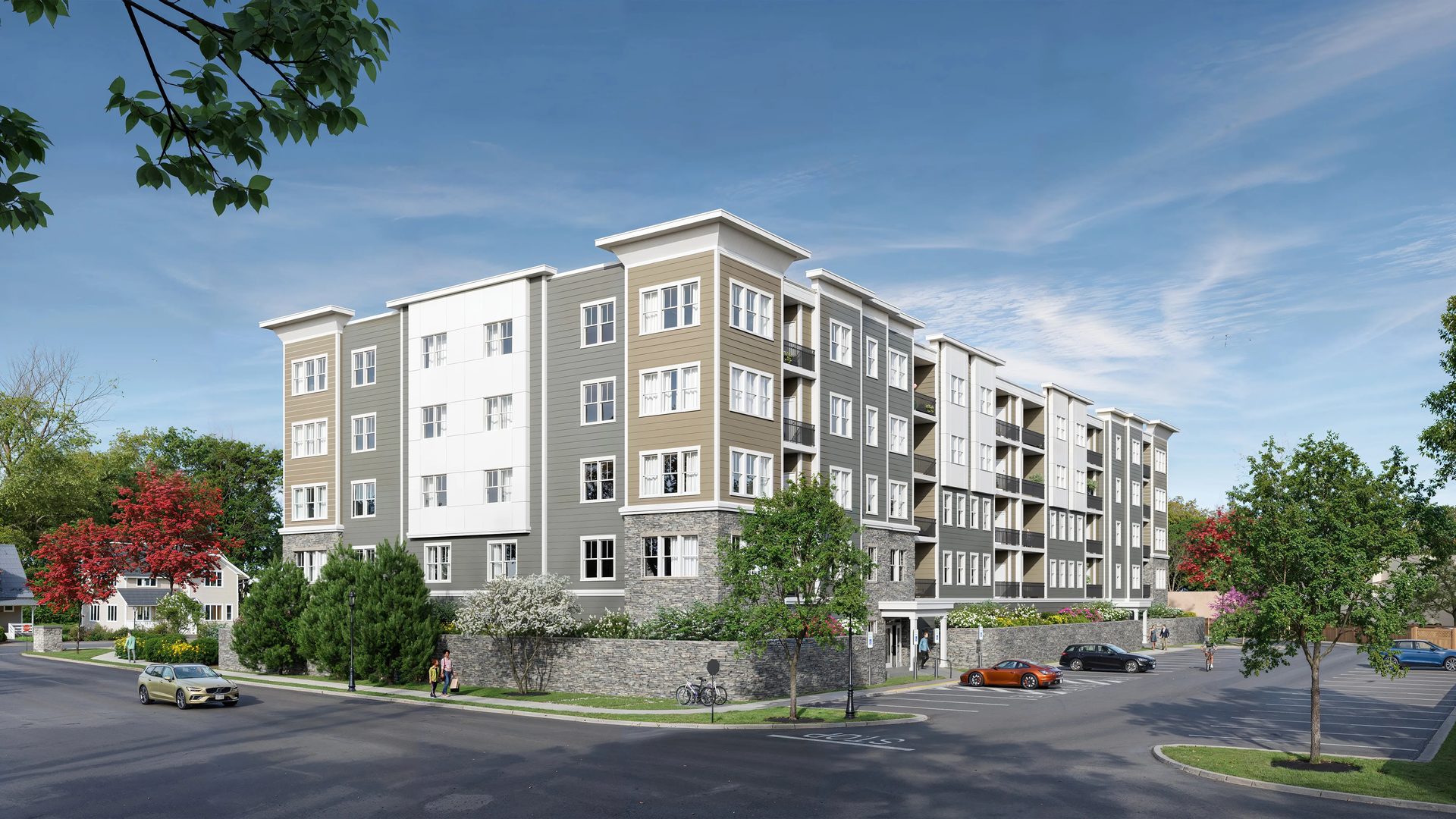
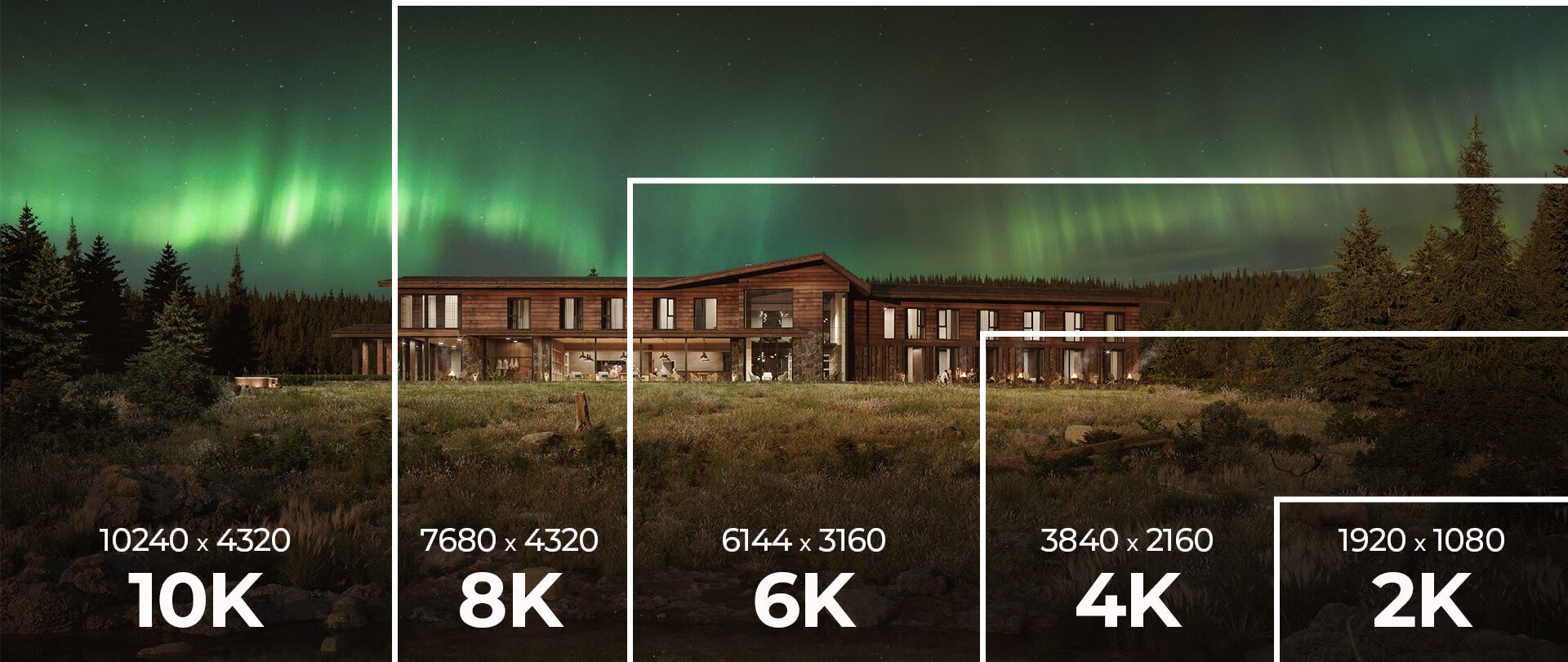
The last block should include image properties. It is important to specify the number of views, as well as the format and resolution of 3D renderings. Also, the purpose should be indicated, because this could influence working time, cost, and quality. For example, if the picture of a house is used in a magazine or catalog where a potential buyer looks at it closely, then the DPI parameter will be high so that every detail can be seen. When the render is required for a huge banner that hangs on a bridge over the road, the DPI can be much lower – since people look at the image from afar, they won’t see the detailing.
A detailed brief ensures timely, high-quality results. They simplify communication between the architect and the 3D studio and reduce the chance and number of edits. Using the 6 tips above while working with exterior rendering services, you can build a great brief for a project – and get impeccable design representation, full of style and atmosphere.
Want to learn how much your project costs? See how we evaluate 3D rendering projects

Want to get jaw-dropping photorealistic materials for your presentations? Contact ArchiCGI for 3D rendering services and impress your clients with photorealistic visuals.

Irma Prus
Content Writer, Copywriter
Irma writes articles and marketing copy for ArchiCGI. Her dream is that more people discover the power of CGI for architecture. Irma is into neuromarketing, ruby chocolate and Doctor Who series.

Comments
Mark Q
Catherine Paul
Peter
Claire