Interior designers manage many competing demands in their work: creativity, client expectations, timelines, and budgets. Amidst all that, presenting concepts clearly and getting quick approvals can be a challenge. Professional interior rendering services help bridge this gap. That’s where a 3D render for interior design can make a real difference. This tool has become essential for modern workflows, helping design professionals turn ideas into photoreal visuals before any actual work begins.
As a 3D rendering studio, we work with interior designers who want to enhance their presentations, reduce revisions, and impress clients. Based on our experience, we’re sharing insights into how 3D visualization services help design pros work smarter.
#1. What Is a 3D Render for Interior Design?
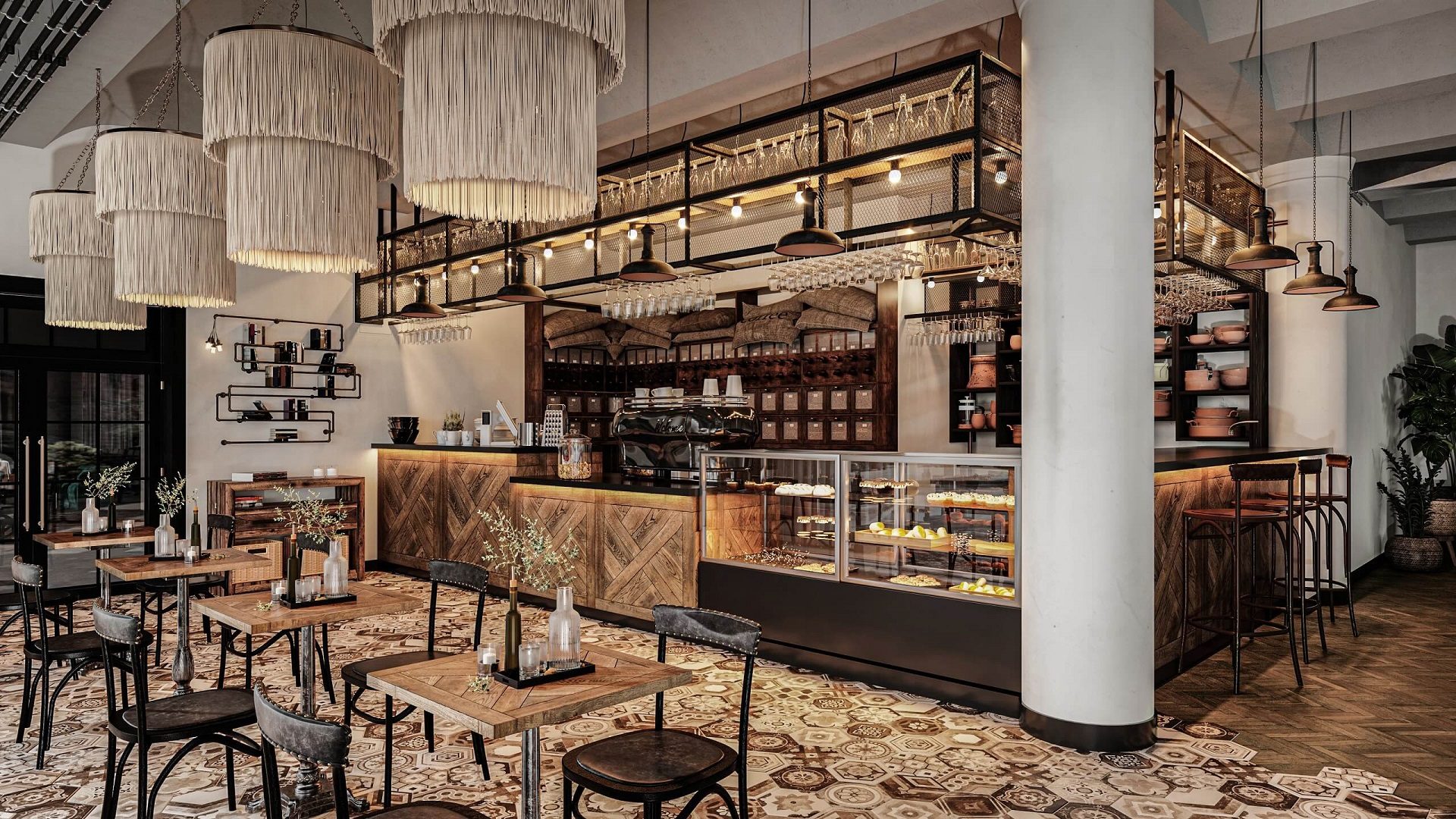
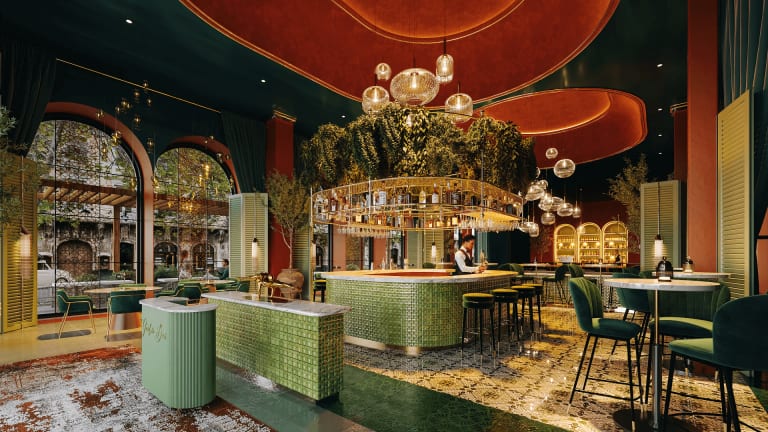
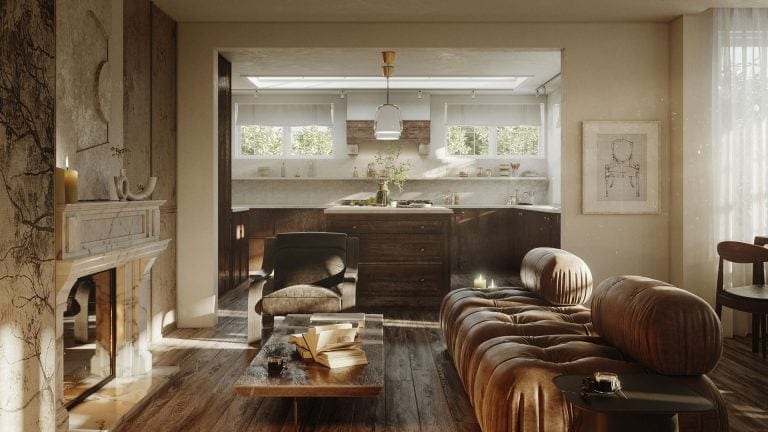
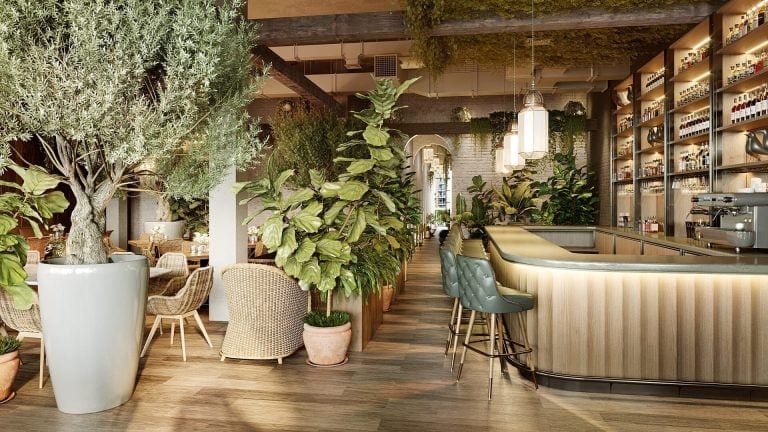
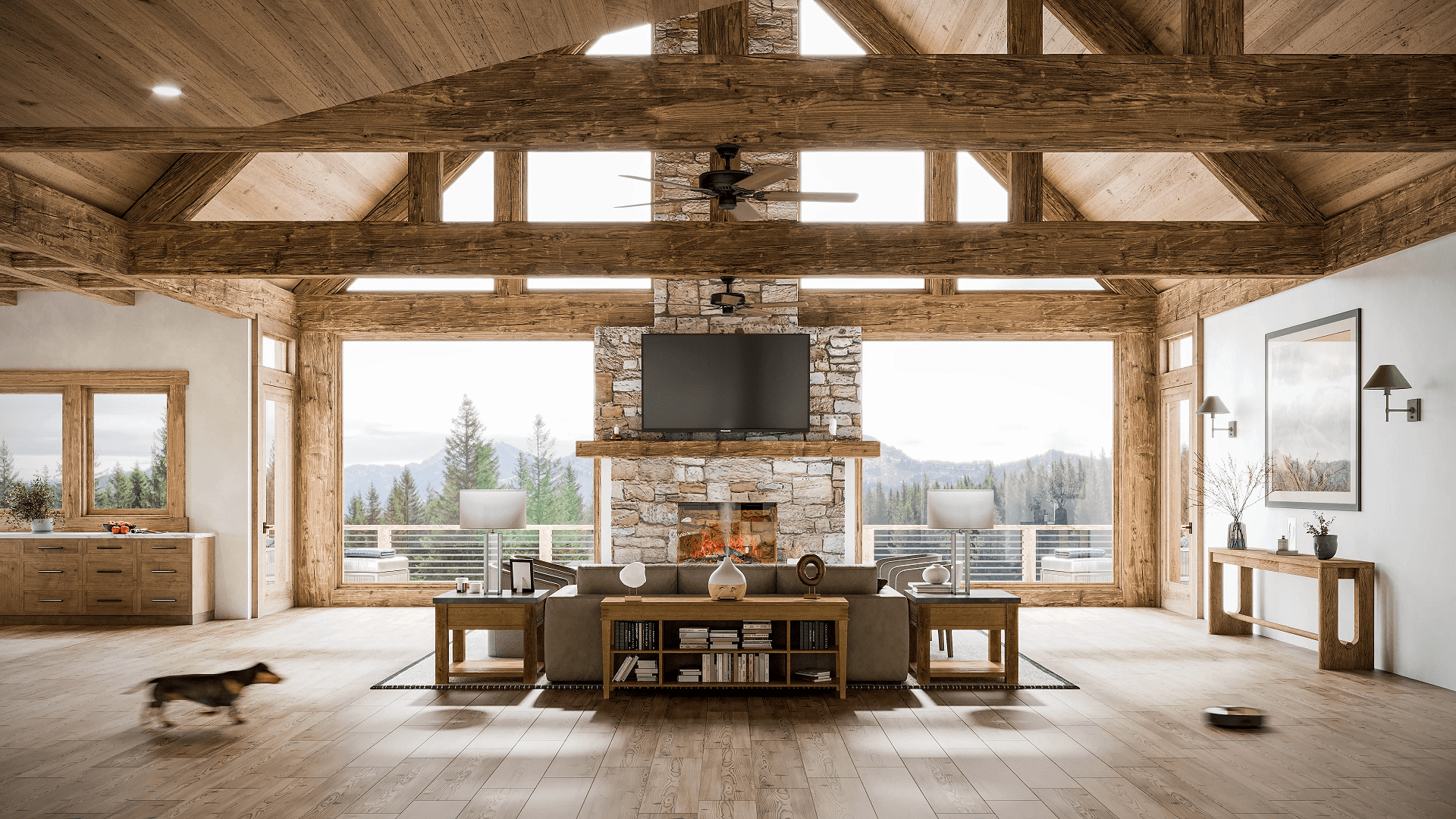
A 3D rendering for interior design is a computer-generated image that offers a realistic view of a proposed space. It translates floor plans, mood boards, and sketches into a polished visual with decor, furniture, realistic textures, and lighting. These renders allow interior designers to preview how a space will look before being built or renovated. They provide clarity for both designers and clients and ensure they’re on the same page. That is why 3D interior rendering services have become a must-have in the industry. Whether it’s a home renovation or a commercial fit-out, 3D visualization makes the design intent crystal clear.
#2. Why Interior Designers Outsource 3D Render
Most interior designers don’t create 3D visuals in-house. Instead, they outsource render tasks, and for good reasons. What are they?
#2.1. Time-Saving for Core Design Work
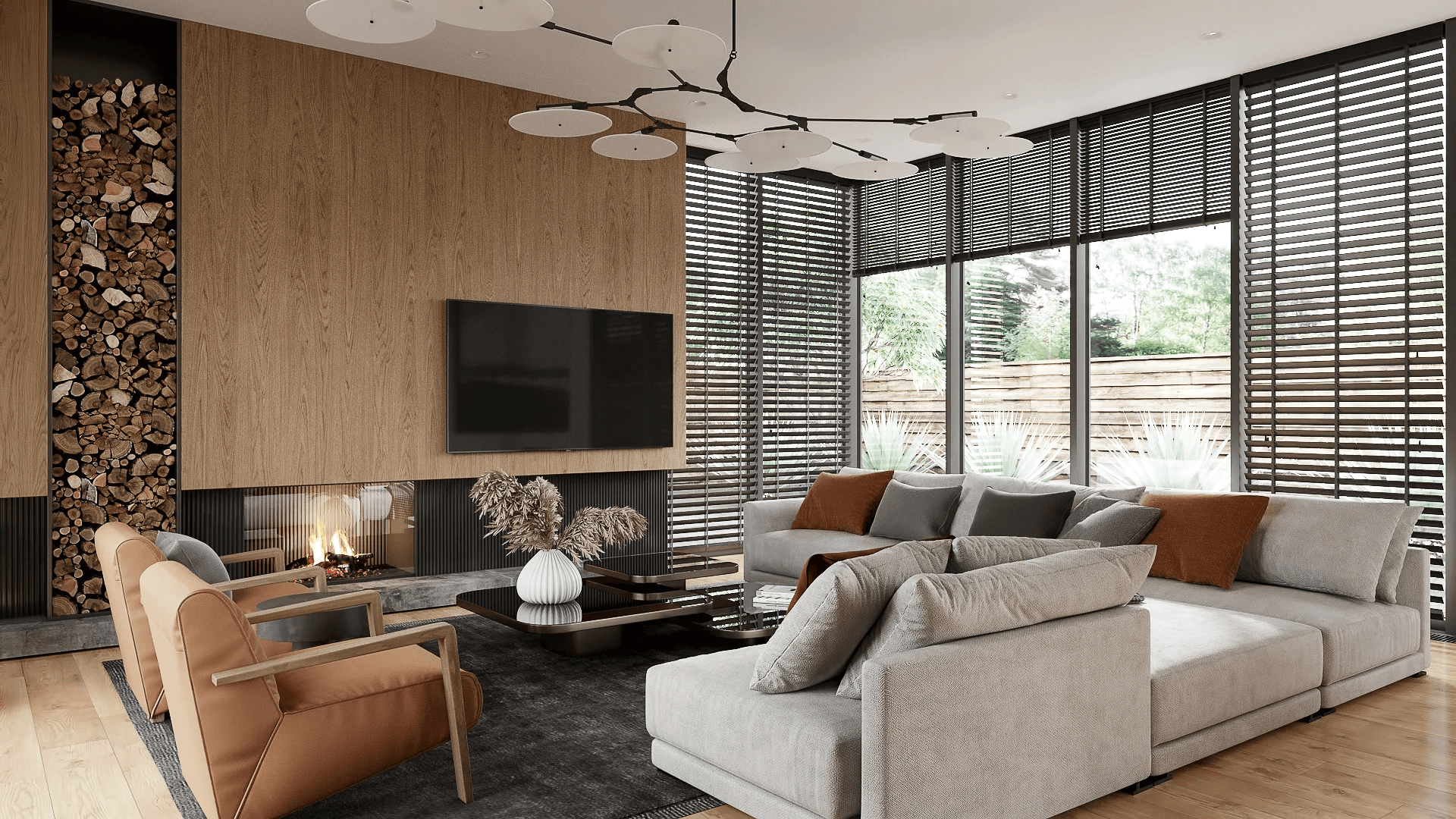
3D rendering for interior design means hours of modeling, texturing, lighting, frame computation, and post-processing. With a studio doing this work, the hours return to concept development, material selection, and client communication: the side of the job that stays with the designer. That shift shows up across the whole schedule:
- Parallel workflows. While the studio produces the images, the project keeps moving: site visits, procurement, drawings, other commissions. Production stops being a bottleneck, and more projects can run at once.
- Corrections executed on the studio’s clock. Even a clear image leaves client adjustments: a different sofa, another lighting scenario. Handled in-house, each change costs hours again; delegated, it proceeds without touching the designer’s calendar.
- A free workstation. Render calculations lock the machine, and CAD work stops meanwhile, so the time is lost on top of the cost of the equipment itself.
- One working mode. Switching between design decisions and technical production breaks focus; delegation keeps the designer in one lane.
- The time-zone effect. Feedback sent in the evening becomes a finished result by morning: the studio works while the designer sleeps.
- Predictable deadlines. A studio commits to a delivery date; images squeezed between meetings slip. The client presentation becomes a fixed point.
The result: every hour stays where it earns the most, in design itself, with the same team moving faster.
#2.2. Lack of In-House Rendering Expertise
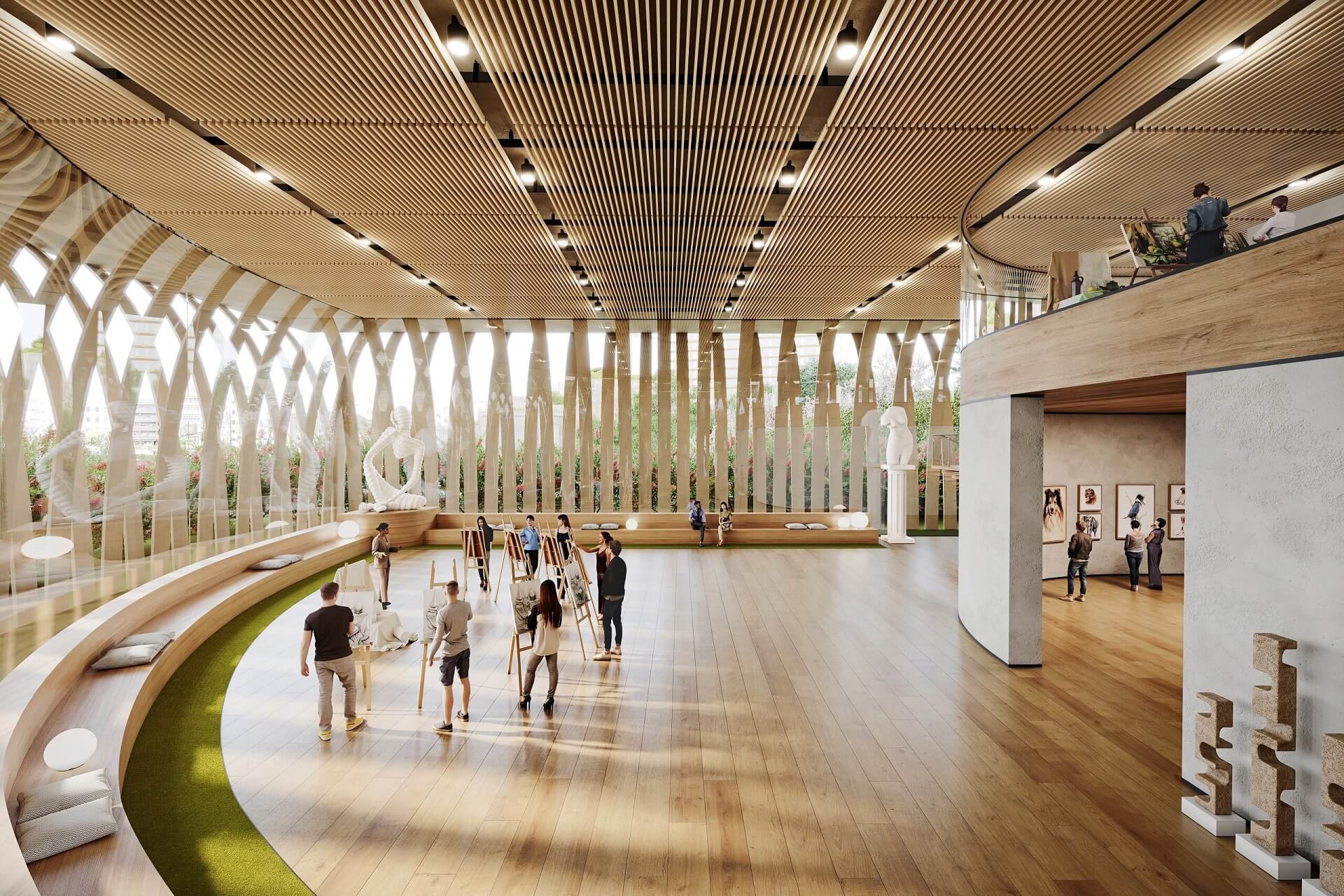
Creating a good 3D render is a technical craft. It involves using complex software and knowing how to mimic real-world physics like light bounce and material behavior. Many studios or independent designers simply don’t have a dedicated CGI artist on the team, and they do not need one full-time. Our article on outsourcing CGI for interior design explains how the external model works in practice.
#2.3. Access to Specialized Tools and Skills Without Investment
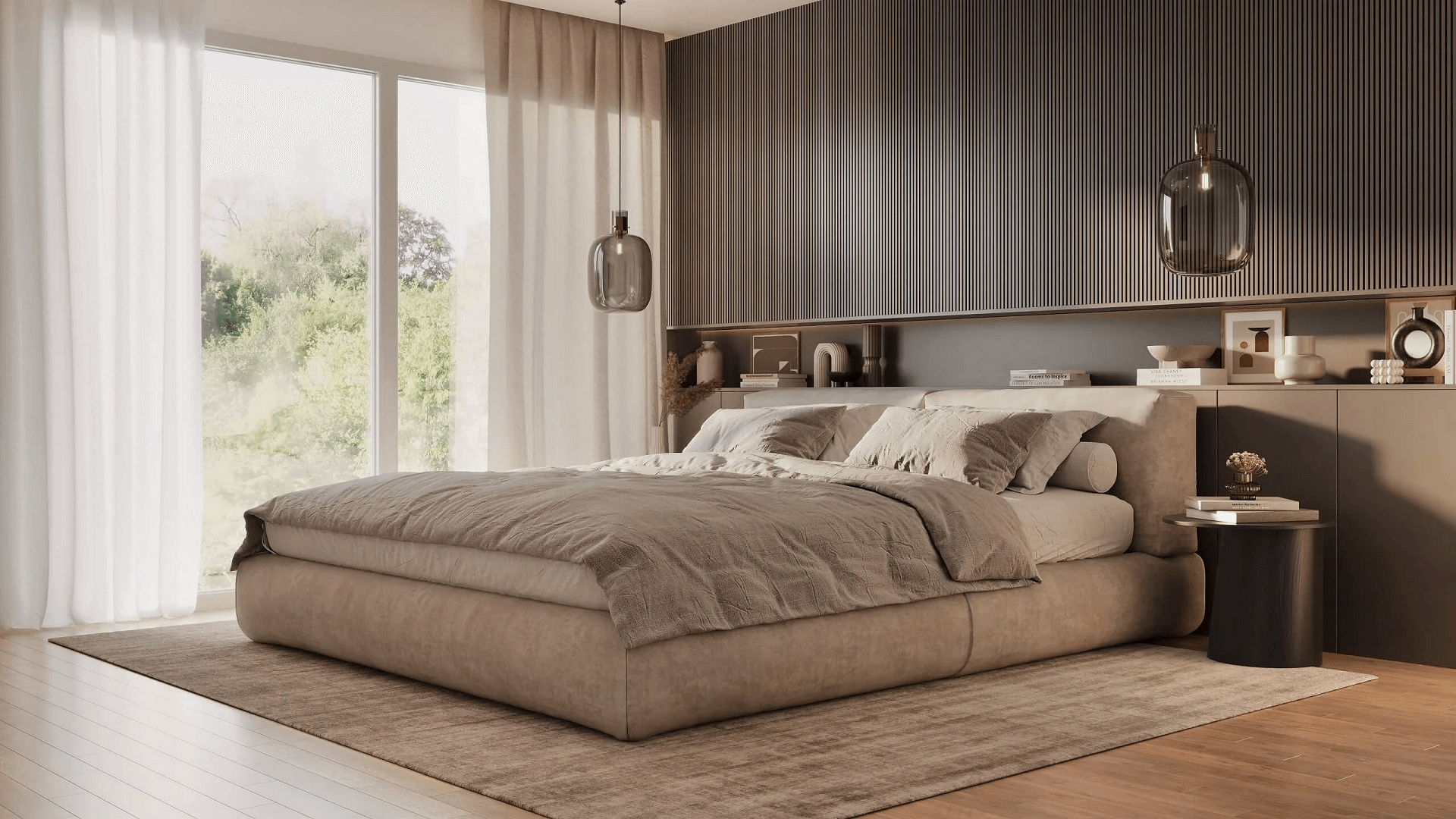
Professional 3D rendering companies already run the full production stack that visualization requires: current software, powerful hardware, and trained specialists. Designers who outsource gain access to all of it without buying licenses, equipment, or training. Consider what an in-house setup actually costs:
- Software alone: a 3ds Max subscription runs about $1,900 per year, and a Corona or V-Ray seat adds $400 to $840 on top.
- Hardware: distributed render nodes cost roughly $200 each annually, before the workstations that drive them.
- People: a skilled 3D artist’s salary adds tens of thousands of dollars, a fixed expense whether projects come in or not.
Outsourcing turns that overhead into a variable cost. You can scale visualization volume up for a busy quarter and drop it to zero during slow months.
The pace of technology matters just as much. Engines get updated, plugins come and go, AI keeps changing how scenes are built, while every shift means retraining hours that land on the studio, not on you. Asset libraries work the same way. Years of accumulated furniture, decor, and material models sit ready on the vendor’s side, and a designer starting from zero would need ages to gather a fraction of that.
So for a solo designer or small firm, the numbers favor outsourcing. To hand your visuals to a studio, fill out our interior rendering brief. It helps deliver results faster and exactly to your requirements.
#3. Key Benefits of Using 3D Visualization Services
Outsourcing renders saves time and helps with design quality, client satisfaction, and business growth. Research published in the IPHO Journal of Advance Research in Science and Engineering (Diaz Munoz, 2026) found that 3D rendering in architectural workflows improves stakeholder engagement and supports better decision-making.
#3.1. Faster Client Approvals Through Realistic Visuals
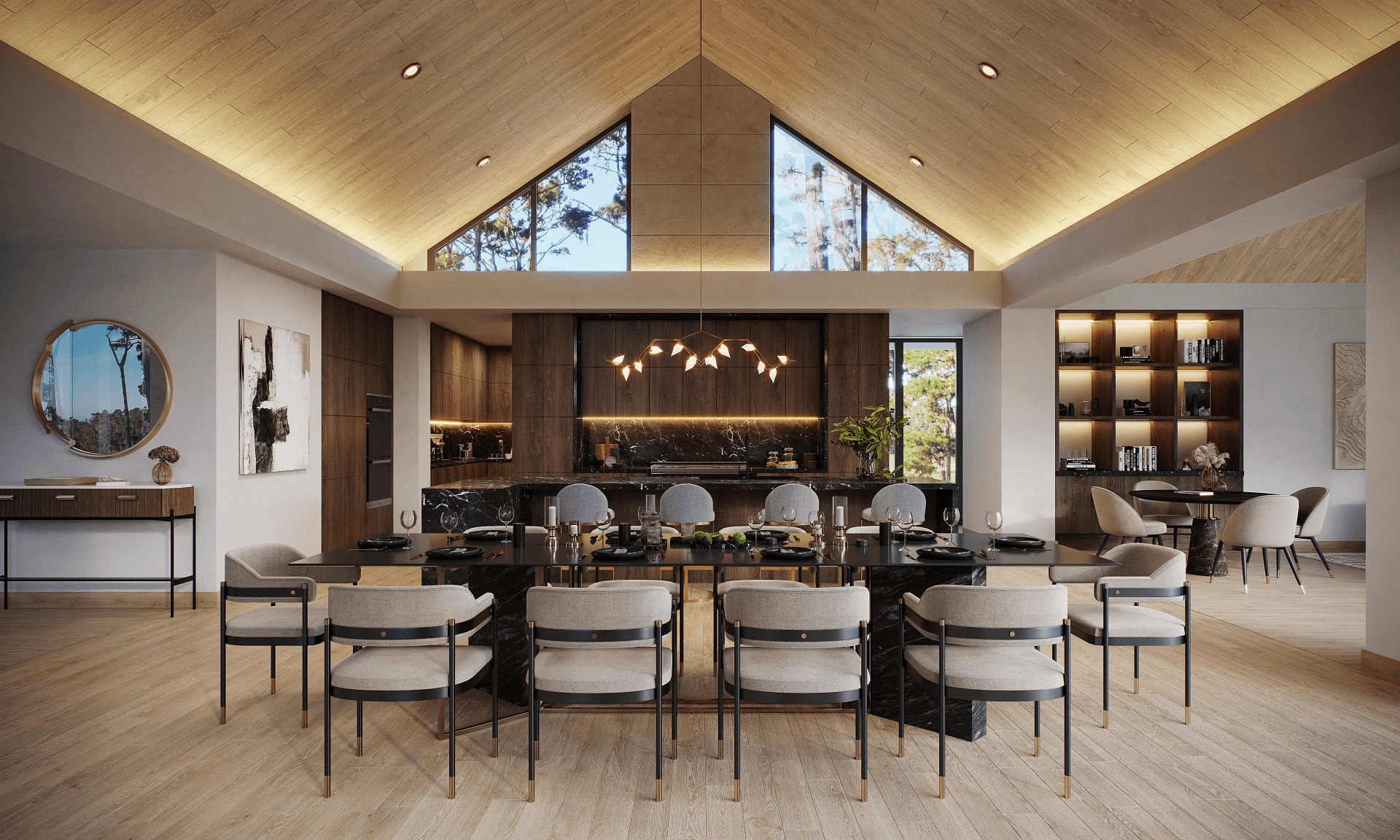
Photorealistic 3D visuals help customers “see” the final space. This reduces confusion and builds trust early in the process. A Chaos and Architizer study found that still-image renderings remain the most valued client deliverable, which confirms that 3D rendering for interior design is one of the most impactful tools for winning approvals. As a result, designers can speed up project timelines. More on this in our piece about using 3D design tools to win client approvals.
#3.2. Better Communication of Design Intent
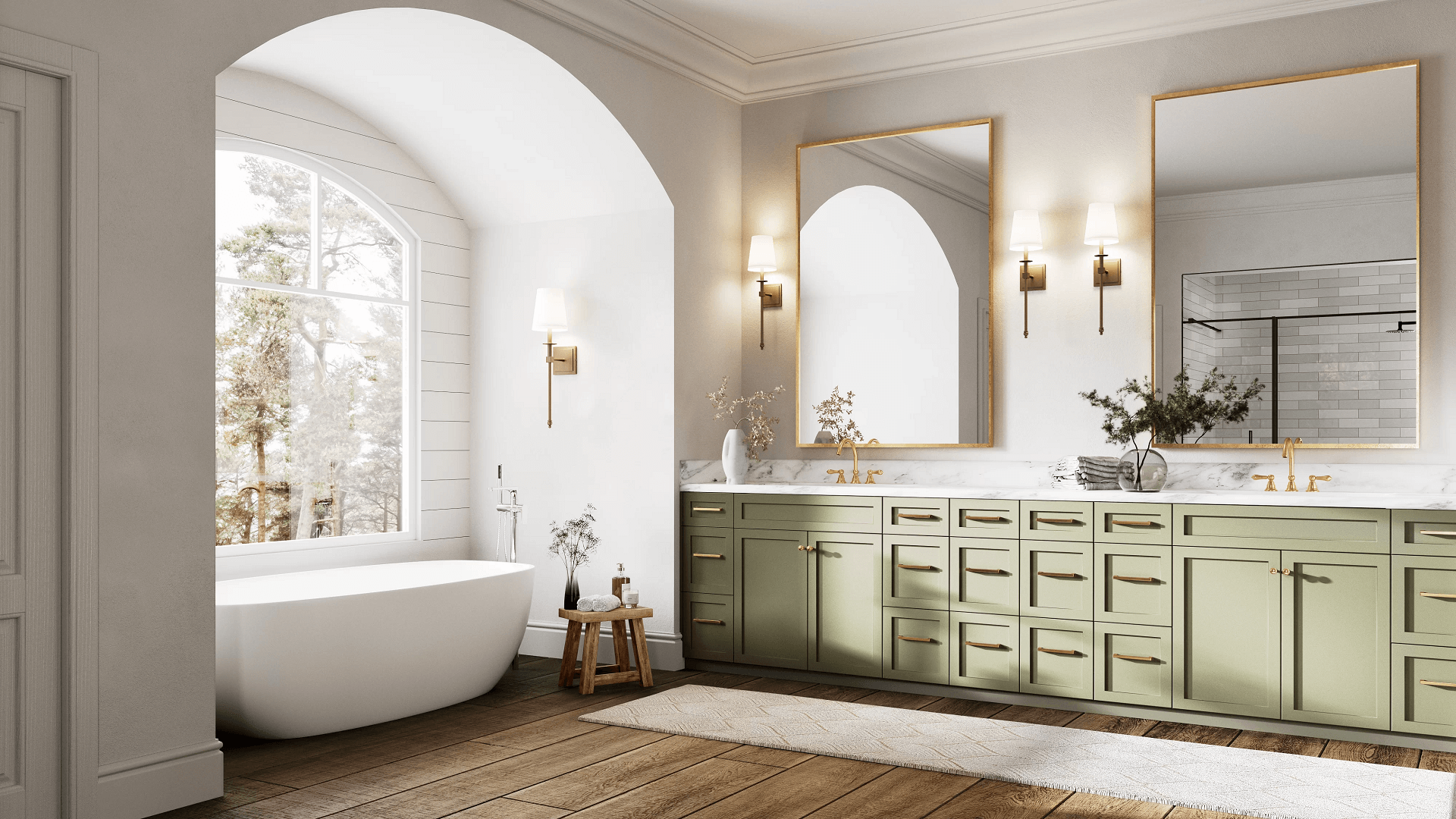
For non-professionals, plans and sketches leave too much to guesswork. Interior design 3D visualization removes that ambiguity, and its value as a communication tool goes well beyond the client presentation:
- On the construction site. Used alongside technical drawings, renders give contractors a clear visual reference, reducing misinterpretation during the build.
- Across language and distance. Verbal descriptions fail international clients and remote stakeholders; an image needs no translation.
- The intangibles. Mood, time-of-day lighting, the atmosphere of a space: technical documentation cannot carry this emotional register at all.
- A/B options. Two material or color schemes shown side by side turn a vague conversation into a concrete choice.
- Documentation. Once approved, a rendering serves as a fixed benchmark if disputes arise later over what was agreed.
In short, a strong visual does the explaining at every stage: for the client at the presentation, for the builder on site, and for both sides if questions come up months later.
#3.3. Reduced Number of Revisions
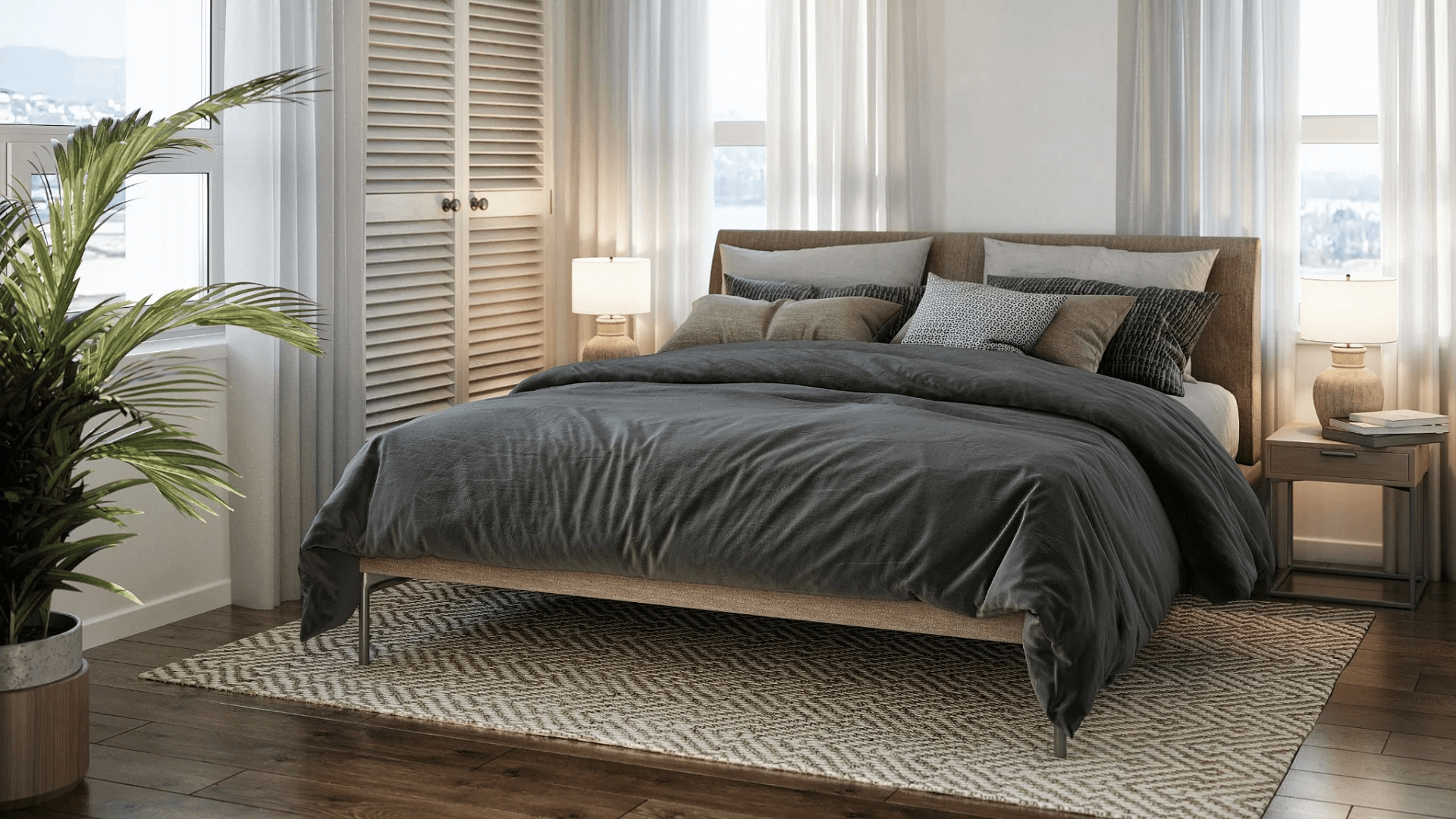
When customers understand the design from the start, there are fewer changes later. Clear visuals minimize back-and-forth and help spot potential issues early. That means fewer delays and a smoother workflow.
#3.4. Competitive Edge in Presentations and Pitches
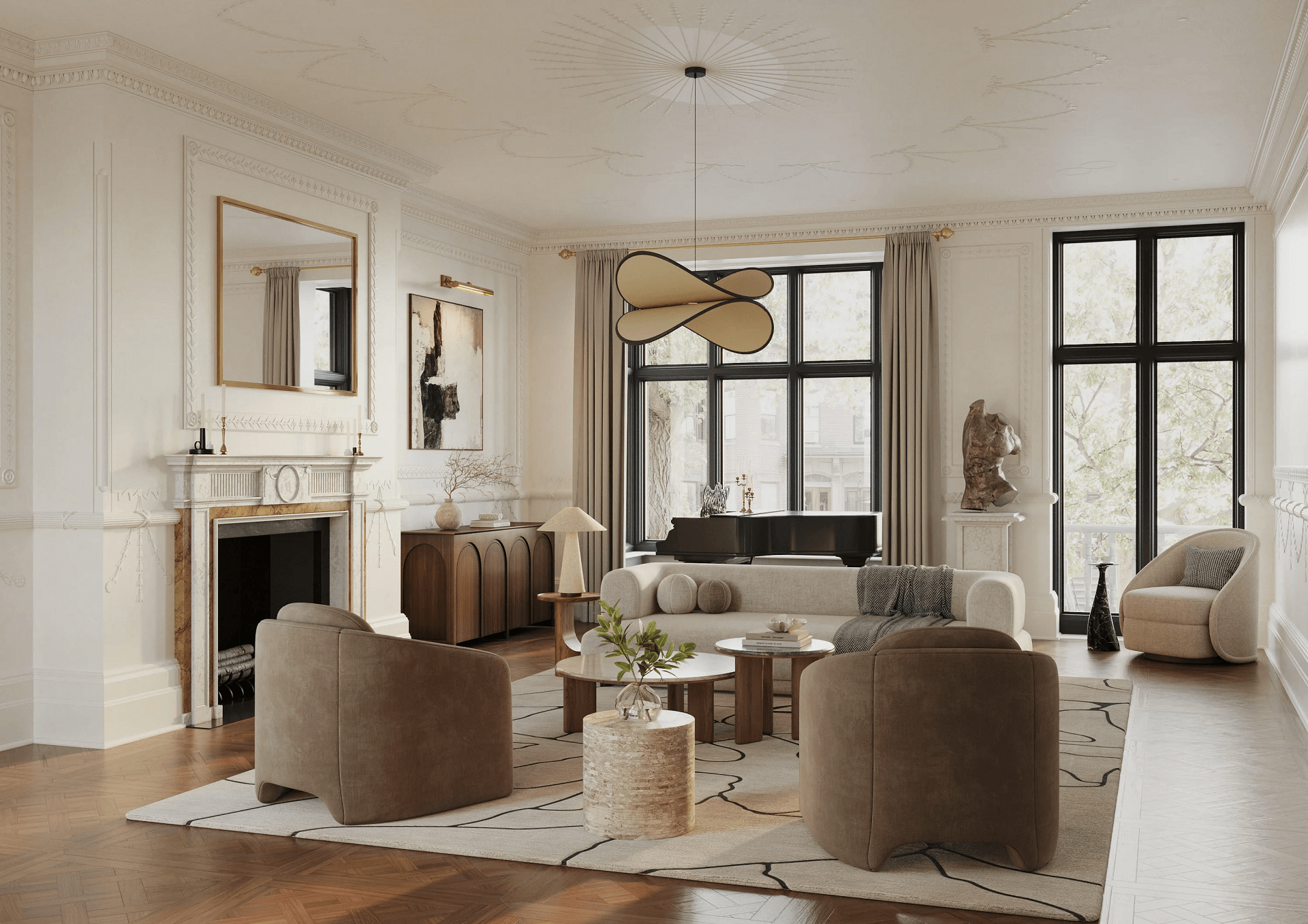
In a crowded market, a professional photoreal 3D render for interior design helps you stand out. High-quality visuals make your work more persuasive, both for a private client and in a commercial pitch. For concrete techniques, see how to make interior design presentations smarter.
#3.5. Atmosphere Your Client Can Feel
Drawings communicate dimensions and layout, but they cannot capture how a space feels. A render can. Materials, lighting, and contextual details work together and trigger an emotional response, and that response is often what gets a client to say yes. The stakes are highest in commercial work: in a restaurant, atmosphere is the product itself, so restaurant 3D rendering lets you show candlelight on textured walls and the energy of a busy Saturday evening before a single table is set. In residential projects, the same goes for warmth and light: clients want to see the home, not the blueprint.
#4. When to Use a 3D Render in Your Workflow
A 3D render fits into several stages of the interior design process. Knowing when to use it helps maximize its value and impact.
#4.1. During Concept Development
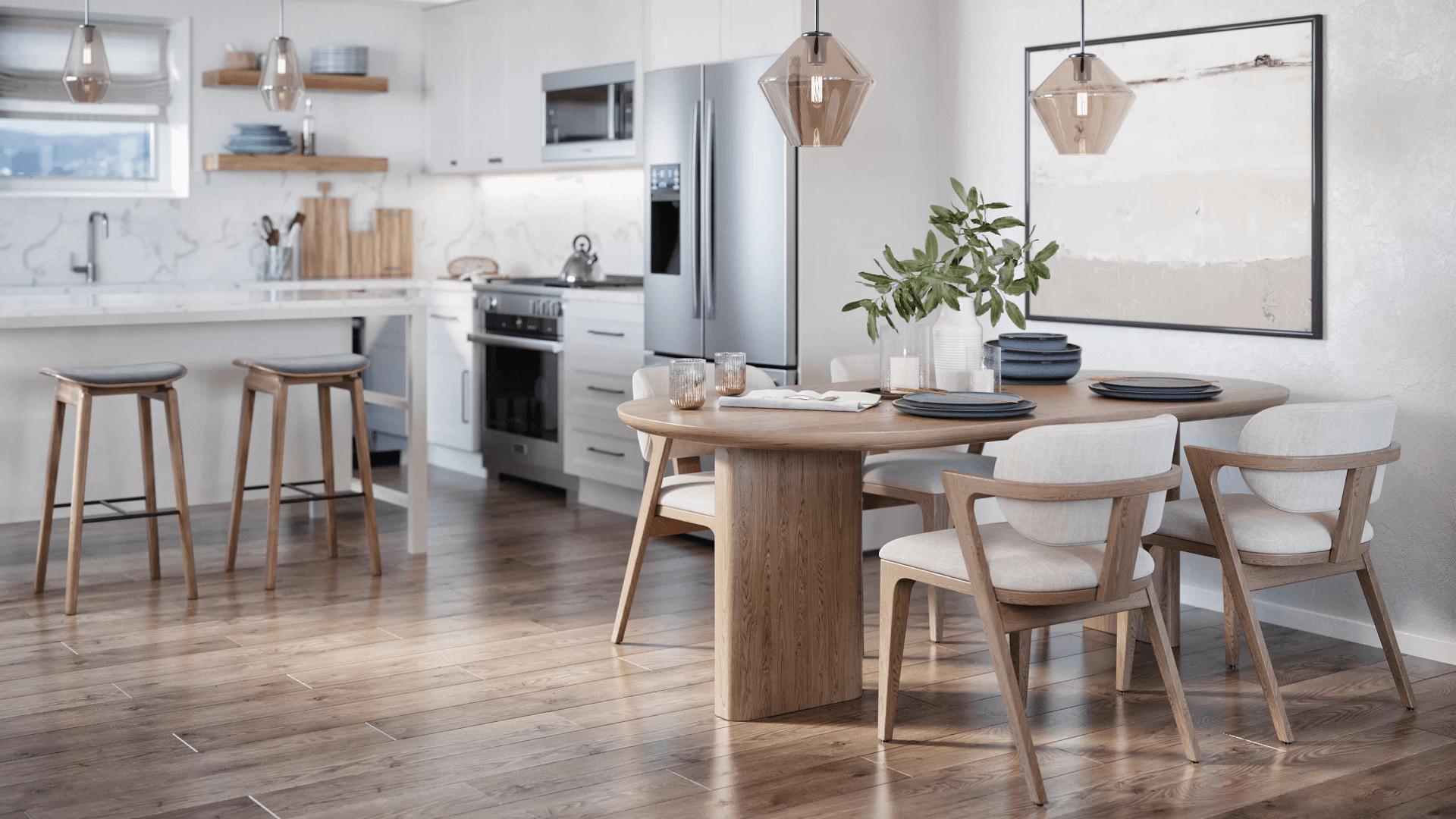
Early in the design process, 3D visuals can help test out ideas quickly. Want to compare two layouts or material palettes? Renders make it easier to explore options and make confident decisions before moving forward. Renders also cover what physical mood boards cannot: any viewing angle, different lighting scenarios, and every element in true scale. The client sees one finished picture instead of assembling separate samples in their head.
#4.2. During Client Presentations
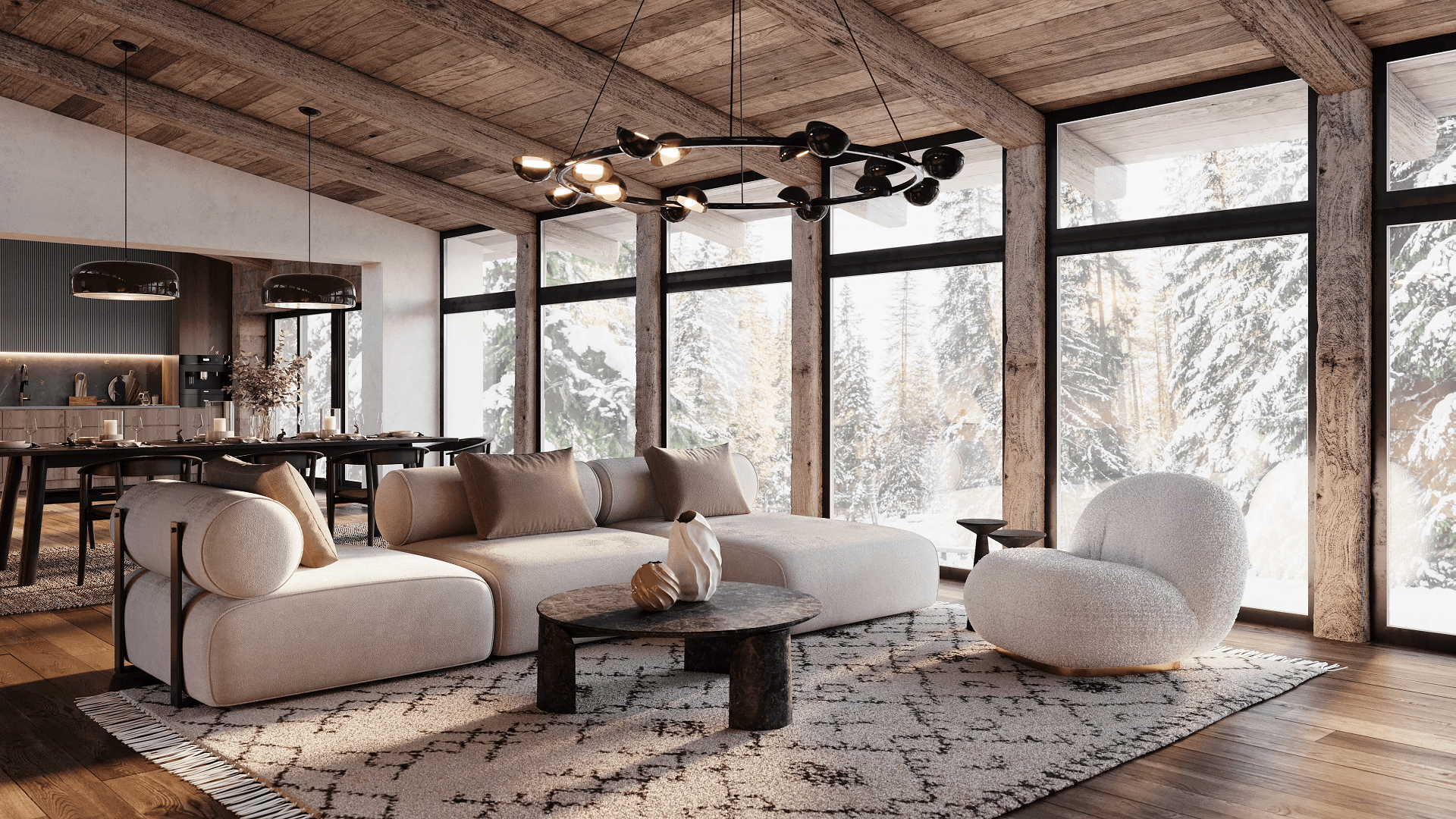
This is where a 3D render is particularly valuable. High-quality visuals allow clients to understand your vision instantly. They also make your proposals more professional and emotionally engaging. And this is the key when you need approvals or sales. Picking the right viewpoints matters too: here are the best angles for interior 3D rendering.
#4.3. For Portfolio and Marketing Materials
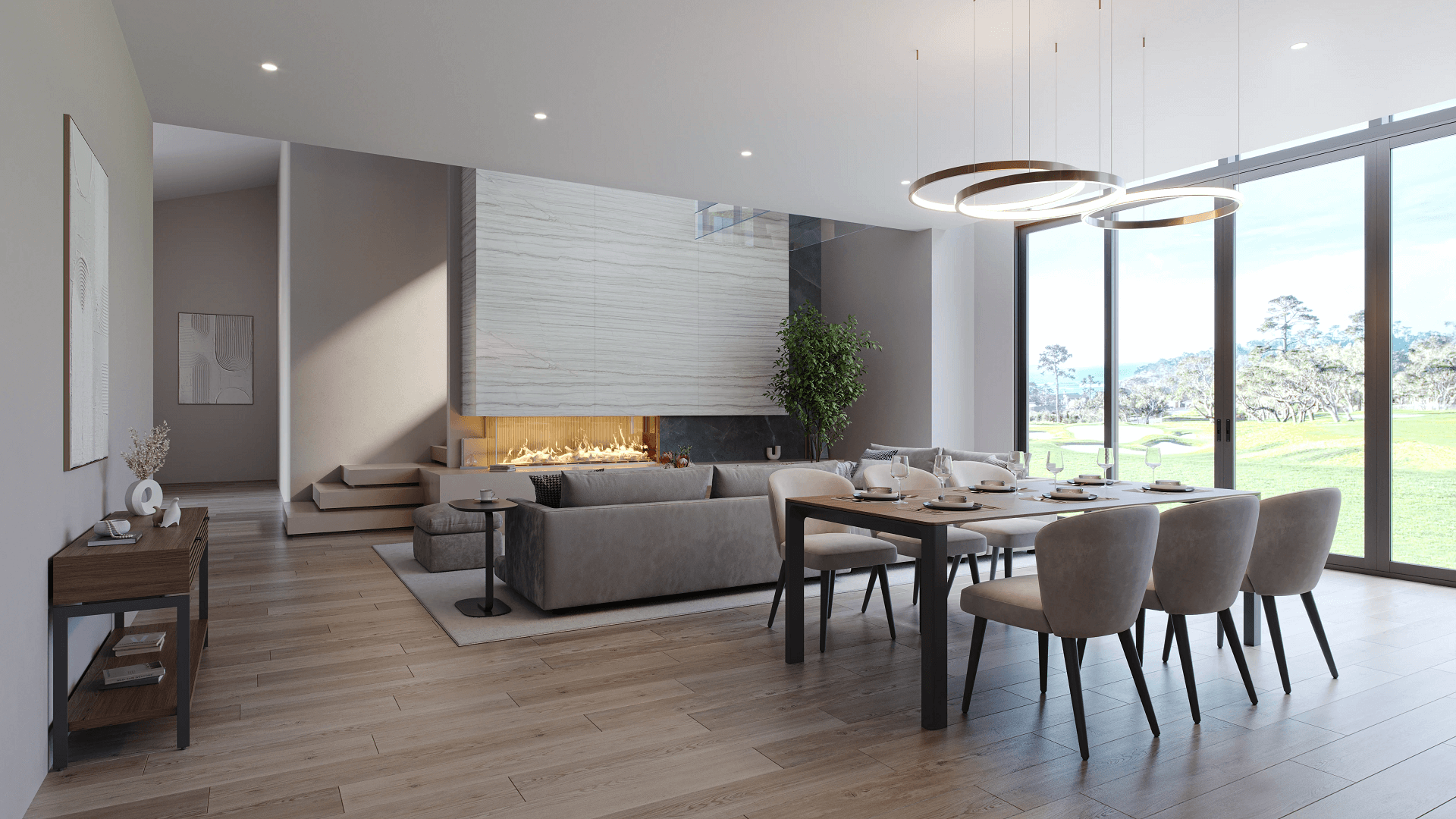
Finished projects are worth showing in your portfolio. Even if a design hasn’t been built yet, 3D renders can be used in portfolios, websites, and social media. They allow you to promote your services and attract new customers without waiting for photos of completed projects. That includes the work that never got built: a shelved concept or a lost pitch can be finished in CGI and shown next to photographed projects. On Instagram or Pinterest, a single well-lit interior image in your signature style consistently outperforms process shots and mood boards. This applies to small projects too: a single visualized room often turns a hesitant client into a repeat one. They see the quality of your thinking on a low-stakes task and come back with bigger commissions. We covered the portfolio side in how 3D interior design strengthens a portfolio and how to make an interior design portfolio.
#5. Types of 3D Renders Used in Interior Design
Interior designers can choose from several 3D rendering types depending on their goals and the project stage. Combining them, though, is often the most effective strategy. So, what are the main formats used?
#5.1. Still Images (Static Renders)
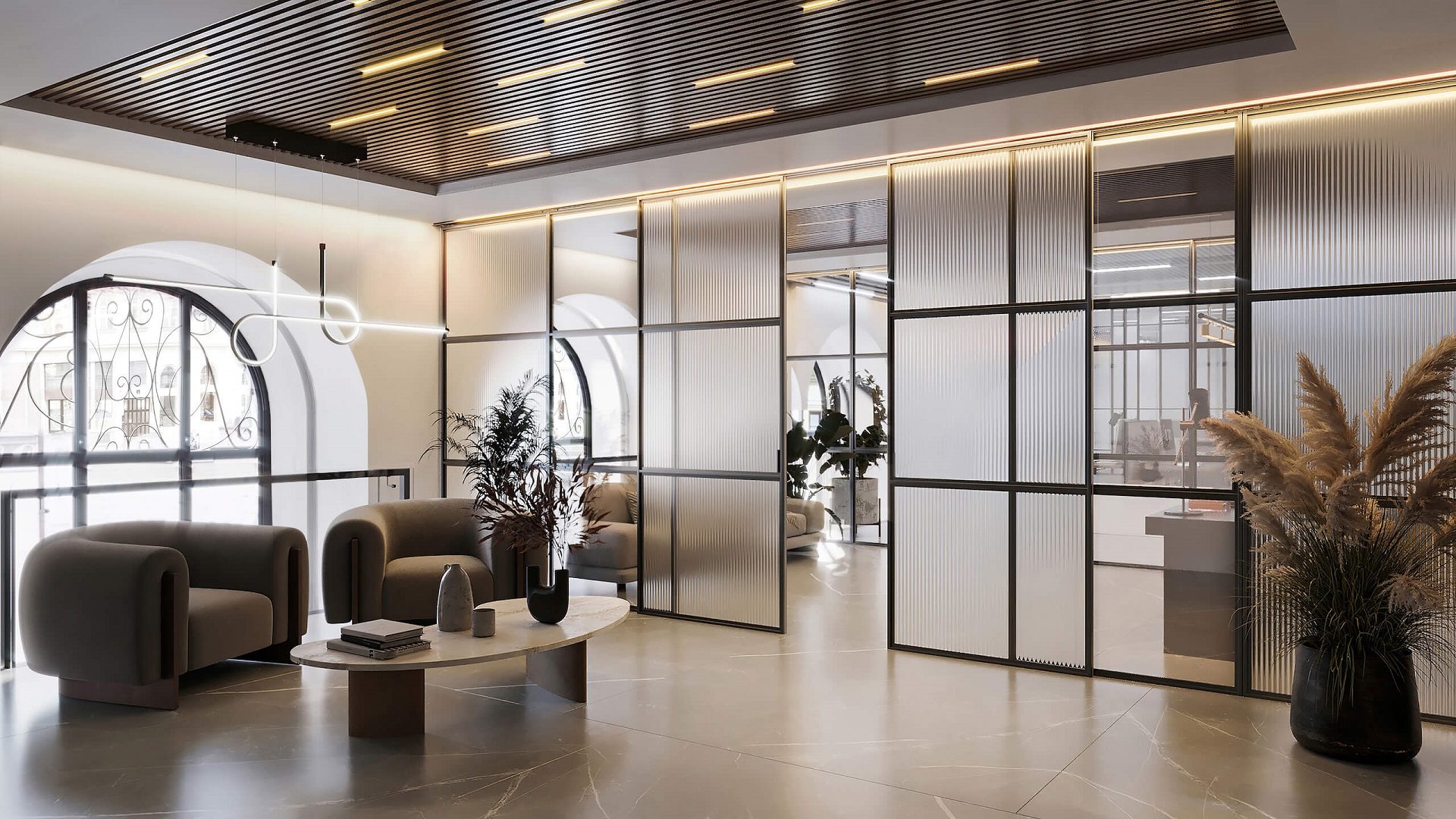
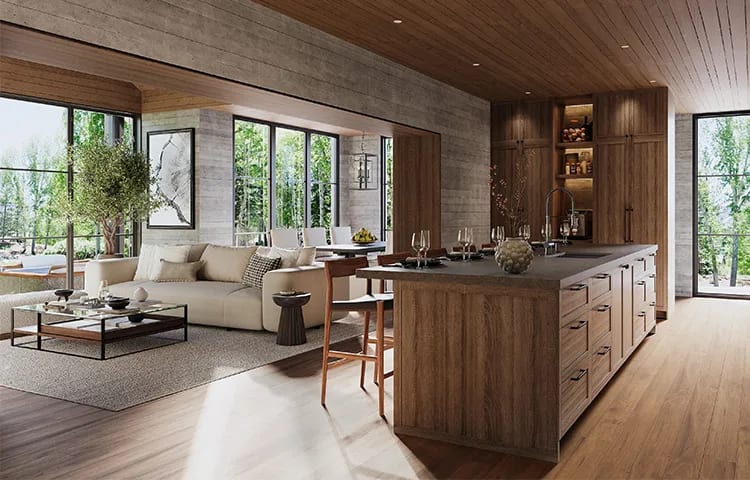
These are the most common types of 3D rendering for interior design. Still renders show detailed room views with realistic materials, lighting, and shadows. They’re perfect for presentations, portfolios, and websites. They’re also easy to use on social media or in printed materials. For that reason, still 3D renders are used for a great variety of projects. Residential, commercial, and hospitality 3D rendering services usually include static imagery.
See how interior CGI turns your vision into client approval
#5.2. 360° Panoramas and Virtual Tours
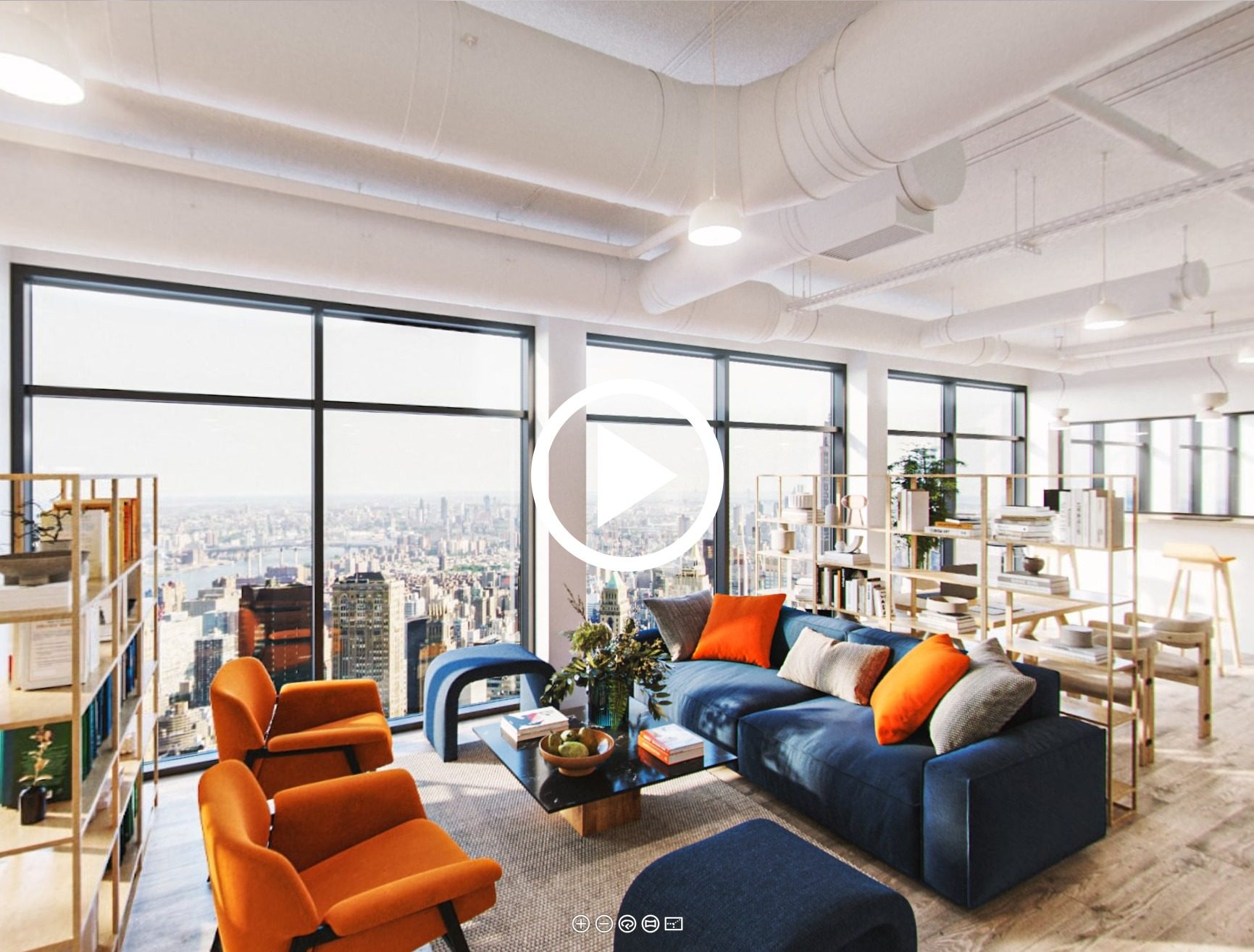
This type of 3D render for interior design allows viewers to “look around” the space from different angles using a smartphone, tablet, or VR headset. 3D virtual tours is a great way to make the presentation more immersive. It works especially well for remote clients and large-scale projects.
#5.3. Animated Walkthroughs and Flythroughs
An architectural walkthrough lets a viewer move through a building that has not been built yet. The 3D flythrough is its close relative and chases the same goal. On large projects, where everything hinges on how one zone leads into the next, this kind of video earns its place. Hospitality is the textbook case: hotels, large restaurants. With voiceover, subtitles, or captions layered in, the video informs without losing its emotional pull.
Though the terms travel together, they describe different camera work. A walkthrough moves at eye level, presenting rooms the way a visitor would actually experience them. A flythrough relies on aerial, sweeping shots that frame the building within its surroundings.
Motion also exposes what static renders cannot. A blocked sightline, a bottleneck in circulation, proportions that feel off once you move through them. Problems of this kind surface only on screen. So the animation ends up serving two roles: marketing material and a design check before construction starts.
Expect one to three minutes of runtime; versions for ads are cut shorter. The format performs best on:
- social media ads
- YouTube
- on-site screens at sales offices
- investor presentations
Two budget considerations frame the choice. Animation is the priciest visualization format, and production takes weeks where a still image takes days. The offset: every animation requires a fully modeled scene, so a project that already commissioned still renders can reuse the same 3D model, which trims both cost and schedule.
Interior design studios use our CGI services for design firms to speed up client approvals.
See how a 3D flythrough will make your vision impossible to forget
#6. What Makes a Great 3D Interior Scene
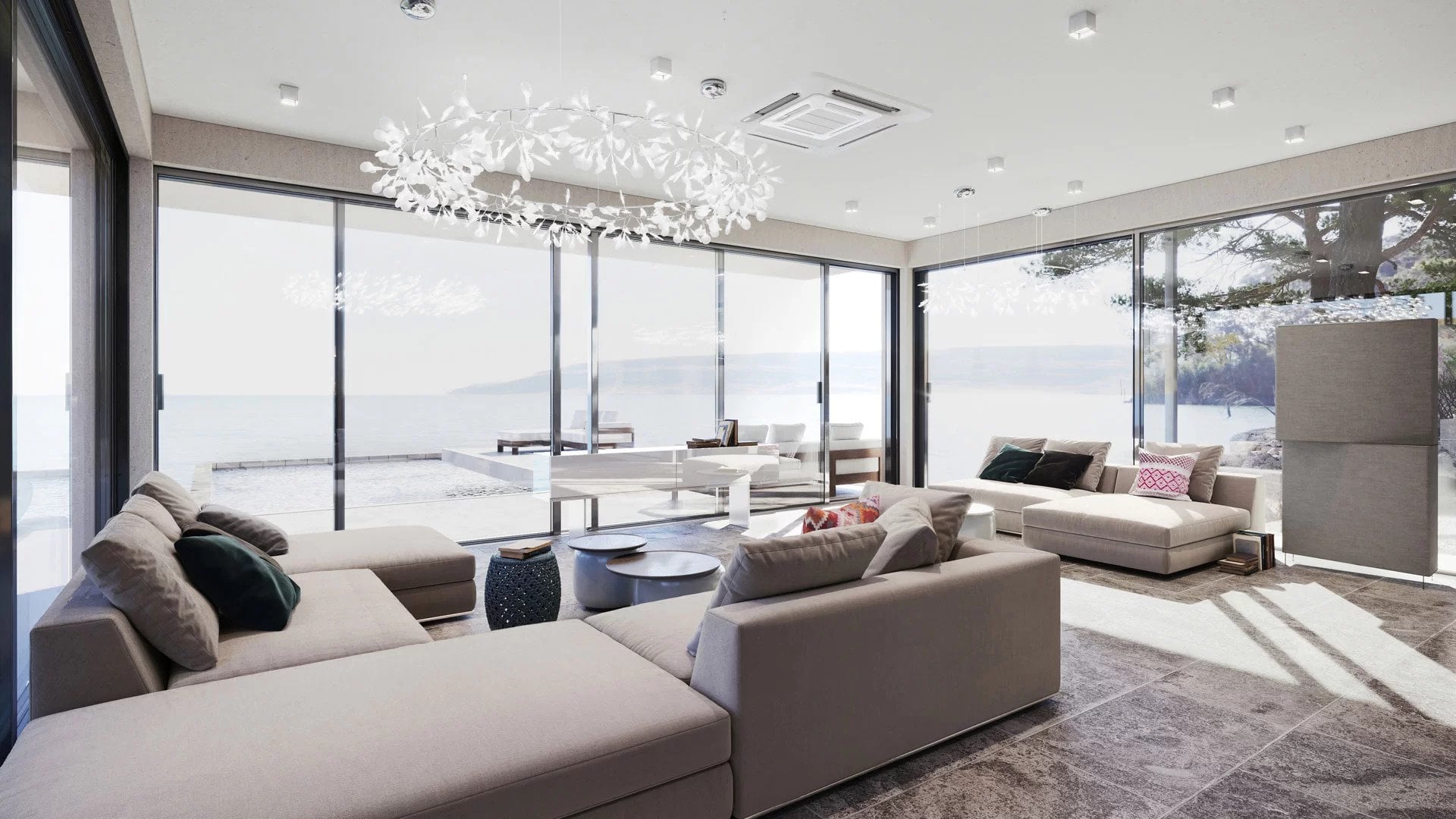
Knowing what separates a strong render from a mediocre one helps you give precise feedback without learning 3ds Max or interior photography. Five things to check:
- Lighting. In daytime scenes natural light should dominate, in evening scenes the brightest light comes from lamps and chandeliers. Objects by the window are lit stronger than those in the back, and no part of the image goes completely black: every material stays readable.
- Composition. A strong render has a visual center and balanced surroundings, symmetrical or not. If a part of the image looks overloaded or empty, composition is the first thing to question.
- Details that evoke emotion. A steaming cup on the desk or an open book on the couch invites the viewer to imagine living in the space.
- Style consistency. Every prop must belong to the concept. One off-style item, like a Rococo settee in a Scandi room, breaks the illusion.
- Texture quality. Wood grain, fabric weave, and stone should hold up in close-ups without looking plastic.
For deeper dives, see how high-quality interior visuals help designers sell, how mood works in photorealistic interior rendering, and the role of grayscale renders.
#7. What to Look for in a 3D Rendering Partner
Not all CGI providers are equal. To get reliable results, interior designers should evaluate their partners carefully. Here’s what to check.
#7.1. Experience in Interior Design Projects
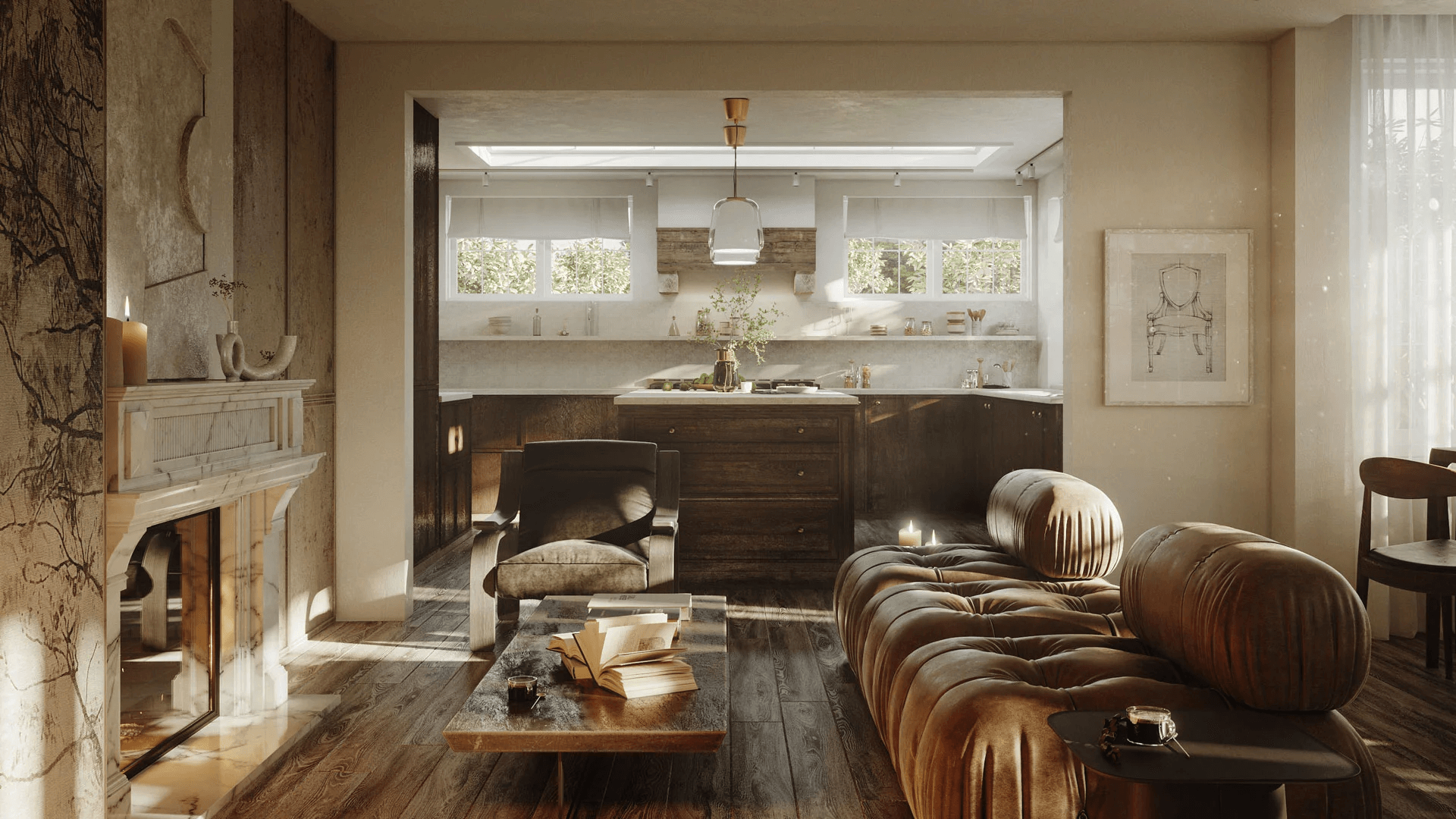
Look for a provider that specializes in interior renders rather than CGI in general. A team that understands space planning, lighting balance, and décor detailing will better translate your vision into accurate visuals.
#7.2. Portfolio Quality and Style Match
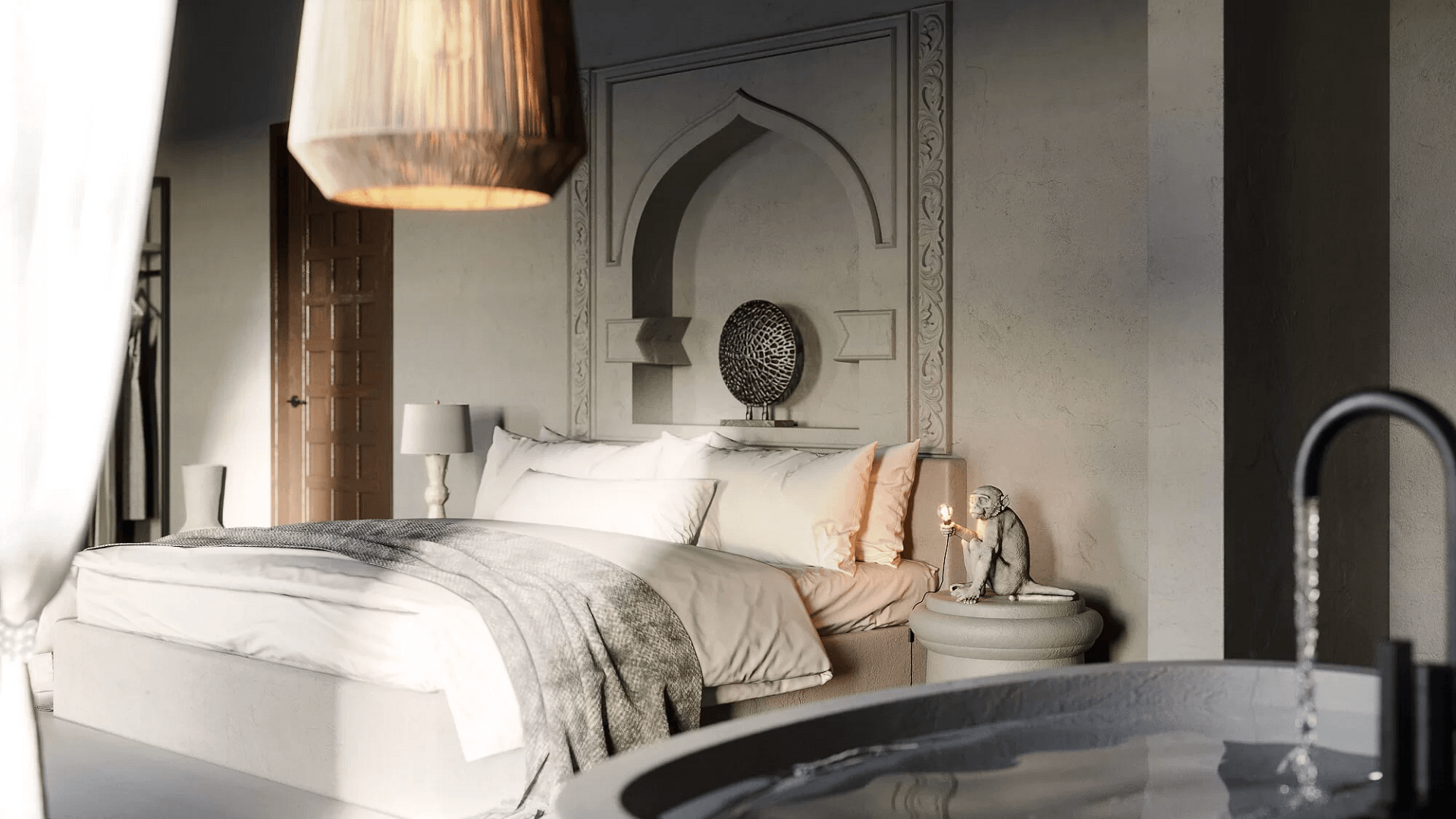
Study their portfolio. Are the renders photorealistic? Do they align with your aesthetic? The right CGI partner should be able to match your style. Whether it’s Scandinavian minimalism or bold maximalism, the portfolio needs to show some examples. Our roundup of the best 3D commercial interiors shows the range worth expecting.
It is also important that the imagery in the portfolio is relevant to your project type. Showing residential and commercial designs, for instance, requires two different sets of knowledge. So if you need CGI services for a dining venue, look for examples of restaurant rendering services.
#7.3. Turnaround Time and Communication

Rendering timelines can affect your entire project. Make sure the studio offers fast delivery and clear communication throughout. Quick responses, iterative feedback loops, and reliable deadlines are a must.
#7.4. Well-Established Workflow

A structured process ensures smooth collaboration. A good studio will guide you through each step, from brief to final delivery, with no surprises along the way. At ArchiCGI, for example, we use a custom CRM, which makes it easy to upload a brief, track the progress, and communicate with the CGI team. Every customer also gets a dedicated project manager and 24/7 support. You can see the pipeline in our 4-step interior rendering process, and prepare faster with a solid interior rendering brief and well-chosen references.
#7.5. Timeliness and Safety Guarantees

Your files and project data should be handled securely. Choose a partner that respects NDAs and ensures data safety. Timeliness guarantees are also a bonus. At ArchiCGI, we are happy to sign an NDA upon client request, and we store data securely. Our 600+ artists team ensures that we always deliver on time. And if we don’t, you get the money back.
Strengthen your design presentations with professional interior rendering
3D rendering has become a vital tool for modern interior designers. It saves time, makes client communication easier, and improves presentations. From the first concept to the client pitch and the portfolio, a 3D render makes each step easier.
#8. Further Reading: Interiors in Detail
The guide above is the frame; the articles below fill it in.
Room by room, and craft details. bathroom visualization, kitchen design rendering, 3D bedroom design interiors, kitchen design rendering examples, living room rendering examples, 18 interior design styles in 3D renders, amenities rendering, bedroom CGI for presentations, six tips on digital rendering, dining room renders, institutional interior rendering, and interior rendering options.
Marketing and practice for interior designers. eleven best interior design apps, branding for an interior design firm, content marketing for interior designers, an effective website for an interior designer, email marketing for interior designers, how to get clients as an interior designer, seven interior design apps, Instagram tips for interior design, interior design marketing, marketing video ideas for designers, interior design presentation tools, a social media strategy for interior design, five best platforms for interior designers, and Bobby Tsui on design marketing.
Projects to see the quality. an apartment visualization in Toronto, renderings for Design Lab USA, an entertainment center visualization, a residential interior visualization, interior CGI for a boutique resort, and renderings for a villa in Georgia.
Voices from the industry. presenting a modern interior with 3D, ten mistakes in interior visualization, top interior design magazines, design events in Europe, design events in the USA, top interior design exhibitions, Fiona Mostyn on design marketing, how to run an interior design business, Jo Chrobak on design practice, and Kimberley Seldon on the business of design.
Looking for interior visualization services to streamline your interior design workflow? Contact ArchiCGI: 600+ 3D artists, standard stills in 48 hours, and 2 review rounds included.
Frequently Asked Questions About 3D Rendering for Interior Design

Stacey Mur
Content Writer, Copywriter
Stacey is a content writer and a CG artist. Outside of work, Stacey enjoys musicals, Star Wars, and art talk. A proud Corgi parent.