
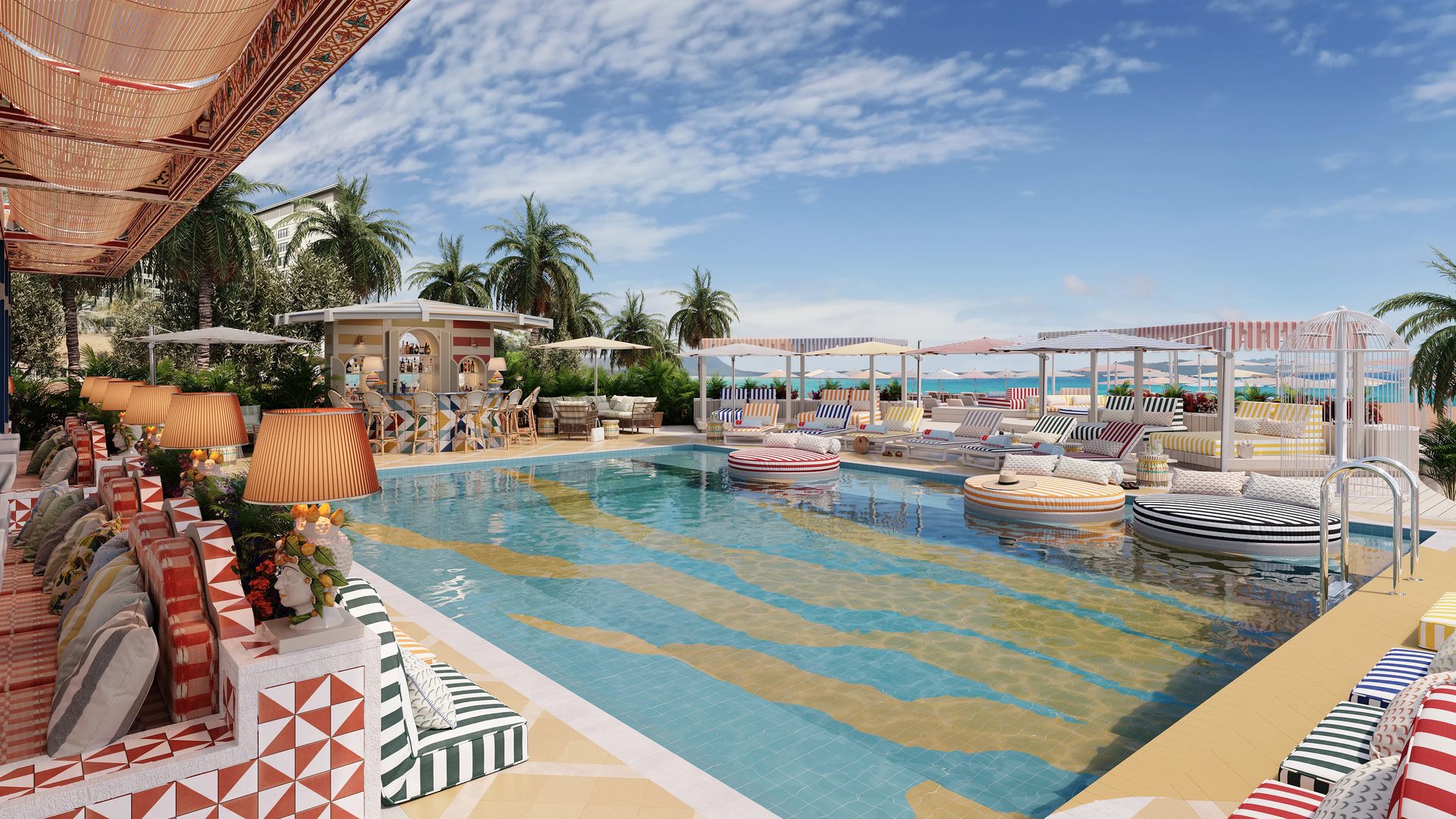
Architectural 3D renders and 3D animation are a must for creating impactful presentations for interior or exterior design projects. Both options produce spectacular results and are equally good for influencing investors and future customers. But what kind of 3D visualization works better? As a company that produces both architectural 3D visualization services and professional 3D animation, we have compiled an ultimate list of benefits and disadvantages of both for an architect to find out.
Architectural 3D Renders vs Animation: Key Differences
To choose wisely, let’s evaluate both types of architectural CGI according to such crucial criteria as visual impact, interactivity, story-telling element and cost.
#1. Quality Of Graphics
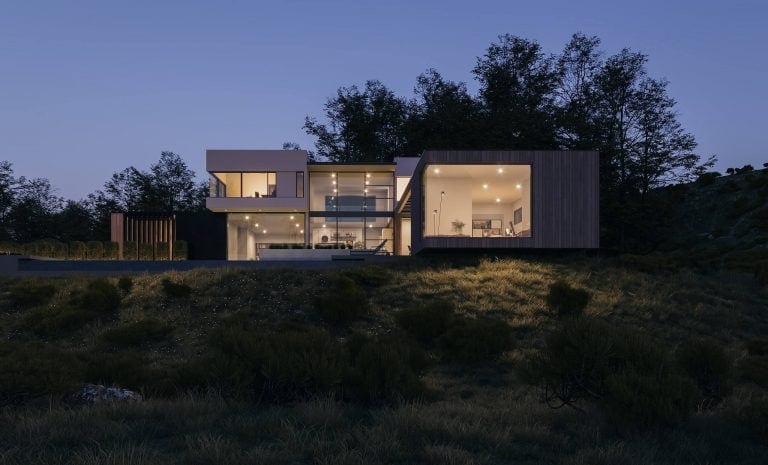
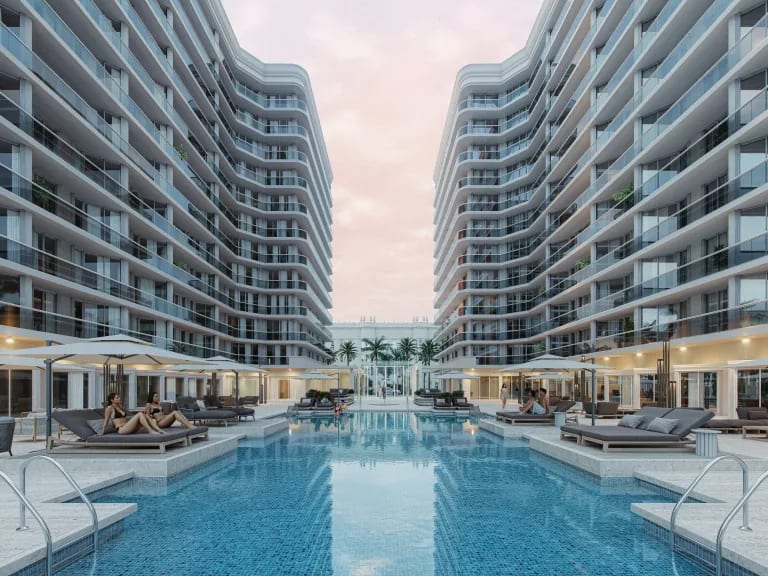
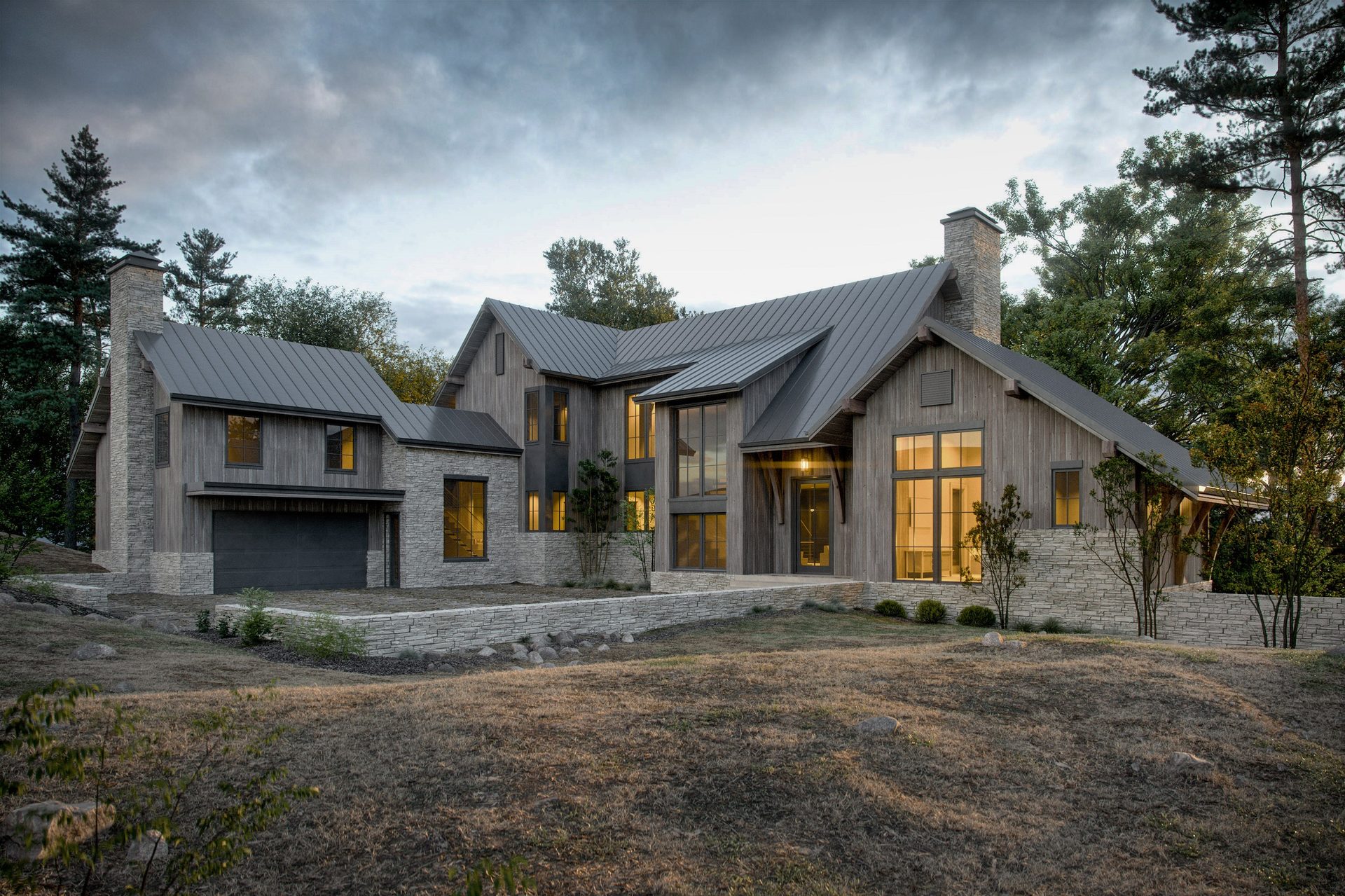
Professional 3ds Max architectural visualization can look breathtaking. Exterior 3D rendering service has the power to show the building in any camera view, time of day or season. So does architectural 3D animation. In addition, it has other means of expression. Such as movement, sound, and special effects. Unlike static 3D renders, 3D animation for architectural projects can show fire crackling in the fireplace, water ripples in the swimming pool, and trees swaying in the wind. This is much more convincing when it comes to real estate pitching or advertising.
#2. Motion
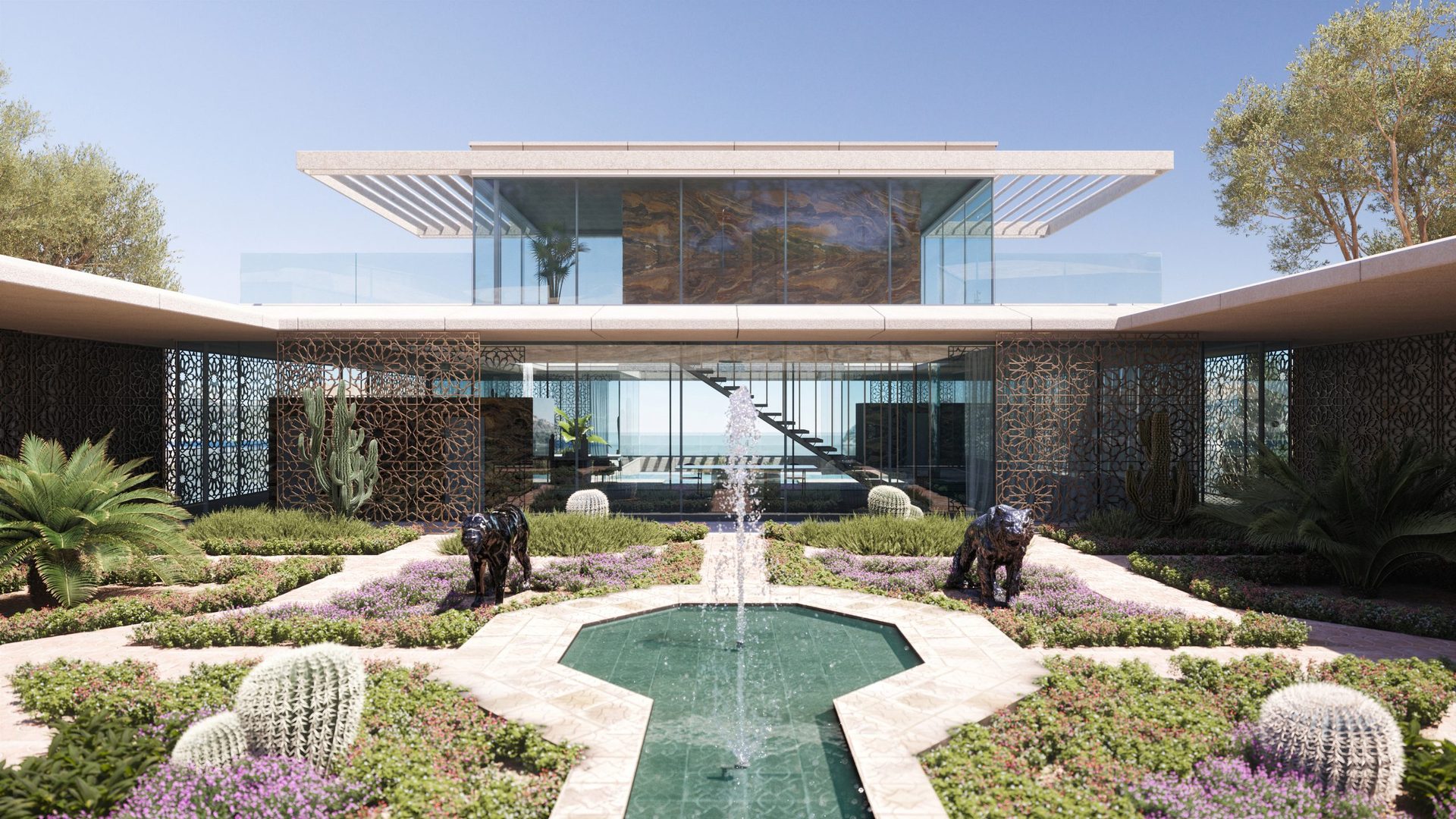
3D walkthroughs with motion have become crucial for important project presentations. And for good reason. Why look at a static image when you can be taken on an animated tour around the property?
This has become possible with 3D architectural animation. The complexity of such projects can vary greatly. One can create a basic 3D animated video even by putting together several architectural 3D renders. Moving pictures are perfect for allowing clients to feel like they are visiting the property for real.
See how interior CGI turns your vision into client approval
#3. Immersiveness
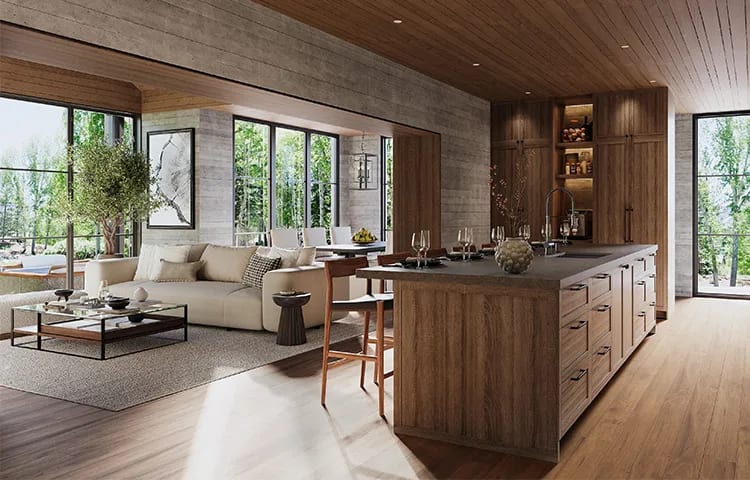
Immersion is another important part of an architectural presentation. It helps to show the selling points of the project and establish an emotional connection with it. 3D renders and 3D animation for architecture both can give this effect. Animated visuals, however, have an advantage. They convey the layout better and create a feeling of seeing the scene with one’s own eyes. That is why a 3D interior rendering company makes the 3D animation feel like a real estate showing.
#4. Visual Storytelling
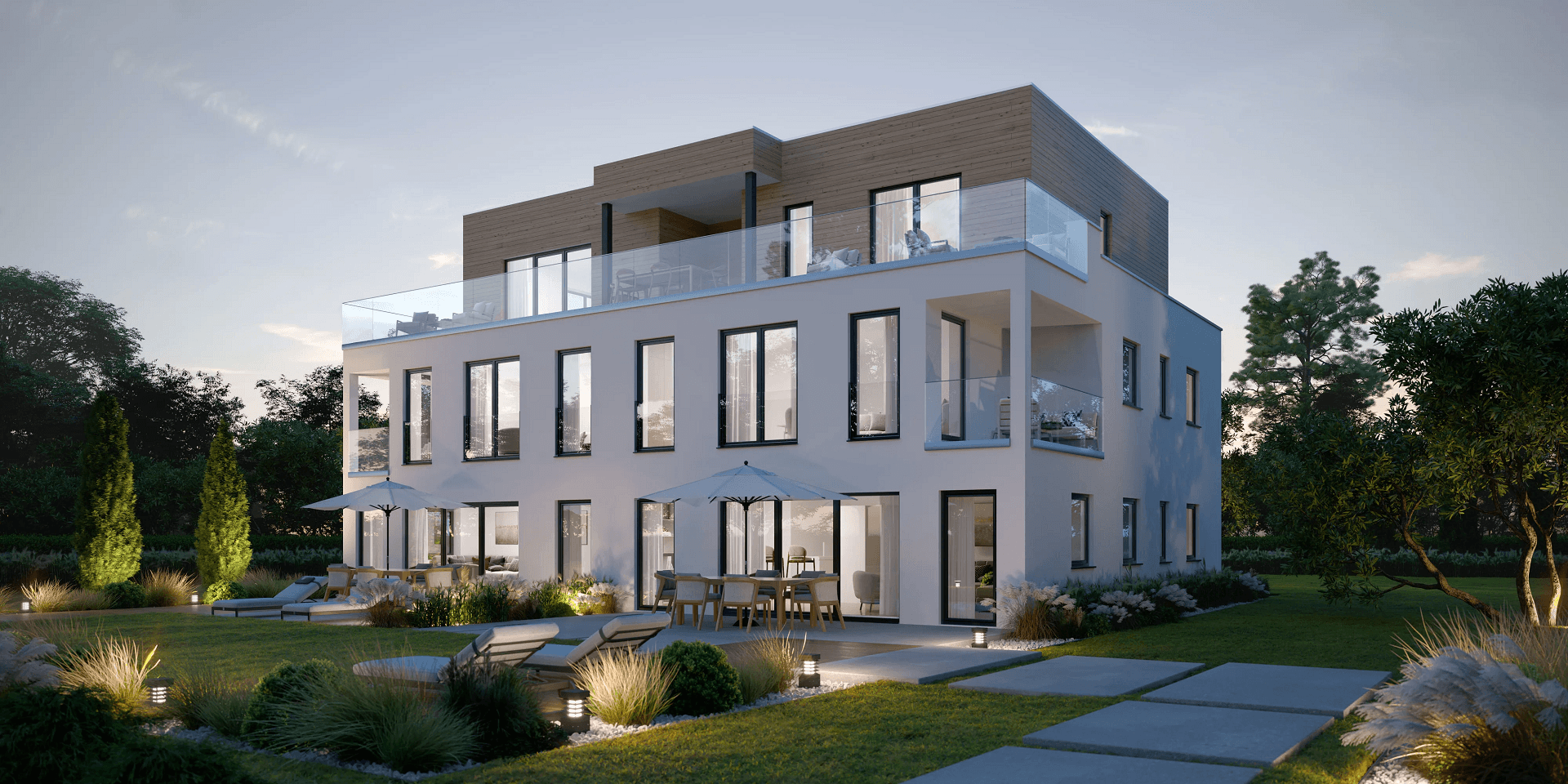
Visual storytelling is another crucial element of marketing that is helpful in architectural project presentations. Here architectural 3D renders and 3D animated videos have plenty of ways to tell a selling story without words. However, there are several cases where arch viz has more functionality, and visual storytelling is one of them. Video format gives a perfect opportunity to use cinematographic devices tested by time in addition to standard techniques used in advertising: adding relatable context, showing content visitors or dwellers, dramatic POVs and so on. This makes 3D architectural animation better for selling your ideas.
#5. Affordability And Time
Architectural 3D renders truly shine when it comes to price and turnaround time. 3D rendering process isn’t fast, but it takes just 24 hours to get a set of gorgeous photorealistic pictures. A single 3D animated video may take weeks or even months to make and requires different set of skills from 3D visualizers, obviously costing more than static renders. Who wins here is up to you. Do you have time and funds or not?
When to Choose Architectural 3D Renders vs Animation
Choosing between still renders and animation isn’t about which format is “better”. It’s about what your project needs at a given stage. Each format serves a different communication goal, and understanding when to use which can save you both time and budget.
When to Choose Architectural 3D Renders
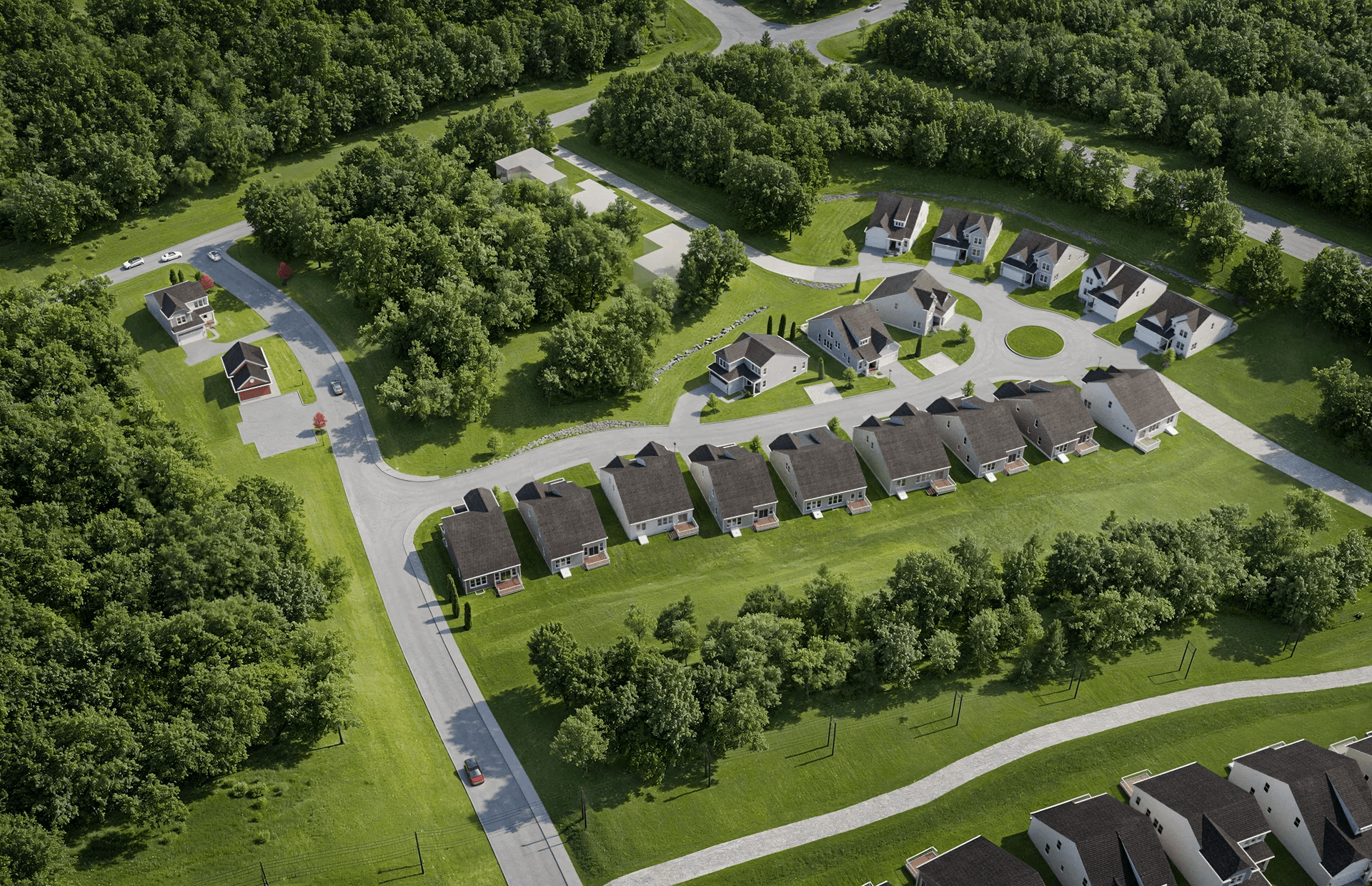
Renders make sense when you’re working against a tight deadline or budget. While 3D rendering isn’t instantaneous, a set of photorealistic images can be delivered within 24 hours, which is rarely the case with animation. They’re also the go-to format when the goal is to highlight specific design elements: a particular material, a facade detail, a lighting setup, or an interior finish. Renders travel well across formats (print brochures, listing platforms, email newsletters, website galleries) without losing quality or requiring special playback tools.
See how aerial rendering reveals a project’s scale and impact

When to Choose 3D Animation
Animation earns its place when the project is complex, the audience is not technical, or the stakes are high. A walkthrough video helps investors, buyers, and officials understand a building’s spatial logic without needing to read plans or imagine from sketches. It’s particularly effective for large residential developments, hospitality projects, and off-plan sales where buyers need to feel the space before committing. If the project has a strong sense of atmosphere (dramatic lighting, a striking location, distinctive architecture), animation lets that atmosphere breathe in a way static images simply cannot.
When to Use Both
The strongest presentations tend to combine both formats. Show the animation first. It sets the mood and gives the full picture. Then hand out the renders so stakeholders can take their time with specific angles, rooms, or details. Each format does something the other cannot, and together they cover the full range of what a demanding audience needs to say yes. To learn more about the different types of CGI and how they work together, explore our architectural rendering guide.
Architectural 3D renders truly shine when it comes to price and turnaround time. 3D rendering process isn’t fast, but it takes just 24 hours to get a set of gorgeous photorealistic pictures. A single 3D animated video may take weeks or even months to make and requires different set of skills from 3D visualizers, obviously costing more than static renders. The choice depends on your timeline and budget.
Want to learn how much your project costs? See how we evaluate 3D rendering projects
All in all, the best solution for project presentations is combining architectural 3D renders and 3D animation. For example, animation for architecture in 3D can be shown on screen while images are handed out to attendees or sent via email or social media. 3D renders can also be enhanced with some interactivity, like 360-degree views, VR and sliders with variable decor elements, color and lighting. Be creative. To sway investors with gorgeous visualizations of your designs, we have a perfect solution just for you. Make your architectural presentations stellar with our professional real estate 3D rendering services! Related reading: top five 3D animation software and architectural 3D cinemagraphs.

Irma Prus
Content Writer, Copywriter
Irma writes articles and marketing copy for ArchiCGI. Her dream is that more people discover the power of CGI for architecture. Irma is into neuromarketing, ruby chocolate and Doctor Who series.