

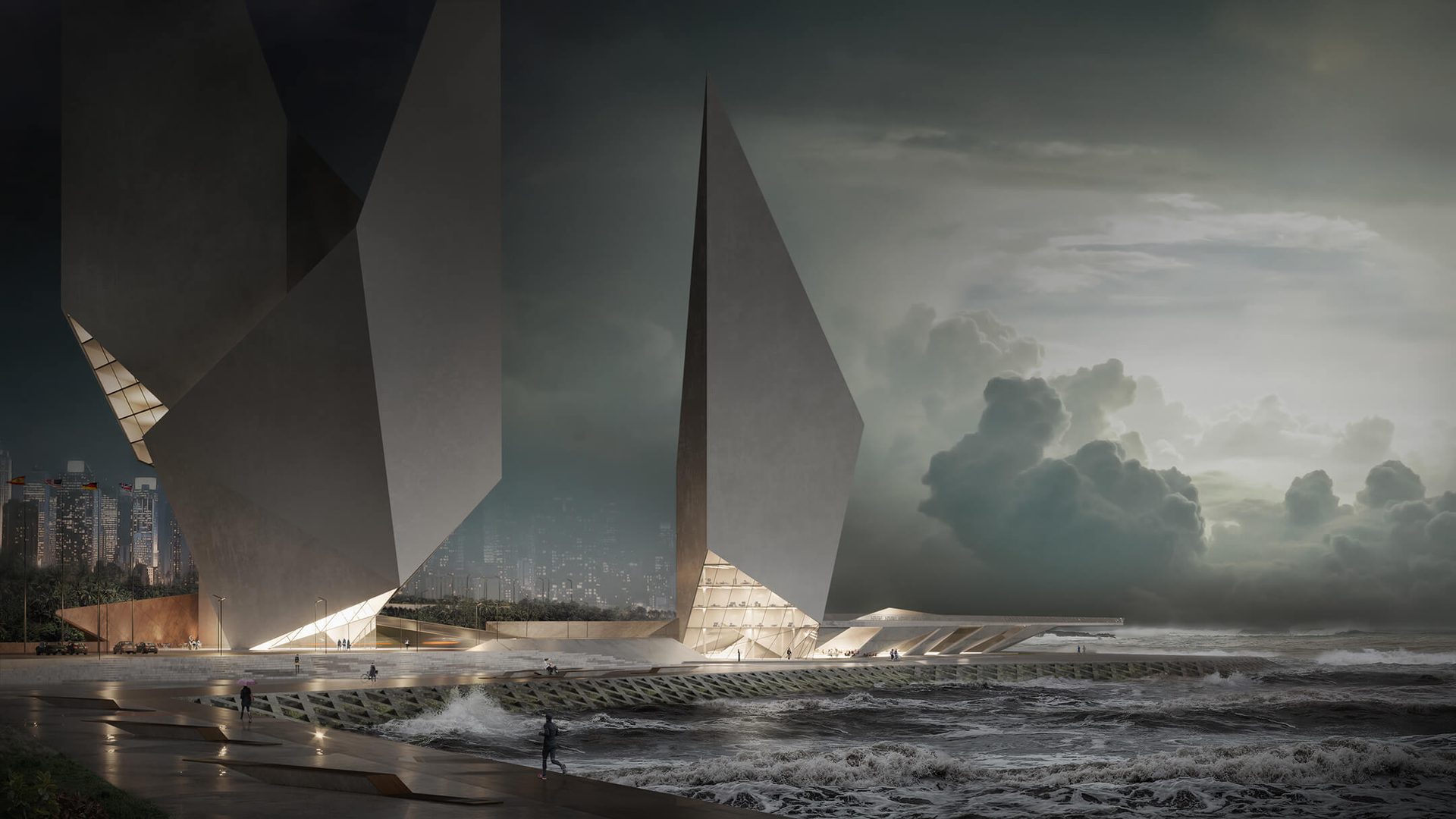
If you’re pitching a commercial project, whether it’s an office tower, a boutique hotel, or a mixed-use development, you already know that floor plans and elevations can only take you so far. Investors want to see the building. Future tenants want to imagine themselves walking through the lobby. Planning committees want to understand how it will actually look on their street. That’s exactly where 3D commercial renderings come in — they bridge the gap between technical drawings and real-world perception.
This article focuses on how 3D commercial renderings benefit different types of architects — from commercial building specialists to urban designers. For tips on how to make your commercial rendering as effective as possible, see our guide on commercial 3D rendering best practices.
CGI is not just a nice visual bonus. Industry data shows that high-quality exterior visuals can increase pre-construction sales by 40–60% compared to traditional drawings alone. In other words, commercial architectural 3d rendering is no longer optional — it’s part of how projects get approved and funded.
#1. Commercial Architects: Office, Retail, and Mixed-Use Buildings
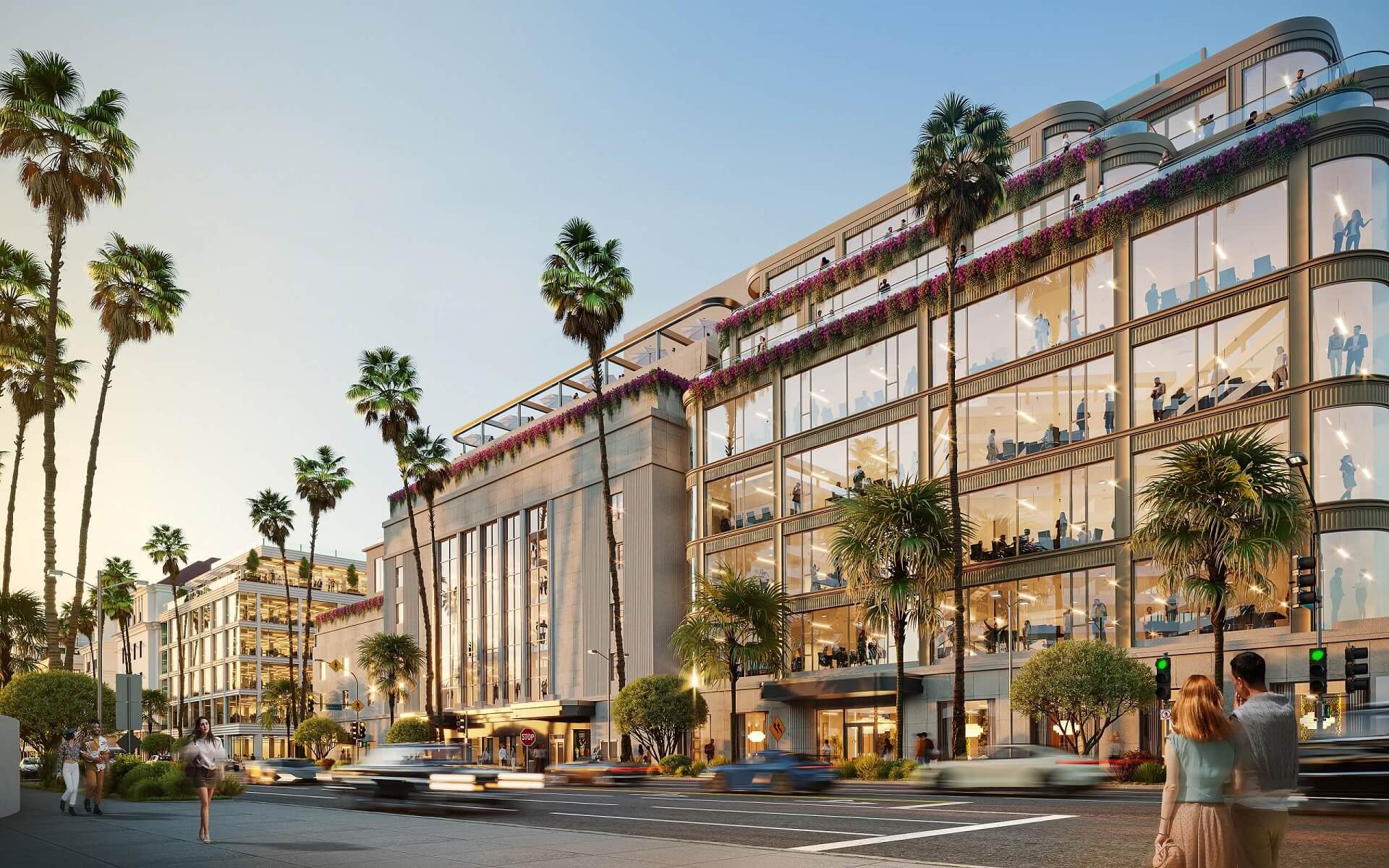
Commercial architects design buildings that need to perform — offices where people spend entire workdays, retail spaces that need to attract foot traffic, and mixed-use developments that combine multiple functions in one place. But designing is only half the battle. The other half is convincing people the project is worth it.
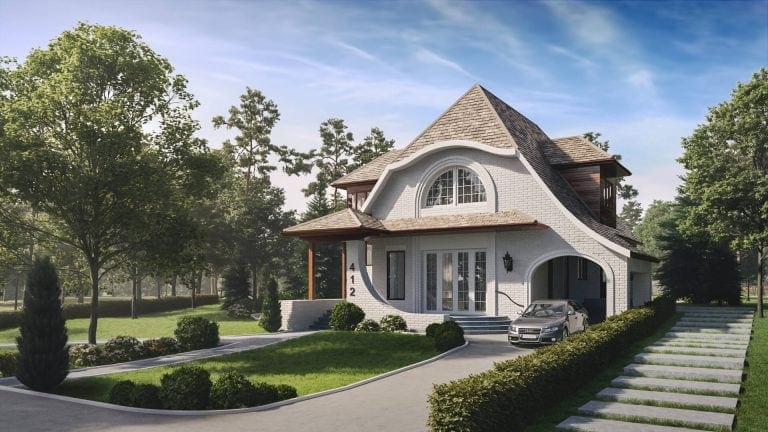
That’s where 3D commercial building rendering makes a real difference. Instead of asking someone to interpret drawings, you show them a building that already feels real. Office projects benefit from clear spatial storytelling — how light moves through the space, how entrances connect to the street, how floor layouts function. Retail projects focus more on visibility, signage, and customer flow. You need to show that the storefronts will actually catch people’s attention from the sidewalk, that the layout makes sense for browsing. Mixed-use developments are the most complex — because you’re effectively selling different experiences to different audiences at once. A ground-floor retail tenant has completely different concerns than someone leasing office space five stories up.
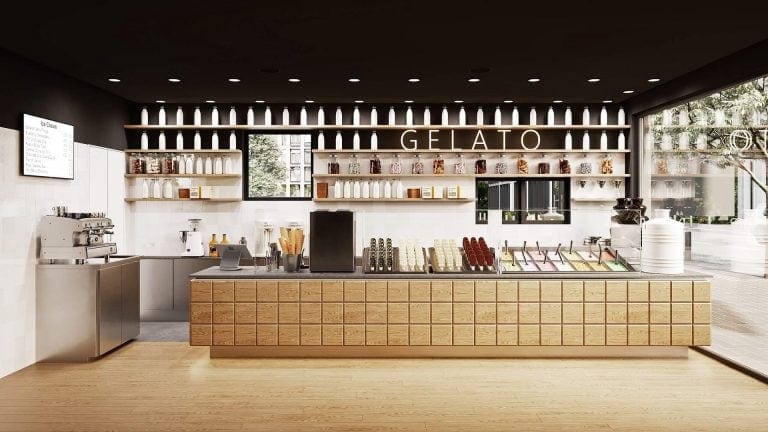
Typical deliverables include facade visuals from multiple angles, aerial shots that place the building in its neighborhood context, and interior views for leasing presentations. These commercial renderings are not just “nice images” — they’re part of marketing and leasing strategies that start long before the building is finished. Some teams use them to test market reactions early and adjust the design accordingly. See how this works at scale in our multi-location ice cream case study, where renderings powered landlord pitches and lease approvals for a franchise rolling out across the U.S. That’s also why many architects bring in office rendering services at the concept stage, while the design is still flexible enough to evolve.
See how exterior CGI wins client confidence at the idea stage
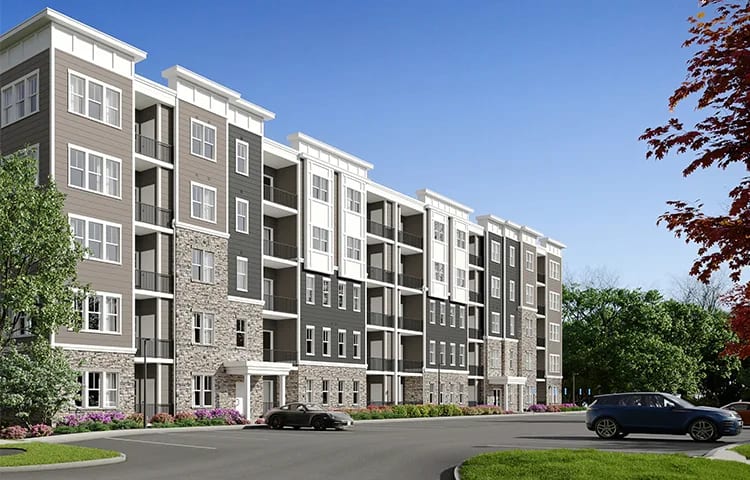
#2. Interior Designers: Hospitality, Retail, and Corporate Spaces
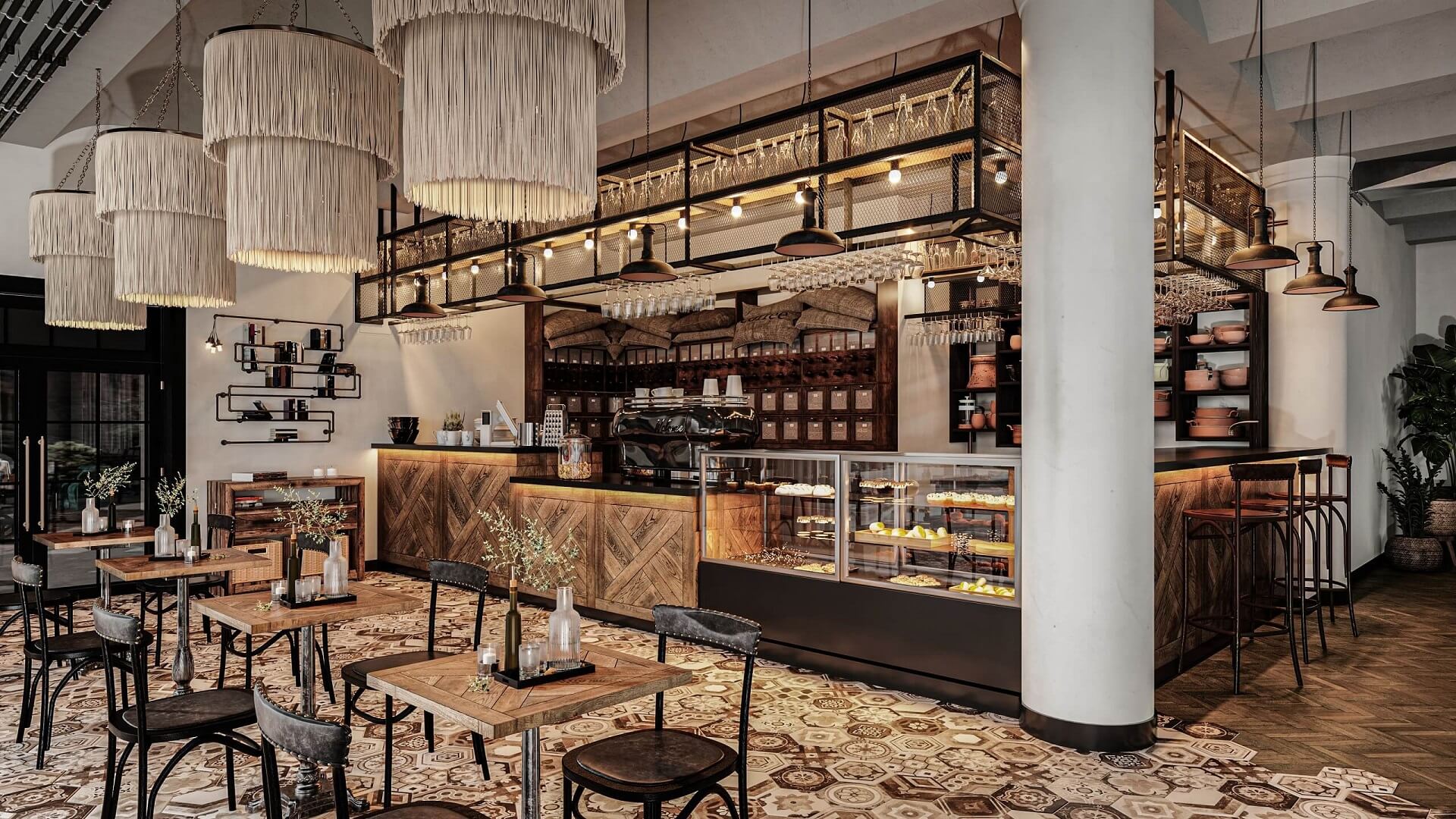
Commercial interiors are a different world compared to residential design. The scale is larger, the requirements are more complex, and every decision has to reflect a brand, not just a style. Whether it’s a hotel, a retail flagship, or a corporate office, the visuals need to communicate both function and identity.
In hospitality, it’s all about atmosphere. Lighting, textures, materials — everything needs to feel intentional and inviting. Leather seating, marble surfaces, warm pendant lights — these details set the mood. A successful 3D commercial render of a restaurant or lounge should make someone think, “I want to be there.” Retail interiors focus more on layout, product visibility, and how people move through the space. Corporate interiors sit somewhere in between — balancing aesthetics with practical details like seating capacity, acoustic treatment, and brand compliance.
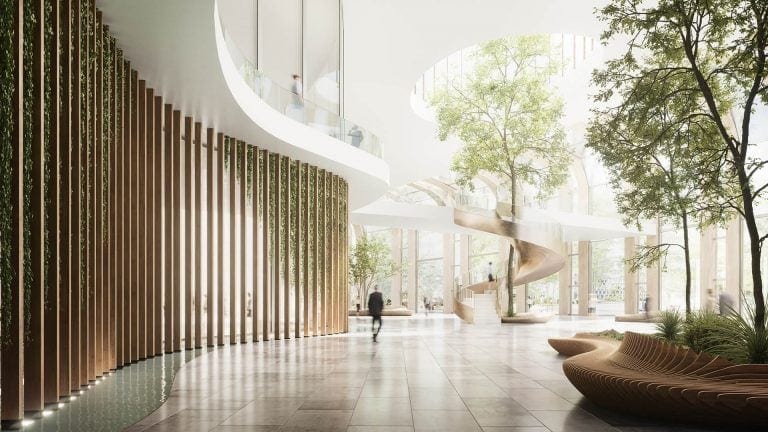
What makes commercial 3D renderings so powerful here is control. You can fine-tune materials down to the smallest detail — wood grain, metal finishes, fabrics — and test different lighting scenarios in the same space. Show a lobby in the morning with natural daylight streaming in, then again in the evening with accent lighting. Same room, completely different feel. A creative 3D visualization studio helps turn concepts into visuals that don’t just explain a design but make people feel it. That’s exactly what a professional 3D interior rendering company is there for.
Strengthen your design presentations with professional interior rendering
#3. Hospitality Architects: Hotels and Resorts
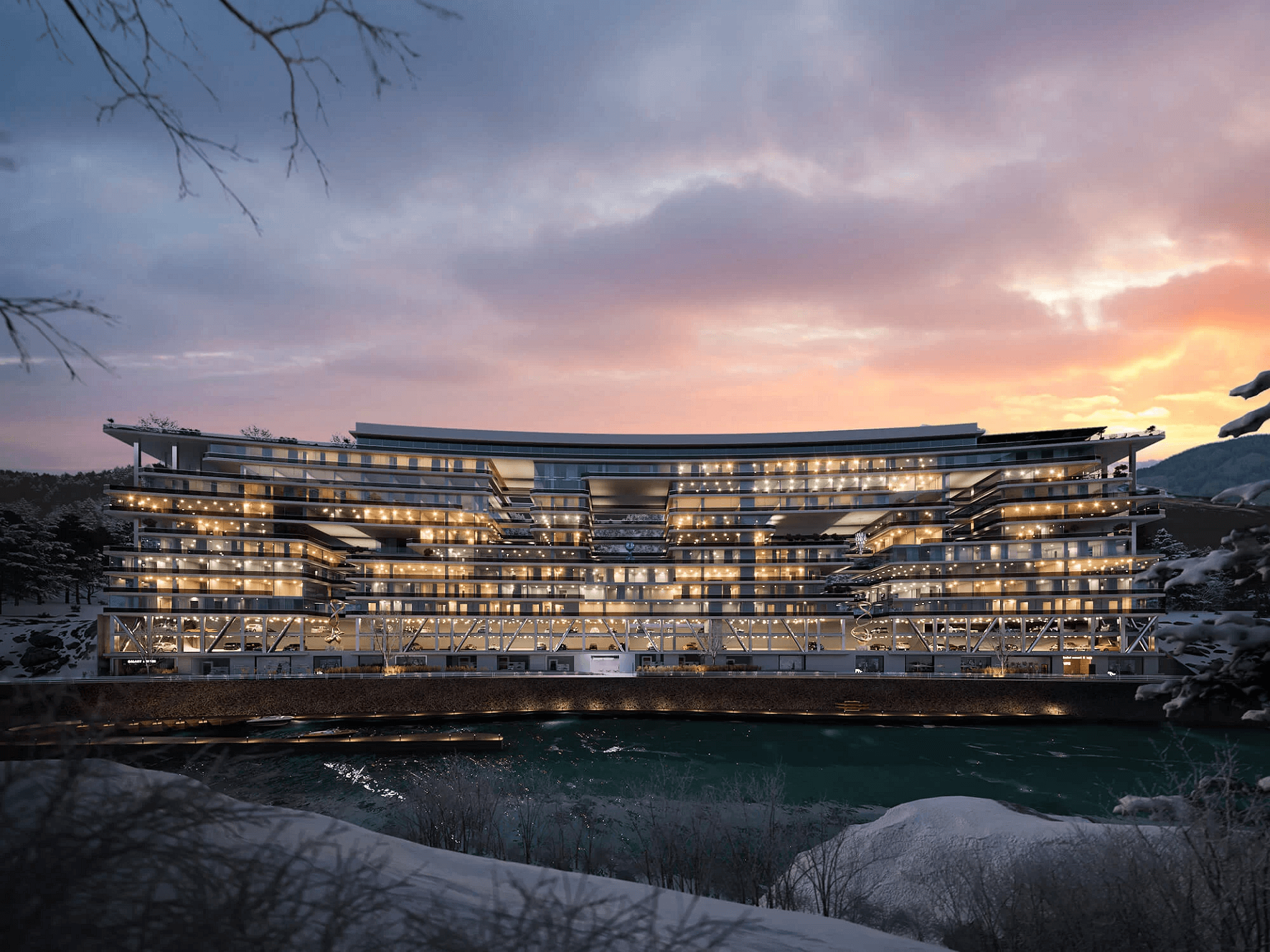
Hotels are one of the most demanding areas for commercial architectural renderings. You’re not just showing a building — you’re selling an experience. Investors and operators need to believe that guests will actually want to stay there. If the lobby feels cold or the rooms look generic, the whole pitch falls apart. No amount of financial projections will fix a bad visual impression.
That’s why hotel projects usually involve a wide range of visuals. You start with the exterior — arrival views, entrance canopies, landscaping, facade lighting at dusk. Then move inside: the lobby sets the emotional tone, guest rooms need to feel both aspirational and comfortable, and restaurants or bars each require their own mood and lighting approach. Then you add amenities — rooftop terraces, infinity pools, spa treatment rooms, fitness areas — and the scope expands quickly. Each space is almost a separate project with its own atmosphere.
Time-of-day variations are especially important. A pool at noon in full sun tells a completely different story than the same space at sunset with underwater lights glowing. Both versions are useful because they target different emotions. Many projects also include people in the scenes — guests lounging by the water, staff moving through the lobby, a couple at dinner. Because empty spaces rarely sell the idea. People need to see life in there. For hospitality teams, 3D commercial property rendering often becomes the key element that either wins or loses the pitch. That’s why hospitality 3D rendering plays such a central role in these projects.
#4. Landscape Architects: Parks, Campuses, and Urban Greenery
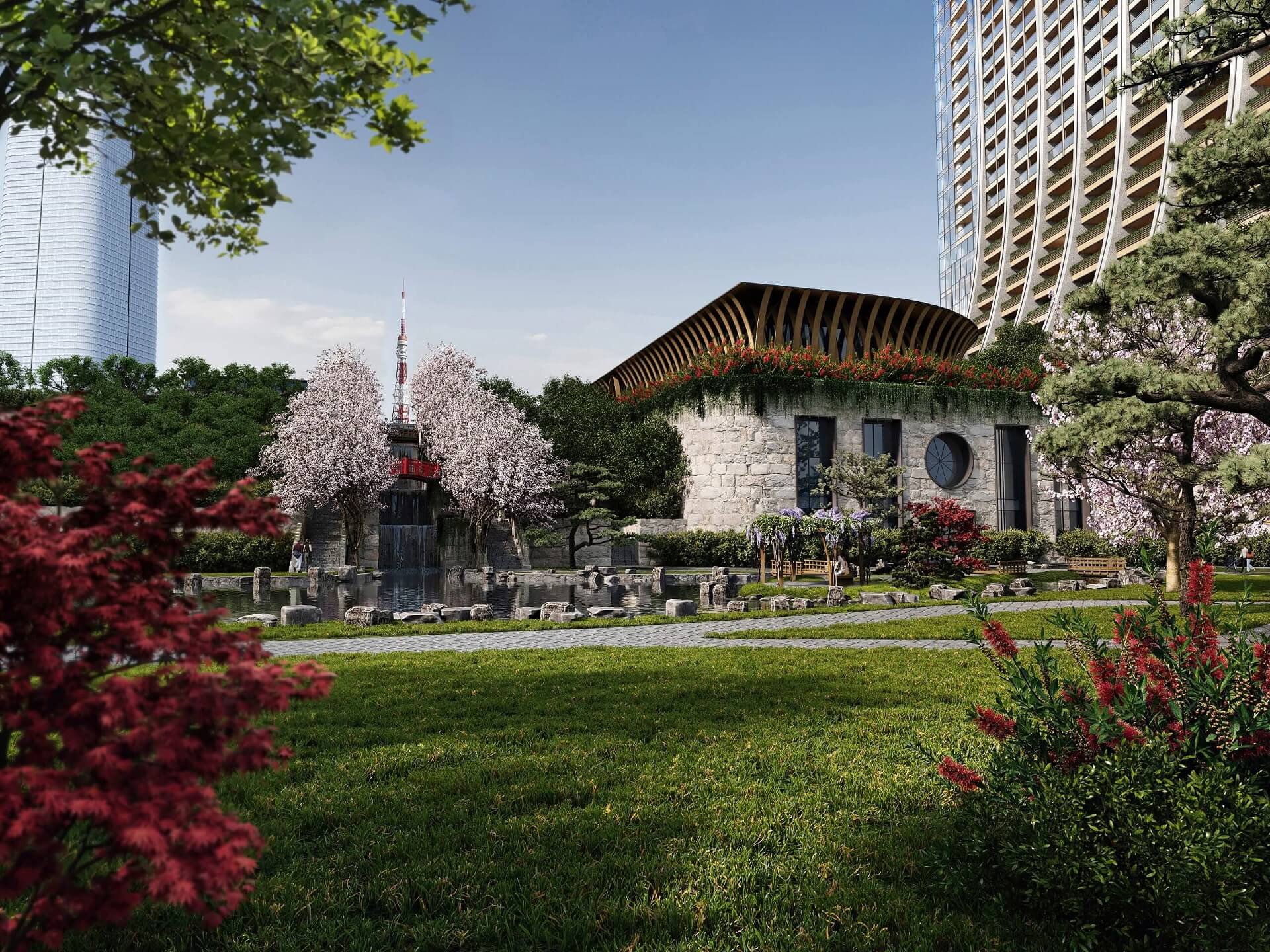
Landscape design is surprisingly hard to communicate with drawings alone. Plans can show layout, but they rarely capture atmosphere — and that’s exactly what matters most in outdoor spaces. A 2D plan tells you where the benches go. It doesn’t tell you what it feels like to walk through that park in October.
With modern tools, 3D commercial renders can recreate natural environments in impressive detail. Trees, shrubs, ground cover, flowering beds — everything can be visualized with correct scale and seasonal variation. A landscape architect can show the same space in spring bloom and autumn color, or demonstrate how newly planted trees will look in five years once the canopy fills in. This kind of time-based storytelling is something flat drawings just can’t do.
Time of day plays a huge role too. A pathway at midday feels completely different from the same path at dusk with bollard lights on and warm tones in the sky. And since landscape almost never exists in isolation, 3D commercial building rendering helps show how everything works together — buildings, greenery, hardscape, water features, and public seating as one connected system. The transitions between materials and spaces matter just as much as the individual elements.
For public projects, these visuals are often essential for planning approvals and community consultations, where residents need to understand the real impact of what’s being proposed. For commercial developments — corporate campuses, mixed-use communities, senior living — they prove that outdoor areas are not just decorative filler. They’re part of the overall value. That’s why landscape 3D visualization is becoming a standard part of the toolkit.
#5. Urban Designers: Neighborhoods, Cities, and Public Spaces
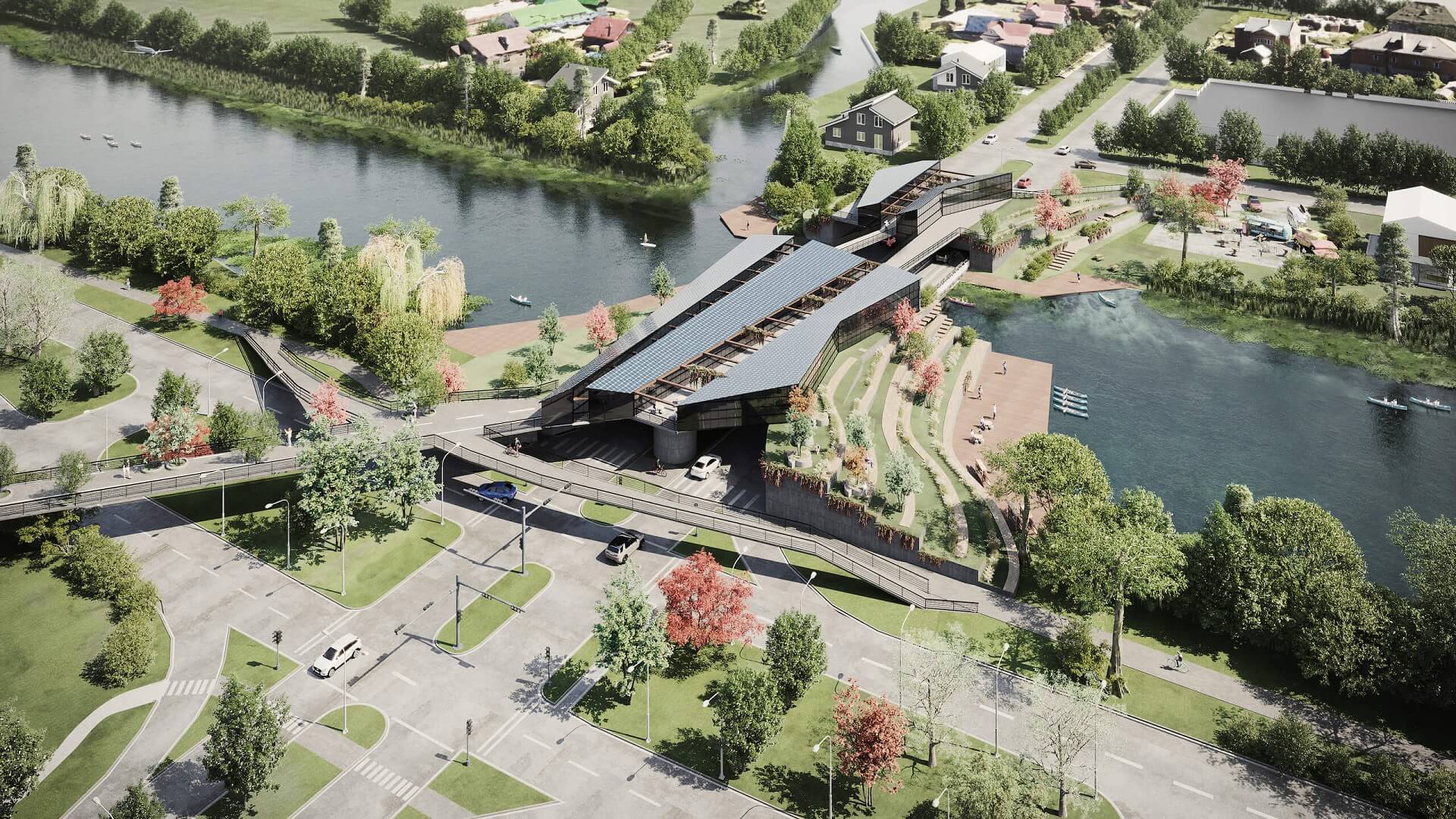
Urban design operates on the largest scale — entire districts, transport hubs, waterfronts. And the bigger the project, the more important clear communication becomes. You’re not presenting to one investor. You’re coordinating between city officials, community groups, transport authorities, and multiple development partners who all need to understand the same vision.
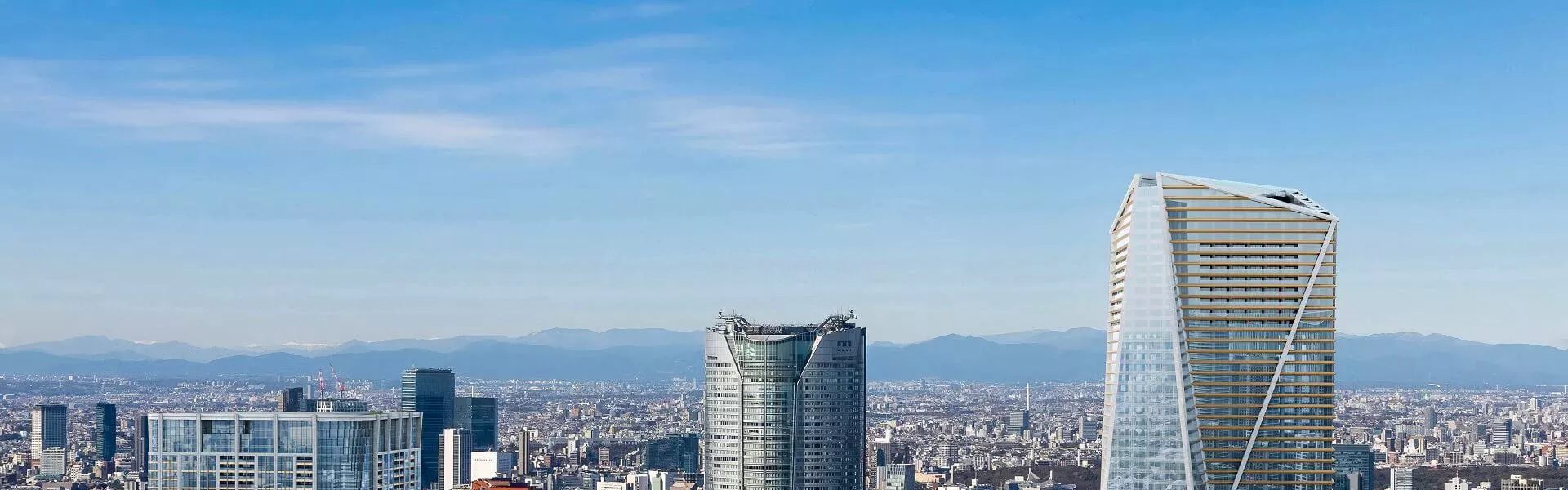
Aerial views are a core part of commercial architectural renderings at this level. They show how everything connects — buildings, streets, green corridors, infrastructure — in one image. These are critical for planning approvals, where decision-makers need to evaluate density, scale, and impact on the existing neighborhood. Without a clear aerial visual, it’s very hard for anyone to grasp how a 20-building development actually fits into the urban fabric around it.
But the real impact comes from combining perspectives. Street-level views show how the space actually feels for people walking through it — along a redesigned boulevard, across a new public square, into a transit station. These are the views that residents and community groups respond to most, because they show everyday experience, not abstract planning. Movement diagrams explain traffic and pedestrian flow. Infrastructure elements — from bike lanes to EV charging stations to stormwater systems — can be visualized directly in context to show that the planning is integrated, not bolted on. You can see how it works in this streetscape 3D rendering project for a New York development.
Animation takes it even further. A 3D architectural animation company can turn a complex urban project into a short, clear flythrough that communicates the full vision in 90 seconds. And in many cases, that’s more persuasive than dozens of static pages. For urban designers, commercial building rendering isn’t about decoration — it’s about proving the project works as a whole.
See how aerial rendering reveals a project’s scale and impact

Get 3D Commercial Renders That Win Projects
Different professionals use commercial architectural 3D rendering in different ways, but the idea is always the same: people respond to what they can see and feel. Whether it’s a single building or an entire district, strong visuals make decisions easier and faster. The right CGI partner understands the difference between a hotel pitch and a planning submission, and knows how to adjust the visuals accordingly.
If you’re looking for professional 3D rendering services, ArchiCGI can help you create 3D commercial renders that make your project stand out — and much harder to walk away from. Let’s talk about what your next presentation needs.
Working with a professional 3D rendering company makes this process much easier.

Nataly Cher
Senior Social Media & Email Marketer
Nataly's ambitious nature and creativity play a key role in her ability to create engaging content and highly successful targeted campaigns. Outside of the office, Nataly indulges her love of photography and plays with her joyful Jack Russel terrier, Mario.