


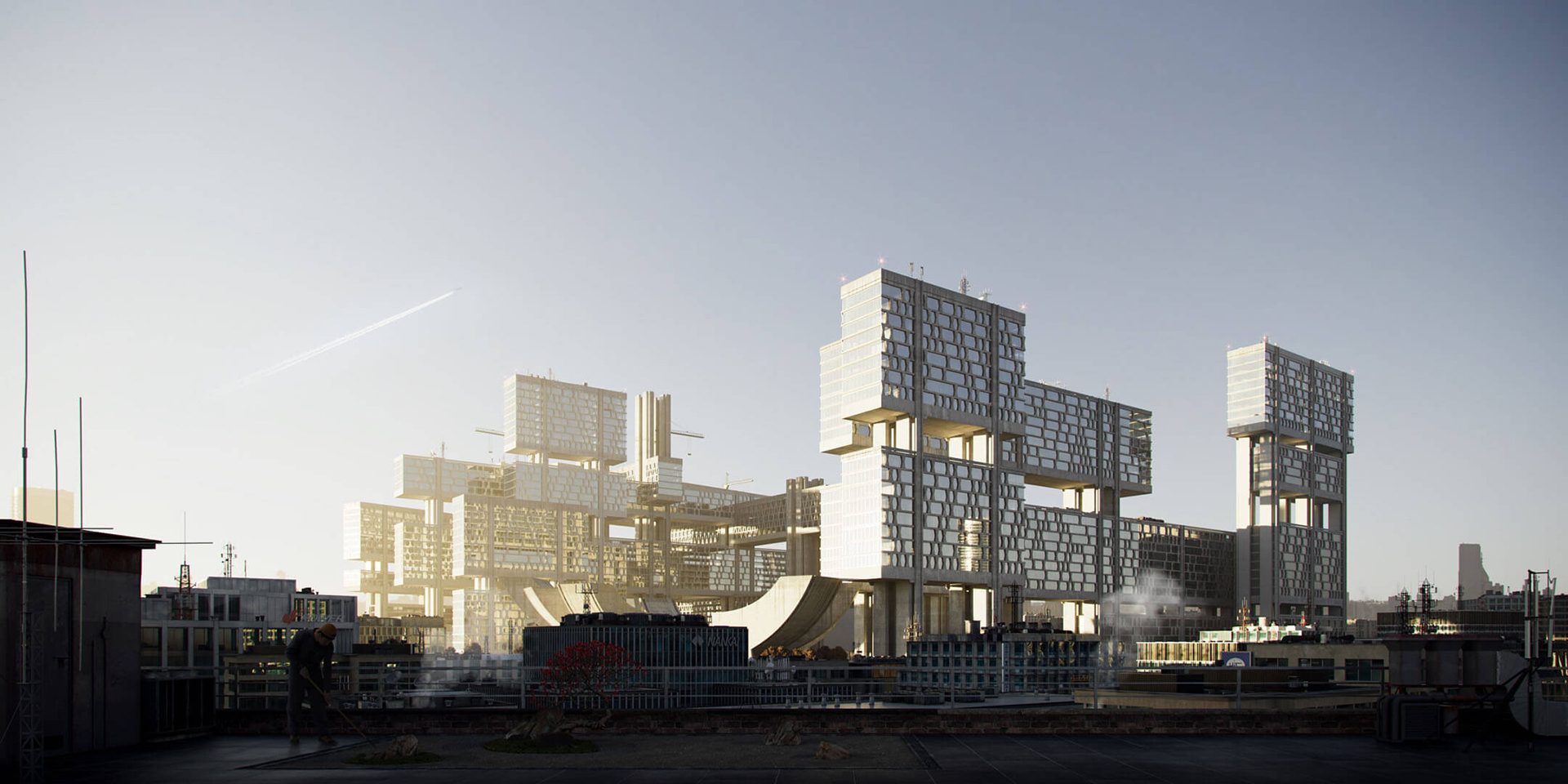
There are many ways to build a partnership with an architectural visualizer. Some architecture professionals hire in-house CGI specialists, some find freelancers, and some partner up with outsource 3D visualization studios. But, whatever the case may be, there’s always this burning question: how does one hire the right candidate for the job?
The answer is: by knowing exactly what to look for in the first place. In fact, there are several criteria by which an architect can judge a 3D artist’s competence. A great portfolio is one of them, but it’s definitely not the only thing that matters. And if one doesn’t know the other criteria for making a choice, they risk hiring the wrong person. That is likely to result in low-quality visuals, missed deadlines, inefficient communication, etc. Now, we want to help architects avoid that.
So, what are the qualities that set 3D architectural visualization professionals apart from amateurs? Find out right now!
What Does an Architectural Visualizer Do?
An architectural visualizer turns drawings, CAD files, and BIM models into photorealistic images, animations, and virtual tours of buildings that don’t exist yet. Architects use these visuals to present concepts and win approvals, interior designers to show finishes and furniture, and developers and real estate marketers to pre-sell properties. The work usually goes through the same stages: 3D modeling from the drawings, texturing and materials, lighting, rendering, and post-production. A good visualizer handles all of them and knows where each one can make or break the final image.
#1. Proficiency with Specialized Software

Profound knowledge of professional software is the most basic requirement for an architectural visualizer. The core toolkit is still 3ds Max with Corona or V-Ray, plus Photoshop for post-production. For animations and virtual tours, many studios now also work in real-time engines such as Unreal Engine, D5 Render, Twinmotion, or Lumion. AI tools have entered post-production too, for upscaling or adding entourage, and a good visualizer uses them without changing your design. To work quickly and efficiently, it’s essential for a 3D visualizer to know every single tool and feature within the software. Also, an architect should make sure that their specialist of choice uses only licensed programs. Because otherwise, there’s a great risk of unexpected technical failures. Overall, one should always ask what software the artist uses.
#2. Possession of Strong Artistic Skills

The next must-have for a CG visualizer is artistic competence. Because architectural visualization isn’t just about technicalities. It requires a solid understanding of exterior and interior design, knowledge of color theory and image composition, and so on. Therefore, to make truly stunning 3D scenes, a visualizer needs to be able to accurately pick up the styles and moods from the clients’ references. Then, a 3D artist must be able to come up with creative solutions and execute them flawlessly. This is why it’s important to know if a 3D visualizer has a background in visual arts.
#3. Perfect Visualization Techniques

Now, this is something that cannot be faked or achieved by chance. Because the knowledge of visualization techniques only comes with experience and practice. It includes skills in texturing, shading, lighting, and postproduction. Those are the things that make CG images photorealistic. So, if an architectural visualizer can handle all those stages of production perfectly, the quality of their work will be consistently high. One can see that an artist has these skills when their portfolio is filled with beautiful photorealistic images. Ask to see clay renders or a breakdown of one project: they show the craft behind the final image better than a polished portfolio shot.
#4. Knowledge of Architectural Drafts
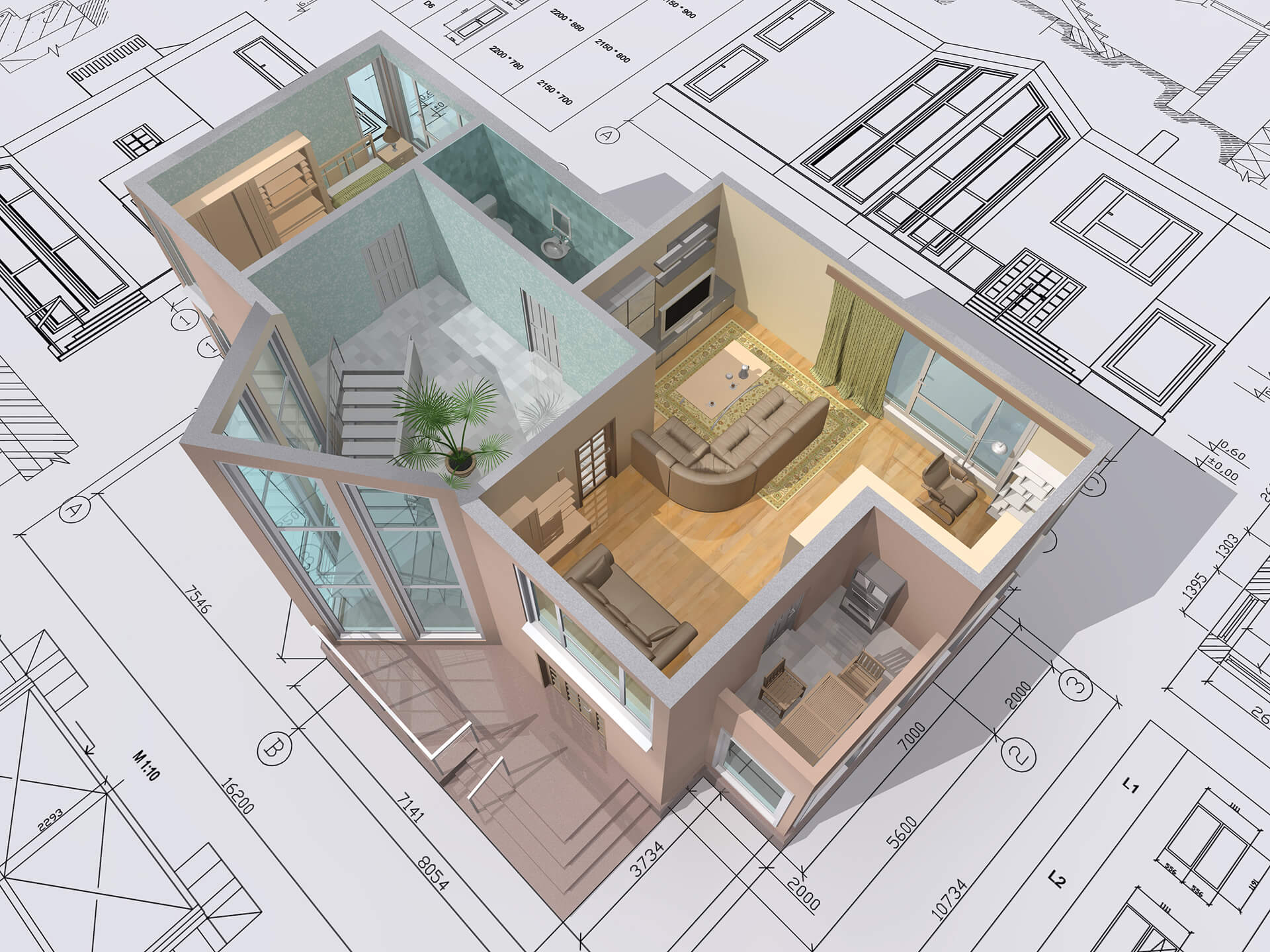
Architectural drafts are the basis of every realistic 3D visualization project. Therefore, a CG visualizer needs to be able to effectively use AutoCAD, Revit, ArchiCAD, Rhino, and SketchUp files as references. Only this way, a CGI specialist can achieve a high level of precision when recreating buildings and structures in 3D. Essentially, that means getting all the dimensions and proportions right. So, naturally, the skills of reading architectural drawings are a must-have for a 3D visualizer. That’s why many specialists in this field have a background in architecture or design. A strong visualizer also spots inconsistencies between plans and elevations and asks about them before modeling, not after the first render.
Elevate your exterior design project with photorealistic 3D visuals that help clients confidently approve your proposals.
#5. Ability to Follow Instructions

The ability to execute a brief and understand the client’s requirements is essential in the job of an architectural visualizer. Such a specialist must keep a delicate balance between following directions and offering creative ideas. That requires a 3D artist to be flexible and competent enough to quickly come up with solutions, as well as alternatives in case the client requests corrections. At the same time, a visualizer needs to maintain the same level of artistic quality in all their works. And, most importantly, a CG expert must be completely impartial and equally good at visualizing designs they like and ones they aren’t quite passionate about. A clear brief helps here: see how to write a technical assignment for architectural renders.
#6. Excellent Communication and Teamwork Skills

Working efficiently in a team is a crucial ability for 3D artists employed at architecture firms or specialized CGI studios. It allows them to tackle big visualization projects by dividing them into smaller tasks. This way, by doing multiple assignments at the same time, a team of CG specialists can deliver high-quality results very quickly.
Also, it’s important for an architectural visualizer to be able to communicate not only with other specialists on the team, but with clients and project managers as well. And one could say that, in terms of communication and teamwork skills, 3D artists who work at outsource CGI studios are the best due to their constant cooperation with clients and colleagues.
#7. High Level of Self-Organization

Apart from working in a team, a qualified architectural CGI expert must be excellent at managing their own time and workflow. That includes the ability to efficiently organize their work process and to know how much time they need to complete a particular task. Furthermore, a truly professional 3D visualizer will always find time for self-improvement. For instance, they might attend courses and workshops to learn new skills or perfect those that they already have. Such specialists always follow the industry news and are aware of all the latest tools and techniques for 3D visualization.
In-House, Freelance, or Studio: Where to Find an Architectural Visualizer
- In-house visualizer. Full control and fast feedback, but you pay a salary, software licenses, and render hardware even in quiet months, and one person can only take on so much.
- Freelancer. Easy to find on marketplaces and flexible for one-off projects, but quality varies widely, and the project stops if that one person gets sick or busy.
- Visualization studio. A team that covers modeling, rendering, and quality control, keeps deadlines when the workload spikes, and has a library of 3D assets ready to use. It suits firms that need visuals regularly or in volume.
How to Test an Architectural Visualizer Before Hiring
- Look for projects similar to yours in the portfolio, not just the best-looking images.
- Ask how many revision rounds are included and how changes are handled.
- Agree on turnaround for your scope before you start.
- Check independent reviews and ask for references.
- For a long-term partnership, start with one paid test image.
Well, those are the 7 most important skills to look for in an architectural visualizer when hiring one. Looking at this list, one can say that partnering up with an outsource CGI company is the safest choice. Such studios have many highly qualified specialists that are used to working in teams together. They know all the specifics of architectural visualization and have large collections of 3D assets they’ve created over the course of their work. Moreover, a great number of CG artists is a guarantee that the work will go on even if one of the team members cannot continue due to some force majeure.
Want to learn how much your project costs? See how we evaluate 3D rendering projects

Looking for top-notch 3D visualization services? Contact us at ArchiCGI and have first-class specialists bring your designs to life! We guarantee the highest quality of the visuals and a short turnaround time. Everything from terminology to studio selection is in our 3D architectural rendering guide. Related reading: how a client manager runs CGI projects and our year-end results.

Yuliia Shytina
Business Development Manager
Yuliia shapes what ArchiCGI says online, from blog guides to service pages. Her favourite part is finding the question clients are really asking and answering it better than anyone else in search.