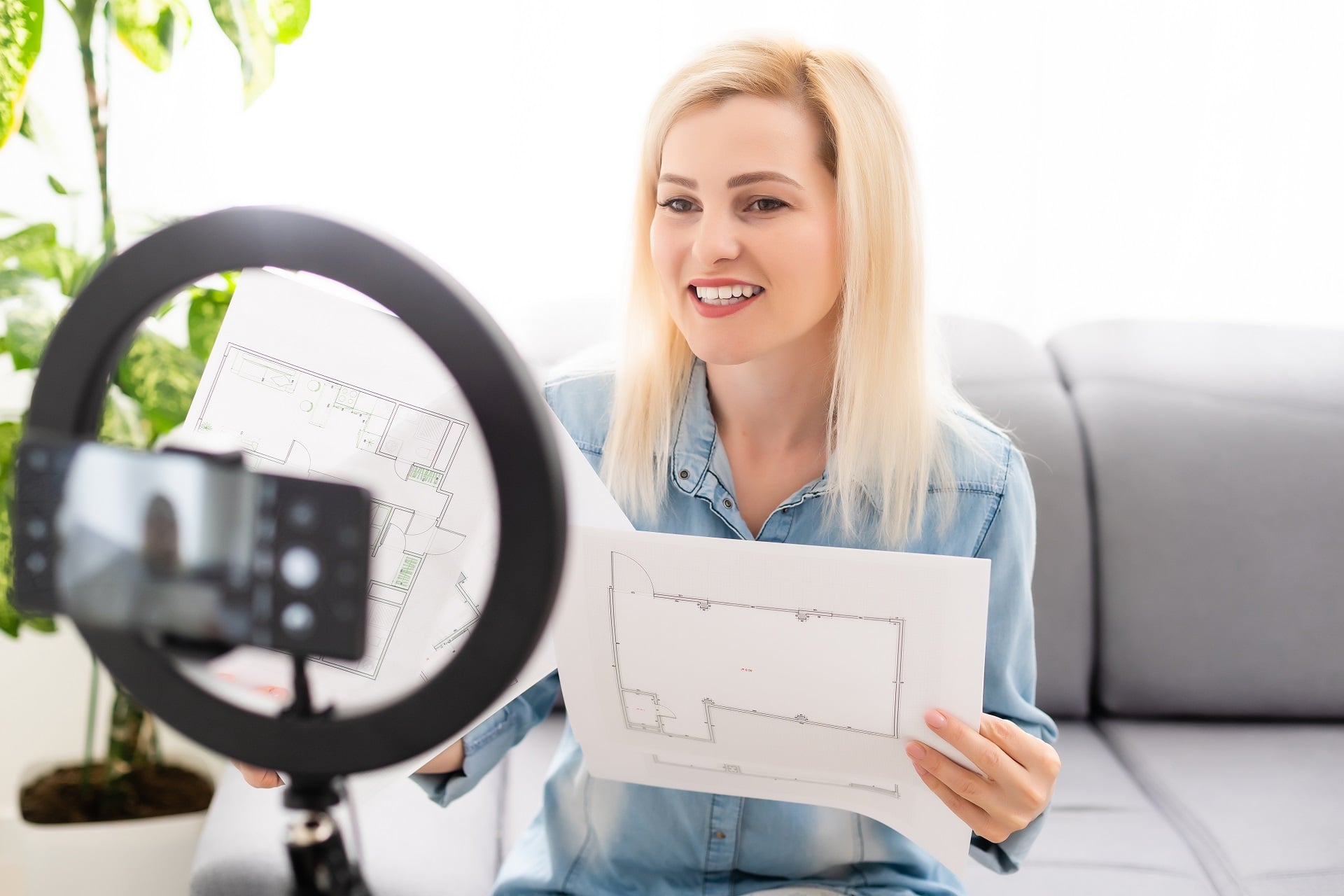


Architectural marketing is what turns an architecture expert into an opinion leader and a demanded professional. Smart marketing is what makes clients feel proud when they are asked who has created the design. And it’s what makes them positively happy when they see the effect the name produced.
Successful marketing for architectural firms is when the reputation precedes the company. So that it doesn’t have to convince the jury to take their work into consideration at a competition. Moreover, they get an invitation to participate and thus stronger chances to get noticed.
But knowing how to market your architecture firm is a challenge. Architects are busy professionals often dealing with multiple projects at once, leaving little room to study marketing techniques. Many rely only on word-of-mouth and a basic website portfolio, which is useful to some extent, but not sufficient. Without a well-thought-out approach, even talented professionals can lose clients to less skilled competitors who simply market themselves better.
That makes architectural marketing a strong advantage in a competitive market. And at the base of it, lie high-quality visuals, and 3D rendering for architects is the tool that produces them. Learn how to empower your marketing campaign and attract clients with high-end 3D imagery.
Build the Foundation: Niche, Audience, and Goals
Before diving into tactics, set up the base that makes every tactic work harder. Three things belong here: a clear niche, a portrait of your ideal client, and measurable goals.
Define Your Niche
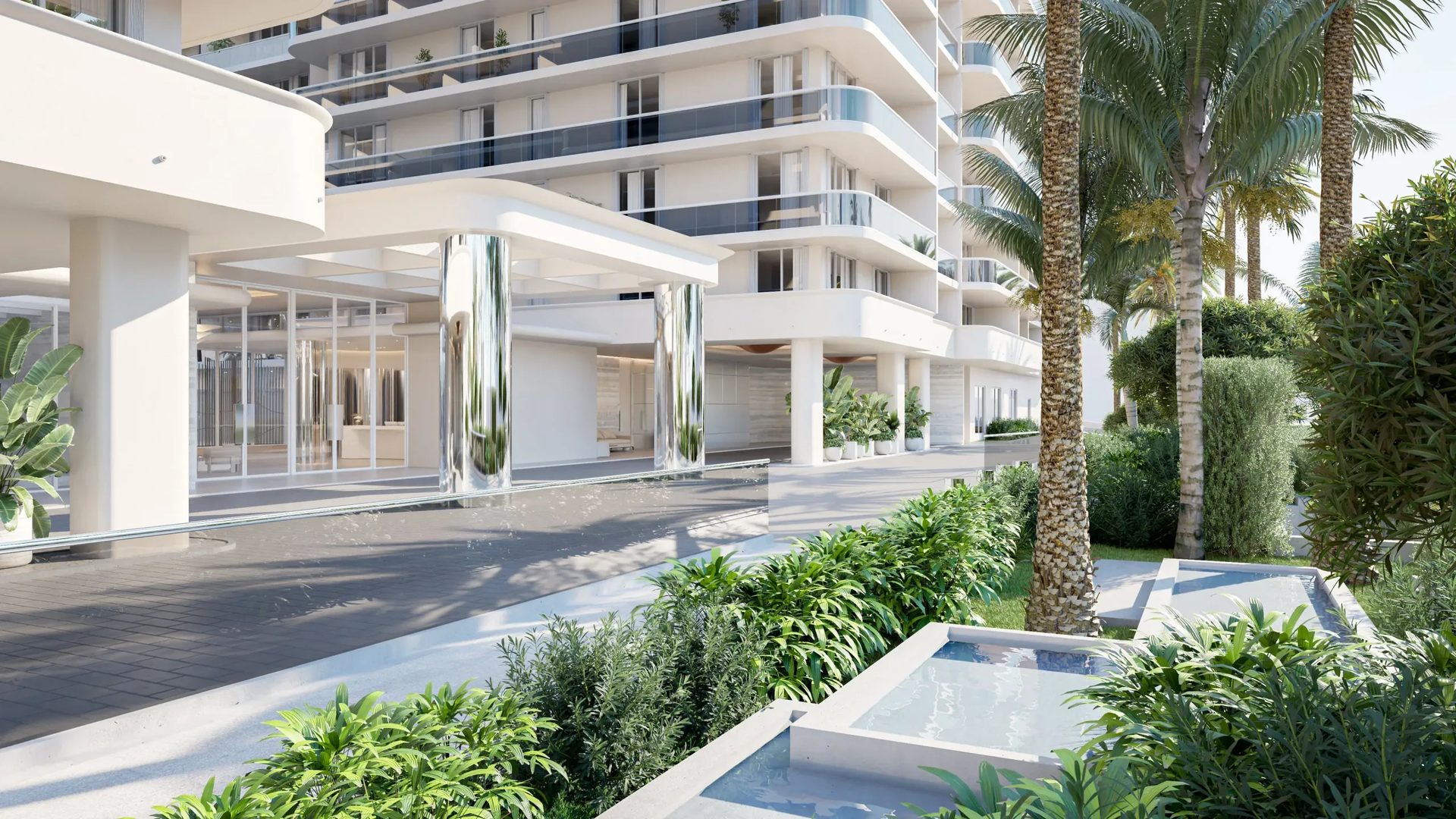
A common mistake is claiming expertise across the board: this is unfeasible and makes prospects doubt your competence. Instead, position yourself as a specialist in a specific niche: luxury homes, commercial buildings, budget houses, sustainable design, or another focus. This helps clients narrow their options and choose you. Divide your portfolio by project types to reinforce this positioning.
Create a Portrait of Your Ideal Client
A client avatar predicts the online behavior of your target customer: what they want, what language to use when communicating, and where to find them. Recall the clients you have already worked with and write a detailed portrait: profession, income, family situation, educational background, daily tasks, hobbies, and the places they spend time online. Once the avatar is ready, it becomes clear which platforms to invest in and what content will resonate.
Set Realistic Goals and Track Them
Plan the growth thoroughly instead of posting at random. Look at the current state of your channels, define the numbers you want to reach, and plan month by month: how often to update each page and with what type of content. Then track the performance regularly. Follower growth, engagement, inquiries, and signed contracts show which efforts pay off and which need adjusting.
Each of these three steps has a deeper guide: our seven steps of content marketing walks through building a client avatar, branding for architecture firms covers the visual and verbal identity that follows from it, and five strategic marketing tools and this interview with Enoch Sears show how firms structure the whole effort. For a broader look at where commissions come from, see how architects get clients and five digital marketing solutions for architecture firms. For goal-setting mechanics, see SMART goals for architects, and this take on an architect’s work-life balance reminds why the plan should survive contact with the workload. If you prefer the long form, our reading list for architects collects the business titles worth the time.
With the foundation in place, here are 10 ways to put CGI to work across your marketing channels.
#1. Use 3D Renders on the Website to Represent Yourself
A website is a reliable means of digital marketing for architecture firms. It helps companies share all the information that proves the architects’ mastery in one place.
What can be a better proof of expertise than images of real projects? So, architects place before-and-after images to showcase their skills and experience.
However, an architectural project lasts long, and that’s not enough for regular content updates. And what about projects that have never seen the light of day? Or those that are built abroad so that there’s no chance of getting a picture? No photos means no content for architectural marketing.
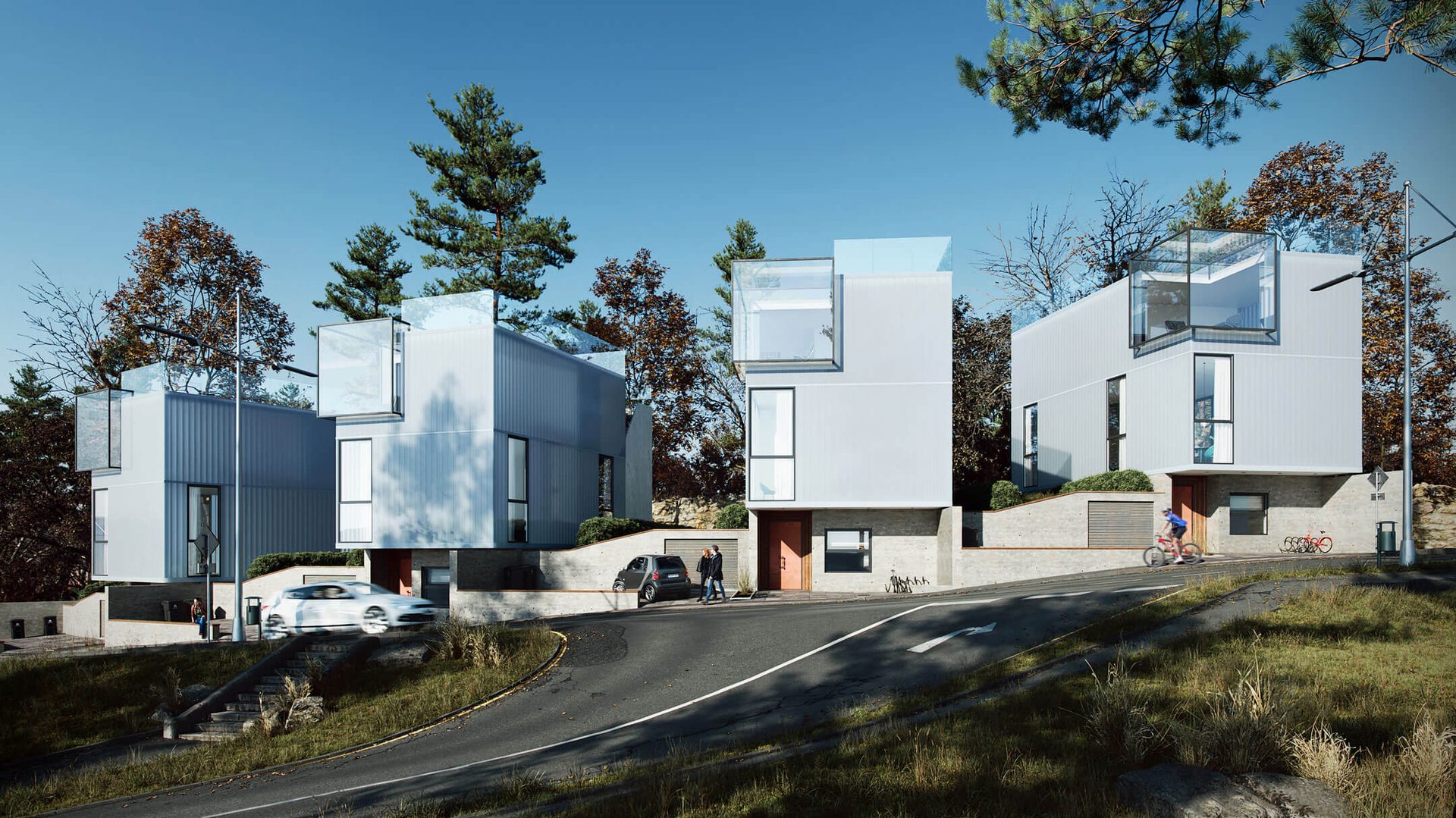
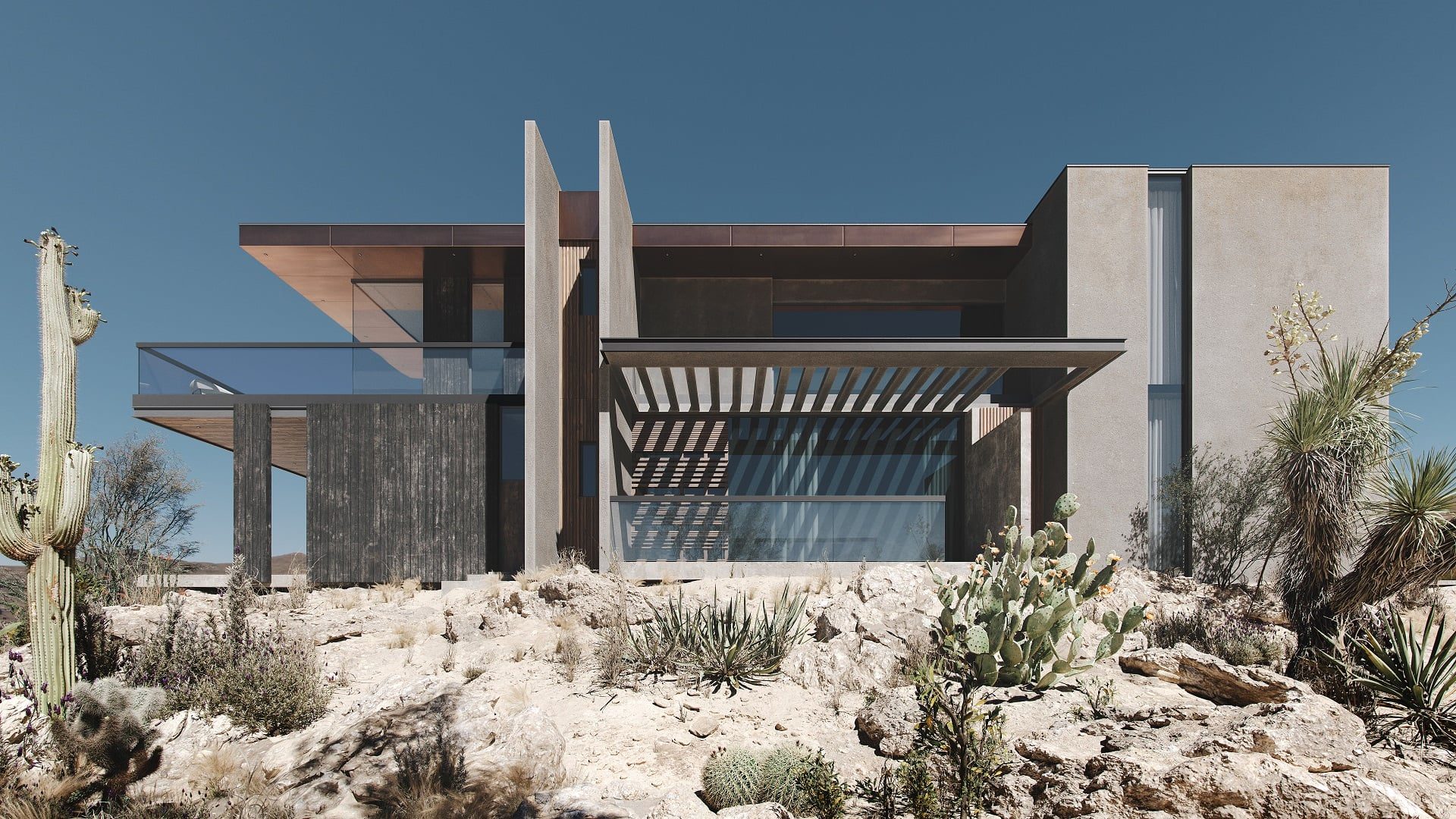
However, the buildings can be digitally recreated. Photorealistic architectural rendering can bring all those works to life on the architectural firm’s website, and the image will be as good-looking as a professional photograph.
Blog 3D Imagery to Display Your Work and Development
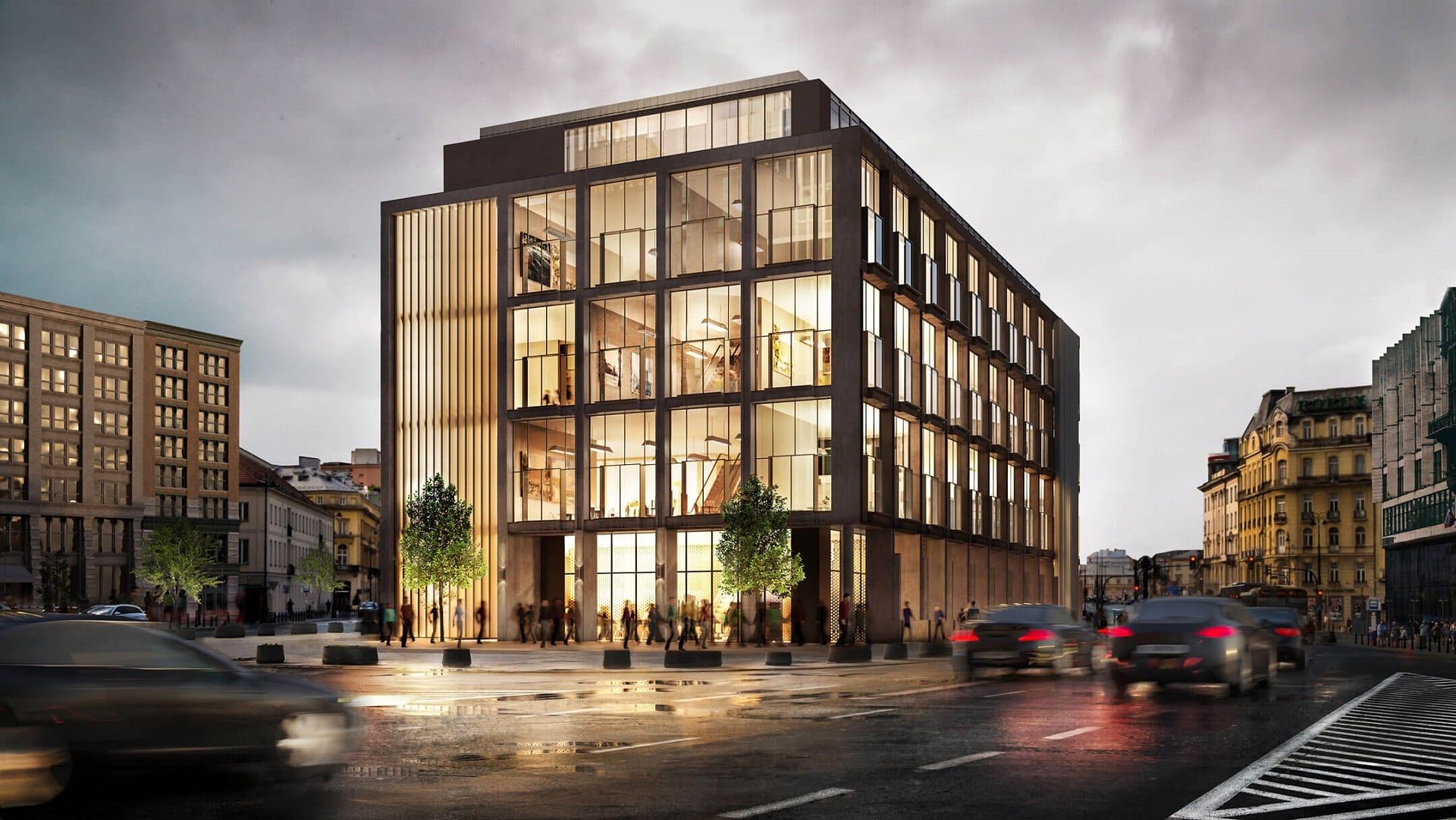
It happens that architects don’t even know how much information they can share on the blog, and how valuable it is for clients and prospects. In fact, if you are an architect, practically any professional activity can result in plenty of architectural marketing ideas for the blog.
For example, a large-scale commercial building project is coming to the end. And a small residential one already makes a family ultimately happy with their sweet home. Both buildings merit a blog post, and 3D graphics will showcase all their splendor and functionality.
A new certificate, an insightful educational program are certainly worth an announcement too. And if the practical assignment was to make up an architectural design, why not use it for marketing? You can illustrate the note with the drafts remaining after the program, but 3D rendering will draw more attention and give the audience a clearer view of the project.
Portfolio 3D Renderings to Showcase Your Mastery
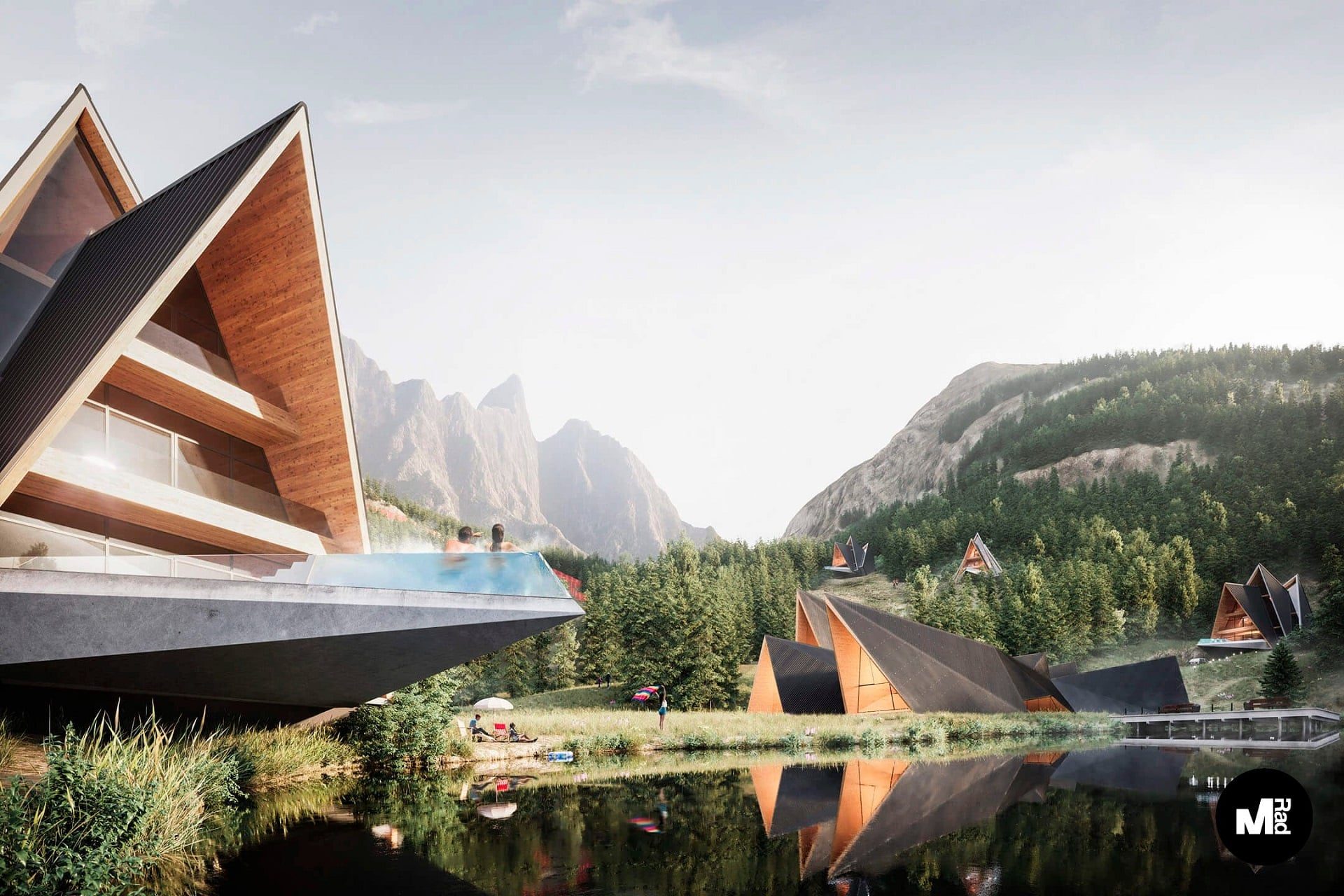
A portfolio is the architect’s display case, so it needs impeccable imagery. Meanwhile, the pictures of the building he or she takes are rarely the best ones. Even if they are, it takes plenty of time and effort.
For example, the rooftop above looks best in mild evening sunlight, but the weather may have other plans. In case of photography, the architect or marketer would have to wait till the sky clears up. Even more, to shoot a night view means to head to the building when other people are sleeping. But with CGI, this is not the case. 3D visualization allows an architect to get stunning pictures of a house showing it from any angle and at any time of the day, weather, and season effortlessly.
Consider adding 3D floor plans to your portfolio as well. They showcase the building from a bird’s eye view in photoreal quality, allowing viewers to examine smart layout solutions, something traditional photos rarely capture effectively.
The website deserves its own deep dive: website design tips for architects covers structure and user experience, content ideas for an architecture website lists what to publish, SEO for architects explains how clients find the site through search, and our guide to finding clients through a website turns visitors into inquiries. For the portfolio itself, see practical portfolio tips, realistic 3D visualization for portfolios, and the case for CGI over photography.
#2. Use CGI in Whitepapers for Bolder Presentation
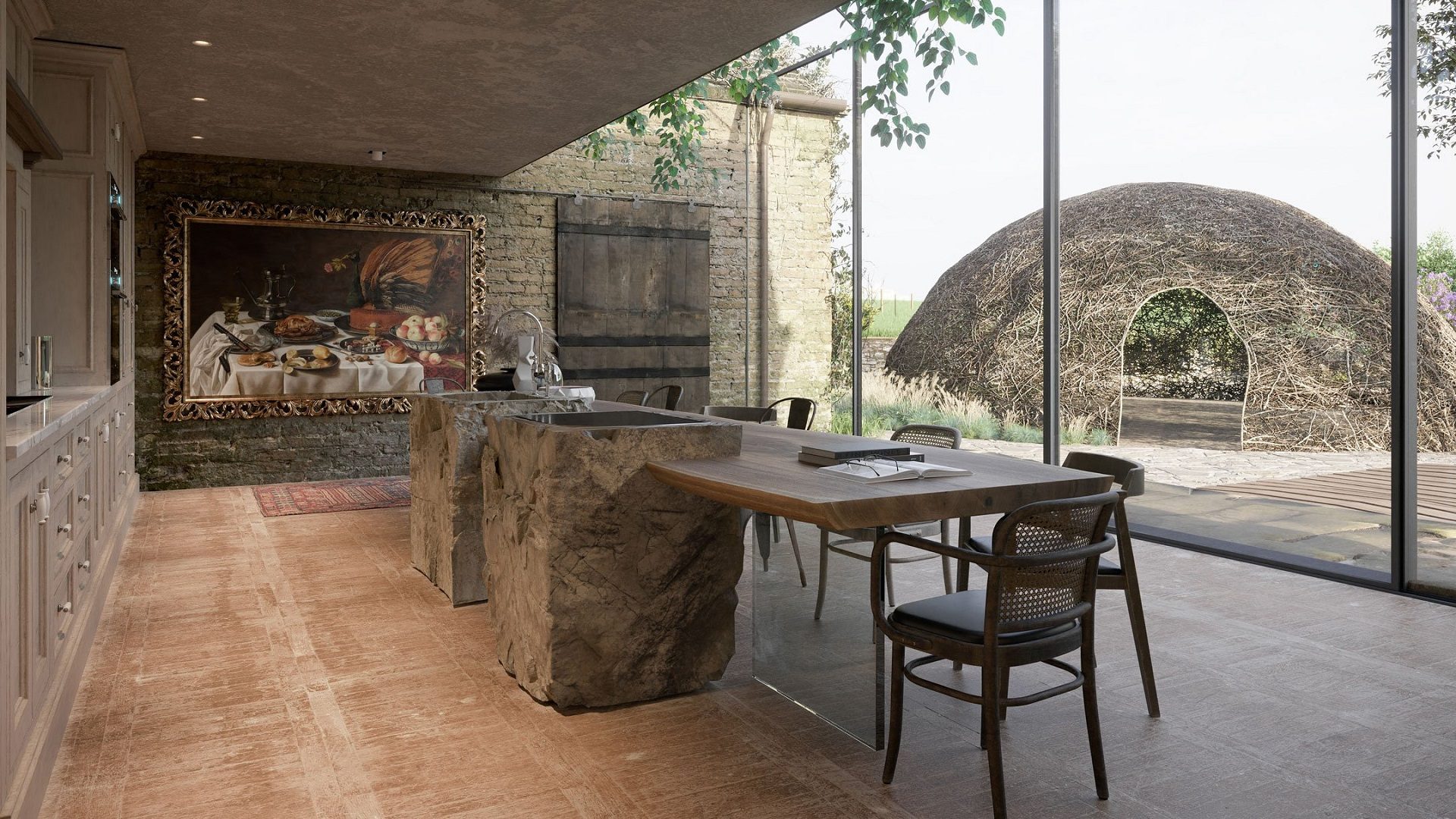
A white paper is a B2B report that overviews a topic, states issues and suggests solutions. By being educative and promotive at the same time, it makes the readers’ interest grow and encourages him or her to learn more about the company. Offering a white paper in exchange for a newsletter subscription will help an architectural firm build a mail list faster. The same logic works for other lead magnets: a short video course on choosing an architectural firm, a checklist, or an invitation to a free event you organize. Whatever the format, it must prove your expertise and be of real value, so the reader gladly leaves their email in exchange.
Though text-only white papers can give plenty of useful and relevant information, they are not that eye-catching. People tend to forget all about their authors once they’ve got the answers to their question. 3D renderings and photos offer both visual proof to the words and an eye-candy to get noticed.
#3. Use 3D Graphics in Social Media to Drive Interest

Social networks help build a community of prospects. Also, they allow to attract those who already consider hiring an architect. And quality visuals are of high importance here. On Facebook, posts with images get 2.3 times more engagement than text-only ones. About 14% of users engage with a post if it contains an image, and about 12% of them do it if it contains a video. This way, most marketers view images and videos as the most important forms of content for digital marketing.
And it’s not only Facebook where architectural firms can use marketing visuals to attract customers. YouTube remains the number-one video hosting and, as such, an efficient video marketing tool. Instagram is the social network where users engage with brands most, and a photo or video is an admission tickets here. On Pinterest, people seek images that entertain and educate at the same time. Don’t overlook Houzz either: it’s specifically developed to connect people interested in architecture and home improvement with professionals. Architects and clients can establish relationships there before meeting and signing deals.
3D visualization helps a professional leverage the power of these media. Architectural illustration helps firms net clients on Pinterest while animation does the same on YouTube. And both types of content are suitable for Facebook and Instagram campaigns.
Build your SMM strategy on audience research. Learn as much as possible about your target audience: geographic location, age, profession, gender, lifestyle, hobbies. Create a customer avatar and produce content tailored to it. Share useful advice, start discussions, offer quizzes and questionnaires to boost engagement.
Show your inner workings. Let prospects see not just achievements but the human side of your firm. Publish images and videos of your work routine: discussing drawings at the office, meeting vendors, doing site visits. Share challenges, successes, and even funny memories. This builds trust by showing what it would be like to work with you.
Be responsive. When users comment or send messages, answer promptly and politely. Engagement is a two-way street.
Elevate your exterior design project with photorealistic 3D visuals that help clients confidently approve your proposals.
Each platform works differently: our platform comparison compares eight of them side by side, while Instagram for architects and LinkedIn for architects go deep on the two that matter most for architects. See also this guide to 3D visuals in SMM on turning renders into social content, local marketing tips for reaching clients in your own city, Christmas marketing ideas on seasonal campaigns, and word of mouth marketing for the recommendations that follow, and Houzz for architects for the platform built specifically for home professionals.
#4. Make Newsletters More Persuasive with 3D Renders
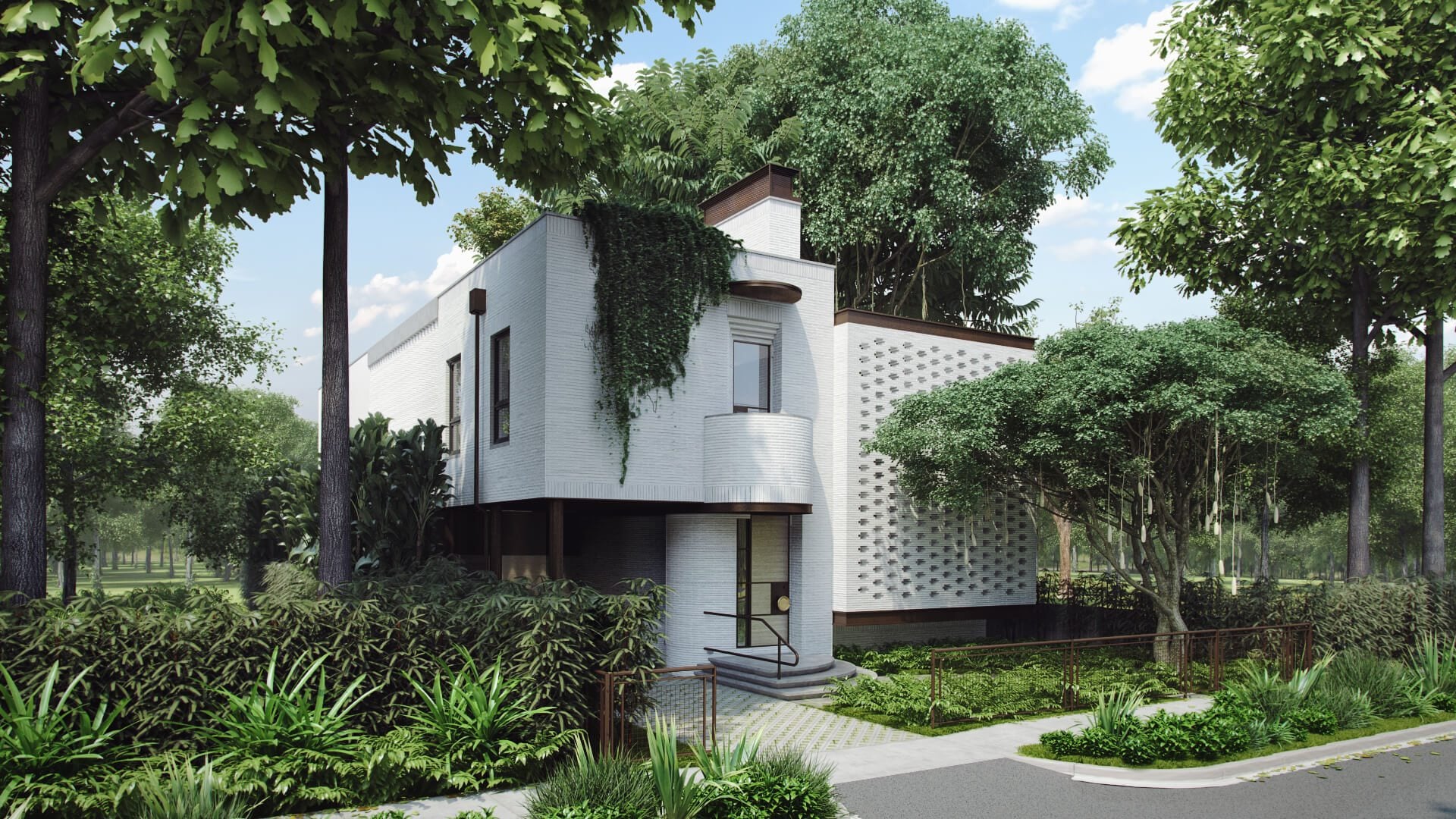
Email marketing aims at those already interested in architectural services. But what encourages readers to contact the firm? Along with the text, they need a clear demonstration of the architect’s mastery. 3D rendering accomplishes this mission by showcasing architecture project in all its splendor. A 3D artist can find the most spectacular perspective and choose the season and weather that underlines the advantages of the design.
For list building, segmentation, and the emails themselves, see our guide to email marketing for architects. And blogging for architects explains how a blog keeps subscribers engaged between campaigns.
#5. Use CGI to Generate More Leads at Trade Shows
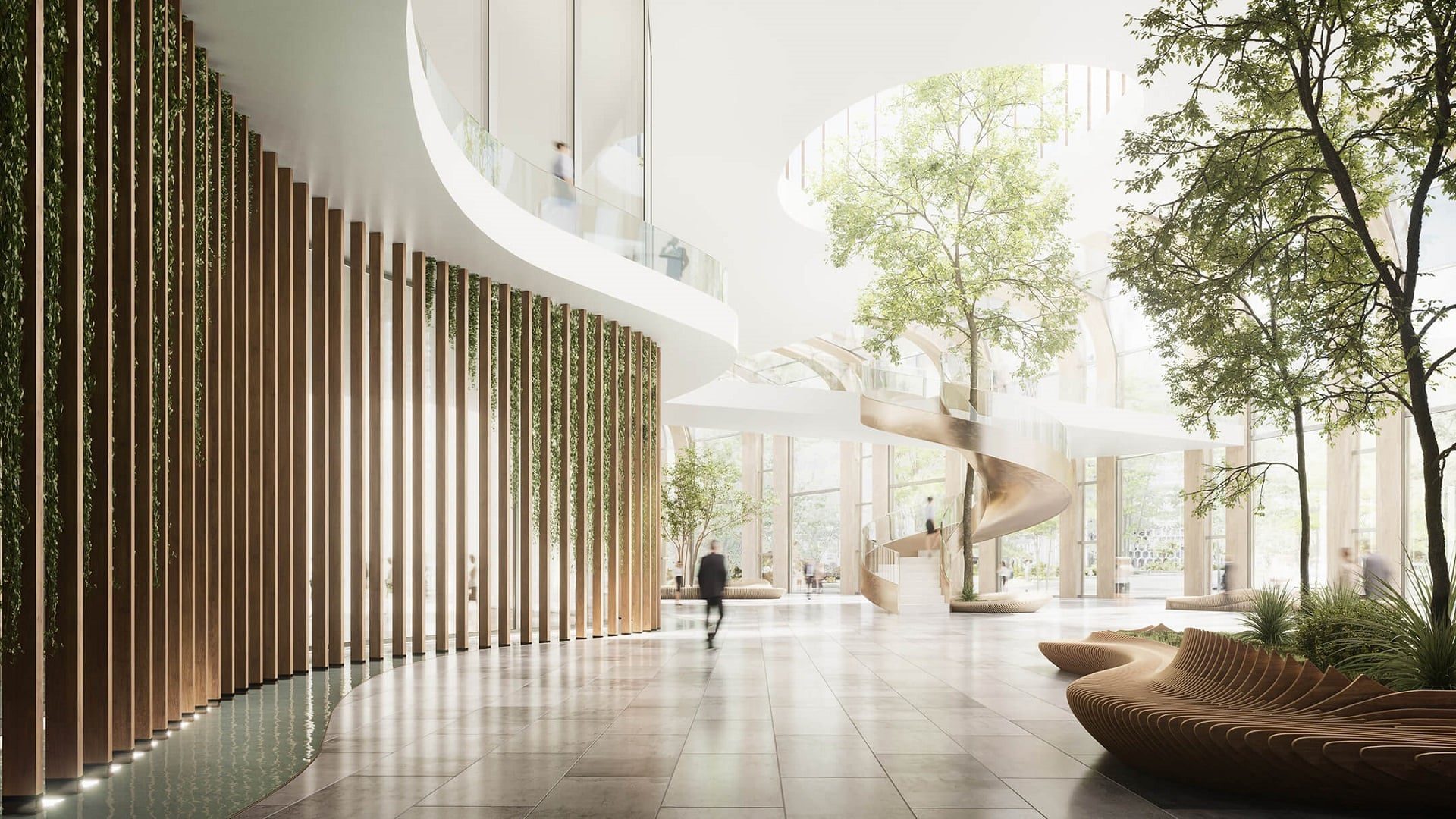
Trade shows work as effective lead generators in marketing for many spheres, and architectural services are no exclusion. 3D graphics, whether on posters or a wide screen, helps draw attention to the exhibition stand – especially if it’s architectural 3D animation.
Having caused the visitors’ interest, the architectural firm can showcase its projects using 3D images of both exterior and interior. Now’s the time to get their contacts. And give each of them an architecture marketing brochure lavishly illustrated with 3D graphics.
Picking the right events is half the result: architecture events in the USA and architecture events in Europe list the ones worth the trip, and international architecture conferences covers the academic and professional conference circuit.
#6. Underpin Public Speeches with CGI-Based Slides
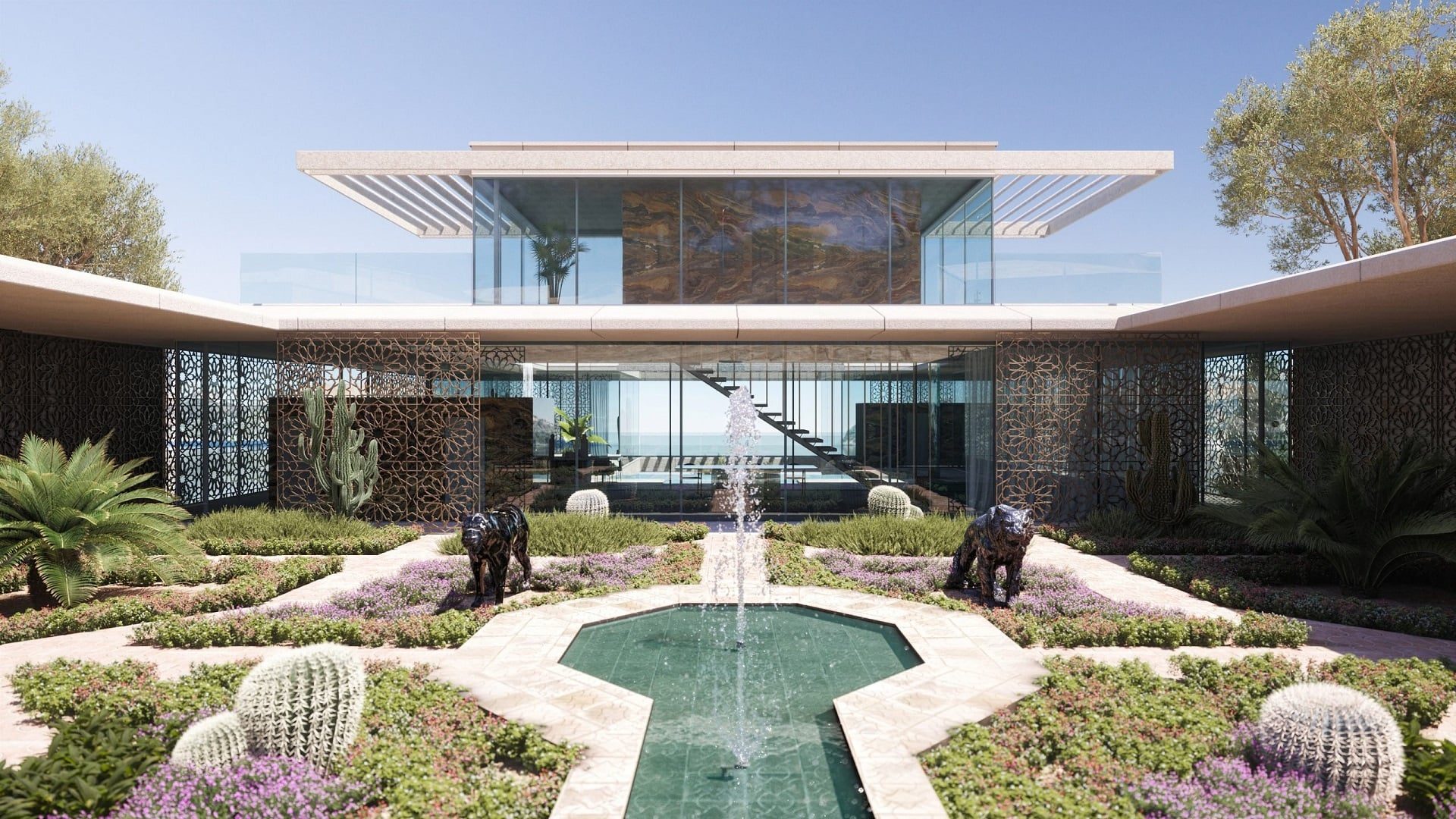
Architectural conferences are known first of all as a networking tool, but they can form a part of an effective marketing strategy. Some of the people in the audience can become clients. Moreover, an architect can tape a report and post it on YouTube, Facebook, and on the firm’s website. A video of a professional listened to by other professionals is an irrefutable proof of expertise.
Another way of getting new clients, an even more powerful one, is delivering public lectures. To interact with a broad audience may be challenging, but the effort pays off when clients ask for the architect’s business card or queue up to submit their contacts.
Whether it’s a conference or public lecture, 3D rendering helps an architectural firm convey the ideas and their value persuasively and clearly.
The slides themselves decide how the talk lands: our guide to architectural design presentations covers what makes a pitch persuasive, and this article on architecture presentations adds seven rules for delivery.
#7. Use 3D Rendering to Win Architectural Contests

Architectural contests help architects get public recognition for their work. To take the first place means to prove oneself as a pre-eminent professional. And even participation can become a breathtaking story worth sharing. Thus, either way a contest can effectively serve marketing purposes.
Some architectural contests attract tens or hundreds of participants. So, the jury has to preselect projects, and only a small number of them undergoes careful comparison. 3D graphics help a participant get noticed and highlight all the advantages of the project by putting the benefits of the solution in a context and making them easy to see. As for small contests, CGI ensures that the jury gets the architect’s vision right.
The choice of render depends on what the architect needs to communicate. A streetscape 3D rendering demonstrates how a proposal integrates with the existing urban fabric, while eye-level exterior views emphasize scale, materials, and pedestrian experience. Aerial perspectives explain the overall site layout and massing, and close-up renderings draw attention to key architectural features or innovative design solutions. For a more detailed overview of visualization options and their applications, see our article on the different types of 3D rendering.
Two more reads on contests: five benefits of architectural competitions explains why they are worth entering even without a win, and CGI for architecture competitions covers which views convince a jury.
#8. Get Images of Designs Published in Online and Print Magazines
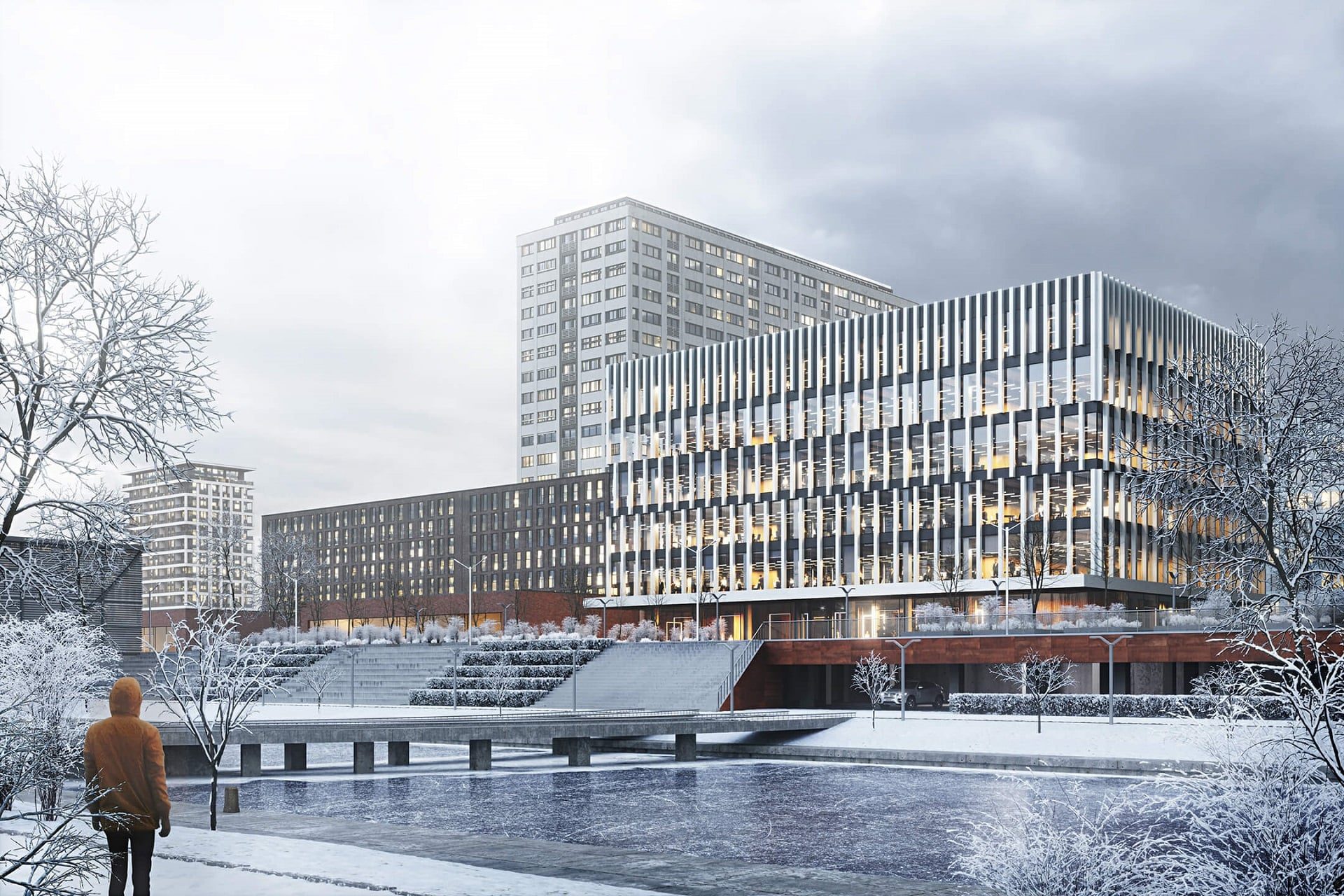
One more great way to use 3D renders in architectural marketing is submitting them for a magazine publication. Our list of top architecture magazines shows where to aim, the guide on getting published in an architecture magazine walks through the submission process, and resources for architectural inspiration point to even more outlets worth following. Here, CGI can serve as beautiful illustrations for an architect’s interview where he or she tells about their past or ongoing projects. The readers of well-known architectural journals and blogs such as Dezeen, Archdaily, etc., are bound to be attracted by photoreal pictures of breathtaking designs. As a result, they will be eager to learn more about their author. This way, he or she will raise awareness about their work, get more potential clients, and build a reputation in the architectural community.
Media coverage rarely happens by itself: PR for architects and designers covers how to earn it systematically. Start with the outlets themselves: our selection of inspiration sites for architects lists the sites and magazines architects follow, and getting featured there begins with imagery that meets their standards.
#9. Leverage Video Content and 3D Animation
According to statistics, 51% of marketing professionals worldwide say video generates the best ROI. When learning how to market your architecture firm, video should be a priority.
You can produce different kinds of videos: self-introductions, educational content, and project showcases. But filming completed projects is challenging: most new designs are under construction with nothing to shoot yet. This is where 3D animation solves the problem. Photorealistic animations show the future outcome of projects that are being built or exist only as concepts. Use them on your website, social media, and YouTube to market architecture services effectively.
For formats and production, see six tips on video marketing for architects. And if you want to know which formats are gaining ground, six architectural rendering trends and 3D visualization technology trends track where the industry is heading.

More than 90% of people check customer reviews before deciding to use a business’s services. Sharing positive feedback is a surefire way to build trust with prospects and turn them into clients.
But quality matters. A one-line testimonial saying “I loved this company’s work” won’t sway anyone. Get detailed, informative reviews that go in-depth about the services offered: what the experience was like, how problems were solved, what the results achieved. These testimonials can come in text or video interview format. Pair them with 3D renders of the projects discussed for maximum impact.
Good testimonials come from good projects. Improving the architect and client relationship with 3D, architectural visualisation for a better customer experience, and this look at the visualization experience cover how visuals shape the collaboration itself, and what makes an architectural CGI project successful explains what makes a CGI project run smoothly on the studio side, while our Zoom guide for architects keeps the online side of client meetings presentable.
How 3D Renders Help You Reach Your Marketing Goals
The ten ways above are not a to-do list to complete in full. Go back to the goals you set in the beginning and pick the tactics that serve them.
- Need visibility? Social media, video, magazine publications, and contests put your name in front of new audiences, and photoreal imagery is what makes people stop scrolling.
- Need trust? A portfolio with consistent visuals, detailed client testimonials, and public speaking prove expertise better than any promise.
- Need leads? Whitepapers and lead magnets build your email base, trade shows collect warm contacts, and newsletters with strong renders turn them into inquiries.
- Need conversions? When a prospect is already comparing firms, project renders on the website and in the pitch deck are what tips the decision in your favor.
The common denominator is imagery. One well-made 3D scene feeds several channels at once: the website gallery, social posts, a newsletter, and a printed brochure. Which brings up the practical question: what does this imagery cost?
The mechanics behind each goal are covered separately: the benefits of 3D visualization for architects and how 3D graphics work for architects explain what CGI does for a practice, how digital renderings help win clients and using 3D tools to convince a client show how renders shorten the path to a signed contract, realistic 3D modeling in emotional marketing covers the emotional side of imagery, and how a creative visualization studio improves marketing and the formats that win investors over look at the formats that convince investors.
Main Factors 3D Rendering Cost Depends Upon
Thanks to 3D visualization, an architect or designer can get exquisite materials for all kinds of advertisements, from printed catalogs to visuals for a website’s gallery and email marketing. So, professionals in the industry realize the benefits of using 3D visualization. But what they do not always know is how the price for such services is formed. So, what does CG rendering cost depend on?
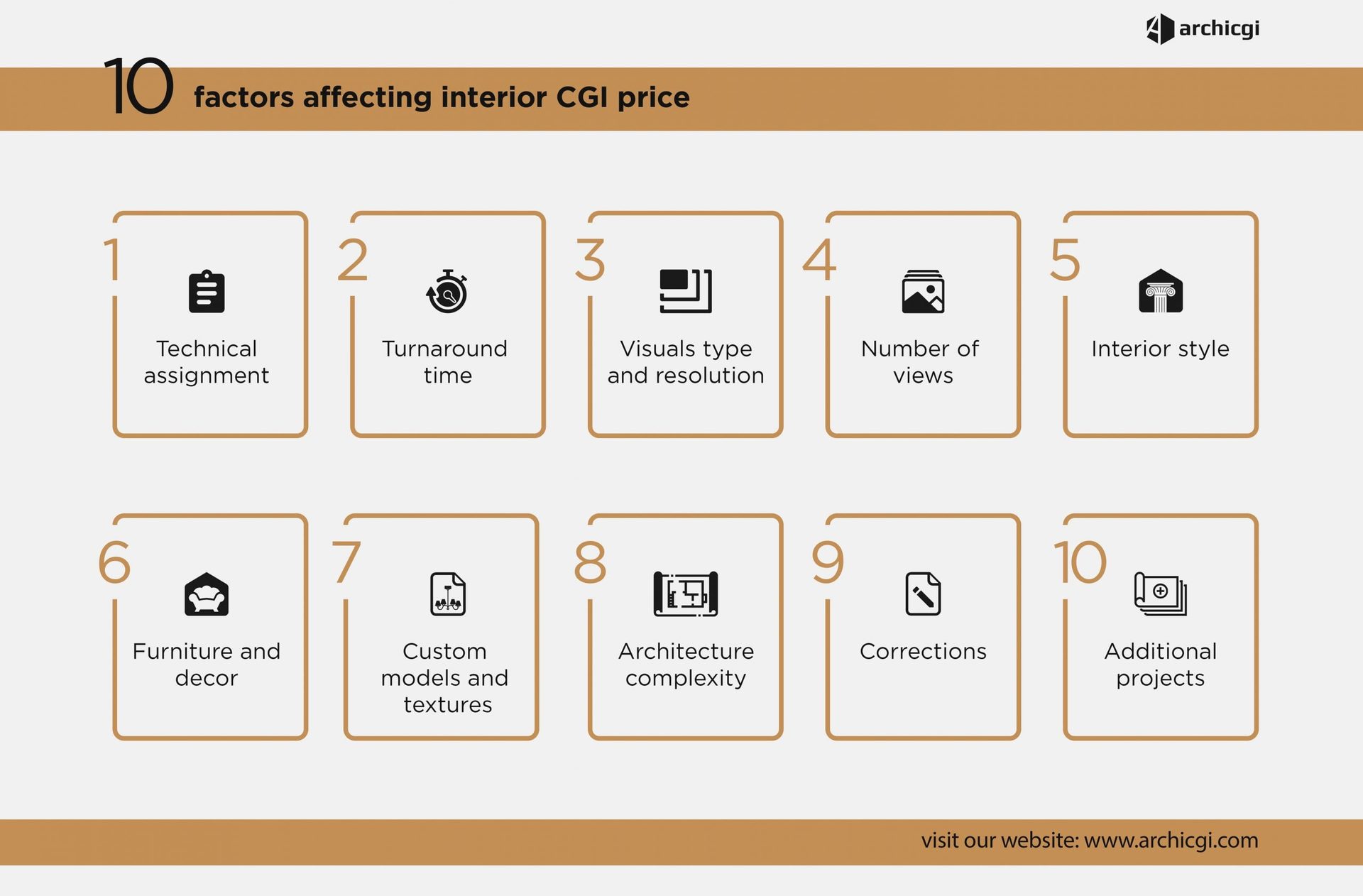
- Number of views
- Number of details in a brief
- Amount of corrections
- Interior/architectural style
- Type and resolution of visuals
- Size and number of orders
- Custom elements and textures
- Deadline
- The number of furniture and decor pieces
- Specifics of a room/building
Get your project estimated in just 1 hour - fill out this brief!
Using 3D rendering in architectural marketing is a sure means to expand client base, gain public recognition, and even find reliable partners. Photorealistic CGI immerses the viewer into the project and communicates its benefits within seconds. Combined with a clear niche, strong video content, client testimonials, and authentic social media presence, you’ll have a complete strategy for how to market your architecture firm effectively.
Contact ArchiCGI 3D rendering company to get high-end imagery that will boost your marketing campaign.
Architectural Marketing: FAQ

Nataly Cher
Senior Social Media & Email Marketer
Nataly's ambitious nature and creativity play a key role in her ability to create engaging content and highly successful targeted campaigns. Outside of the office, Nataly indulges her love of photography and plays with her joyful Jack Russel terrier, Mario.