
Los Angeles 3D Rendering: Key Aspects and Project Examples by ArchiCGI
Los Angeles is one of the most diverse cities in the US, from Spanish Colonial Revival bungalows in Silver Lake to modernist hillside villas in the Hollywood Hills. Demand for architectural rendering in Los Angeles has never been higher. With median home prices around $950,000, high-quality visuals are essential for marketing and investor presentations. That’s exactly what our architectural rendering company specializes in. 3D rendering for Los Angeles projects requires more than technical skill. It demands an understanding of the city’s unique design language, landscape, and lifestyle. Read on to see how our 3D artists approach it.
#1. Architecture
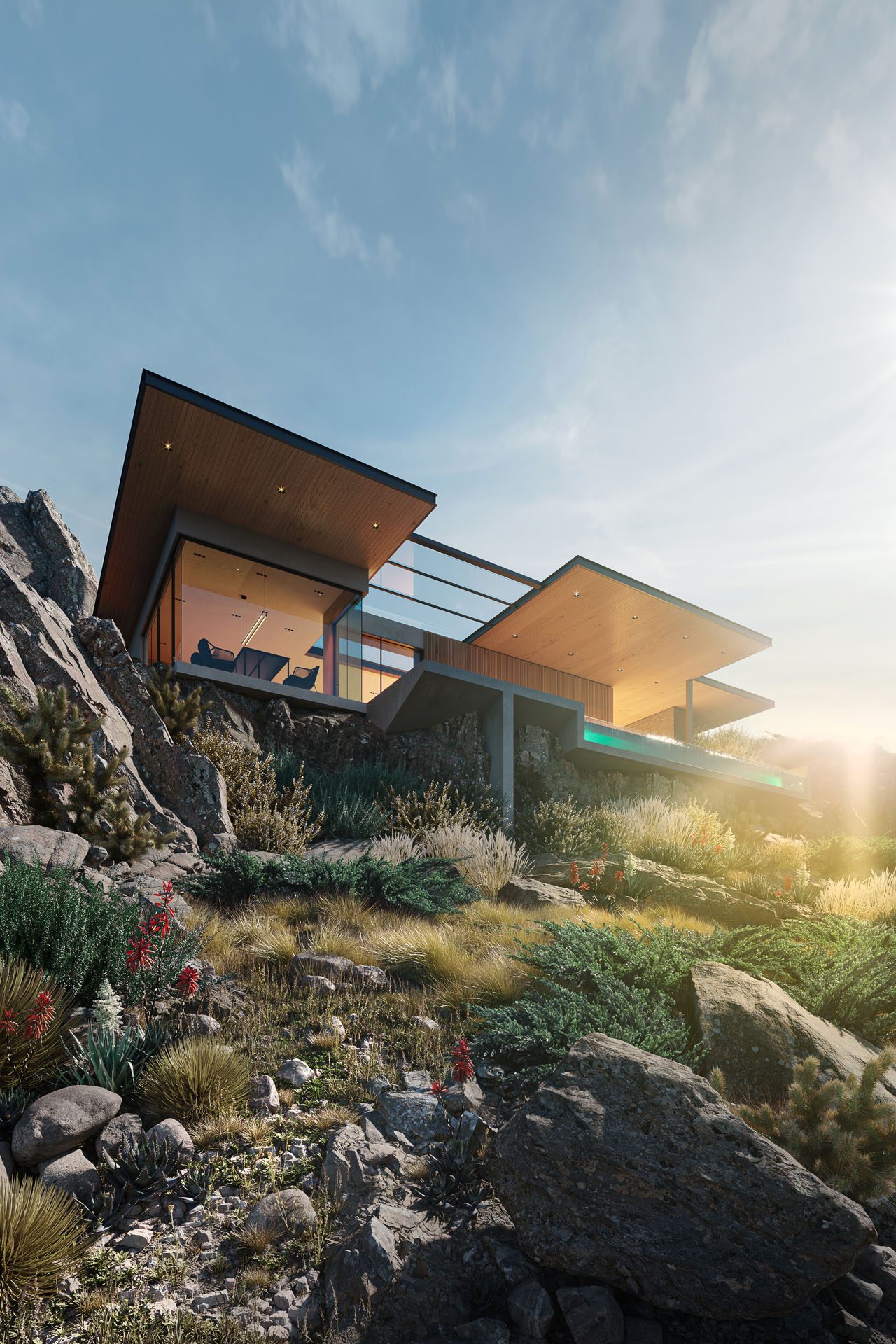
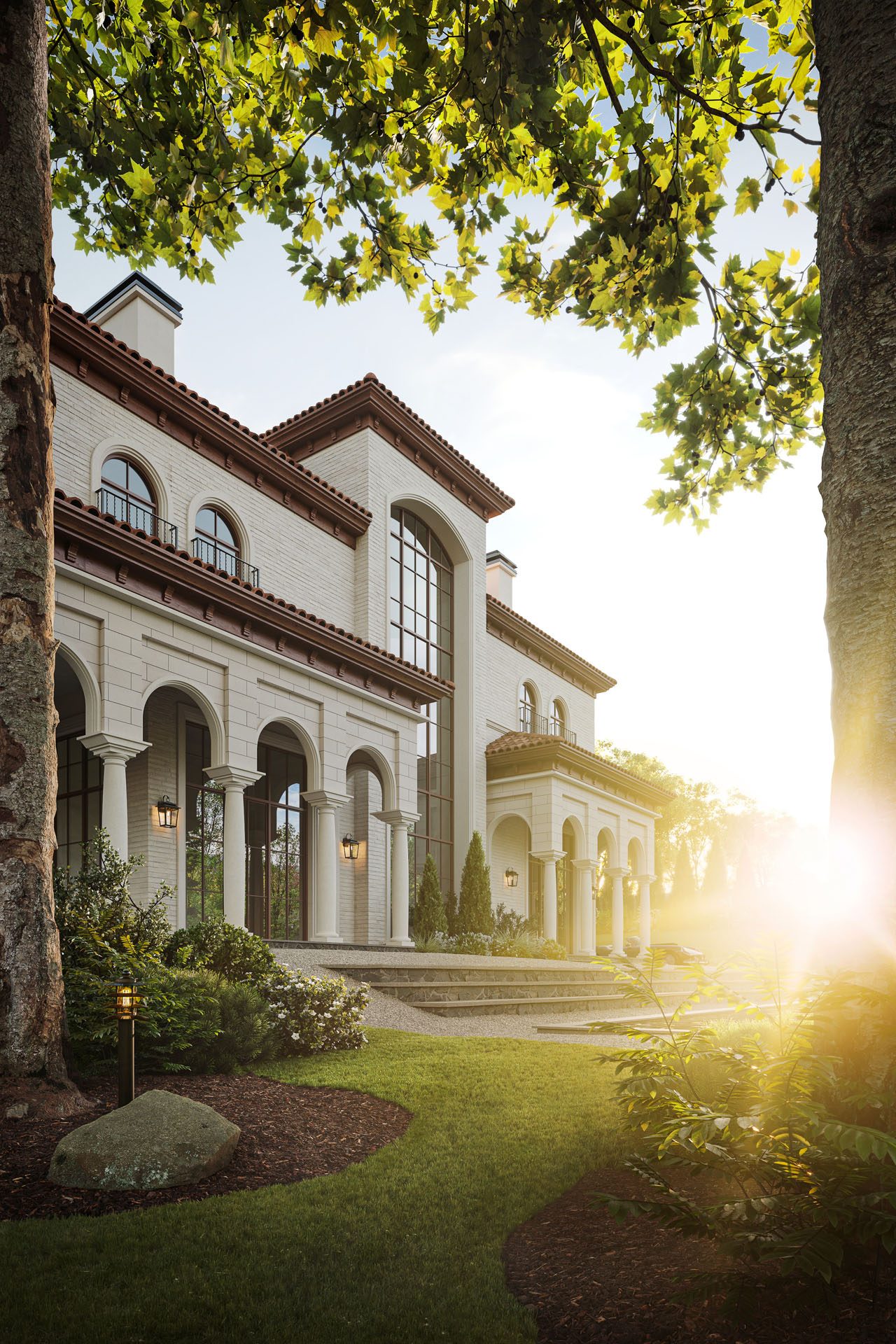
Los Angeles doesn’t have one architectural identity — it has several, layered across neighborhoods and decades. Spanish Colonial Revival still defines much of the city’s residential fabric: stucco walls that carry warmth and texture rather than clean white, red clay roofs with variation in every tile, deep-shadowed arches and wrought iron details that flatten completely if you don’t understand the light. Get any of that wrong and the render looks like a theme park version of LA.
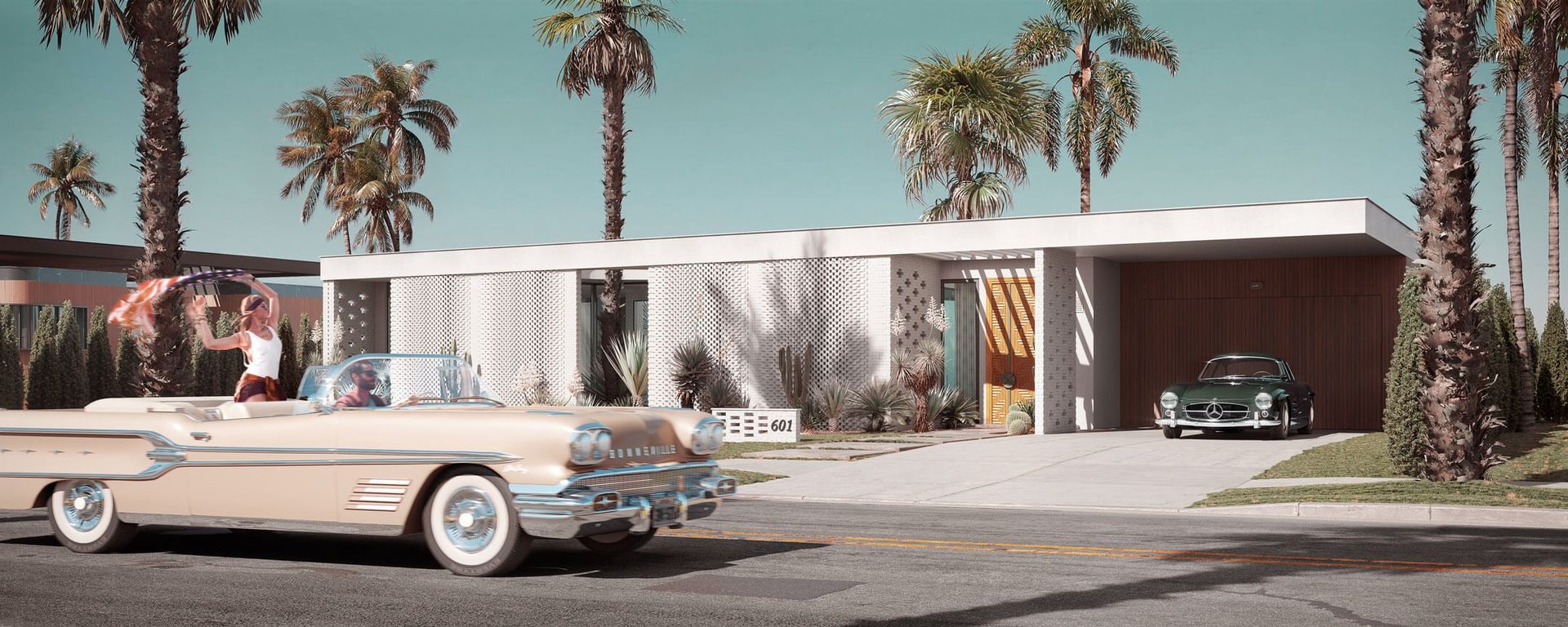
Mid-Century Modern demands a different kind of attention. Neutra, Schindler, the Case Study Houses — these are buildings where everything depends on precision. The horizontal lines, the floor-to-ceiling glass, the way interior and exterior bleed into each other. One wrong reflection, one material that doesn’t behave the way concrete or wood actually behaves at 4pm in the canyon, and the whole thing loses its credibility.
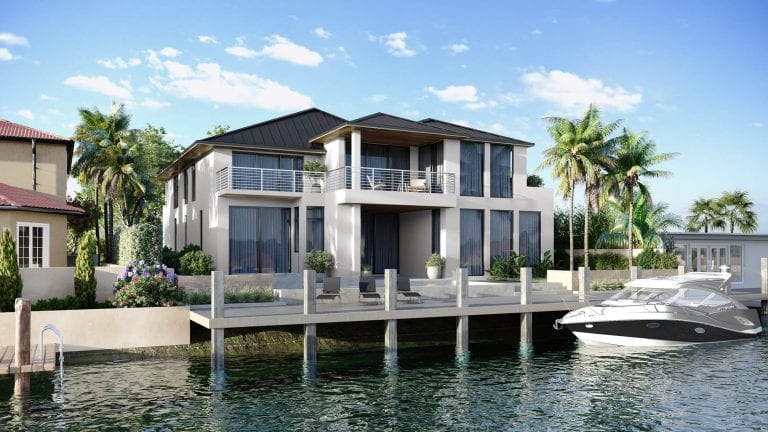
Contemporary LA is harder to pin down — it’s more a mood than a codified style. Open volumes, rooftop decks, black steel, an almost aggressive relationship with the outdoors. These tend to be high-end projects where the render has to communicate luxury without tipping into coldness.
Ranch Style is the dominant typology across the Valley and suburban Los Angeles — single-story, horizontal, quietly confident. The renders that miss it usually miss it on atmosphere: the landscaping, the afternoon light, the way it sits in its lot.
How Architecture Knowledge Speeds Up Production
Knowing these styles accelerates 3D rendering workflow in concrete ways. When a CGI artist already understands that a Spanish Colonial roof uses aged, variegated clay tiles rather than a uniform texture, they don’t need a revision cycle to get there. When they know that a Mid-Century Modern facade should reflect the canyon treeline rather than a generic sky, they make that call on the first pass. Every style has its material logic, its lighting behavior, its typical surroundings — and internalizing that cuts the back-and-forth dramatically. The same principle applies to 3D renderings for Florida projects, where a different climate, palette, and architectural vernacular demand the same depth of local knowledge.
This is why ArchiCGI’s team includes dedicated architectural designers alongside the 3D artists. They bring the design literacy that keeps projects on track — catching a misplaced detail before it becomes a client comment, and filling in the gaps when a brief is light on specifications. For LA projects especially, that combination of architectural knowledge and production experience is what makes the difference.
#2. Environment
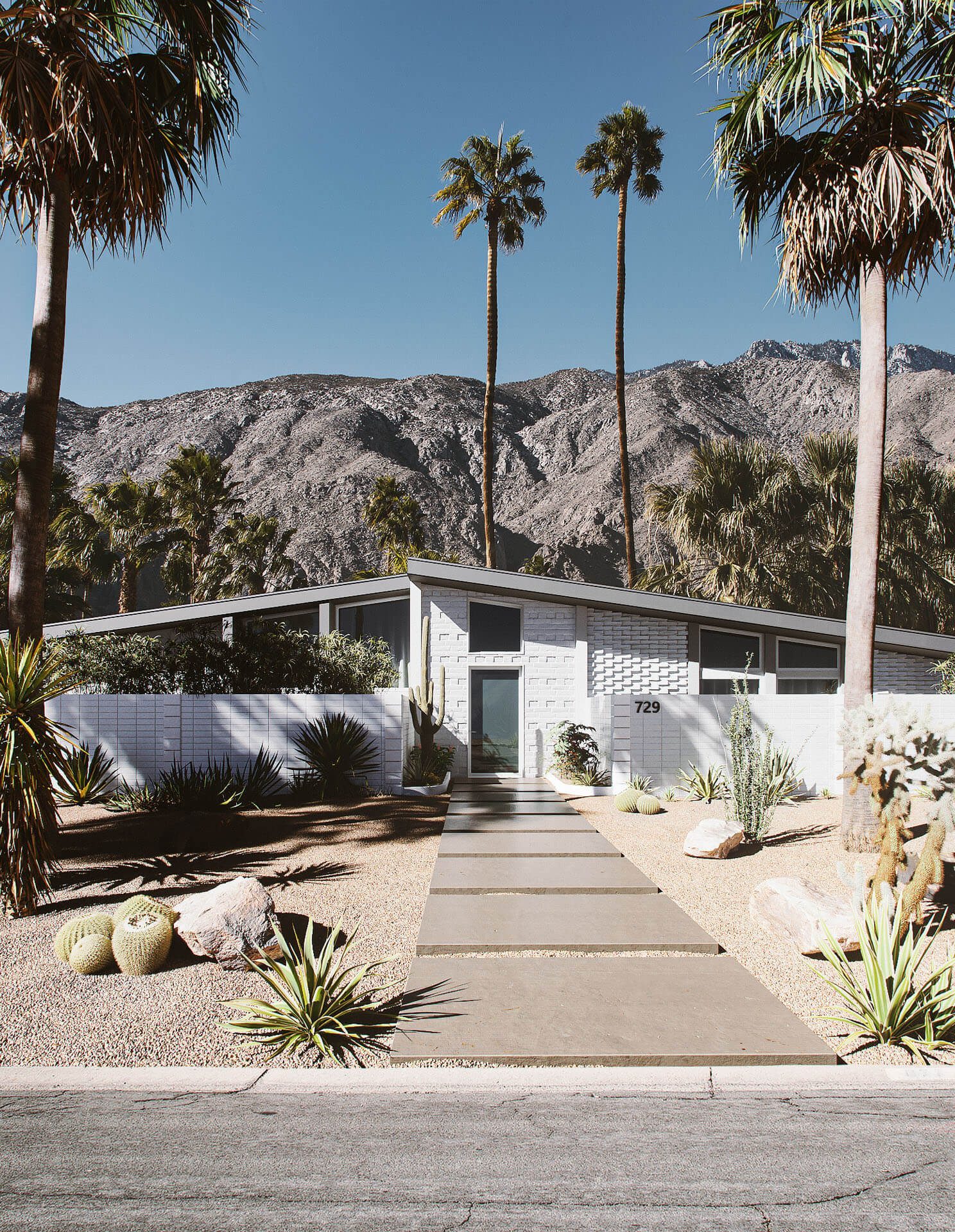
Los Angeles is not one location. It’s several, and treating it as a single visual environment is where a lot of projects lose time.
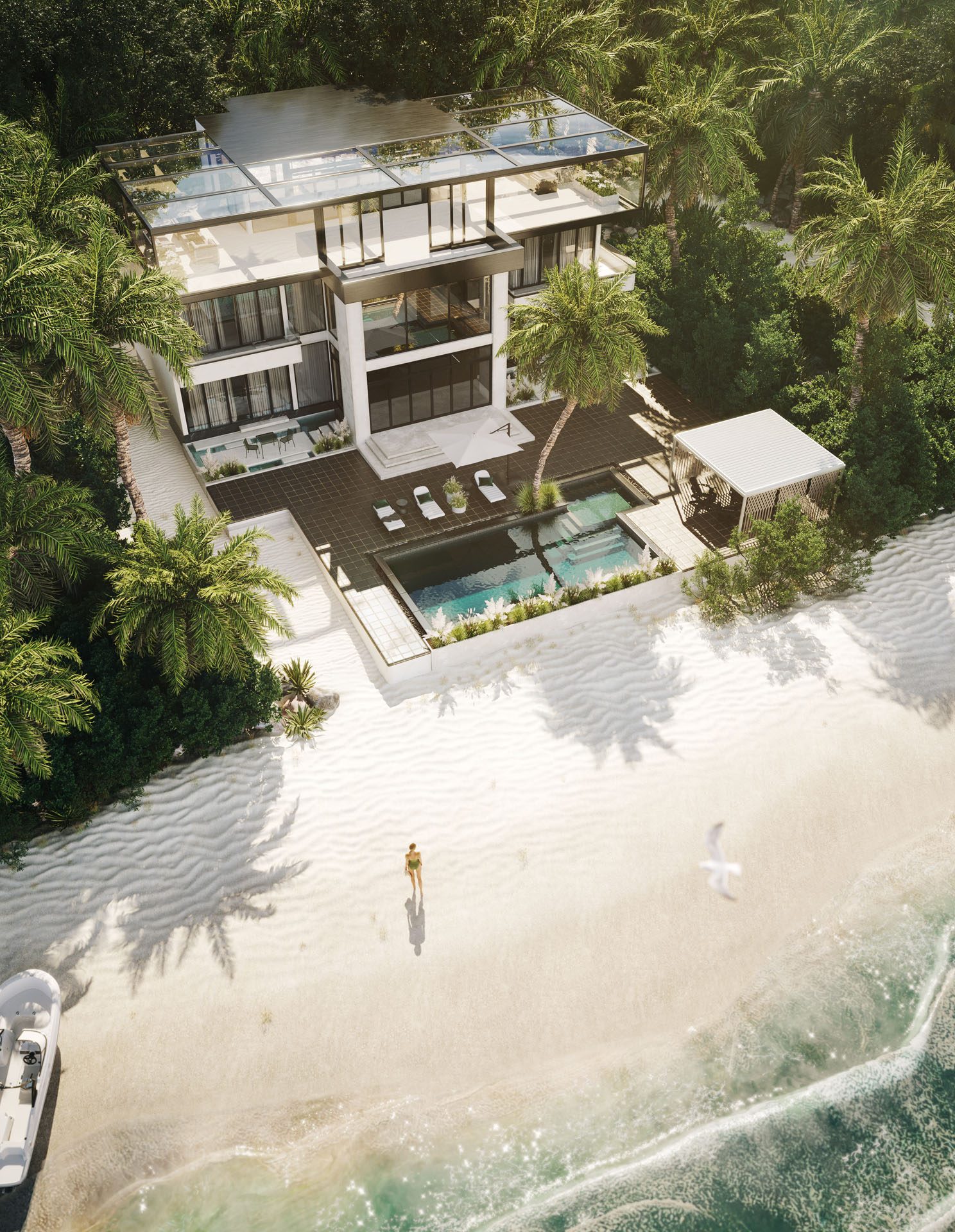
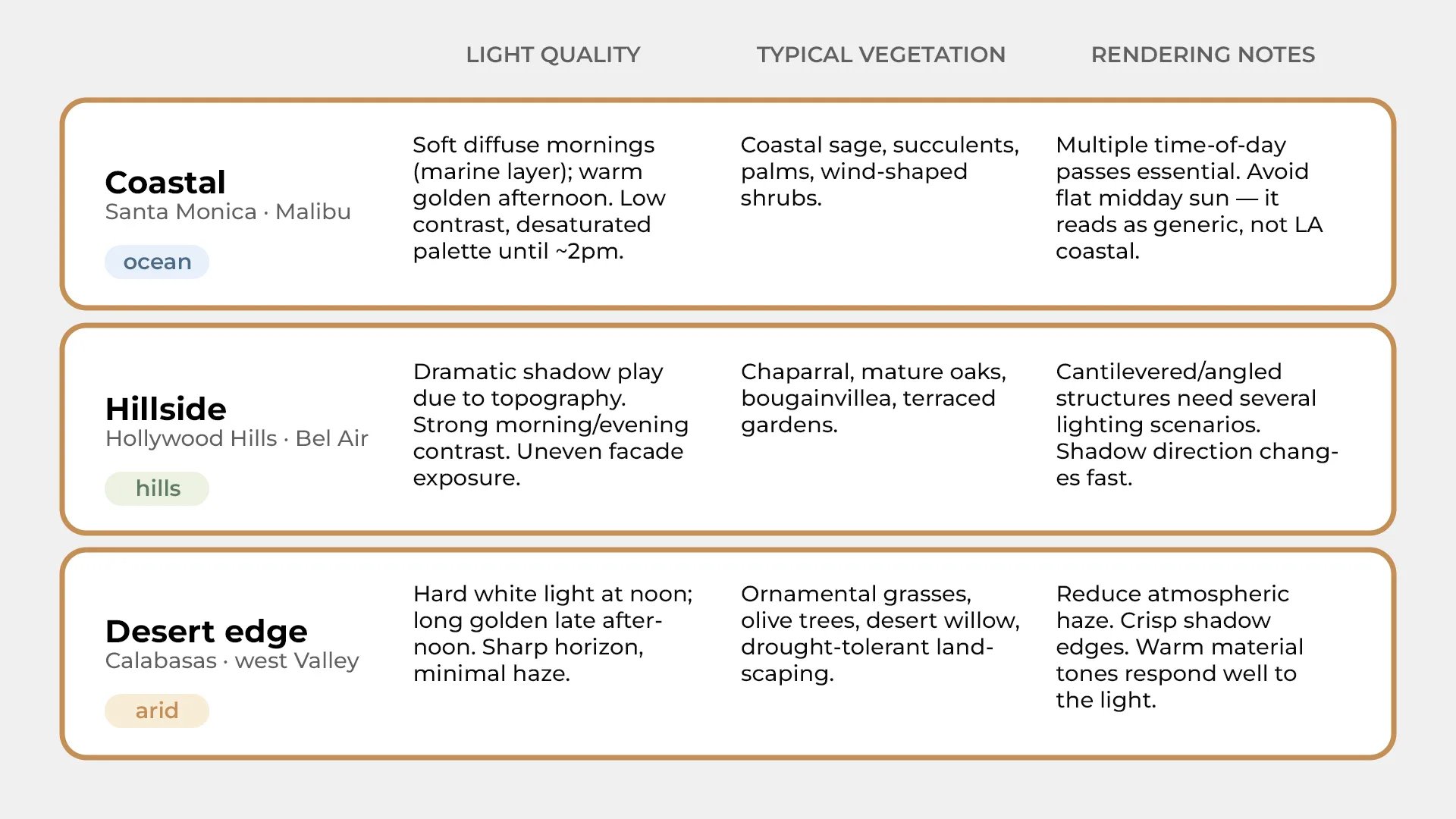
The coast — Santa Monica, Malibu — runs under the marine layer for most of the morning. Diffuse light, compressed shadows, colors that read flatter than you’d expect until the afternoon comes in. Vegetation stays low: coastal sage, succulents, the occasional palm bent from years of sea wind. Studios delivering realistic exterior renderings for coastal properties know this rhythm. The ones that don’t tend to light everything at noon and wonder why the client pushes back.
Hollywood Hills and Bel Air are a different zone entirely. The topography does something interesting to light — hillside facades get hit unevenly, shadows shift fast between morning and evening, and the plant life adds visual complexity that flat renders can’t fake. Chaparral, mature oaks, bougainvillea crawling over retaining walls. Exterior rendering services for this area almost always require multiple lighting passes. One angle, one time of day — it’s never enough.
Further out, Calabasas sits on the desert edge of the Valley. Hard light, minimal haze, drought-tolerant landscaping that reads completely differently from coastal greenery. Ornamental grasses, desert willow, olive trees. Cleaner sky, crisper shadows, warmer material tones across the board.
Three zones, three visual languages. For any studio providing 3D rendering services for Los Angeles, knowing which category your project falls into before opening the software keeps production on schedule and helps avoid revisions that could have been prevented from day one.
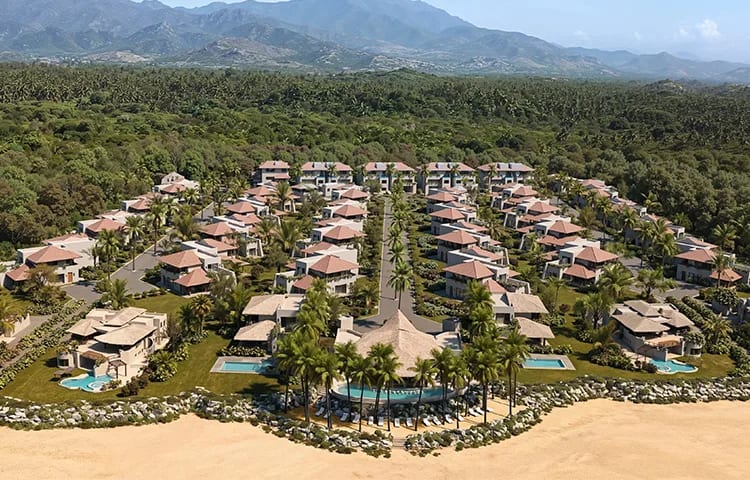
See how aerial rendering reveals a project’s scale and impact
#3. Mood
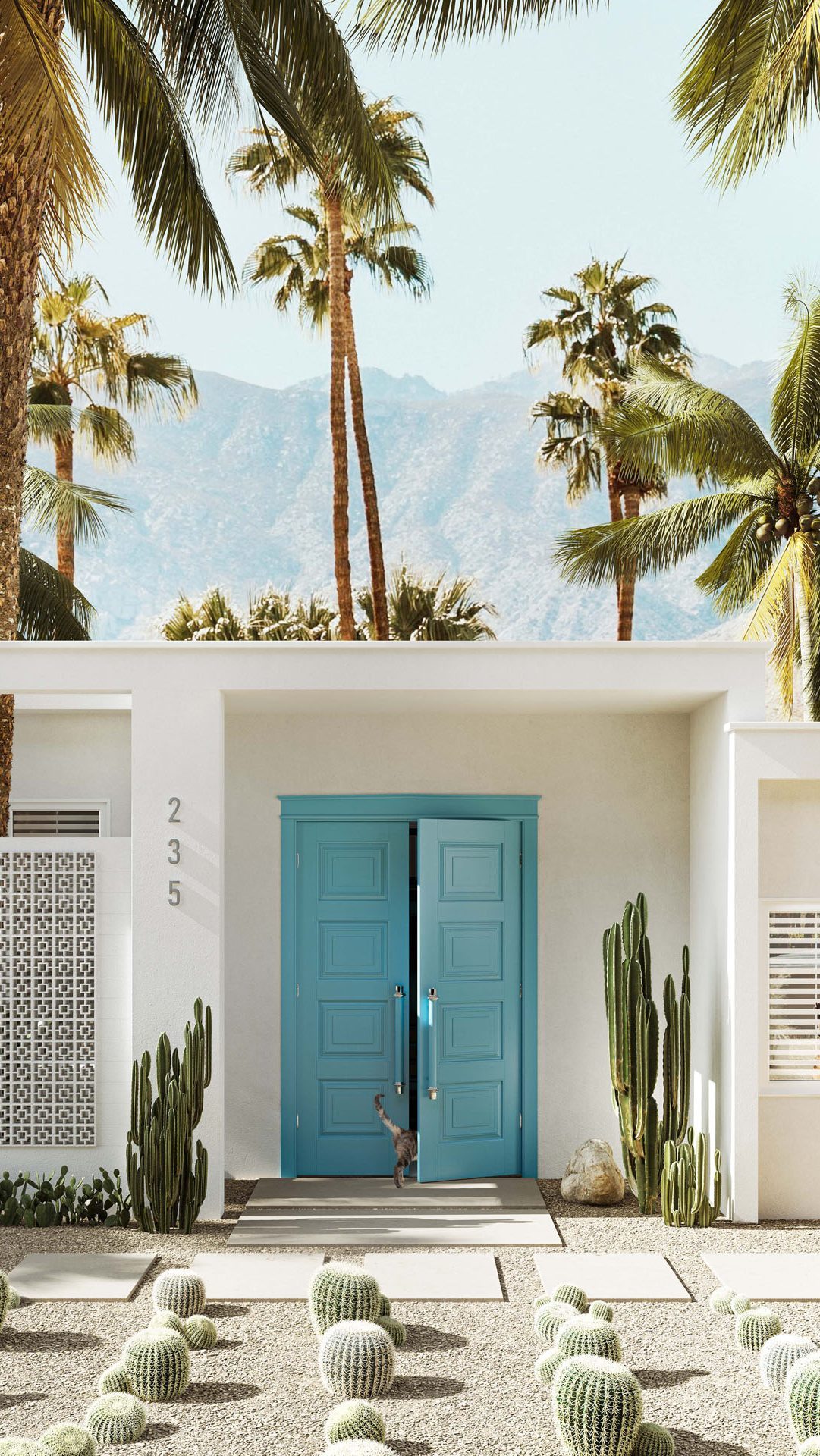
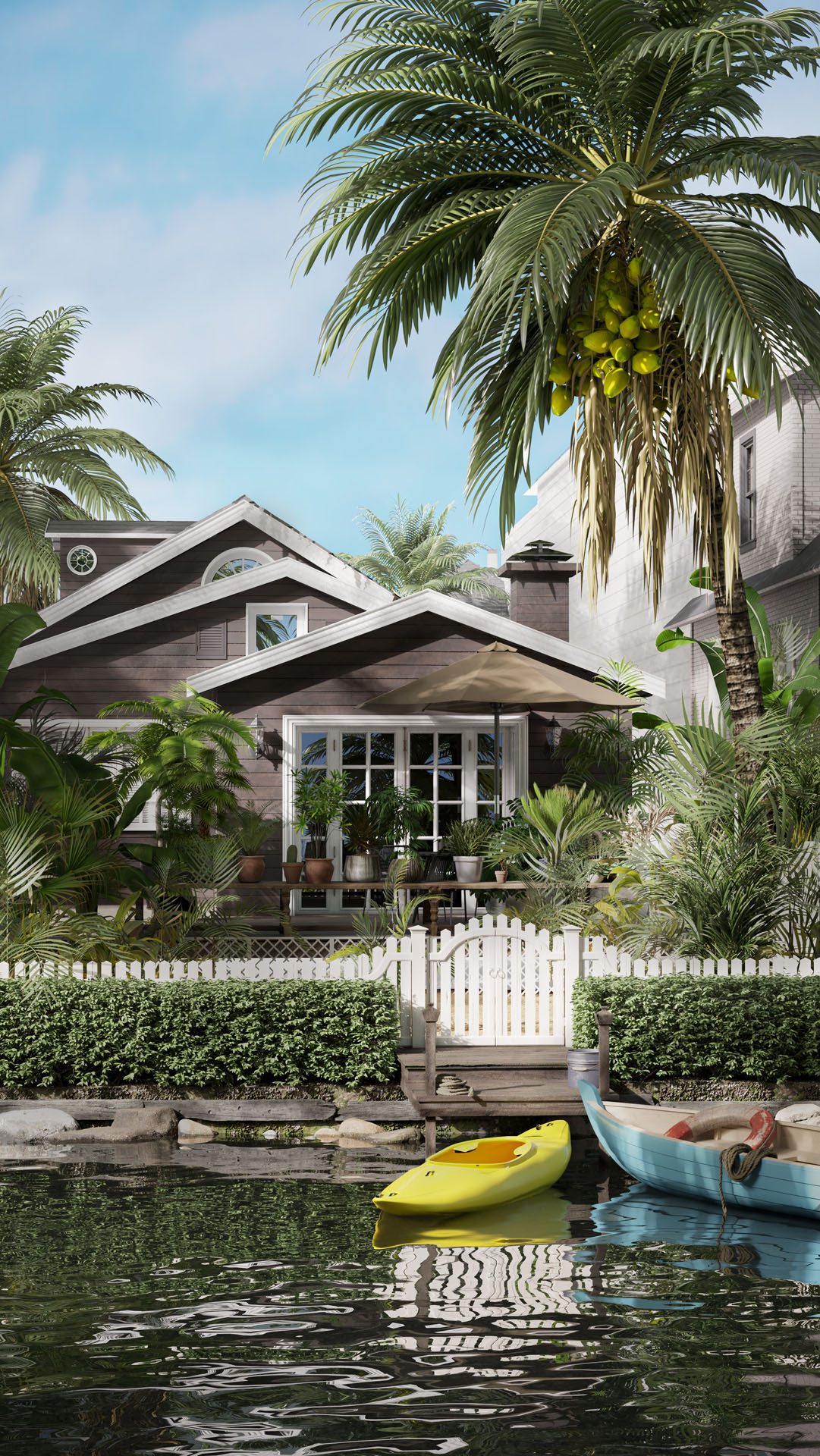
Los Angeles projects don’t share a mood. A Malibu cliffside residence and a Koreatown mixed-use building are both LA — but they’re asking for completely different things visually, and the light handles them differently too.
Coastal luxury properties run on restraint. Clean lines, natural materials, wide openings facing the water. The render mood here is calm, almost editorial — the kind of image that could sit in an architecture magazine without a caption. LA’s coastal light cooperates with this. Morning diffusion softens edges. Late afternoon turns glass facades into something closer to sculpture. Overdo the saturation or push the contrast too hard, and the whole thing reads wrong.
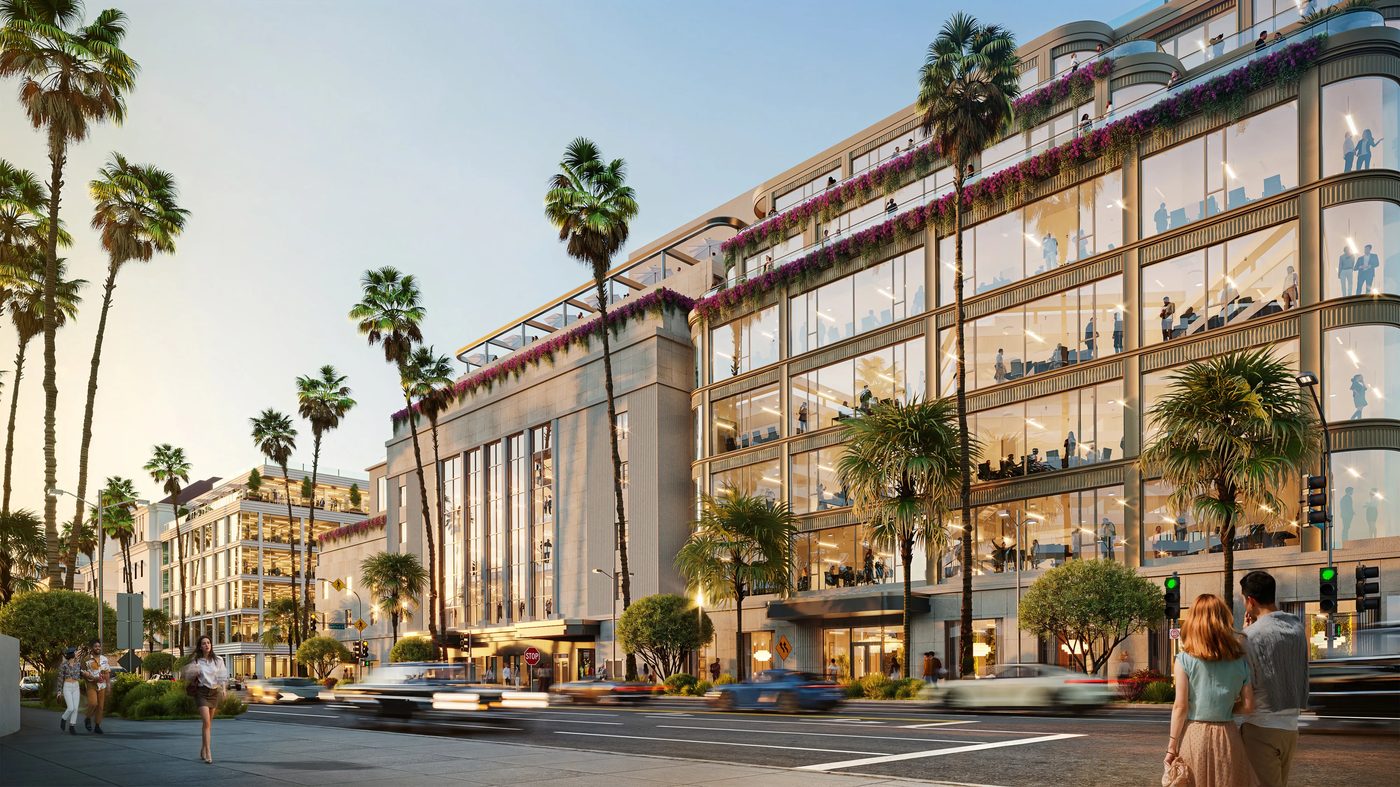
Urban contemporary is the opposite direction. Mid-Wilshire, Downtown, parts of Culver City — these properties lean into contrast, density, the energy of a city block at different hours. Renders for this category tend to work better with sharper shadows, more active streetscapes, dusk or blue-hour timing. The brief usually wants the building to feel alive, not serene.
Suburban family properties — think the Valley, Pasadena, the South Bay — need warmth above everything else. Softer light, visible landscaping, a sense of approachability that luxury renders deliberately avoid. Here the midday sun that would kill a coastal render actually works. It’s bright, familiar, safe-feeling. That’s the point.
What ties all three together is LA’s sunlight itself. The intensity is higher than most North American cities, the golden hour lasts longer, and the dry air keeps shadows clean year-round. Every property type benefits from that — just in different ways, at different times of day. Knowing which way before the project starts is what separates a fast approval from three rounds of revisions — and it’s one of the things that makes 3D rendering for real estate agents in LA a discipline of its own.
#4. Successful Project Case Study
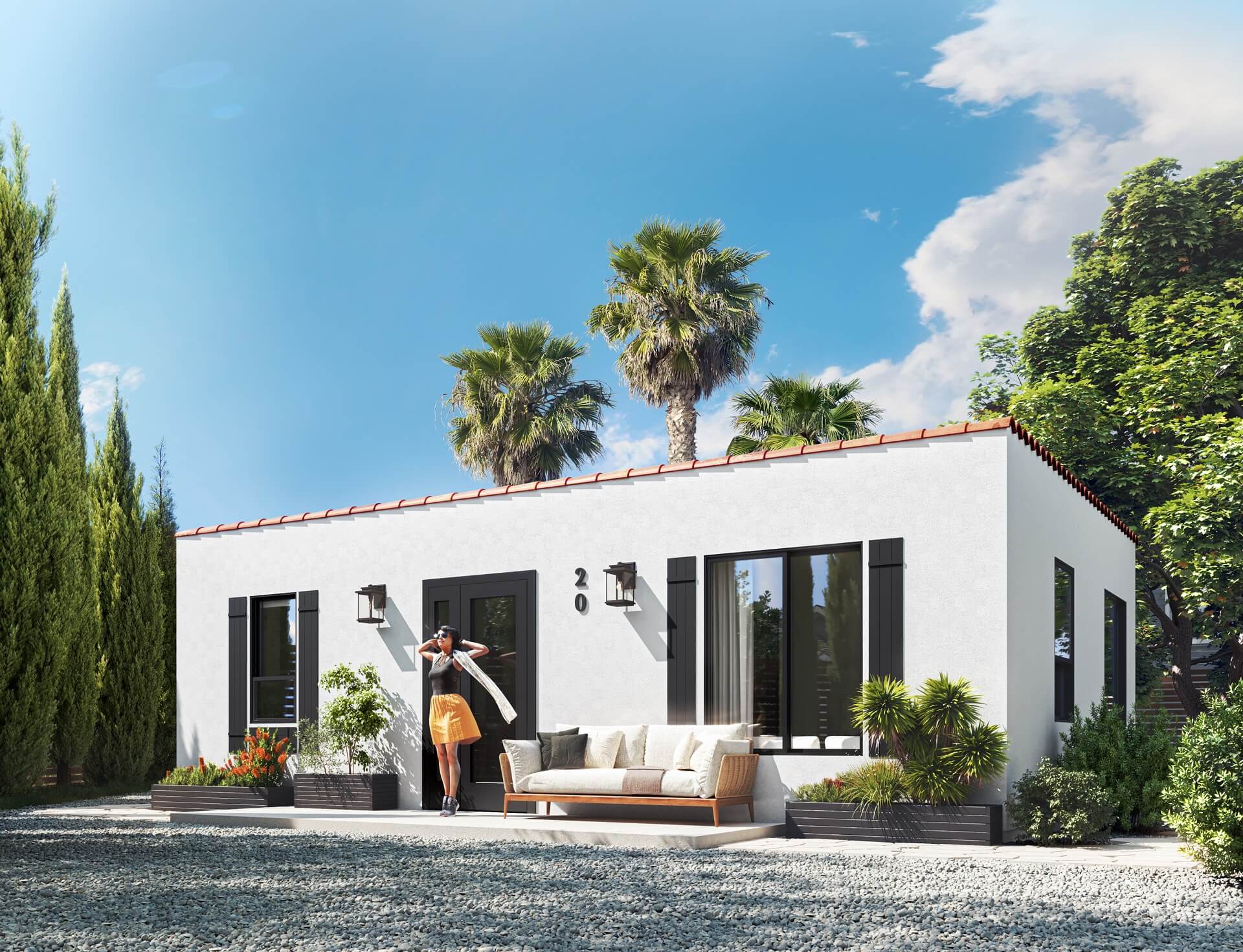
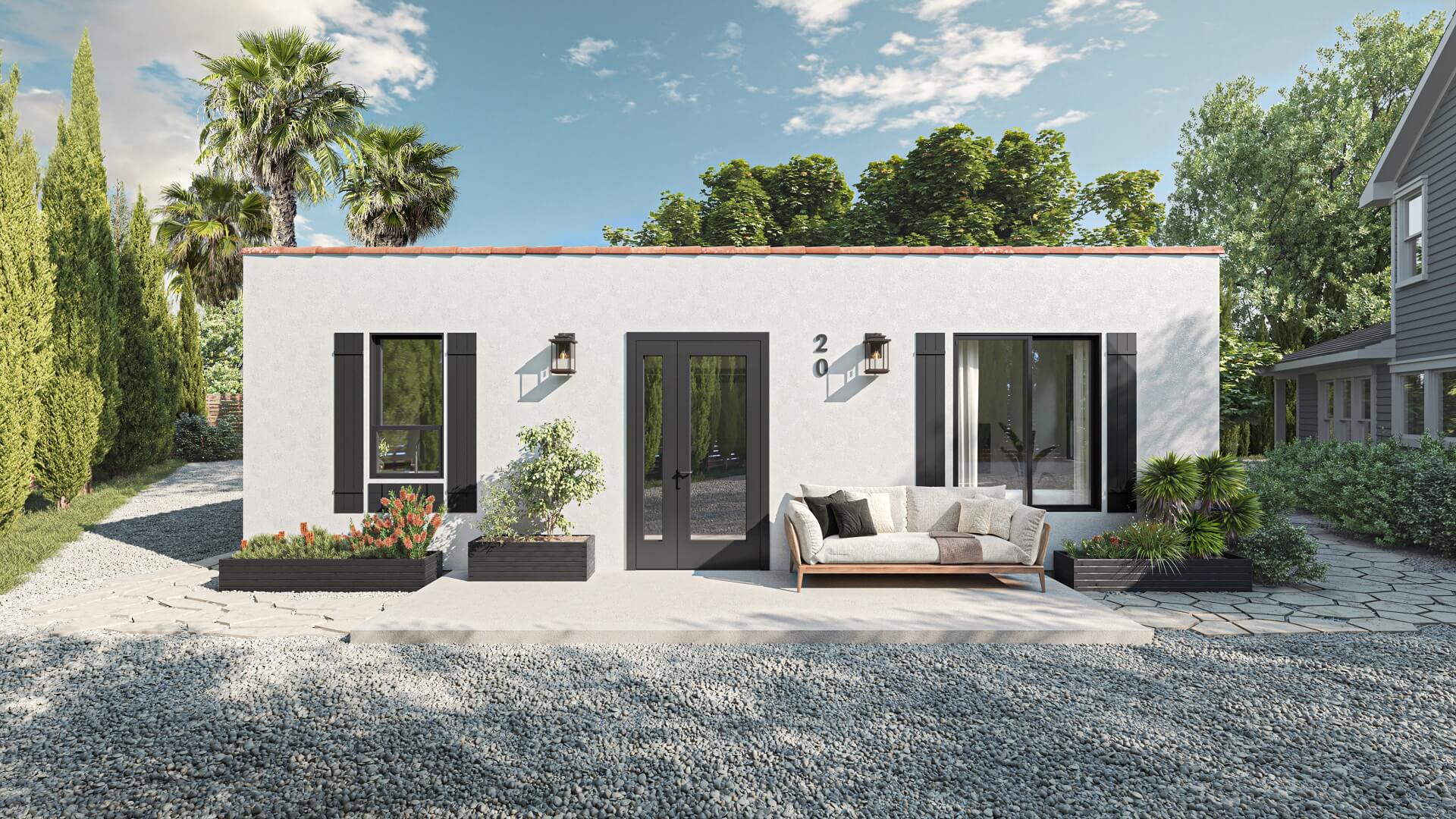
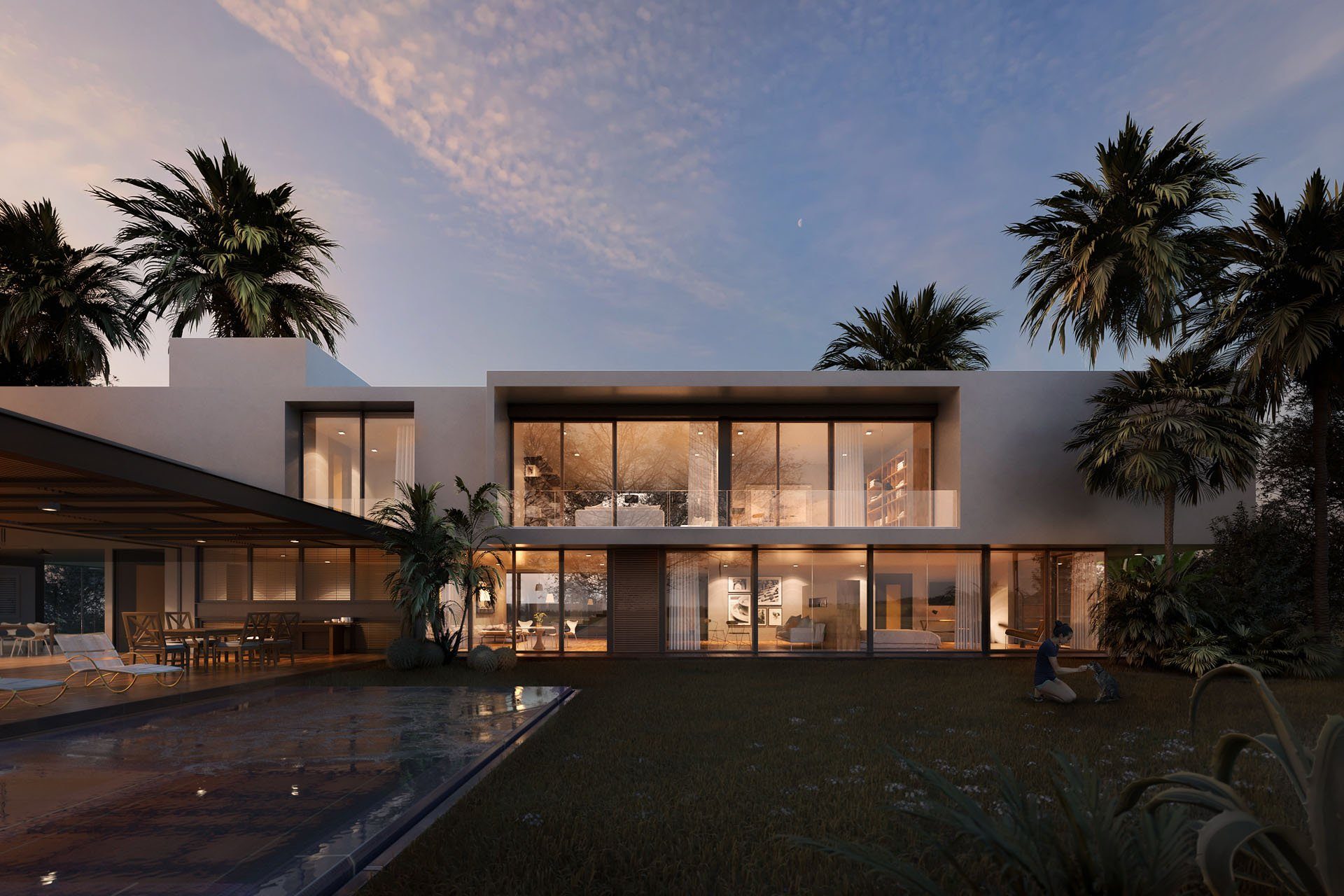
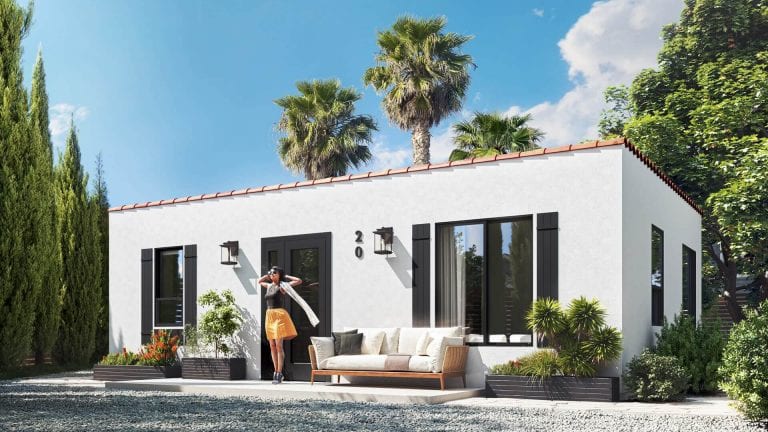
Above are the results of the ADU 3D rendering project we completed for our partners from Cottage company. It involved creating a set of visualizations for a stylish bungalow in Los Angeles. Thanks to our team’s expertise, the 3D renderings accurately depict the design and style specifics. Local greenery and warm Californian sunlight further enhance the aesthetic appeal of this already elegant build. Our artist even created and added a 3D character model to the render to emphasize the free-spirited and relaxed LA lifestyle. As you can see, keeping in mind the above-mentioned aspects of 3D renderings for Los Angeles projects is what makes them significantly more realistic and impactful.
Want to learn how much your project costs? See how we evaluate 3D rendering projects
Those were the three things CG artists need to consider when making 3D renderings for Los Angeles projects. You may think that those nuances are quite subtle. Yet they make all the difference in producing realistic CGI for architects working across LA and its suburbs. That’s why our team always pays close attention to those aspects.
Looking for 3D rendering services for architects? Contact us at ArchiCGI and get photorealistic visuals of any complexity for your concept presentations in Los Angeles or any other area!

Ana Wayne
Content Writer, Copywriter
Ana is a content writer for ArchiCGI. She has a passion for design and architecture - and for talking about it. Outside of work, she is a fan of sci-fi movies and a street food connoisseur.
Like this project? We’ve got plenty more! Check out these CGI beauties.
Want a Similar Project?
Tell us about your project: type, number of views, deadline and a link to drawings. A manager will come back within one hour with a price and a timeline.
Comments
Cleo