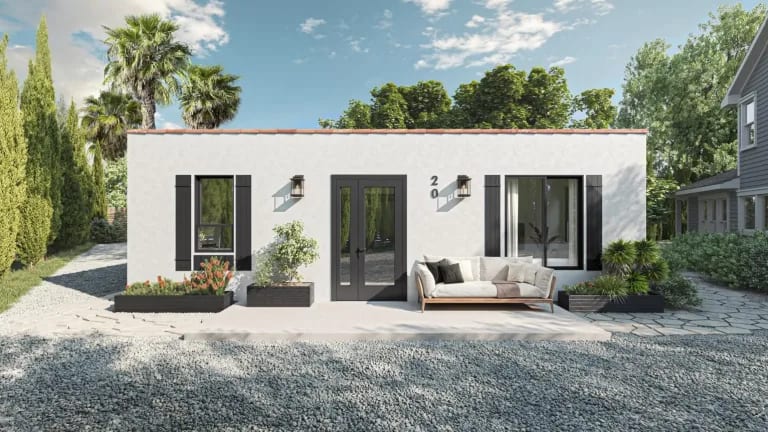


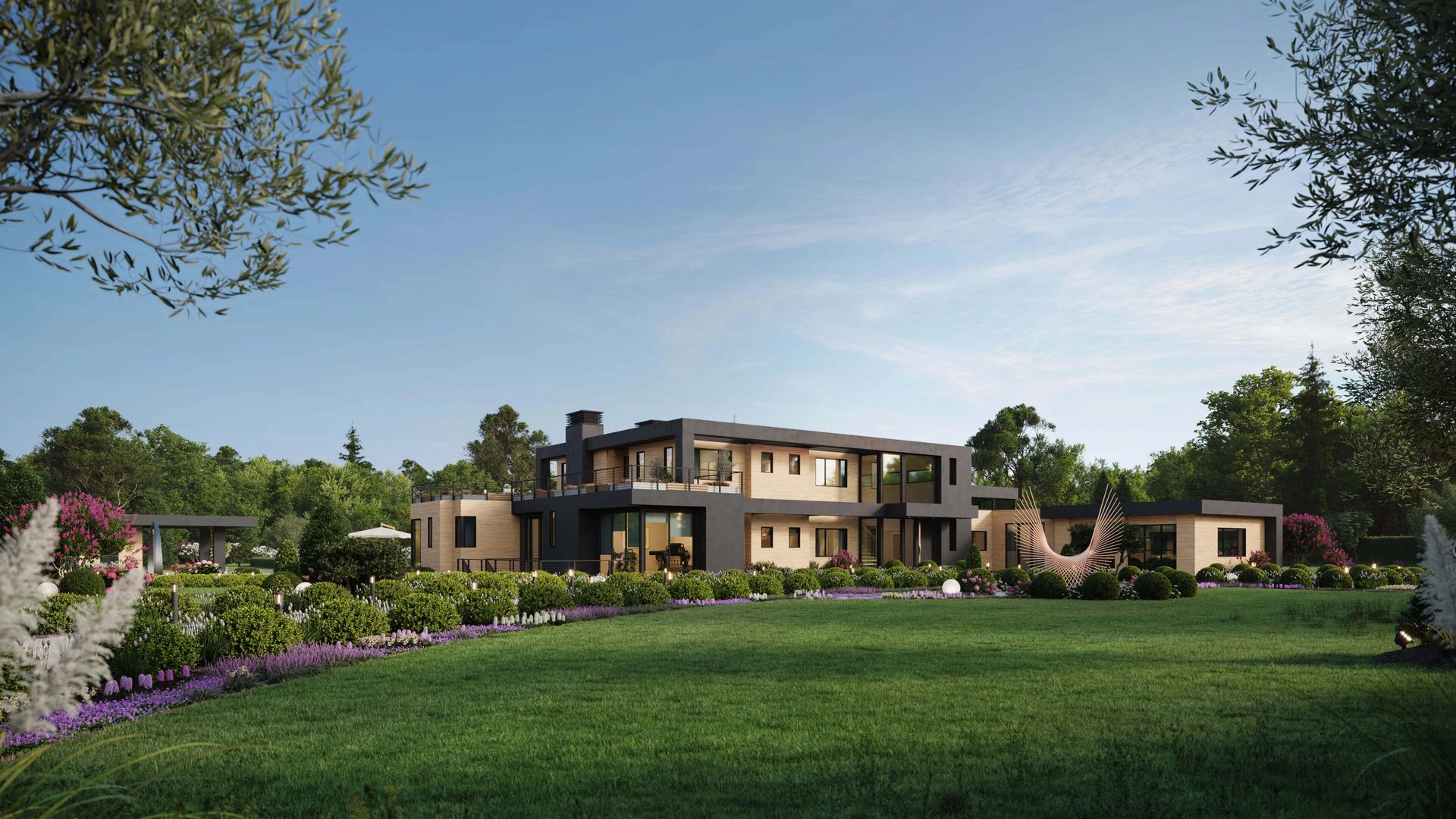
Build-to-rent doesn’t sell the way anything else in real estate does. You’re not selling a home a renter will own, and you’re not renting the bare box a traditional apartment offers. You’re selling a way of living — a purpose-built community of rental houses with resort amenities and a neighbourhood feel — to renters who could rent anywhere. And usually you’re doing it before a single unit exists, into a national pipeline of roughly 61,700 BTR homes under construction.
That makes build to rent a marketing problem before it’s a construction one, and it’s exactly the problem 3D rendering was made for. CGI lets you sell the lifestyle, the amenities, and the homes while the site is still graded dirt — and it accelerates absorption when leasing opens. Below: why BTR markets differently from apartments, the render set to commission by lease-up stage, and how the visuals move you to stabilization faster.
Why build to rent marketing is its own thing
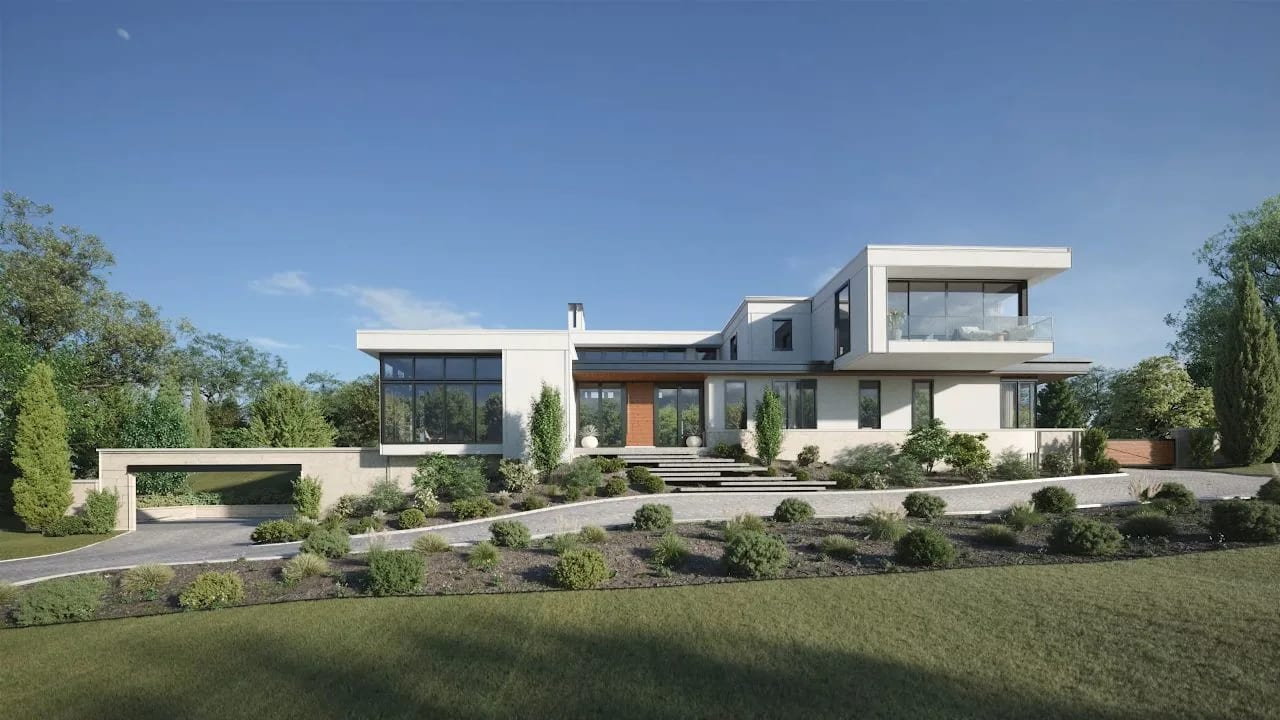
BTR sits in a gap between for-sale housing and traditional multifamily, and it borrows the hardest parts of both. The product is often single-family rental — detached homes or townhomes, sometimes called “horizontal apartments” — so you’re marketing private yards, no shared walls, and a neighbourhood, not a lobby and a corridor. Like an apartment operator, you also need to lease up fast and reach stabilization until the community reaches stabilized occupancy. The renters are increasingly renters by choice: 36% of BTR residents say they prefer renting, up from 27% two years earlier, even though most still plan to buy eventually. The pitch is “elevated rental living,” and they have to feel it to believe it.
They also can’t visit. Zillow found that 81% of renters searched on a mobile website and 73% in an app — your community competes as a set of images long before anyone tours it, and most of those images have to exist before the homes do. And they expect more than photos: 57% of renters say at least one advanced visual feature — drone capture, virtual staging, or an interactive 3D tour — is essential in deciding where to rent.
BTR vs multifamily: a different render strategy
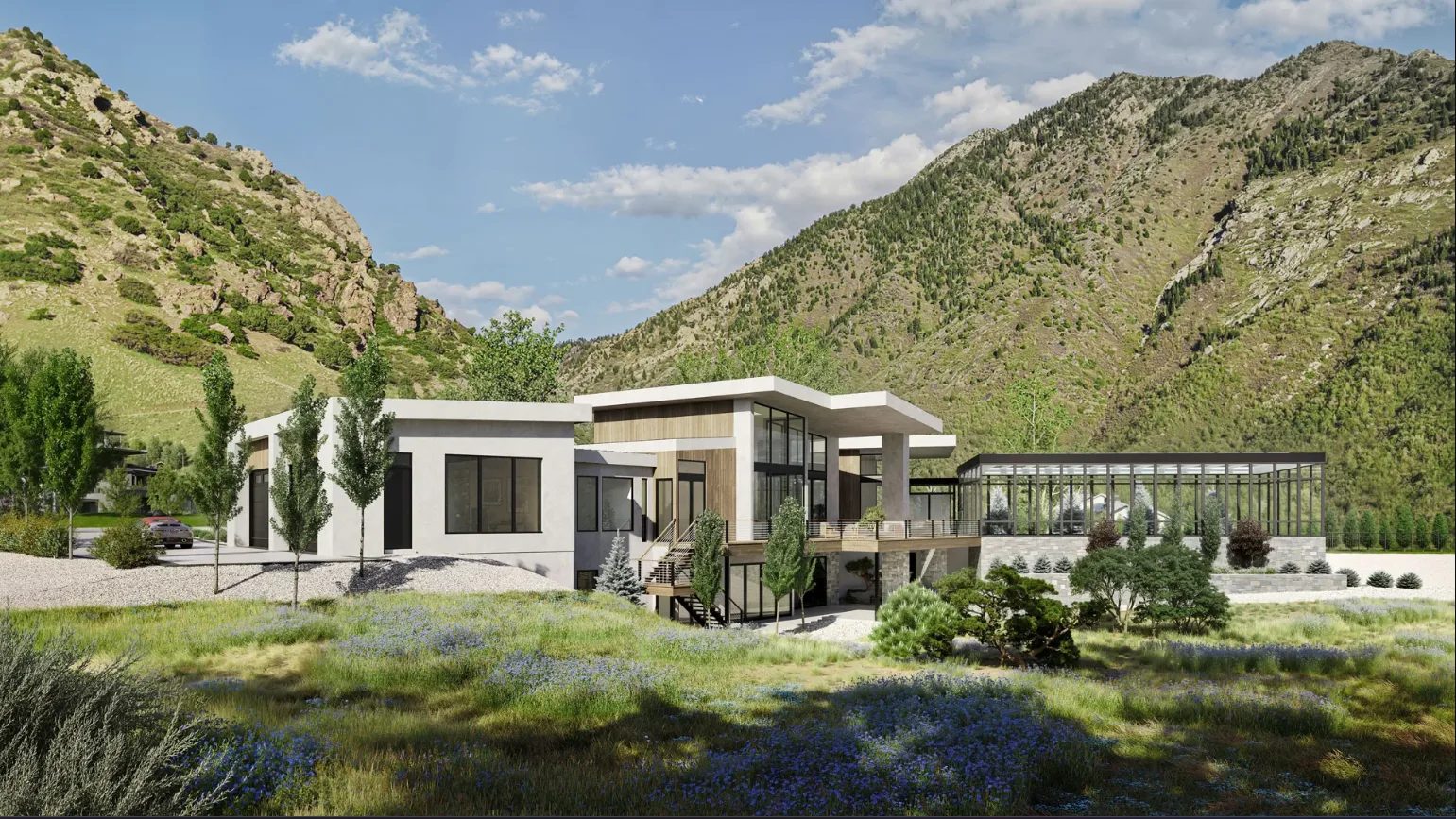
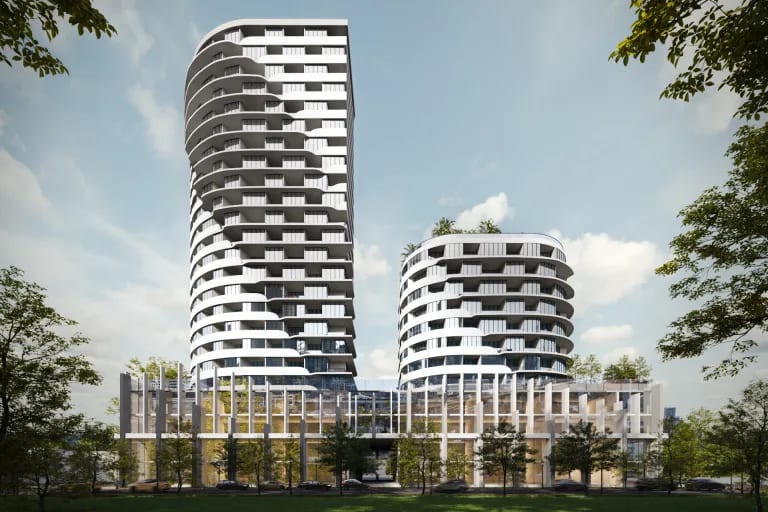
This is where generic apartment visuals fall short. A vertical multifamily project sells a building, an amenity floor, and a lobby. A BTR community sells a place to live across a site. That changes what you render: aerials and streetscapes that show the neighbourhood, private backyards and porches, the dog park and the trails, the walkable site context — not just a rooftop pool. If you’re coming from a standard apartment playbook, our work on 3D rendering for multifamily housing is the adjacent baseline; BTR layers a neighbourhood story on top of it.
The CGI render set, by lease-up stage
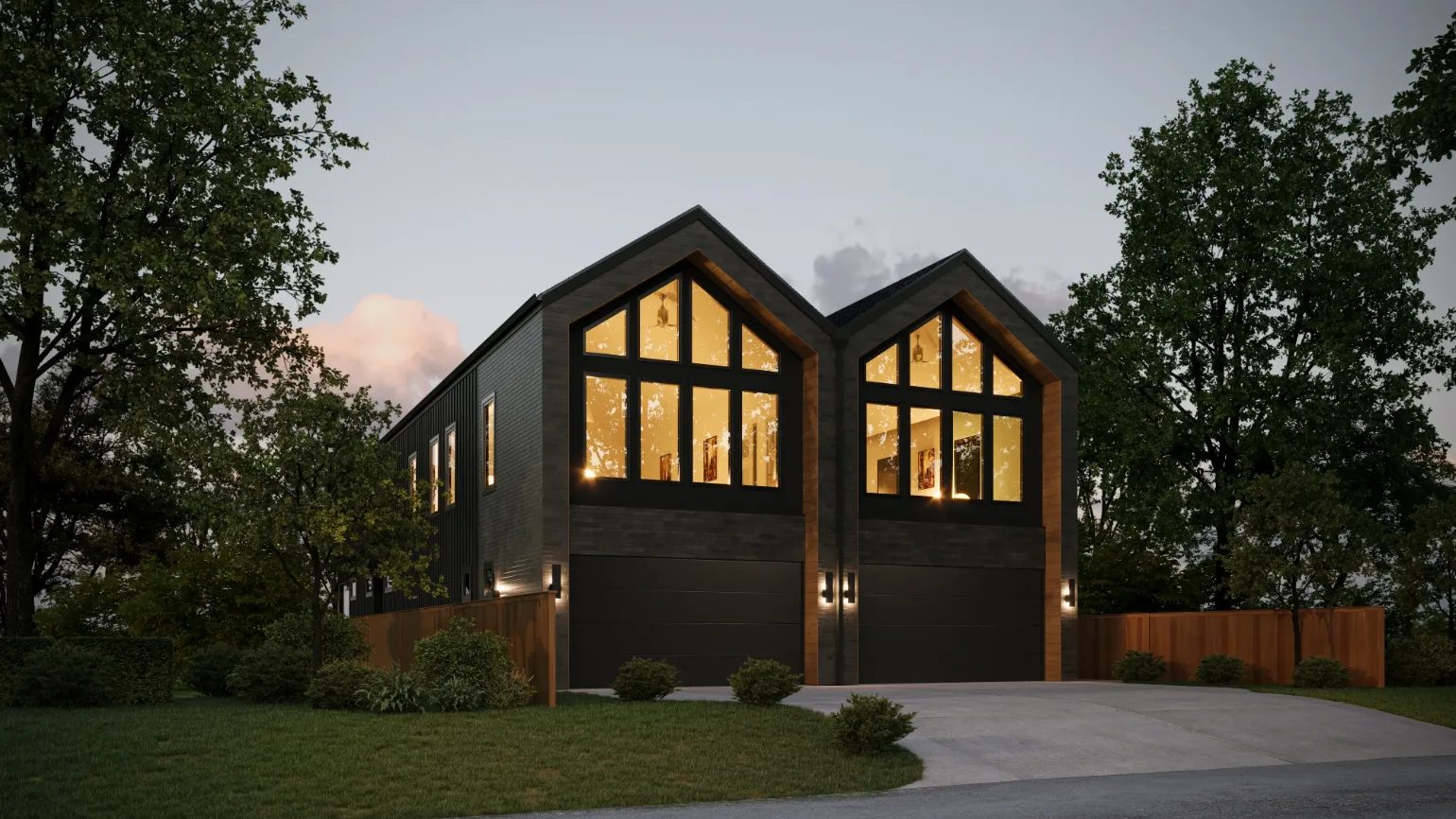
The most useful way to think about BTR visuals is by where you are in the lease-up timeline, since pre-leasing often starts up to six months before completion:
- Pre-construction teaser. An aerial / community render and a hero home exterior to open pre-registration and build a waitlist.
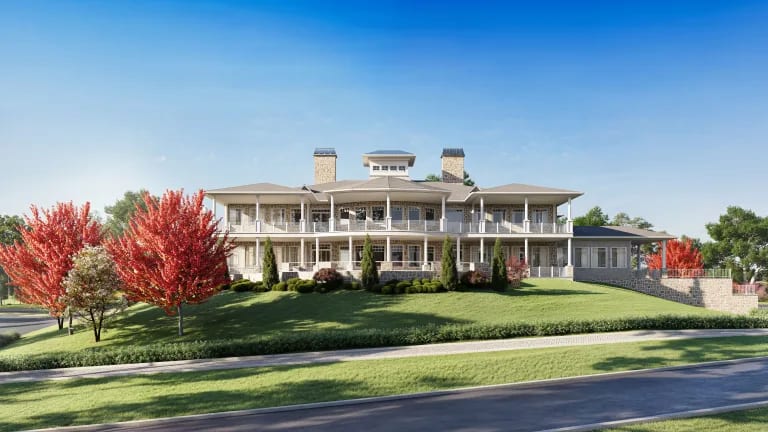
- Pre-lease hero set. Home interiors, the key amenities (pool, clubhouse, fitness, pet zones), and lifestyle scenes with people — the package that converts a waitlist into deposits.
- Leasing-center experience. A virtual model home tour and interactive views so prospects explore before, or instead of, an in-person visit.
- Stabilization refreshes. Seasonal and lifestyle updates to keep the last units moving.
Because a BTR scheme is a community of repeated home types, one coherent set markets the entire development — every plan, every amenity — across the website, the listing portals, paid social, and the leasing office.
Renting the lifestyle, not the unit
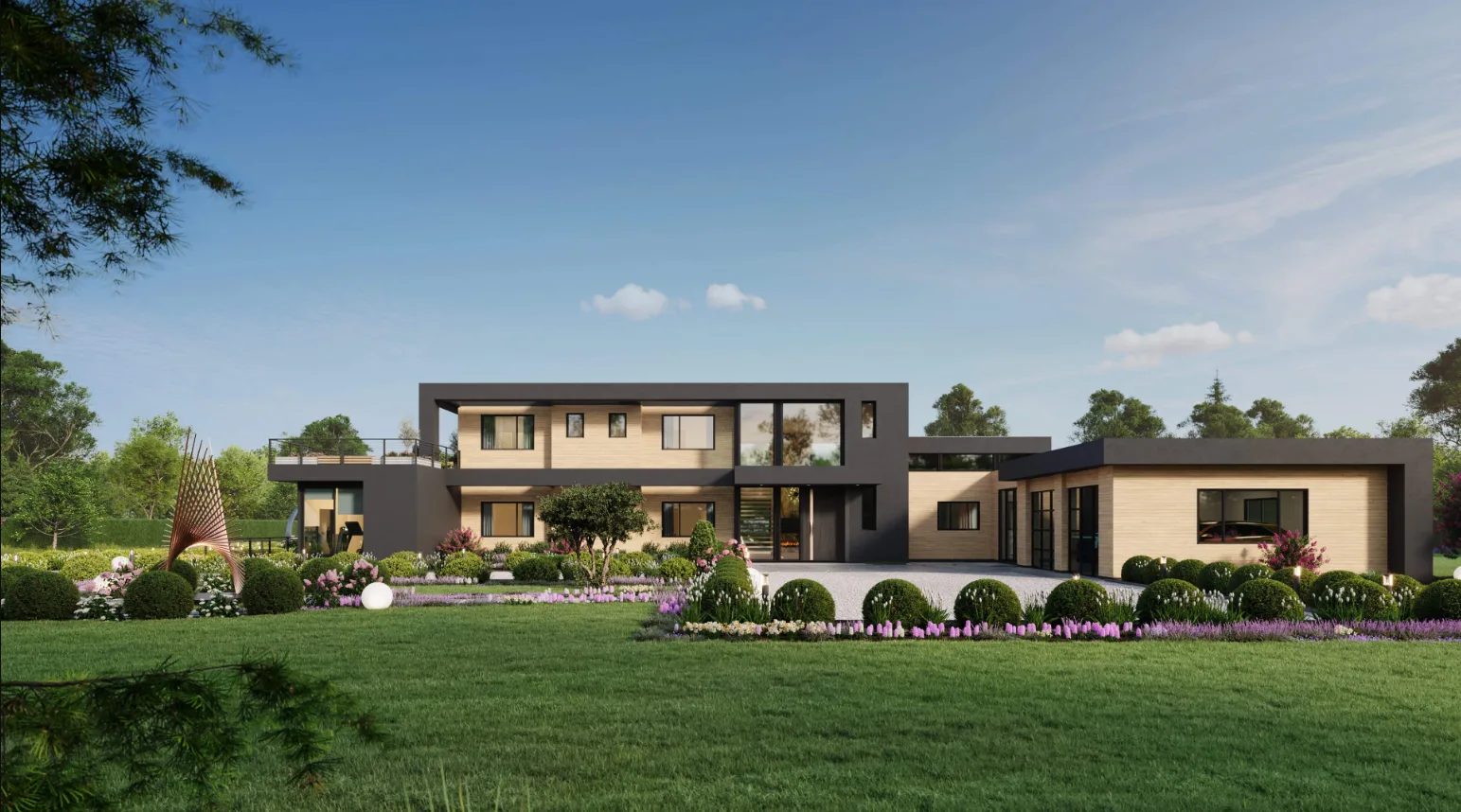
The whole premium case for BTR is emotional: a house, a yard, a community, without the mortgage. Renders are how you make that tangible — a family on the porch, a dog in the backyard, neighbours on a walkable street at golden hour. That’s also how you overcome the quiet “rental stigma,” reframing the offer as elevated living rather than a temporary stop. Lifestyle scenes do work and an amenity floor plan never can.
Does it move lease-up numbers?
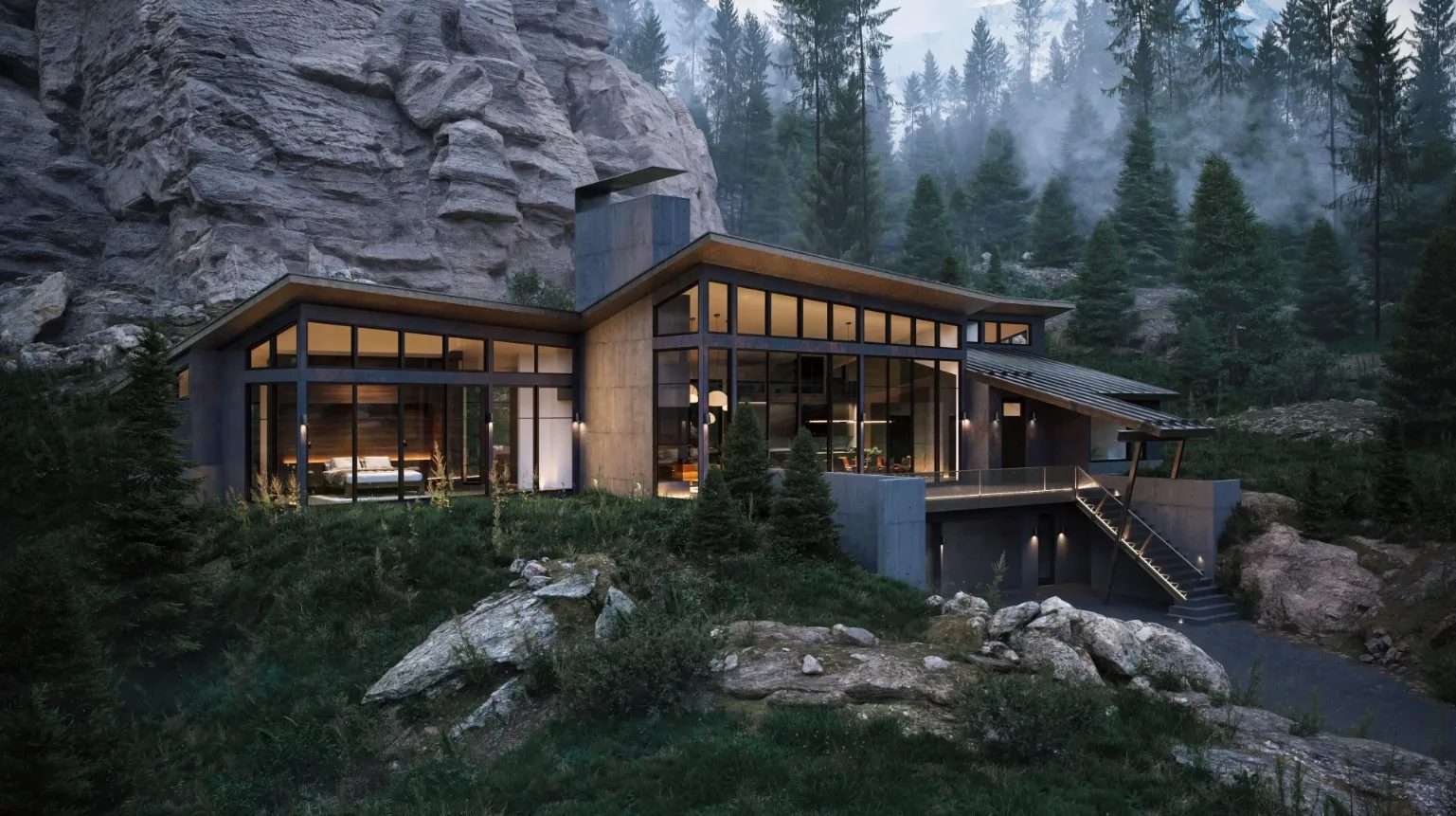
The engagement data is hard to argue with. Zillow found that listings with a 3D Home tour earned 81% more views and were saved by buyers 53% more often than listings without one. For a BTR community that is still graded dirt, those are the only views you have — the render set is the listing. That early online traffic is what builds a waitlist before leasing opens, and the waitlist is what compresses the absorption curve and pulls stabilization — and the financing it unlocks — forward.
Because BTR communities are planned at scale, the same logic that governs a master plan rendering applies — show the whole neighbourhood — and the virtual model home approach works as well for renters as for buyers. For the wider view of where these assets earn their keep, see how developers use 3D visualization across a project.
Build-to-rent is a bet that renters will pay a premium for a house and a community instead of a unit and a hallway — and that bet is won or lost on whether they can feel the difference before they sign. CGI is how you make them feel: the neighbourhood, the homes, and the lifestyle, sold before the first slab is poured, staged across the lease-up timeline so absorption never stalls. Planning the wider campaign? Start with these developer marketing tips. When you’re ready to market a BTR community before it exists, talk to ArchiCGI — a 3d architectural rendering services studio that builds communities renters can feel, with 3D rendering made for real estate developers.
We help build-to-rent developers sell the neighbourhood and the lifestyle before construction starts, staged across the lease-up timeline.
CGI works the same way across the sales funnel: the seven benefits of 3D rendering in real estate explains the mechanics in detail, our guide to virtual model homes shows how the approach replaces physical show units, and real estate 3D rendering services cover stills, animations, and tours for projects at any stage.
Related reading: adaptive reuse rendering.
Build to Rent Marketing: FAQ

Jimmy Ward
Marketing Specialist, Media Buyer
Jimmy is the senior magician of media and stunning ads. He loves a good joke, his beloved dog Mario and craft beer. But don’t be fooled by his smile: Jimmy is ruthless when it comes to lead generation.