

The competition is incredibly tough for property development companies. For instance, there are almost 55 000 housing developers in the US alone. With so many companies on the market, is it possible to stay one step ahead of competitors? What real estate developer marketing techniques can help get new customers consistently?
Fortunately, there are a few ways real estate developers can succeed in attracting potential buyers. By combining modern online and offline marketing techniques, using architectural visualization services it is possible to significantly improve client attraction. Below are eleven tactics that help developers attract buyers consistently, from website basics to interactive selling tools, plus answers to the questions we hear most often.
#1. Make a website with high client convertibility
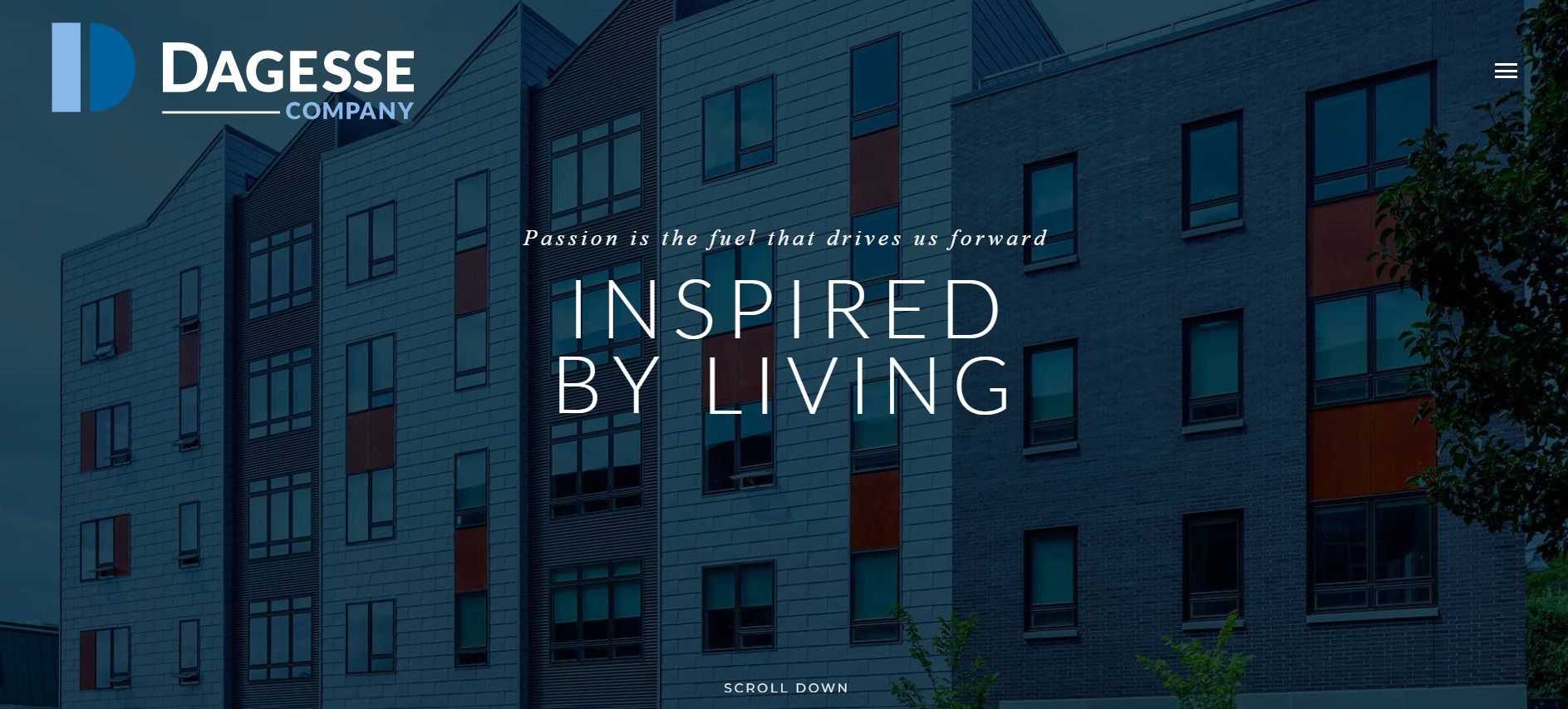
Source: Dagesse Company
A website is the face of a realty development company and the main way to make a business visible online. The primary goal of a good site is to turn its visitors into potential buyers willing to contact the company. This might seem tough, especially in the field of real estate developer marketing. But, provided developers follow some basic guidelines, more than doable.
The first the visitor should see is the home page. It should feature:
- a brief summary of the company information
- links to services
- news, and/or blog
- “about us” section
- contacts page
The layout should be easy on the eye and guide visitors to the data points they need. A collapsible 24/7 help chatbox should be on the screen at all times. This way, a visitor will be able to comfortably navigate a website, which gives a good first impression.
The thing that really hooks customers is quality content. So, real estate developer marketing materials on the website should be visually appealing. As such, the site should feature a gallery of the realty projects the company has worked with. The blog should have plenty of case studies, as well as fresh articles and posts about real estate news and trends. This will convince visitors of the business’s credibility and experience, subtly pushing them to convert into buyers.
#2. Personalize marketing strategy

Current-day customers require a personalized approach in any field, and real estate is no exception. To fulfill this demand, one should leverage the power of targeting. While browsing the web and especially social media, users share plenty of information about themselves. Not just names and genders, but their geographical locations, occupations, relationship statuses, and even personal preferences. As such, it becomes much easier to advertise properties online to different demographics in a way that appeals to them specifically.
For instance, a “comfy family nest in a quiet calm apartment complex” can be used as a promotion for young couples. Or a riverside house can be offered to people who love fishing, watersports, etc. This would make future buyers instantly feel like they are getting special treatment from a company that knows what they want. As a result, they will be more likely to visit the website and contact the developer.
#3. Use CGI to showcase properties that are unfinished or unfurnished
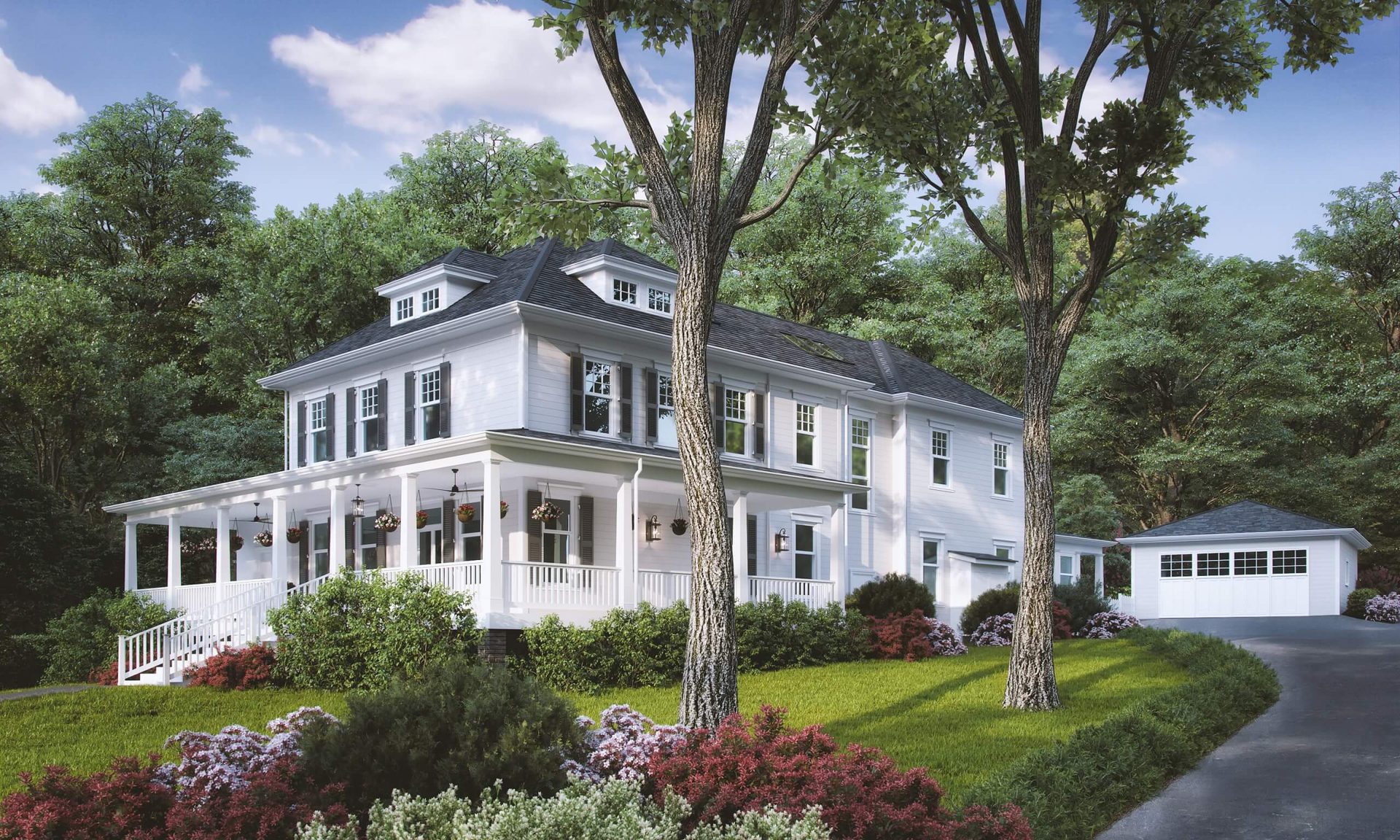
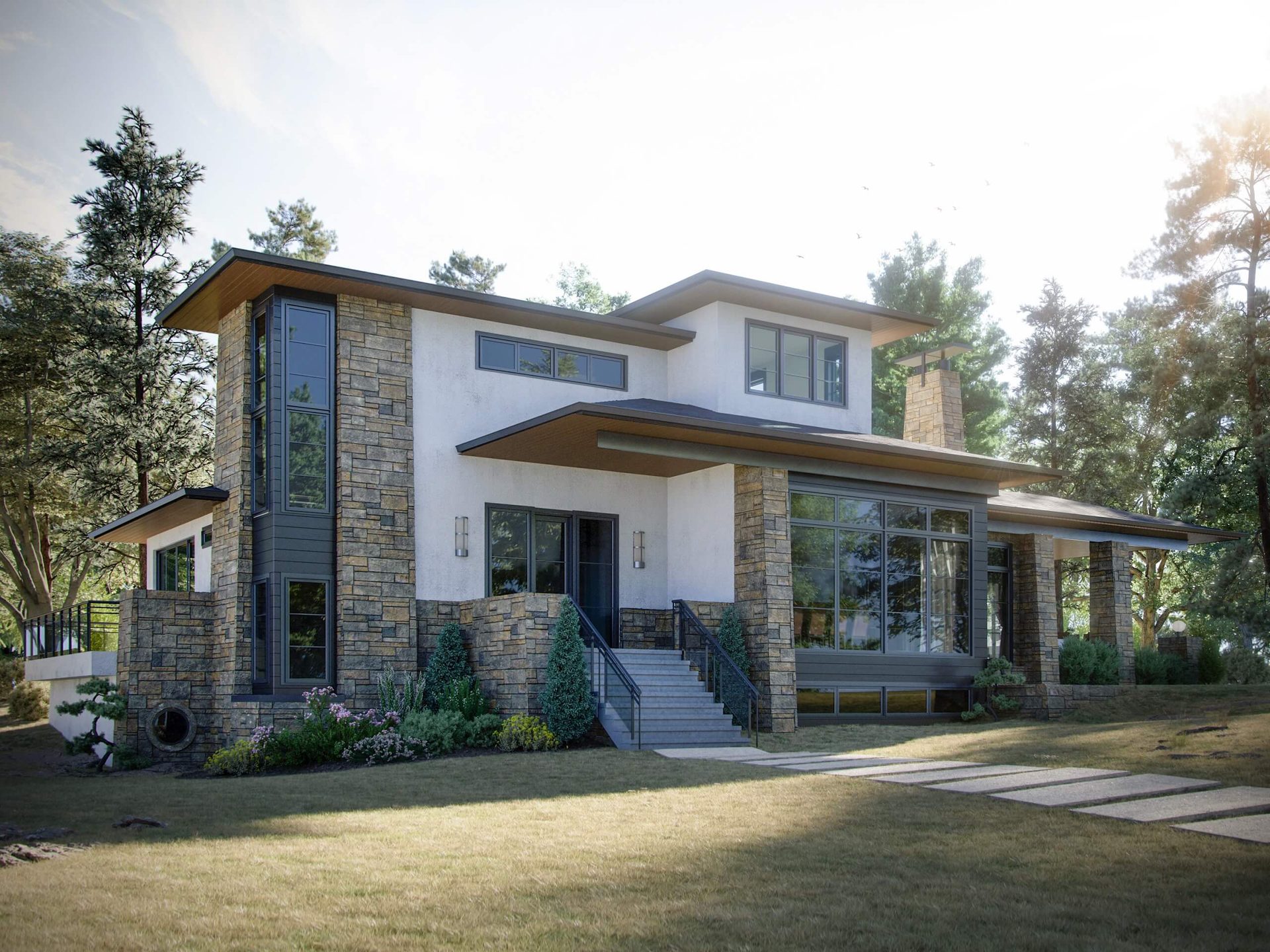
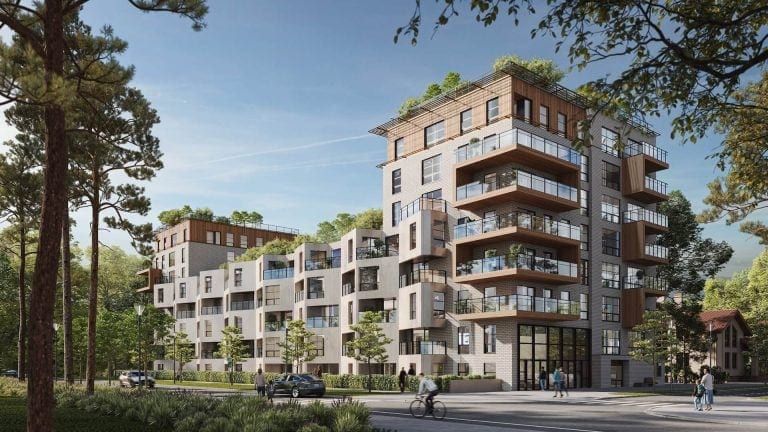
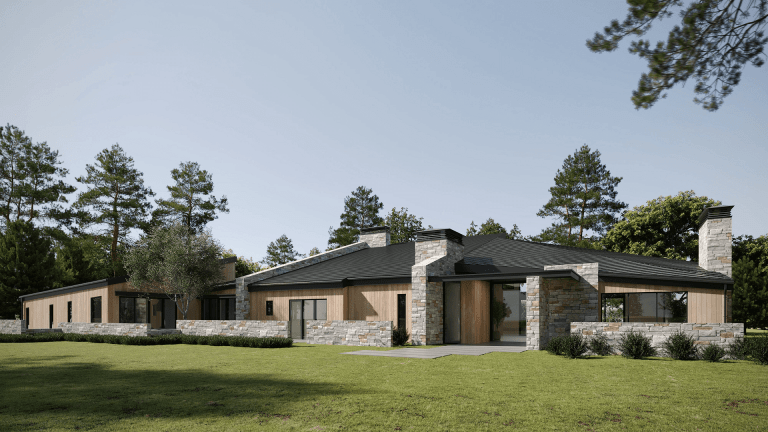
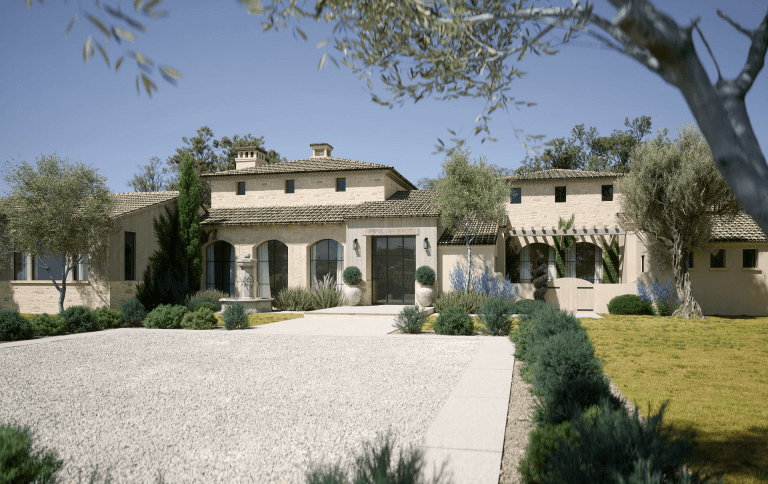
Oftentimes, real estate developer marketing involves promoting properties that are either unfinished or unfurnished. Since photography is not an option here, CGI is the best solution. Working with a 3D visualization studio will serve 2 goals. First, it will showcase the full potential of unfinished spaces. Second, it may present options for furnishings and layouts. For really important projects, ordering virtual tours of houses or architectural 3D animation services is also possible.
Overall, development renderings is a great source of visuals for advertising, online and offline. Banners, website galleries, social media posts, leaflets, billboards – well-made photorealistic visualizations of yet-to-be-built properties can become stars in any ads!
Showcase your architectural project with photorealistic CGI powered by modern AI-assisted workflows
The same visuals work twice as hard with investors. Photoreal exterior renderings show the aesthetic appeal of the property and the comforts of the neighborhood, translate technical solutions into images that need no jargon, make it obvious who the target buyers or tenants are, and justify the asking price by showing exactly what it buys.
#4. Build a strong social media presence
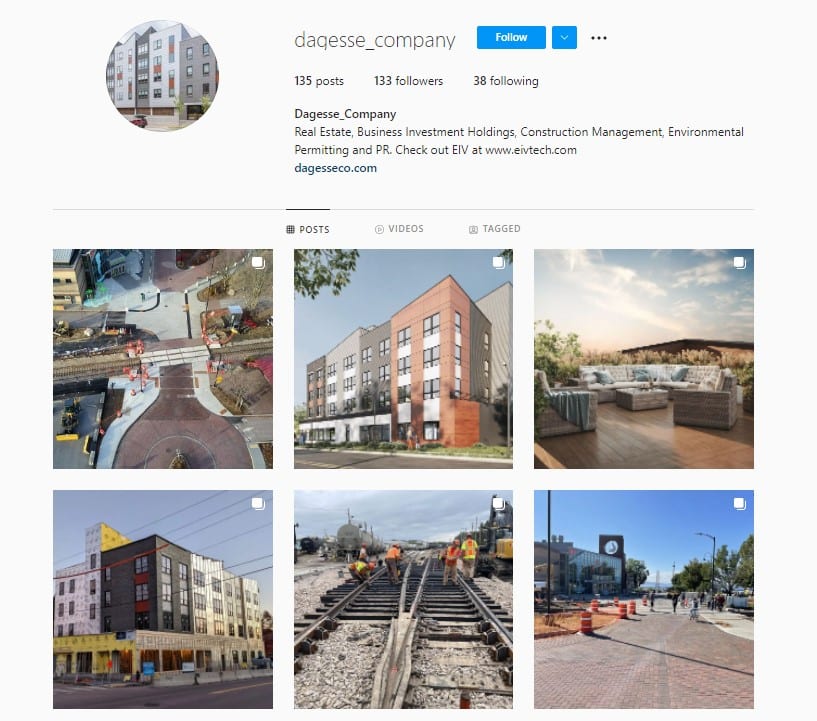
Source: Dagesse Company
Social media is integral to modern real estate developer marketing. It serves many purposes. It expands the outreach of businesses, giving access to a much wider clientele than traditional means. Social media also serves as a current-day equivalent to word-of-mouth. It increases the reach and builds up the reputation of the business.
Of course, real estate development marketing has a very specific target audience. As such it requires a unique approach to building social media presence. Accounts on networks used for distributing visual media such as Twitter, Facebook, Youtube, and Instagram are a must. The main content focus should be on showcasing the most stunning properties or portraying regular ones in the best way possible. Another content idea is showing followers regular progress reports with photos from construction sites. Videos of finished buildings and virtual 3D house tours of the future ones would be perfect for catching potential customers’ attention as well. All in all, when done correctly, SMM would greatly improve real estate developer marketing by bringing potential clients and aiding in converting them into buyers.
#5. Make heavy use of SEO and paid online advertising
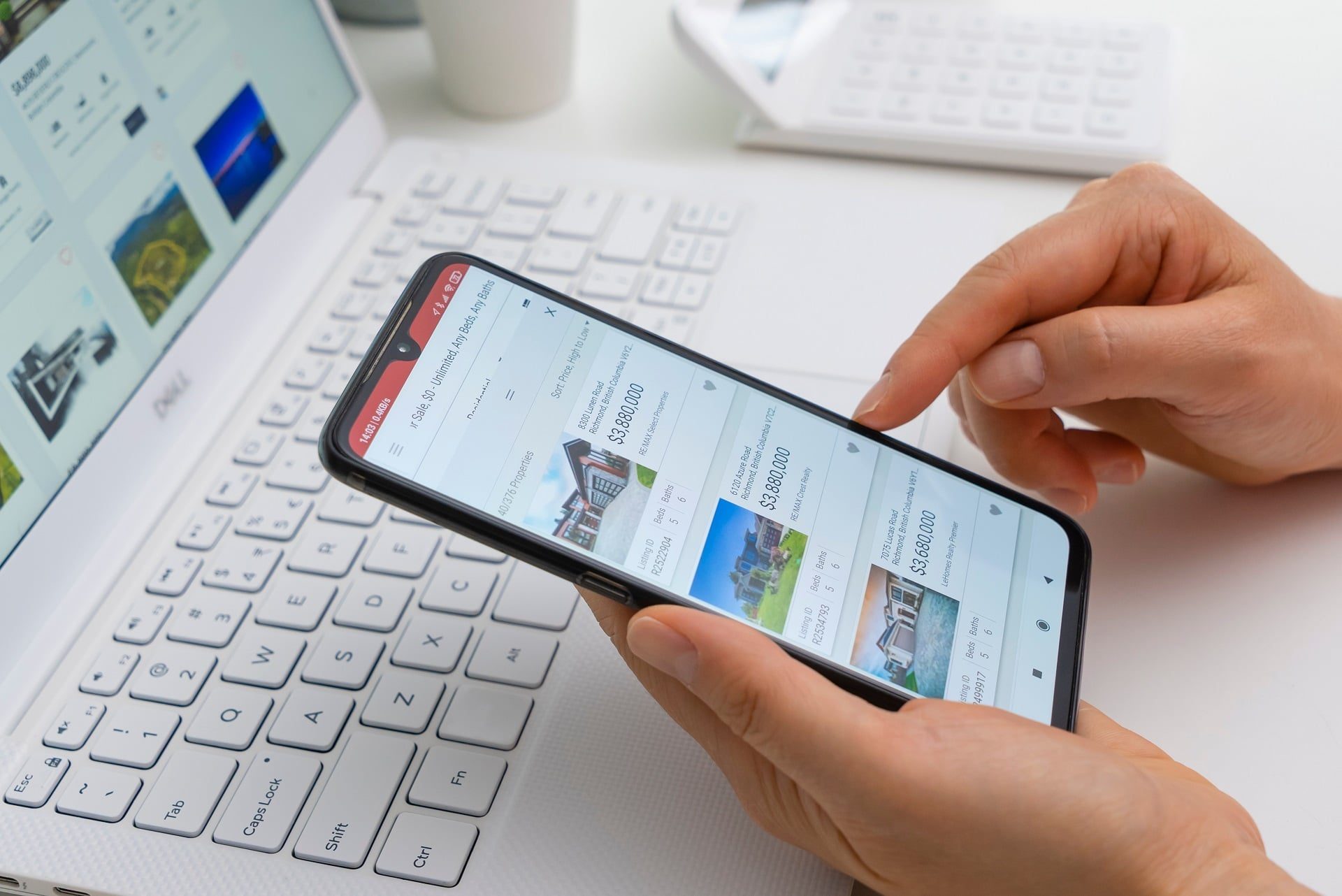
For developers, getting their websites and social media accounts to the top of search engines’ front pages is vital. And for that, all company sites must have competent SEO. Relevant keywords should be organically interspersed with blog and gallery posts. Furthermore, if a business needs to increase its odds of appearing on the first page of a Google search, paid advertising should be considered as well. This is commonplace in realty developer marketing. Top spots in search engine results are always occupied by companies with large promotional budgets.
#6. Start selling before construction begins
The most expensive weeks in a development project are the ones when nothing is selling. Every pre-sold unit reduces the financing burden and proves demand to the bank, so the marketing clock should start long before the first slab is poured. In practice this means launching listings, a project website, and ad campaigns as soon as photorealistic renders of the project exist. Buyers do not need a finished building to make a decision. They need to see the facade in the morning light, the view from the third floor, and the kitchen they will cook in.
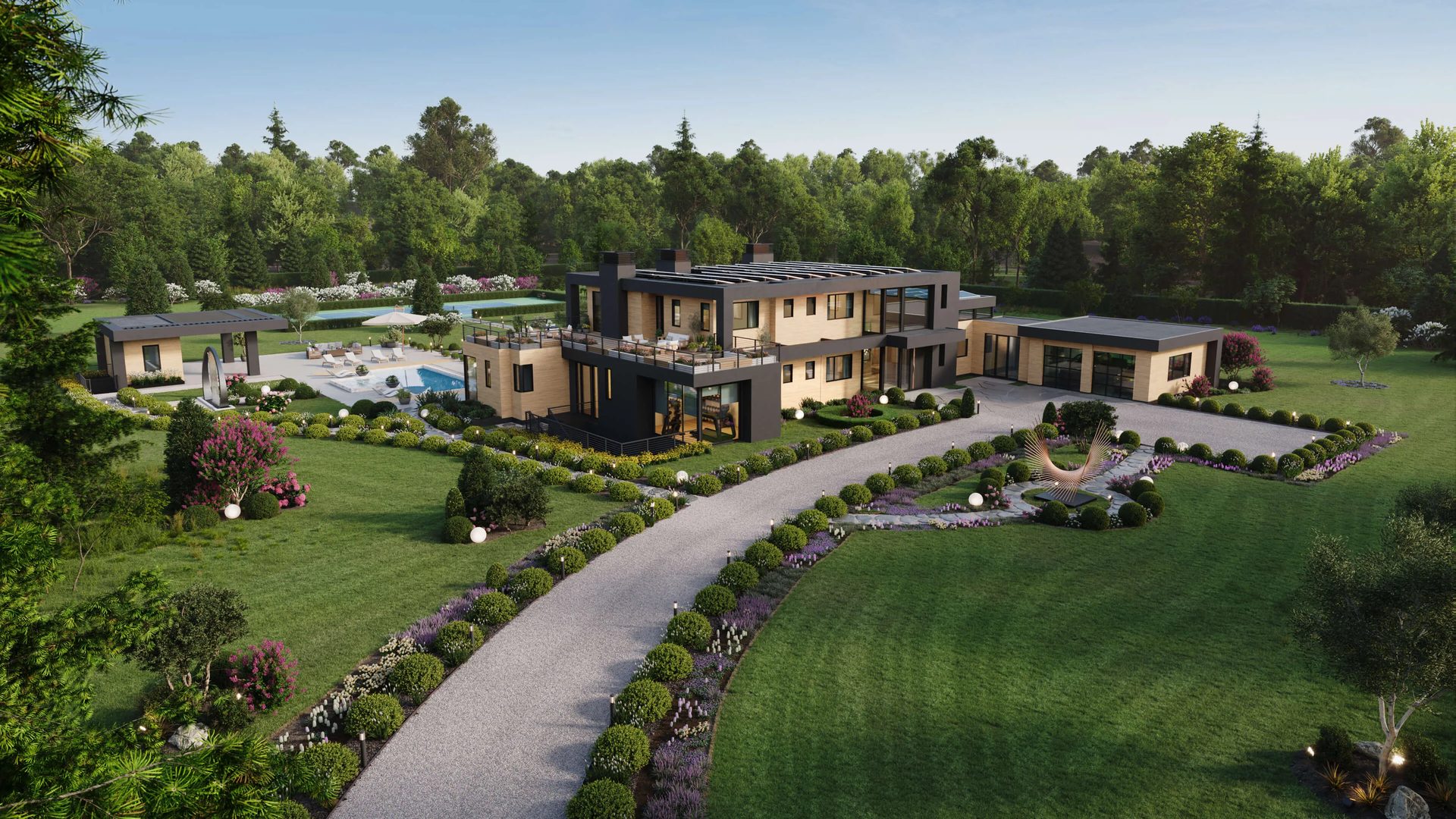
A typical early package includes exterior and interior renders, an aerial view of the site, and floor plans. This is exactly the set we produced as pre-construction renderings for an East Hampton estate, which the client used to bring the property to market months ahead of completion.
#7. Give buyers an interactive way to explore the project
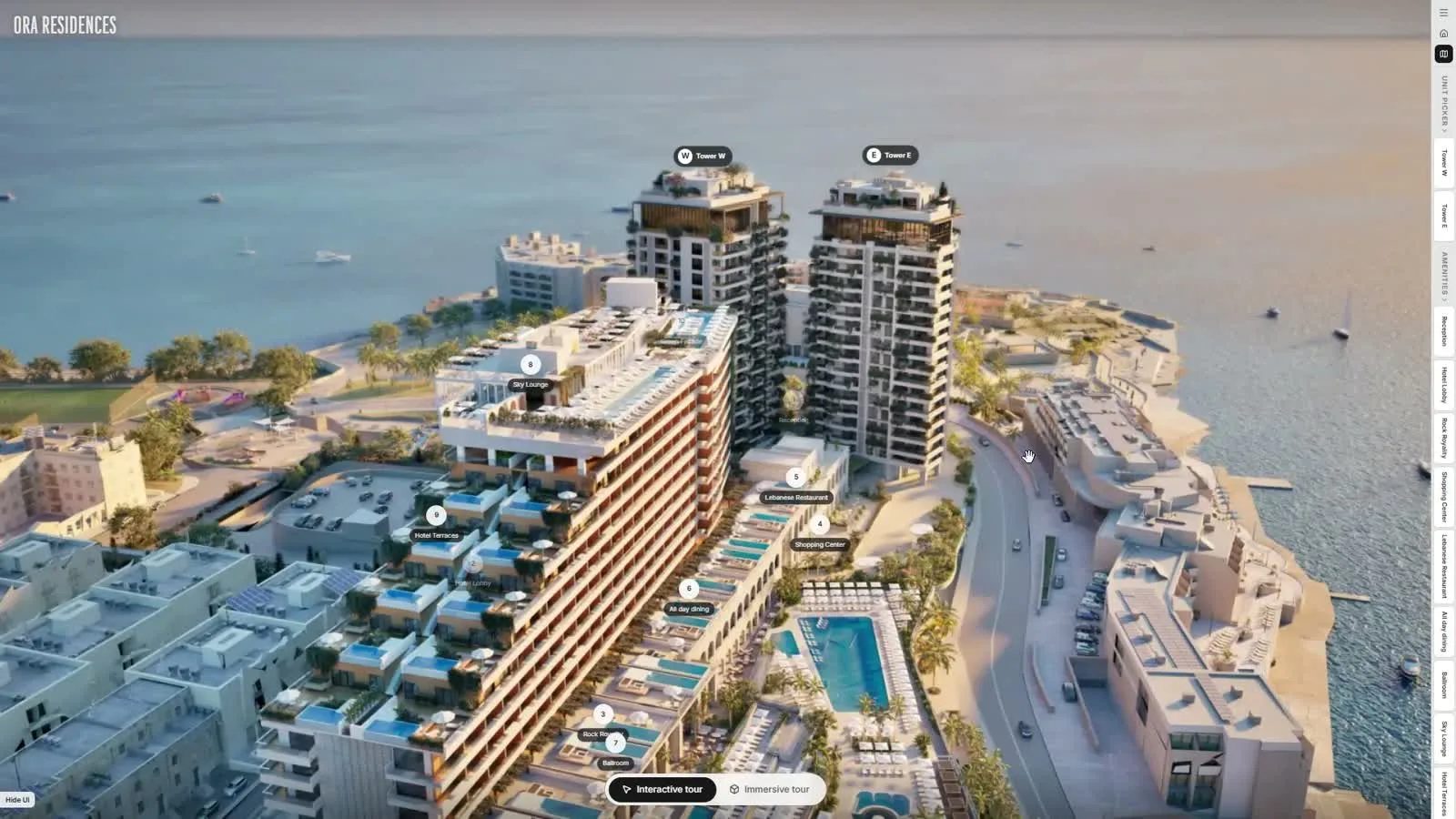
Static images start the conversation, but modern buyers want to explore on their own terms. An interactive real estate platform turns a development into a website buyers can walk through: an aerial map of the whole project, a unit finder with live prices and availability, amenity highlights, and 360 views inside the homes. It works around the clock, so the first stage of the sale happens without your team lifting a finger.
The practical difference is in the quality of the leads. A prospect who has already compared units, checked the floor plans, and looked out of the virtual window calls your sales office with two or three specific questions instead of twenty general ones. Conversations get shorter, and closings come sooner.
#8. Let demand data drive pricing and releases
For how these tactics play out on real developments, see custom homes 3D rendering for a house builder, net-zero-ready homes CGI in Canada, six ways home builders use 3D rendering, and seven tactics to pre-sell real estate.
When buyers explore a project online, they leave a trail: which units get the most views, where visitors linger, which floor plans are compared most often. That data is a pricing instrument. If one line of townhouses collects half of all attention, its price can grow with demand instead of lagging behind it. If a phase is getting less interest than expected, you see it weeks earlier and adjust the campaign rather than the margin.
The same logic applies to releases. Developers who stage their inventory and release phases based on real interest keep a sense of scarcity working for them throughout the whole sales cycle.
#9. Answer fast and follow up consistently
Real estate leads cool down quickly. A buyer who asked about a unit today is comparing three other projects tomorrow, so speed matters: an answer within one business hour keeps you in the running, an answer within a day often does not. A simple CRM discipline solves most of it: every inquiry gets a fast reply, a scheduled follow-up, and a place in an email sequence tied to construction progress. Those progress updates, by the way, double as content for the social channels from tip four.
#10. Keep brokers and offline channels in the mix
Digital campaigns fill the funnel, but in most markets a large share of development sales still closes through brokers, referrals, and events. Give partner agents the same visual package you use yourself: renders sized for MLS, a link to the project page, and a short deck they can forward. A well-equipped broker is a distribution channel; an under-equipped one quietly sells the competitor project that gave them better materials.
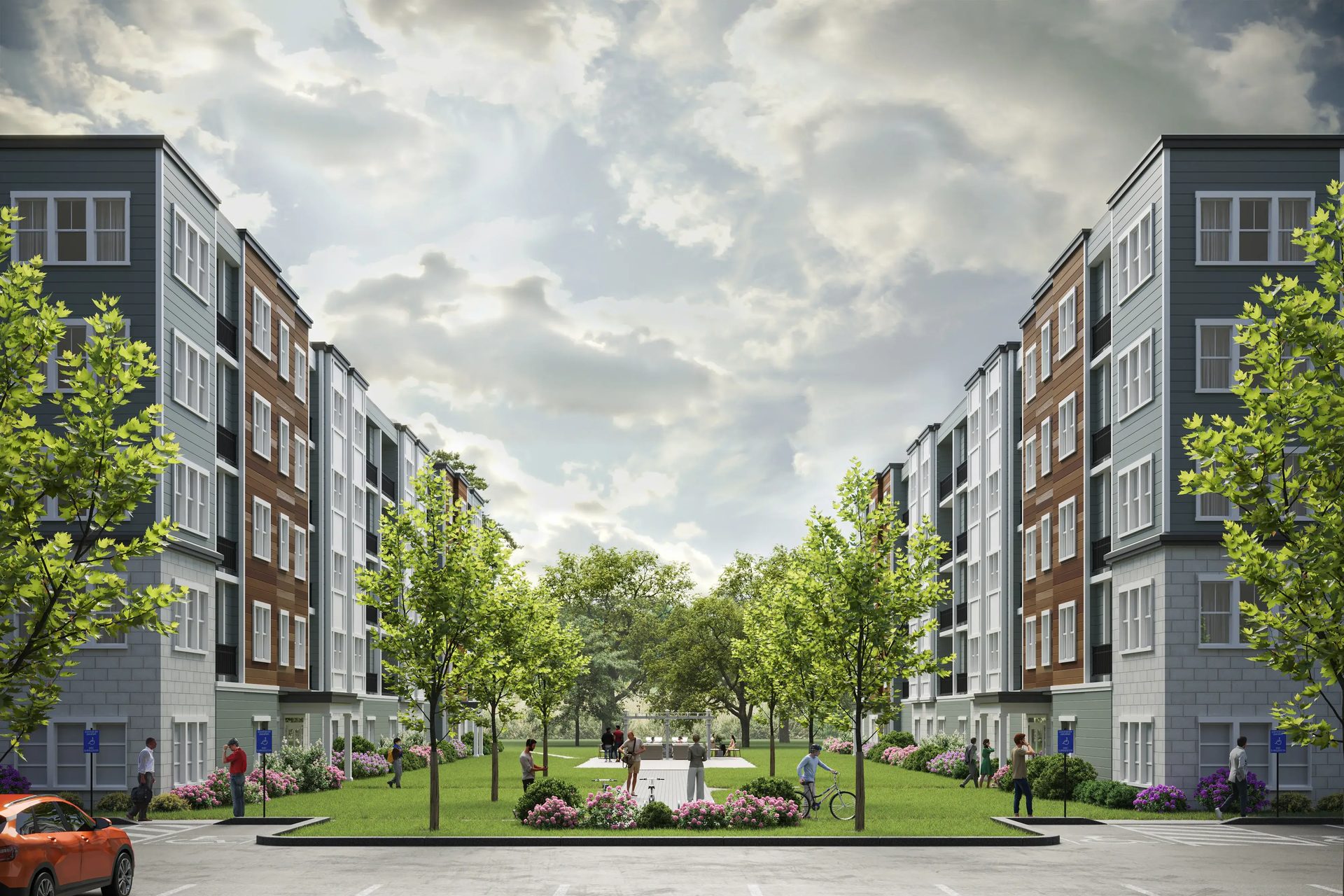
Offline placements follow the same rule. A billboard near the site with one strong exterior render and a short URL outperforms a collage of six small pictures. On-site hoarding, a sales office screen with the project animation, an open house for the show unit once it exists: each touchpoint should reuse the same visual assets, so the project looks consistent everywhere a buyer meets it.
#11. Measure the funnel, not just the traffic
Traffic reports flatter, funnels tell the truth. The numbers worth watching in developer marketing are the cost per qualified inquiry, the share of inquiries that book a visit or a call, and the absorption rate per month against your pro forma. If visits are cheap but bookings are rare, the problem is usually the project presentation, not the ad budget. If bookings are fine but closings stall, the sales process needs attention.
Review these numbers weekly during active phases. Marketing for a development is not a launch event but a cycle: content, campaign, data, adjustment, and back again until the last unit is gone.
In modern real estate developer marketing, using a smart multichannel approach is key to attracting new clients. Each housing development business must have a professionally made website. It should provide easy navigation, a property gallery, and a blog for updates and news. Properties that are unfinished or unfurnished should be visualized and promoted with help of CGI. In addition to the website, companies should also have social media accounts with gorgeous visuals and stories. Instead of generalizing the approach to contacting customers, it’s best to use a personalized approach. employing opportunities targeting brings. Lastly, developers should not shy away from paid online advertising. Heavy use of SEO is vital – search engines are still the main way people find real estate online.
To go deeper into specific tactics, see how CGI helps pre-sell real estate, what works in social media for property developers, and how to promote multifamily projects and build-to-rent communities with 3D content. CGI also answers many of the problems real estate developers face, and our property marketing CGI guide covers the visual side of the campaign in detail, while PR for real estate extends your reach beyond paid channels.
Need stunning 3D visuals to attract clients? Order professional real estate rendering services today and fill your galleries, blogs, and social media timelines with great content!
Real Estate Developer Marketing FAQ

Jimmy Ward
Marketing Specialist, Media Buyer
Jimmy is the senior magician of media and stunning ads. He loves a good joke, his beloved dog Mario and craft beer. But don’t be fooled by his smile: Jimmy is ruthless when it comes to lead generation.
Comments
Rachel
Mary
Stella
Emma