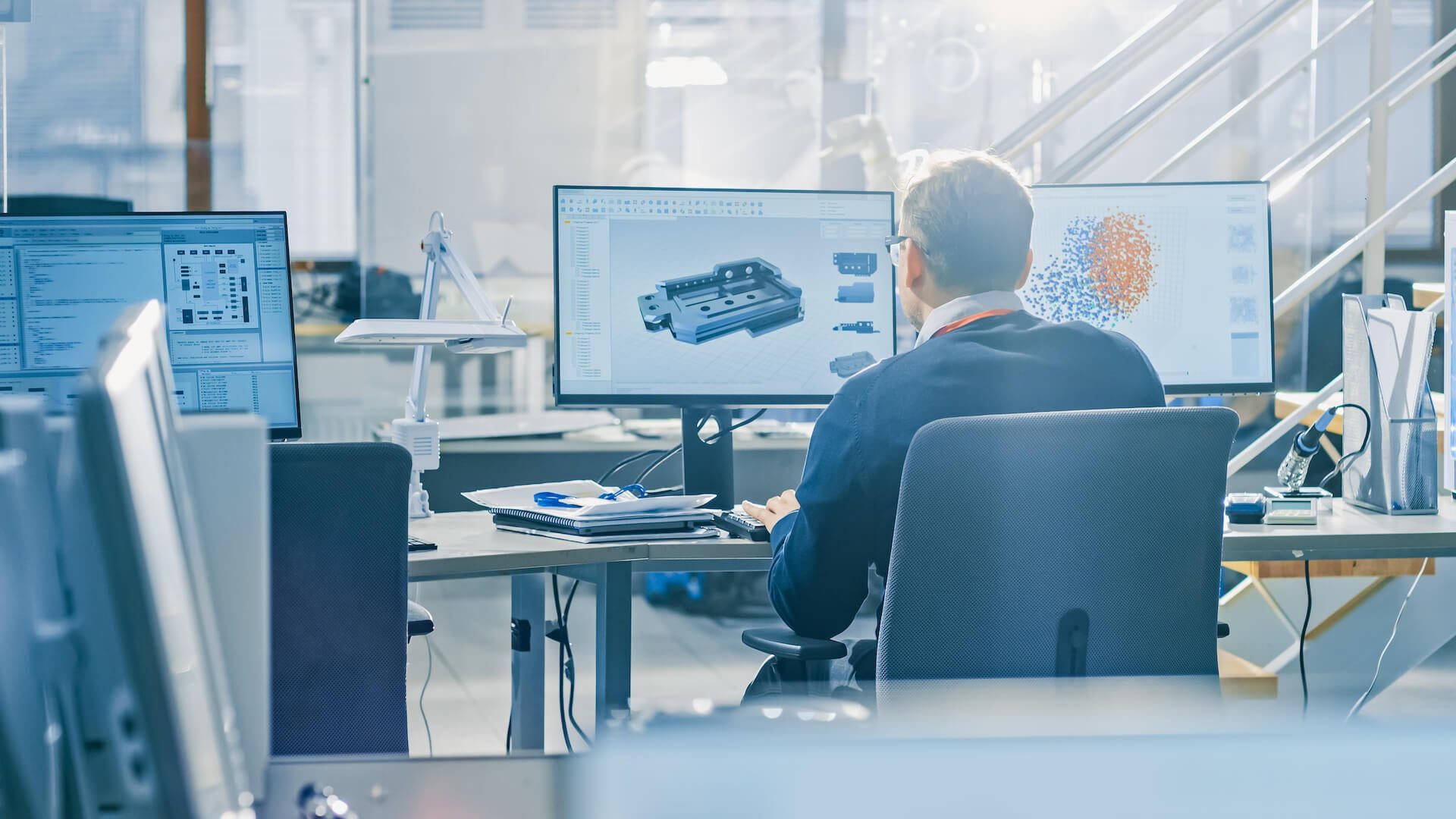
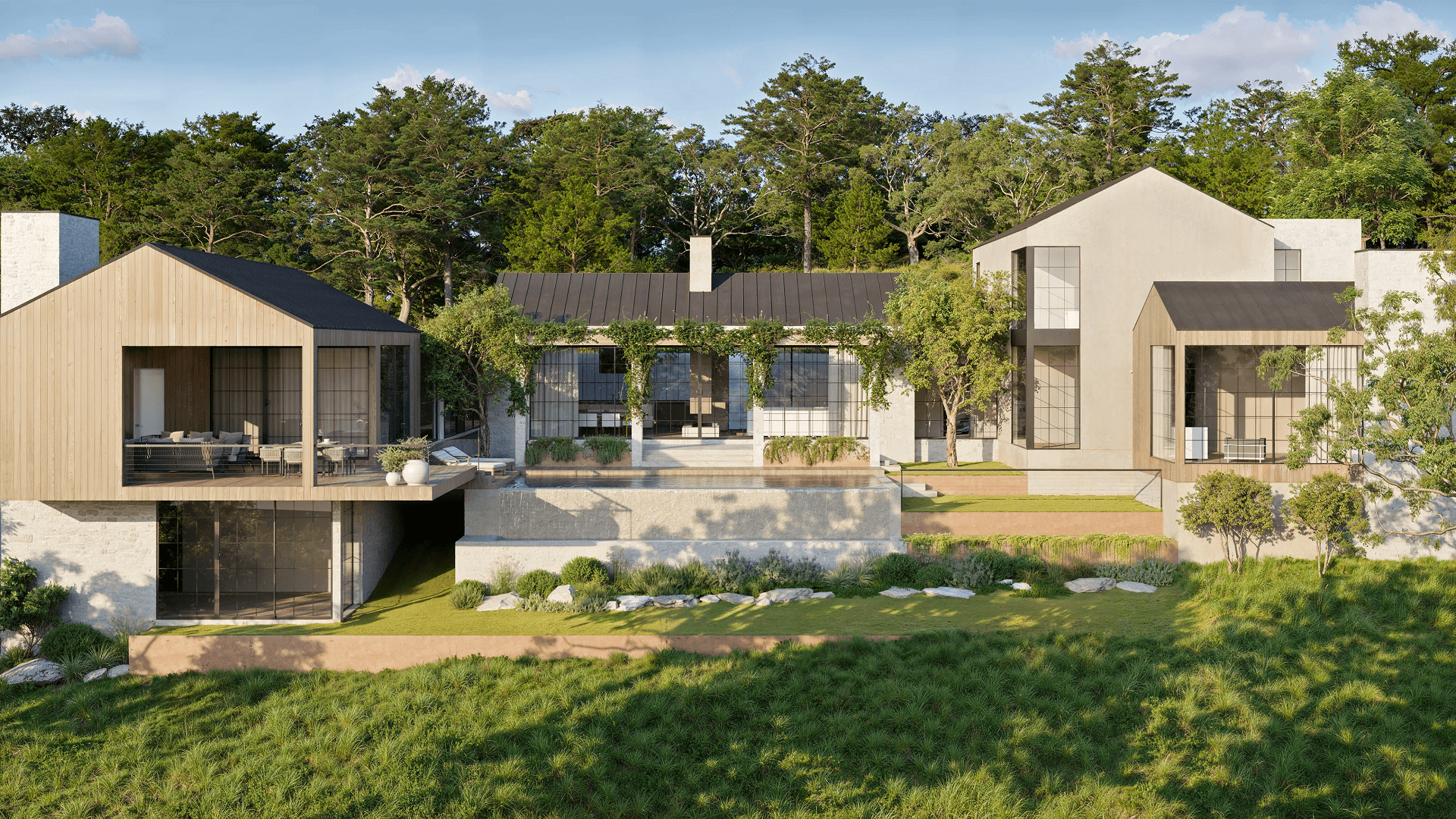
Photorealistic 3D visuals now run through nearly every stage of architectural and real estate work: client presentations, marketing materials, regulatory approvals. The quality of those visuals shapes how a project is perceived before a single brick is laid. The problem isn’t finding a company that offers 3D rendering and modeling. It’s narrowing down the options to a partner you can actually rely on long-term, which is a harder question than it looks when every studio’s portfolio page makes the same promises.
As a 3D rendering studio, we collaborate with architects, developers, and designers, helping them bring their visions to life. So we know exactly what matters to them when choosing a CGI partner. Drawing from experience, we’ll guide you through the key factors to consider when selecting an archviz firm. Let’s dive in!
#1. Why Making the Right Choice for 3D Rendering Partnership Matters
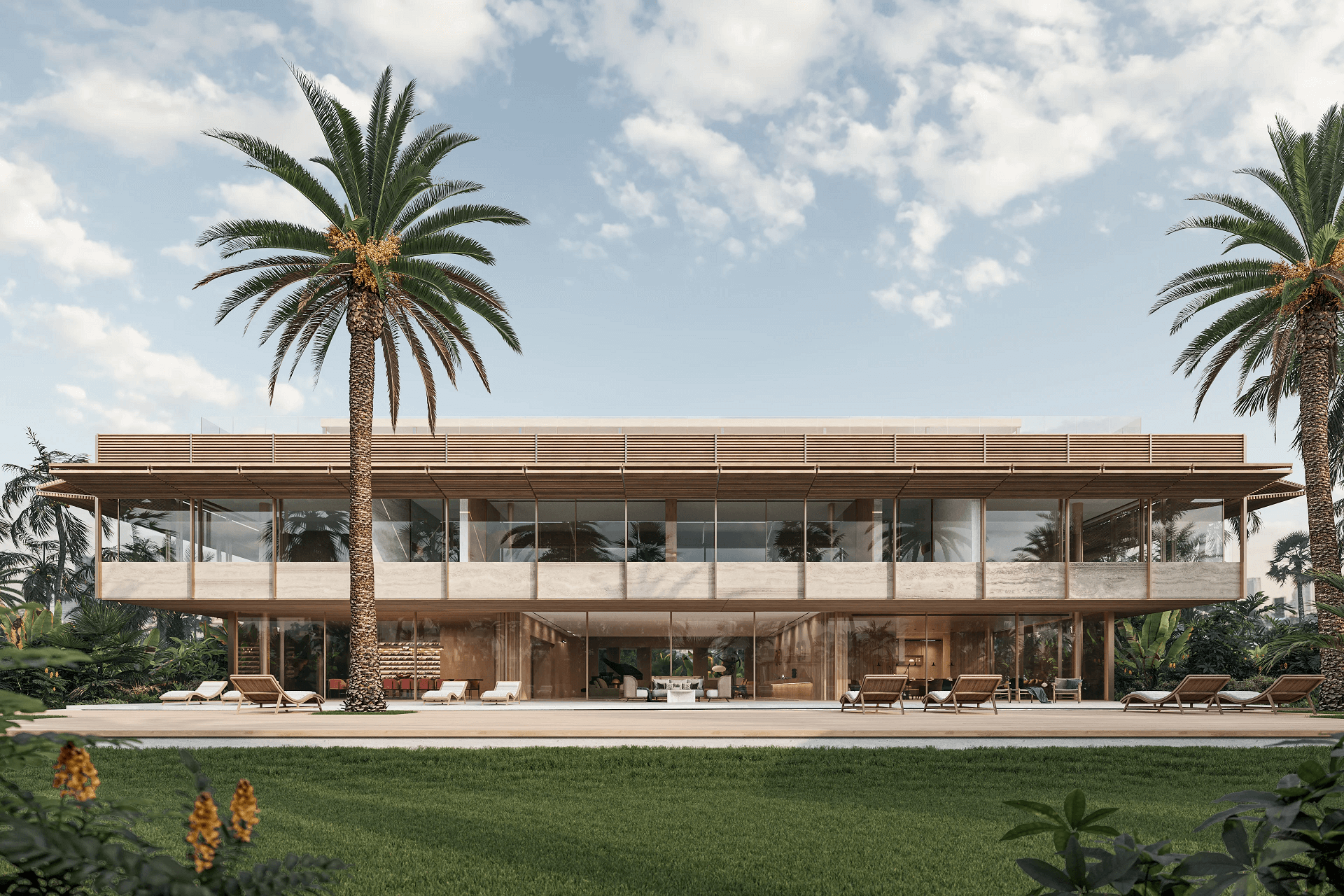
Establishing an effective 3D rendering and modeling partnership is critical. It can significantly impact your business success. High-quality project visuals play a key role in securing client approvals, strengthening marketing efforts, and boosting real estate sales. However, the right partnership implies not only great results but also an efficient workflow.
A skilled archviz provider can ensure a transparent, streamlined workflow and on-time delivery. And their expertise will guarantee accuracy, preventing costly design misinterpretations.
In contrast, establishing a partnership with an unreliable 3D company can lead to serious setbacks. Missed deadlines can disrupt entire timelines, while miscommunication may result in costly revisions. Poor-quality CGI fails to impress, requiring rework that drains both time and budget. So, there are lots of reasons to choose wisely.
#2. Key Factors to Look for in an Archviz Partnership
Establishing the right 3D rendering and modeling partnership requires more than just a quick glance at a company’s portfolio. To ensure a smooth collaboration and high-quality results, it’s essential to assess their experience, technical expertise, and communication skills.
#2.1. Portfolio and Proven Experience

A strong portfolio is the first indicator of a 3D company’s capabilities. Reviewing past commissions helps evaluate the quality, diversity, and consistency of their work. Ideally, the studio should have experience in projects similar to yours, whether residential, commercial, or urban planning. Their expertise should also cover different types of visuals, including static renders, animations, and virtual tours.
Another important factor is the background of their artists. For example, our lead artists have been working in archviz and architectural design since 2011. This way, we can ensure a deep understanding of your requirements.
#2.2. Technical Expertise and Software/Hardware Proficiency
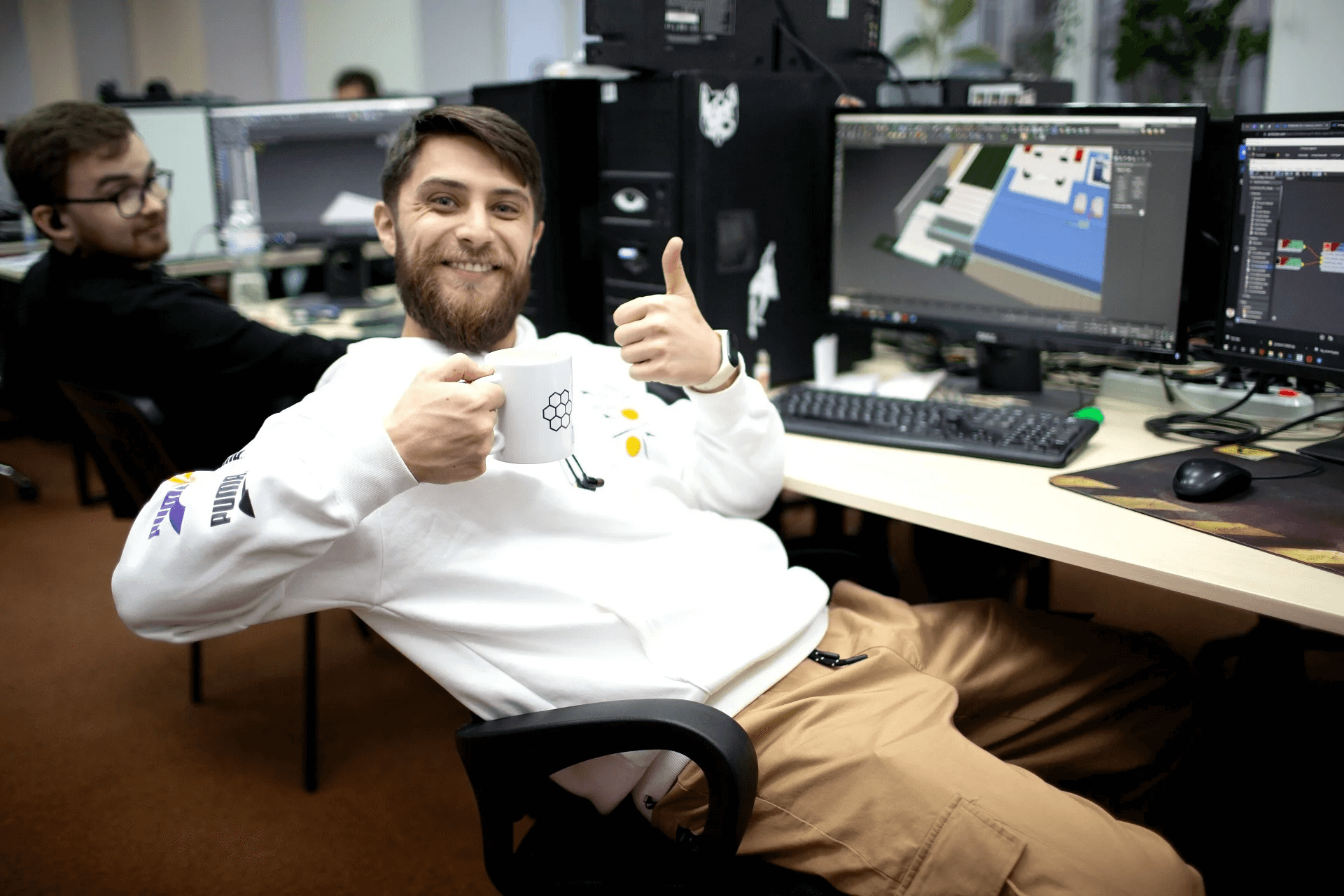
A reliable archviz partnership should come with the equipment and technical skills to nail your modeling and rendering tasks. Whether it’s photorealistic, conceptual, or stylized rendering, a studio should be proficient in producing the required visual style. Mastery of industry-standard software like 3ds Max, Unreal Engine, and other advanced tools is crucial.
Additionally, the hardware should be capable of handling complex modeling and rendering tasks efficiently. For example, at ArchiCGI, our in-house render farm allows us to process large-scale visualizations quickly, ensuring fast delivery without compromising quality. Many smaller companies don’t have one, which limits the types of commissions they can accept.
#2.3. Communication and Collaboration Skills

Clear and efficient communication is essential for a successful partnership. A great 3D studio should be responsive, open to feedback, and proactive in providing updates. At ArchiCGI, our well-organized CGI teams are led by an art director and a PM who ensures smooth workflow, communication, and strict adherence to deadlines.
#3. Evaluating Reliability and Professionalism
In a 3D rendering and modeling partnership, reliability and professionalism are just as important as artistic quality. To ensure a smooth collaboration, it’s essential to evaluate key aspects such as pricing, turnaround times, and communication practices.
#3.1 Pricing and Turnarounds
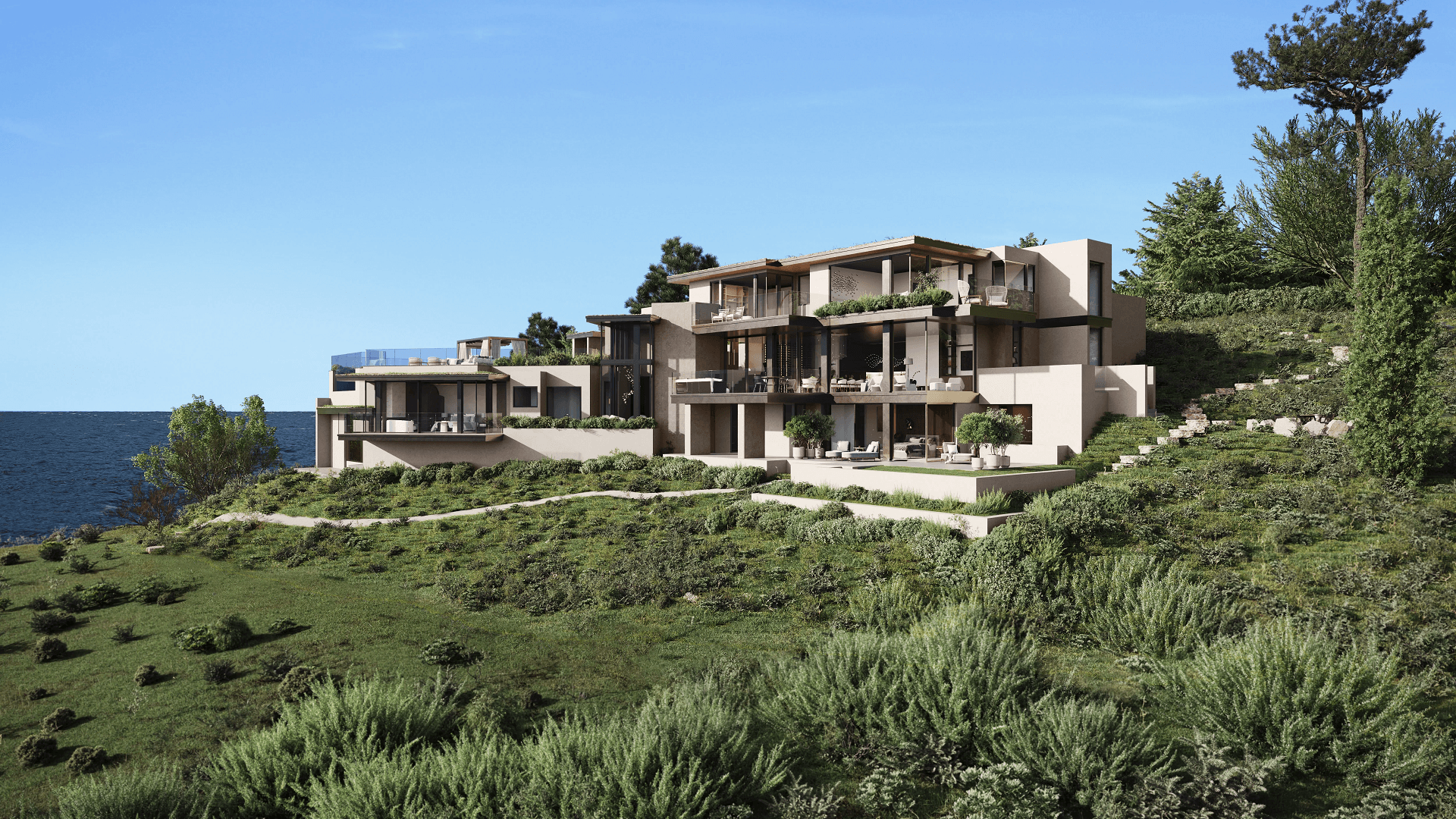
A transparent and flexible pricing model is a key indicator of a reliable 3D rendering and modeling partner. Professional companies typically offer one of two main pricing structures: fixed rates or hourly pricing. Fixed rates are ideal for clearly defined projects with specific deliverables, while hourly pricing works best for more flexible, evolving tasks.
At ArchiCGI, we offer both models depending on the client’s needs. Some follow the standard, linear CGI workflow. Customers provide clear requirements, artists create drafts, and after a set number of revisions, final renders are delivered. This method works well for a straightforward project. On the other hand, agile workflow with hourly pricing allows for ongoing client input if the work is more complex and unpredictable.
Want to learn how much your project costs? See how we evaluate 3D rendering projects
A reputable studio should make pricing easy to evaluate before anyone signs a contract. A detailed price list or a demo presentation gives both sides a chance to check whether the scope, quality, and budget actually line up. We offer both, so there’s no guesswork involved.
Turnaround time is the other variable that can quietly wreck a partnership. A studio might produce great work but take three weeks to deliver it. That’s useless if your client meeting is in ten days. At ArchiCGI, architectural modeling and rendering tasks average about a week; interior design renderings typically land in 48 to 64 hours. Compare those numbers (and the revision policy that comes with them) against your own deadlines before committing.
#3.2 Workflow and Project Management
A structured workflow and effective project management are essential for a smooth 3D rendering and modeling partnership. Without a well-structured system in place, miscommunications, delays, and quality issues can arise. That’s why professional studios invest in robust management tools to ensure efficiency and transparency. At ArchiCGI, we use a custom-built CRM for 3D project management that streamlines communication, organizes tasks, and allows customers to track progress in real time.
Another critical factor is a company’s ability to manage revisions and meet deadlines. We, for instance, offer an “on-time or for free” guarantee, ensuring that clients receive their deliverables exactly when promised. To activate this guarantee, all you need to do is send us a comprehensive brief and stay actively involved throughout the project.
Quality control is equally important. A professional studio should have a structured review process in place to maintain consistency and high standards. We implement a double-check quality control system, where both a PM and a team lead review each deliverable before it is submitted to the customer. This helps eliminate errors and ensures that every render meets the highest standards of accuracy and realism.
#3.3 Reputation and Client Testimonials
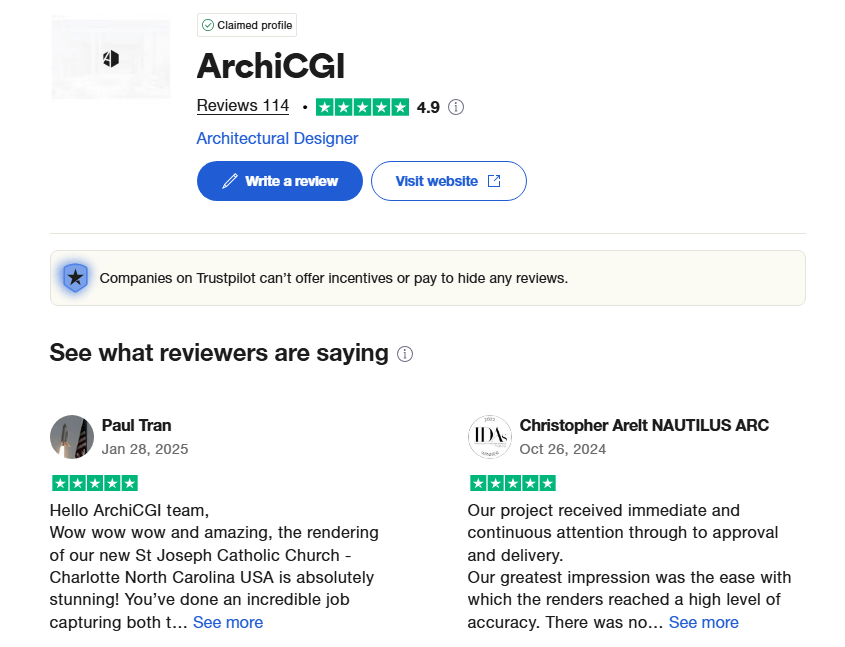
A studio’s reputation tells you more than its portfolio does. Portfolios are curated: reviews and case studies aren’t (or at least, the honest ones aren’t). Before committing, look at what past clients actually say about the experience: communication, revision handling, how problems were dealt with when they came up. References from clients in your specific niche carry more weight than generic five-star ratings.
One signal worth paying attention to is repeat business. A client who comes back for a second or third commission didn’t do that because the studio’s website looked nice. They came back because the work was delivered on time, at the quality promised, without the kind of friction that makes you start shopping around again. At ArchiCGI, a significant share of our work comes from returning clients, and we offer discounts for regulars, because keeping a good partnership going benefits both sides.
#3.4 Legal and Contractual Considerations

When establishing a 3D rendering and modeling partnership, it’s vital to be clear on the legal matters. One key aspect is ownership rights. Customers should have a full understanding of how the final renders can be used and whether any licensing restrictions apply. Another is confidentiality. At ArchiCGI, we sign NDAs upon request, ensuring that all client data and all the details remain strictly confidential.
In general, a transparent contract is essential for a smooth collaboration. A well-structured agreement should outline pricing, turnaround times, revision policies, and any additional costs. This helps prevent disputes and ensures both parties are on the same page.
#4. Future-Proofing Your Partnership
Starting a 3D rendering partnership isn’t just about meeting immediate needs. It’s also about ensuring long-term success. As your business grows and project demands evolve, your archviz provider should be able to scale alongside you.
#4.1 Scalability and Adaptability

A professional 3D company should be able to handle projects of any size, from single visualizations to large-scale architectural developments. At ArchiCGI, we ensure seamless scalability with a team of 600+ artists. This allows us to take on projects of 3D rendering for real estate agents without delays or quality compromises.
Beyond scalability, adaptability is key. Architectural styles, rendering techniques, and customer preferences evolve over time. So a strong 3D partner must be proficient in a wide range of visualization styles and techniques.
#4.2 Innovation and Emerging Technologies
The archviz industry constantly changes, and a good partnership requires your contractor to keep up with the advancements. A future-proof 3D rendering partner should actively adopt cutting-edge innovations such as AI-powered rendering, real-time visualization, and immersive VR/AR solutions, such as 3D virtual tours.
At ArchiCGI, for example, we actively use Stable Diffusion, an AI-powered tool that speeds up rendering processes while maintaining photorealistic detail. For real-time collaboration and interactive presentations, we implement Pixel Streaming : a powerful real-time visualization tool. It allows our clients to explore and customize high-quality 3D scenes remotely without requiring high-end hardware.
Beyond adopting new tools, a strong 3D partner must continuously monitor industry trends to anticipate future needs. This proactive approach guarantees a successful long-term 3D rendering and modeling partnership that remains relevant and effective as industry demands evolve.
Schedule a free demo of 3D solutions for your business
High-quality visuals, as well as transparent pricing, strong project management, smooth collaboration, and adaptability are all signs you’ve established a trustworthy and potentially long-lasting 3D rendering and modeling partnership. Finding your perfect studio might take some time, but the results will be worth it. And with this guide, you’ll be able to do it quickly and with minimum effort.
Looking for 3D services that combine top-tier quality, reliability, and innovation? Get in touch with ArchiCGI to experience seamless collaboration, fast turnarounds, and cutting-edge visualization solutions! Before you commit to a vendor, see our chapter on choosing a 3D rendering studio. Related reading: five reasons to take a design business online and an architect’s experience with a 3D visualization company.
Frequently Asked Questions

Stacey Mur
Content Writer, Copywriter
Stacey is a content writer and a CG artist. Outside of work, Stacey enjoys musicals, Star Wars, and art talk. A proud Corgi parent.