
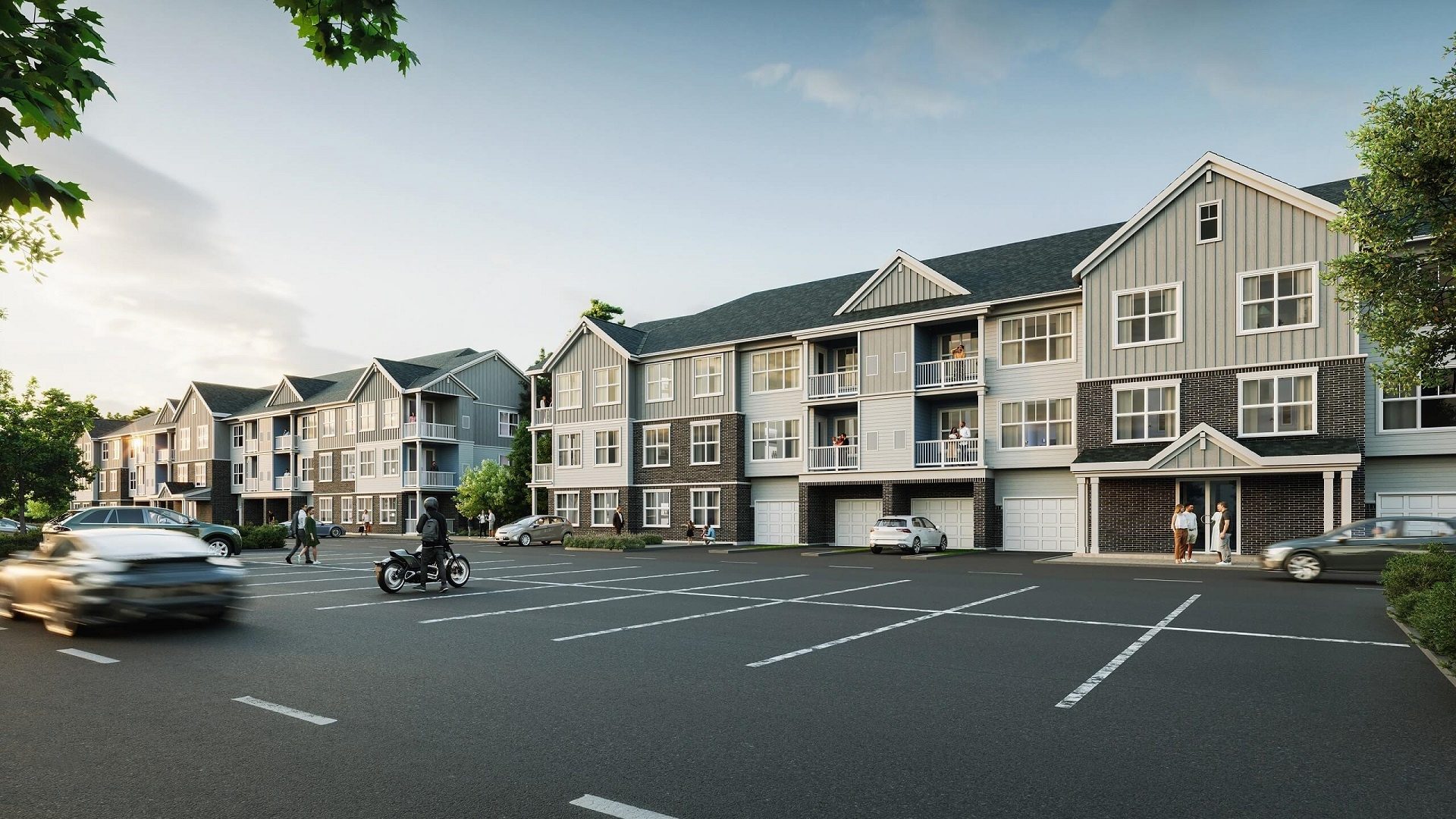
We get this question a lot from architects and developers, usually right after the second or third project with us: wouldn’t it be cheaper to just hire someone? Fair question. So we did the math with real numbers instead of the usual pros and cons: what a full-time 3D artist actually costs a US company per year, how many images one person can realistically deliver, and at what volume an in-house hire starts to pay off.
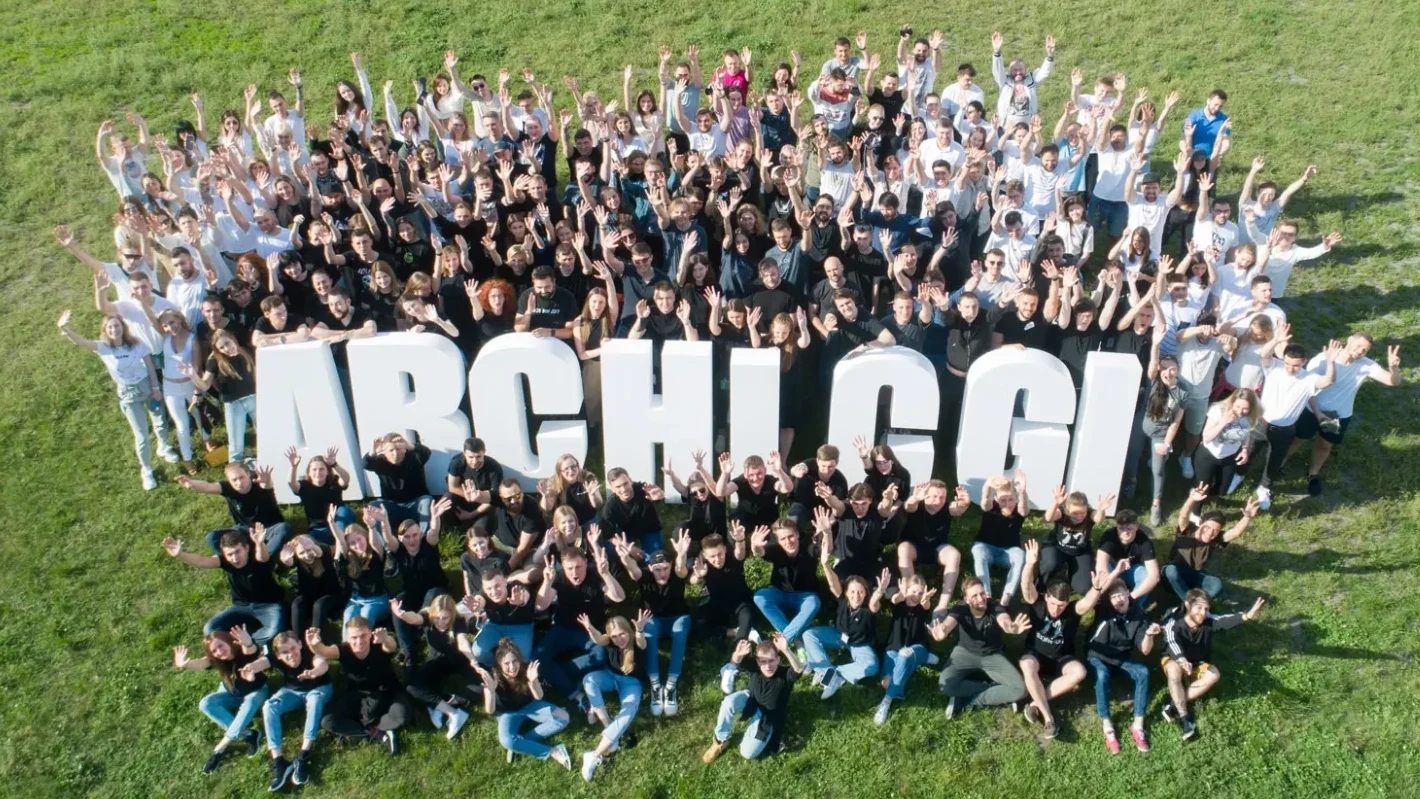
The salary and benefit figures come from the US Bureau of Labor Statistics, tax rates from the IRS, and software prices from Autodesk. The production figures come from our own work at ArchiCGI, where 600+ artists deliver architectural rendering services on 8,000+ projects a year. Every source is listed at the end.
If you only read one paragraph: count on roughly $151,000 a year for a full-time 3D artist, and that’s before you buy them a computer. At the $600 to $900 a studio typically charges per exterior view, the same money buys 170 to 250 finished images. One artist can produce roughly 115 simple exteriors or up to 230 simple interiors in a normal working year. So for most architecture firms, builders and developers, outsourcing is cheaper. In-house only wins at high, steady volume, or when you’d otherwise pay premium prices of $2,000 and more per image.
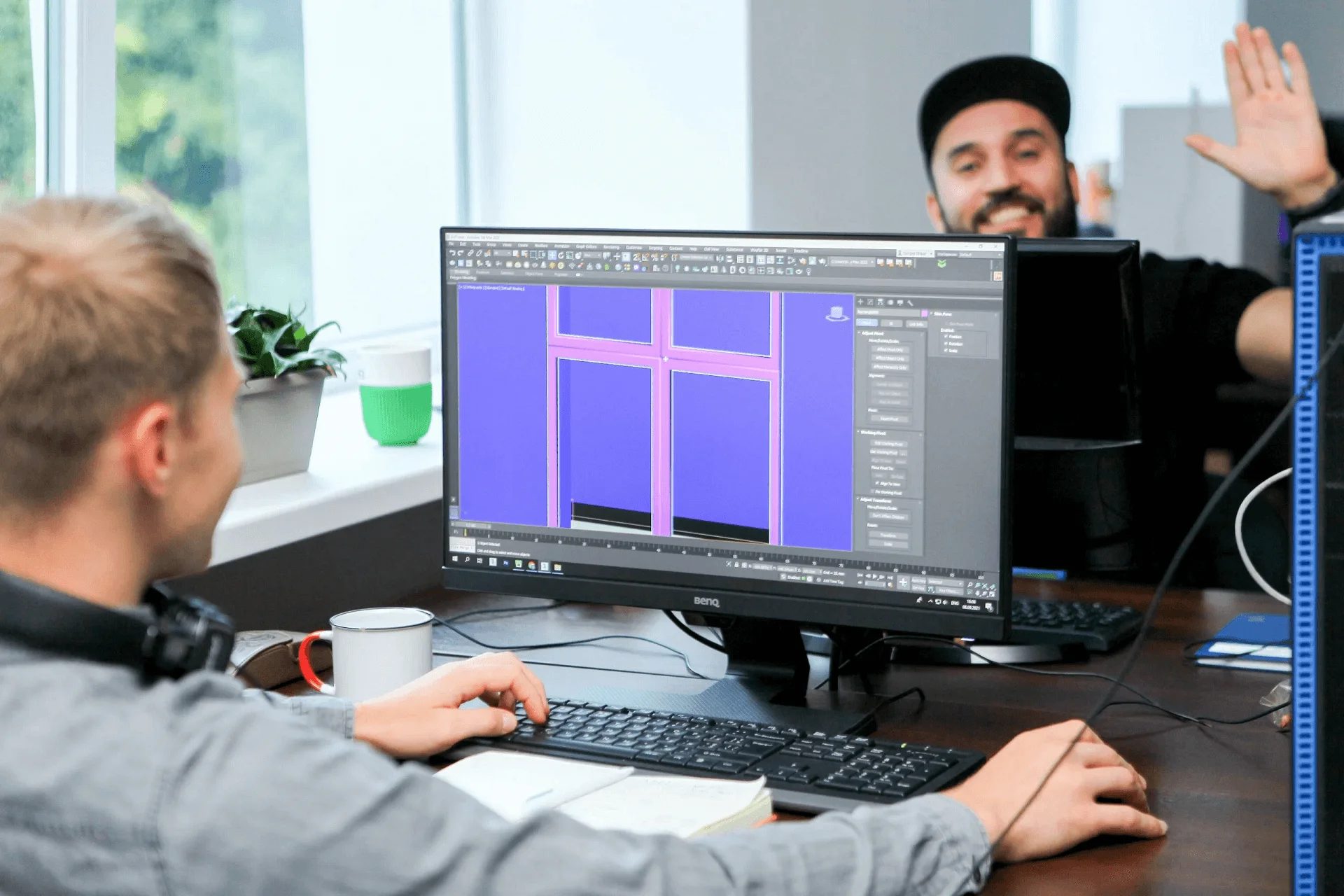
How much does an in-house 3D artist cost per year?
There’s no “architectural visualizer” line in government wage data. The nearest thing the BLS has is Special Effects Artists and Animators, which is where people who make 3D computer imagery end up. Median pay there hit $102,030 in May 2025.
Then comes everything on top of the paycheck. Paid leave, health insurance, retirement, plus the taxes every employer pays (6.2% for Social Security, 1.45% for Medicare). The BLS measures all of it in its Employer Costs for Employee Compensation survey, and for professional and technical firms benefits came to 31.6% of total pay at the end of 2025. Put simply, a $100,000 salary really costs you about $146,000.
| Artist pay level (BLS) | Salary | Salary + benefits | + 3ds Max license |
|---|---|---|---|
| Lower range (25th percentile) | $75,490 | $110,366 | $112,376 |
| Median | $102,030 | $149,167 | $151,177 |
| Upper range (75th percentile) | $139,130 | $203,406 | $205,416 |
Salary: BLS OEWS, May 2025. Benefits: BLS ECEC, December 2025 (salary divided by 0.684). 3ds Max: $2,010 per year, Autodesk annual subscription.
And that’s still a floor, not the full cost. The table leaves out things we couldn’t price reliably for every company:
- a render engine (V-Ray, Corona or similar) and Photoshop;
- a workstation with a strong GPU, replaced every few years;
- render farm time for animations;
- recruiting, onboarding and the months before a new hire works at full speed;
- the time a manager or architect spends checking the work;
- a desk, office space, electricity and internet for one more person.
Some firms try to save by giving renders to an architectural drafter. Drafters earn less (the BLS median for architectural and civil drafters is $66,150), but producing marketing-grade CGI is a different skill set. You usually get technically correct images that don’t sell anything.
How many renderings can one artist produce in a year?
This is the part most cost comparisons skip, and it decides the whole question. A salary only pays off if the artist has enough work, and can physically finish it.
From our production data, a simple interior takes one to two days, a complex interior about five days, and a simple exterior about two days. That includes the review rounds a client normally asks for. Take out weekends, holidays and two or three weeks of vacation, and you’re left with about 230 days of actual work a year.
| Type of image | Time per project | Realistic output per year |
|---|---|---|
| Simple interior | 1 to 2 days | 115 to 230 |
| Complex interior | about 5 days | about 46 |
| Simple exterior | about 2 days | about 115 |
Source: ArchiCGI production data. Extra camera angles of an already built scene aren’t counted as separate projects.
Say someone worked 365 days straight, weekends included, no time off. You’d get about 365 simple interiors or 180 simple exteriors out of them. Nobody works like that for long. And the mix matters: one animation or a batch of aerials can take a week or more, which pushes everything else back.
Architectural animation is where a single hire struggles most. Depending on the length and the deadline, a studio may put one artist on a flythrough or split it between several people to deliver faster. An in-house artist doesn’t have that option.
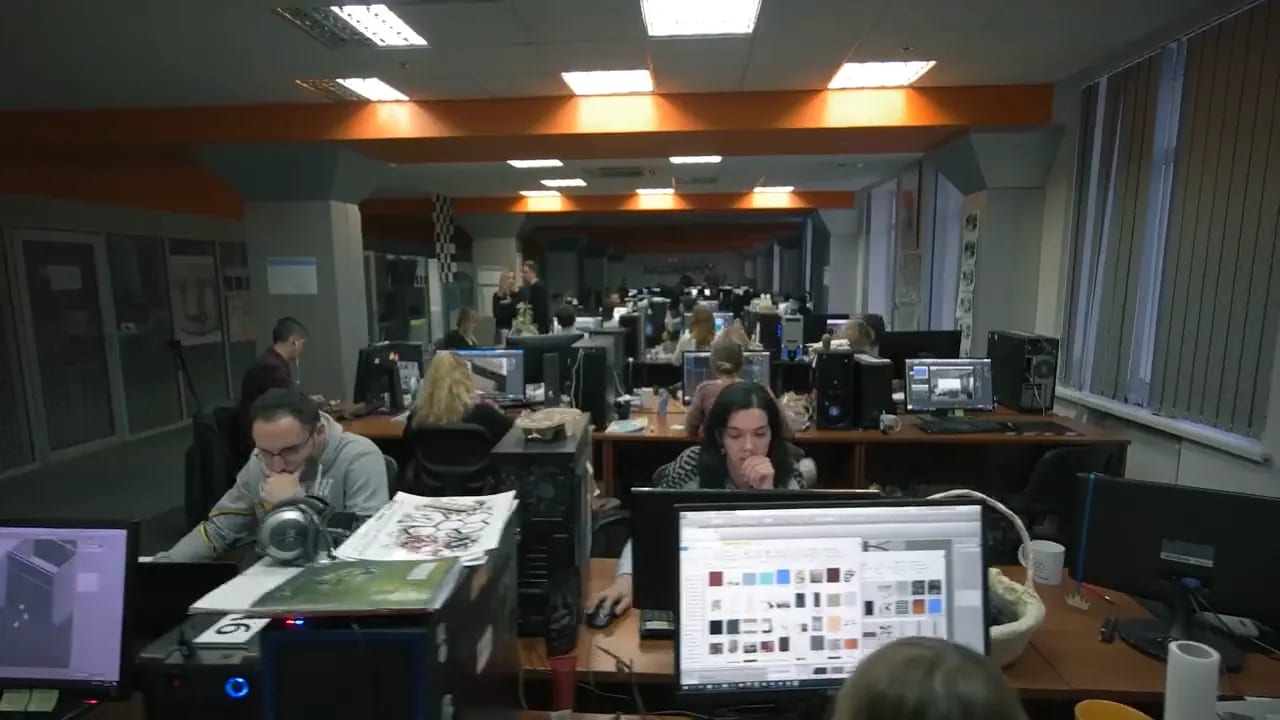
What does outsourcing cost?
Prices across the market vary a lot. Published price lists from US and offshore studios range from under $200 for a simple image to $3,000 and more for large commercial scenes and aerials. The low end usually means template-style work with little custom modeling.
Here’s what ArchiCGI charges, for comparison. Every image price includes three review rounds, and the standard delivery is three days.
| Type of rendering | ArchiCGI price |
|---|---|
| Residential exterior | from $600 per image |
| Commercial exterior | from $900 per image |
| Aerial or urban-scale view | from $1,200 per image |
| Residential interior | from $300 per image |
| Commercial interior | from $400 per image |
| 360 virtual tour | $1,600 to $4,000 per project |
| Architectural animation | from $3,600 per project |
Source: 3D rendering cost guide. Extra views of the same scene are discounted.
There’s a cost on the outsourcing side too: someone has to write the brief, gather drawings and give feedback. With a clear brief and a single point of contact, that’s usually a few hours per project. Our 10-step guide to outsourcing 3D rendering covers how to keep it short, and if you’re still comparing studios, here’s how to choose a 3D rendering studio without regrets.
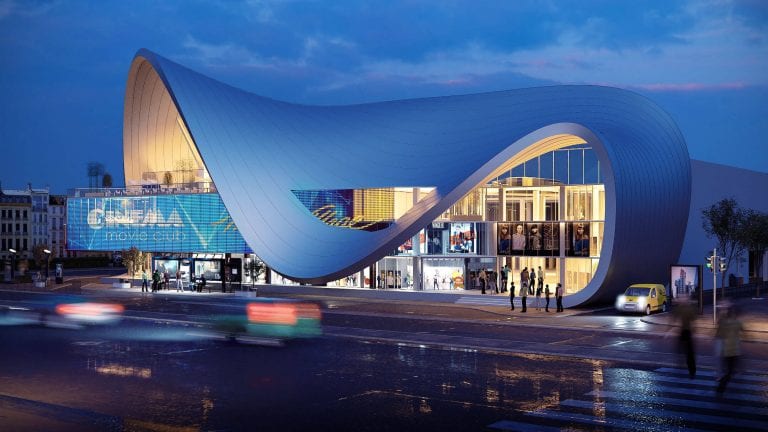
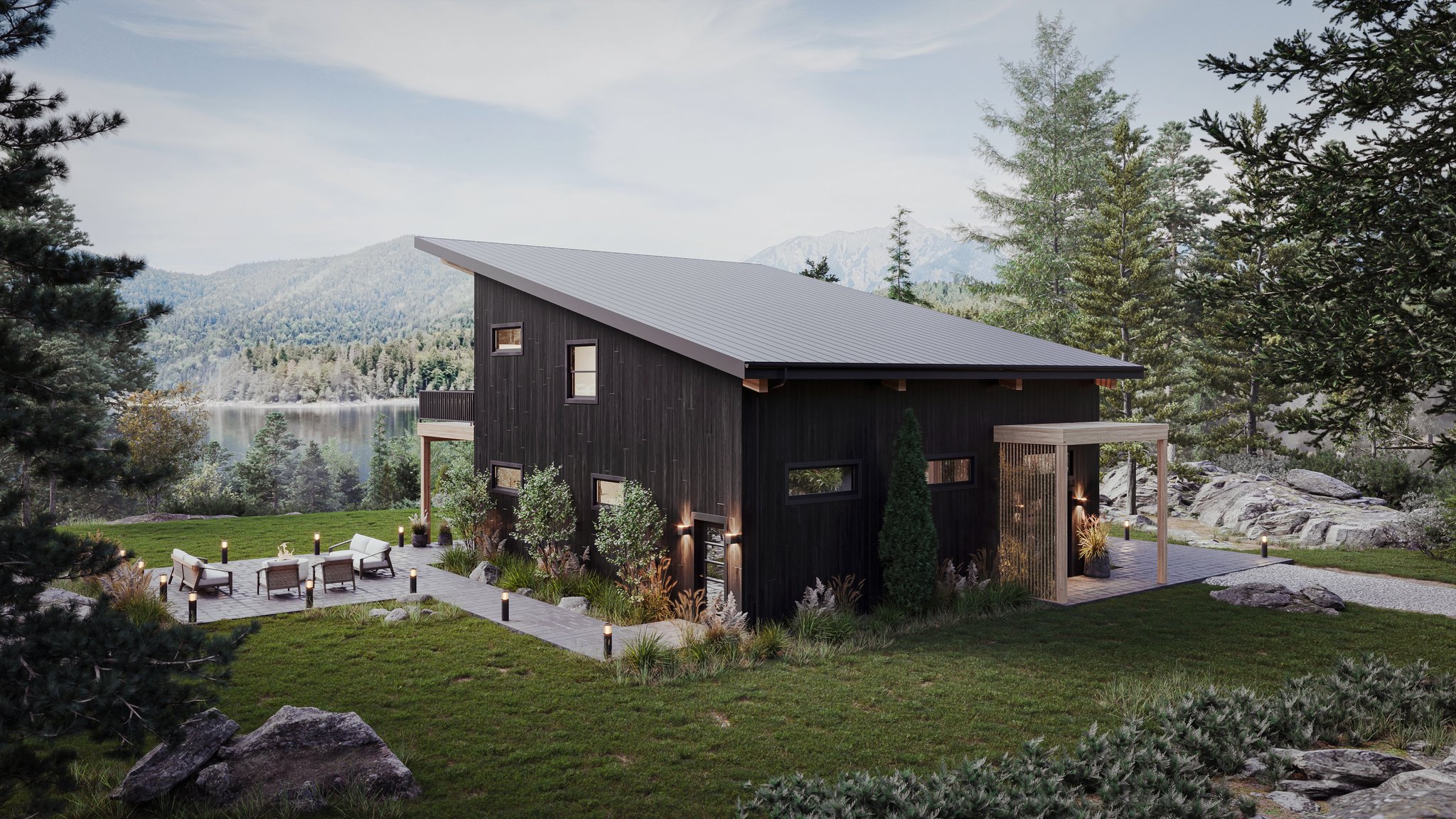
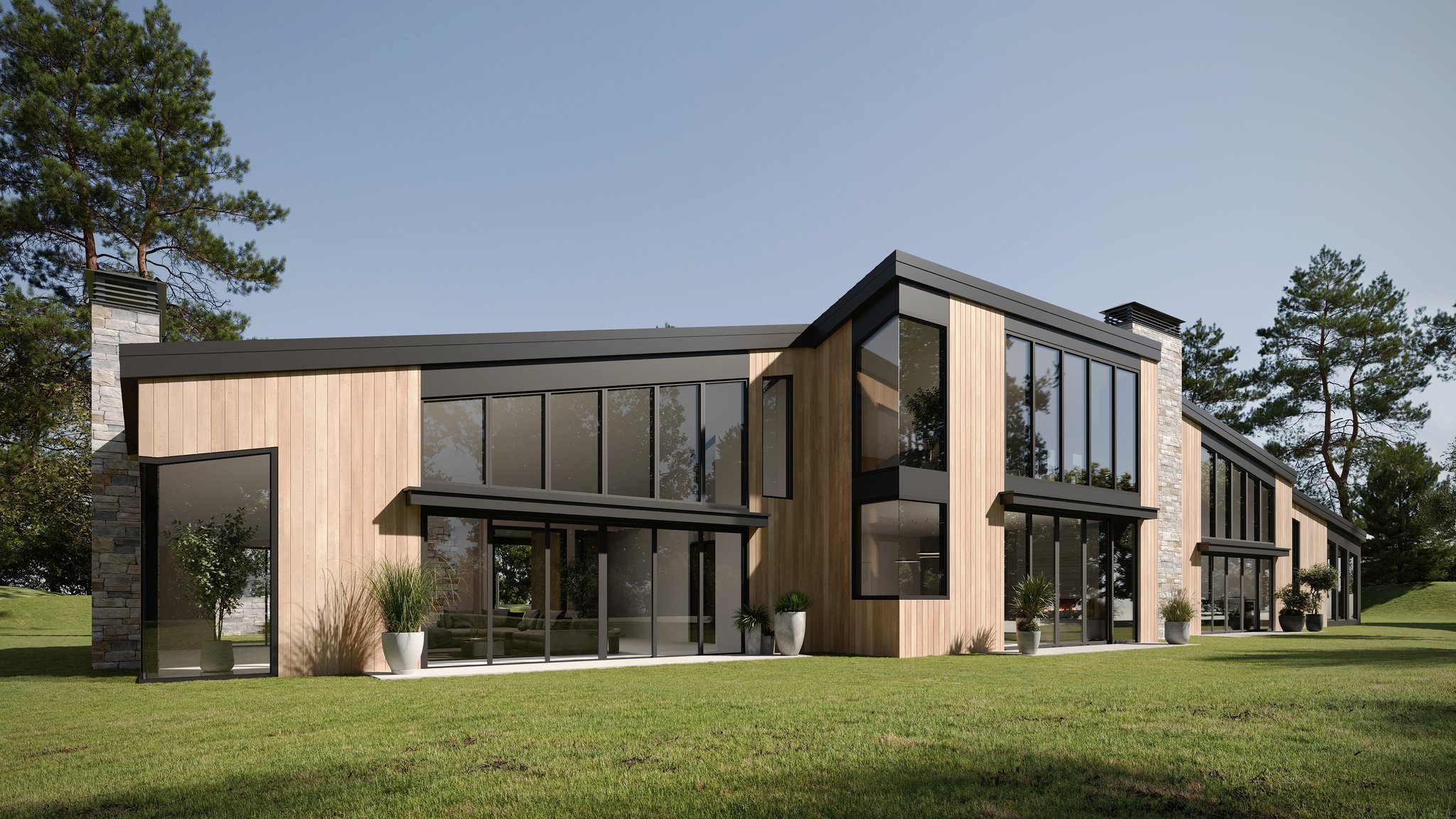
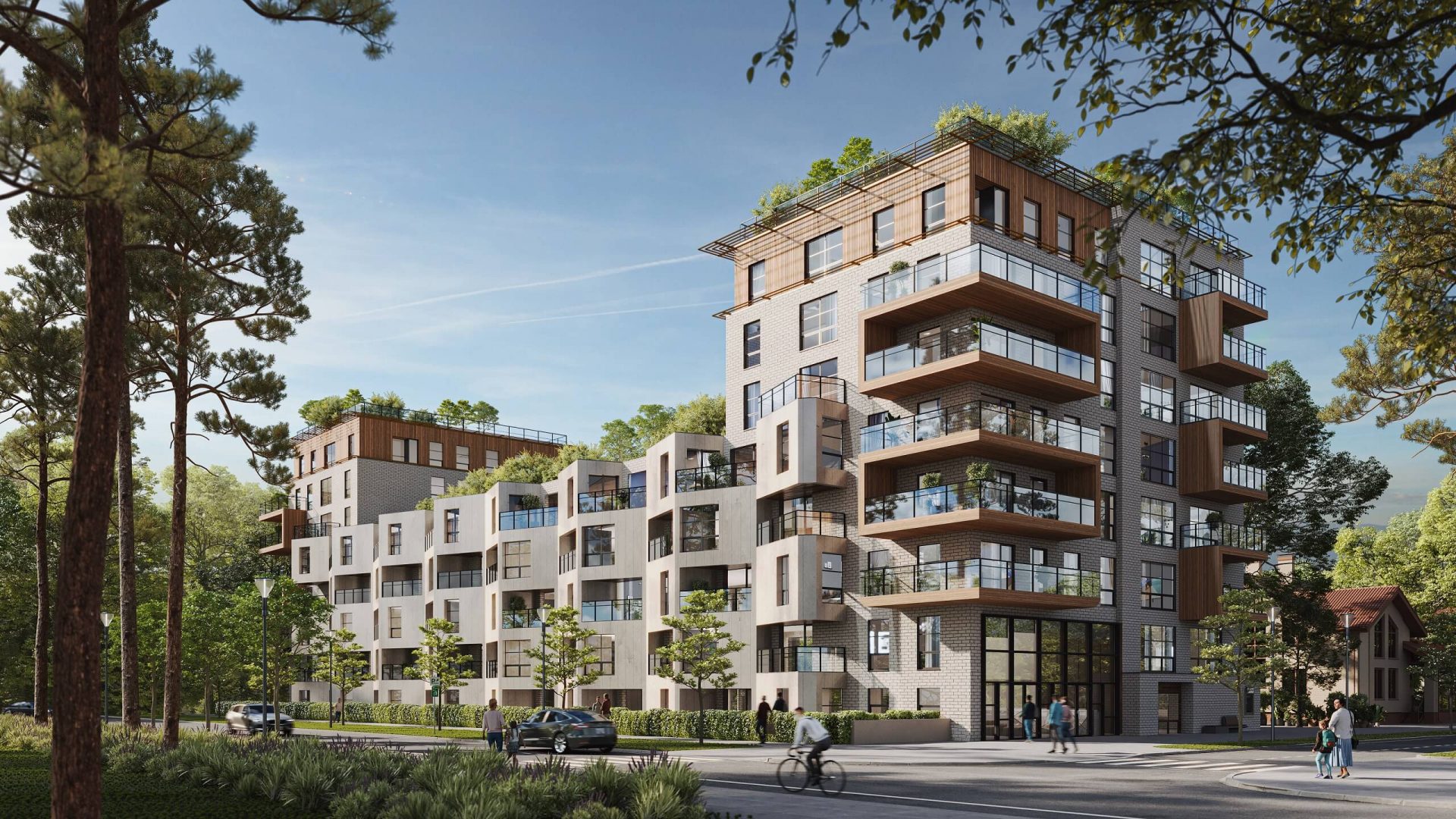
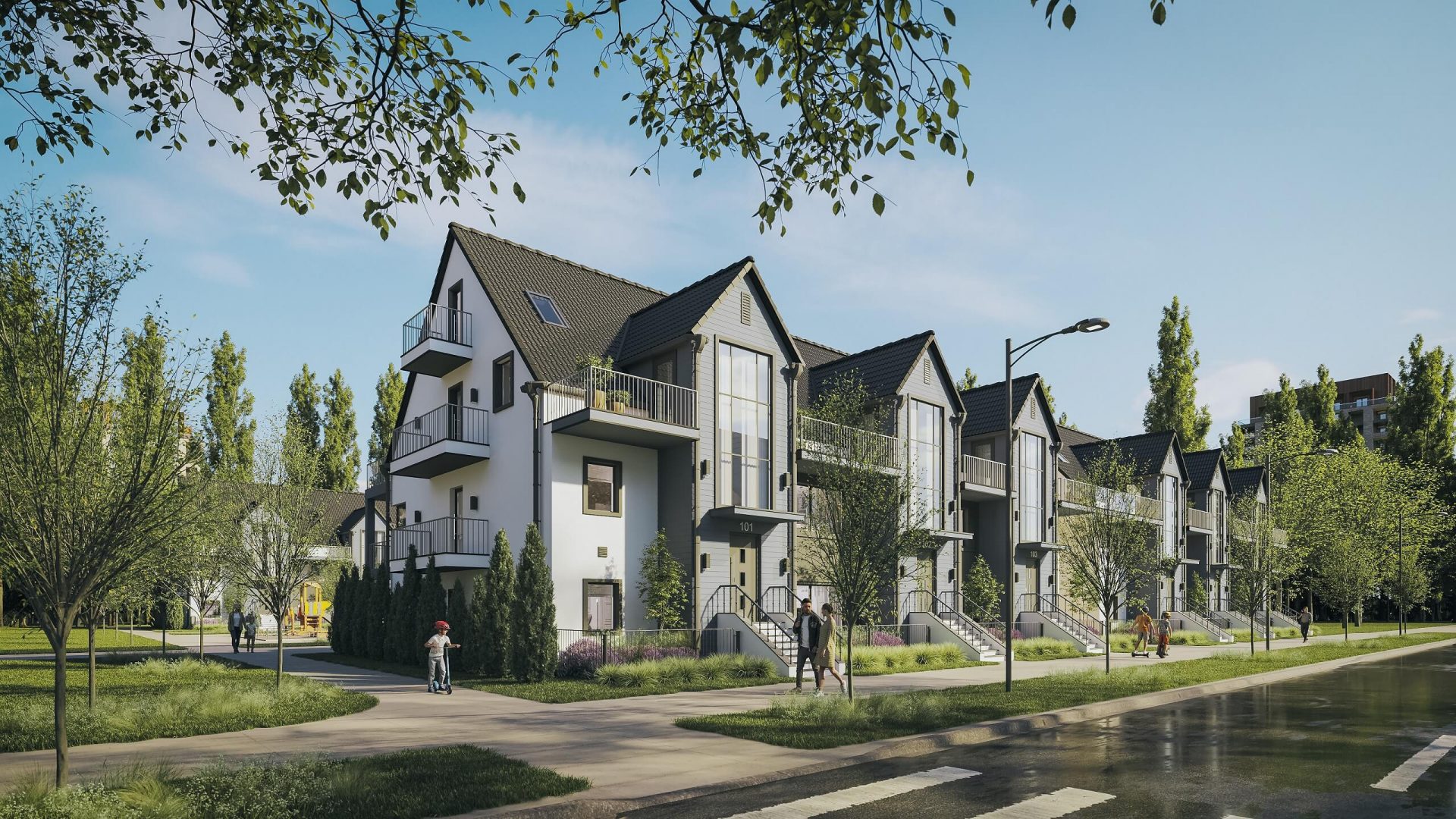
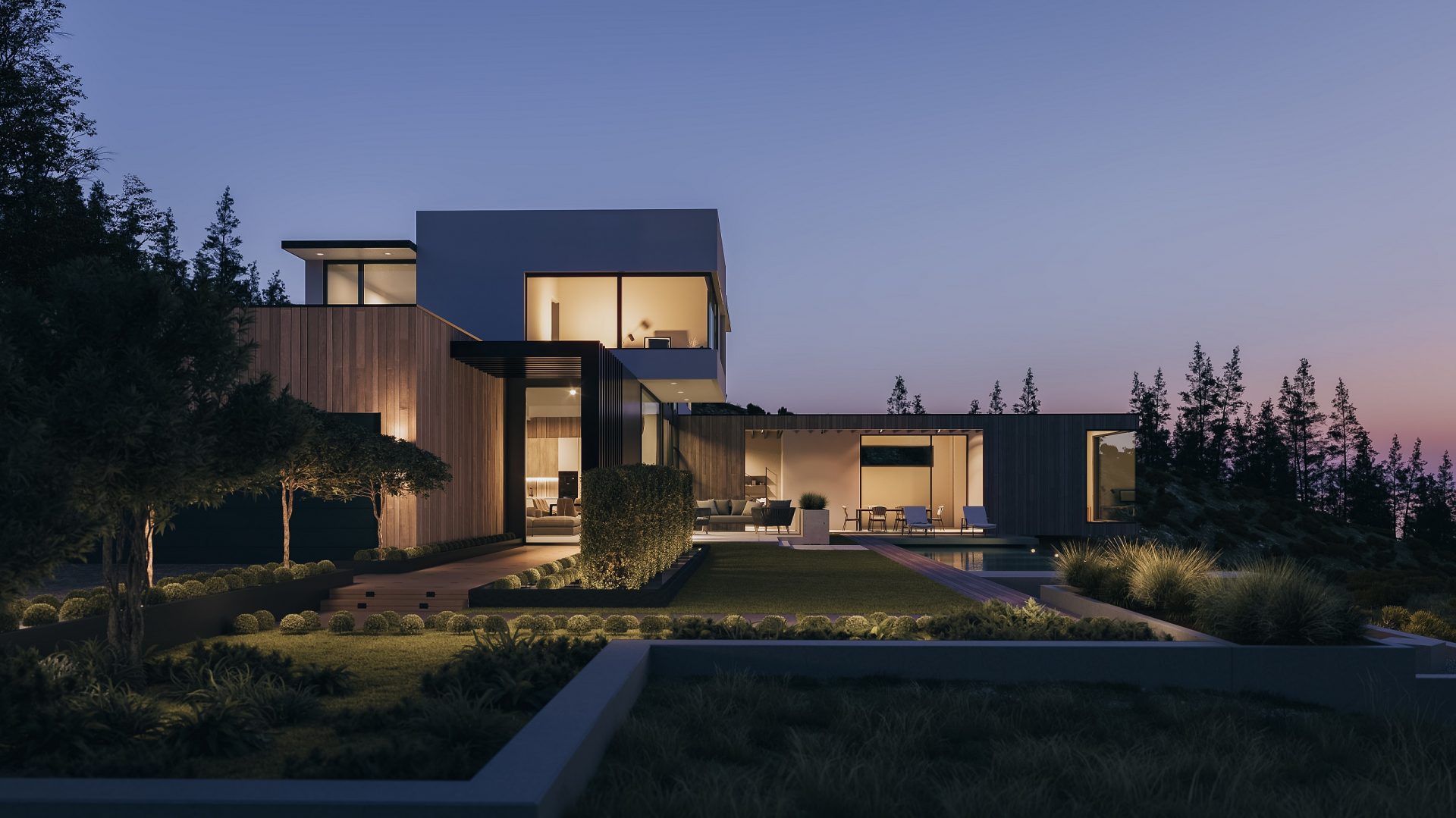
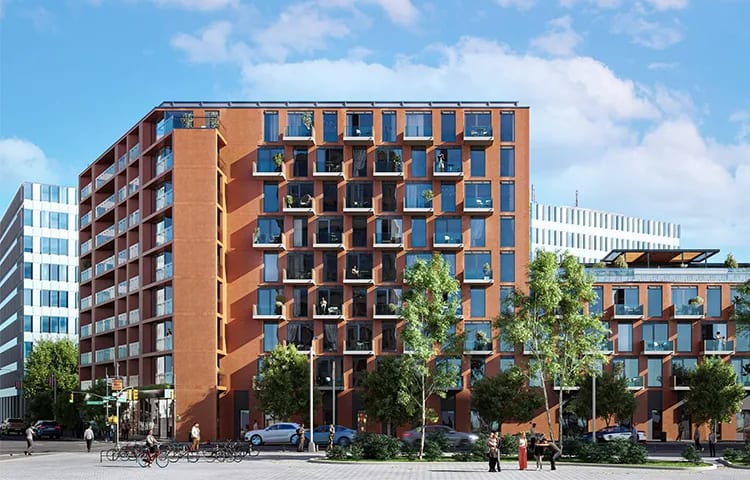
Here’s what a $600 to $900 exterior looks like in practice. These are a few projects from our portfolio of 3D exterior rendering services.
At what volume does an in-house artist pay off?
Divide the yearly cost of an artist by the price you’d pay a studio per image. The result is the number of images you’d need to order each year before hiring becomes cheaper.
| Price per image | Break-even, median-paid artist ($151,177) | Break-even, lower-paid artist ($112,376) |
|---|---|---|
| $300 (residential interior) | 504 images a year | 375 images a year |
| $400 (commercial interior) | 378 | 281 |
| $600 (residential exterior) | 252 | 187 |
| $900 (commercial exterior) | 168 | 125 |
| $1,200 (aerial view) | 126 | 94 |
| $3,000 (premium studio) | 51 | 38 |
Now compare those numbers with what one person can produce. A residential exterior breaks even at 187 to 252 images a year, but one artist delivers about 115. Interiors are further off: even the cheapest ones need 375 to 504 a year, and the ceiling for simple rooms is about 230. Aerials come closest at 94 to 126, but they take a lot longer than a simple exterior, so one person rarely gets there either. So at typical studio prices, one hire doesn’t pay for itself: they simply can’t make enough images. You’d need a second artist, and the cost doubles with them.
The picture changes only when you compare against premium pricing. If your current studio charges $2,000 to $3,000 per image and you order 50+ images a year, an in-house artist can come out cheaper, as long as you keep them busy all year.
These break-even numbers are conservative. They leave out hardware, the render engine and hiring costs, all of which push the in-house total up.
Guide stakeholder decisions with impactful CGI
Three typical scenarios
Here’s how the math works for three kinds of companies we work with. Outsourcing costs use ArchiCGI’s starting prices before extra-view discounts, so real invoices tend to be lower.
A small architecture firm with about 24 images a year. Think a dozen house exteriors and a dozen rooms. Sent to a studio, that’s around $10,800 for the year (12 × $600 plus 12 × $300). Hiring even a junior artist would start at about $112,000, and they’d have nothing to do for most of the year. No contest here.
A mid-size firm or home builder with 120 images, 10 aerials and a one-minute animation. Split the stills evenly and the studio bill comes to $69,600: $36,000 for exteriors, $18,000 for interiors, $12,000 for aerials, $3,600 for the animation. Could one person handle it? The 60 exteriors alone eat up around 120 working days. The interiors need another 60 to 120, and the aerials and animation still aren’t started. Realistically you’d hire two people, which puts you somewhere between $225,000 and $300,000.
A developer’s marketing team ordering 400 images and six animations. We’ll assume half are multifamily exteriors at $900 and half are amenity interiors at $400. With six flythroughs at $3,600, the outsourced total lands at $281,600, and extra views of the same buildings bring it down further. Producing all of that in-house takes three or four full-time artists (the exteriors alone are roughly 400 days of work), so expect $450,000 to $600,000 a year in salaries and benefits. Someone also has to manage that team.
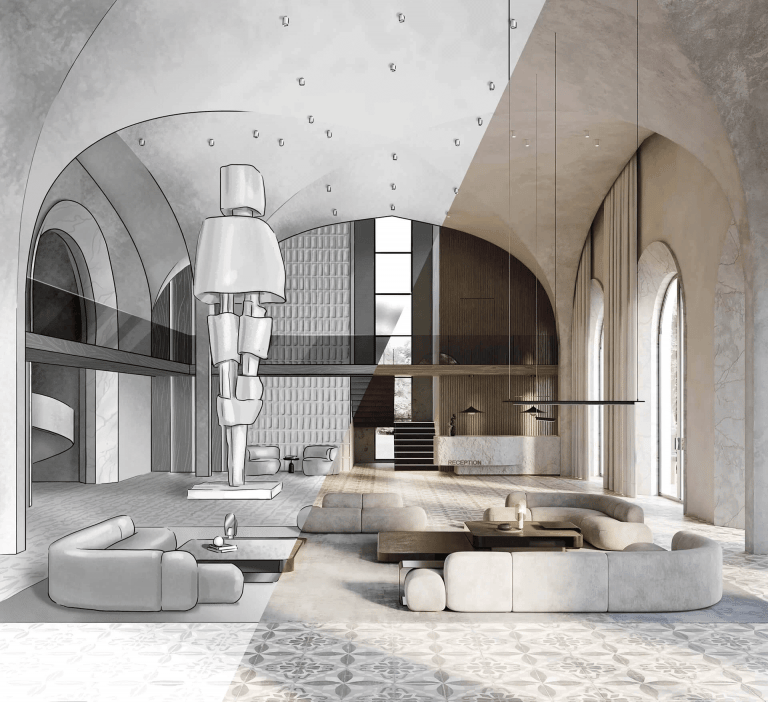
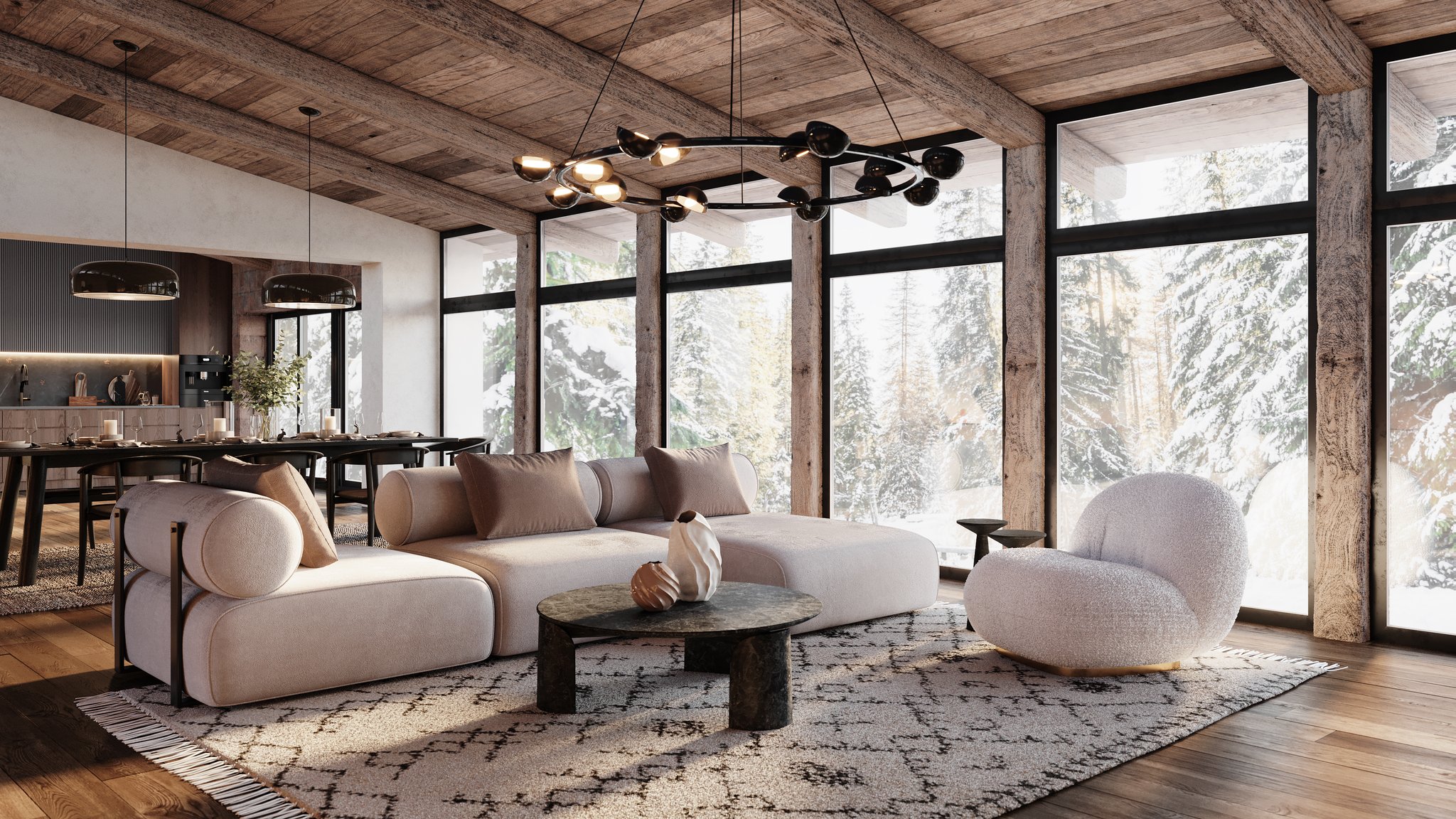
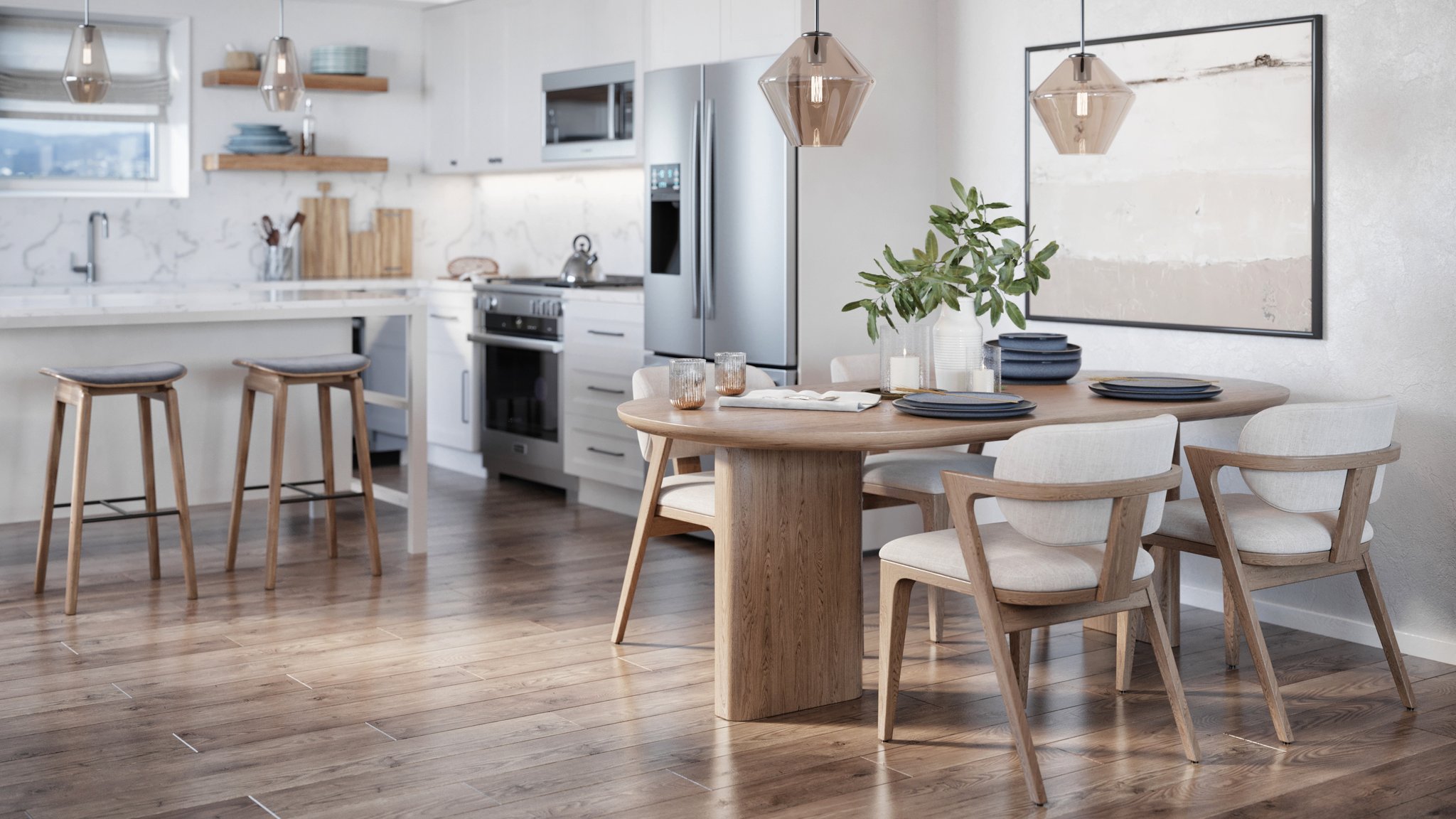
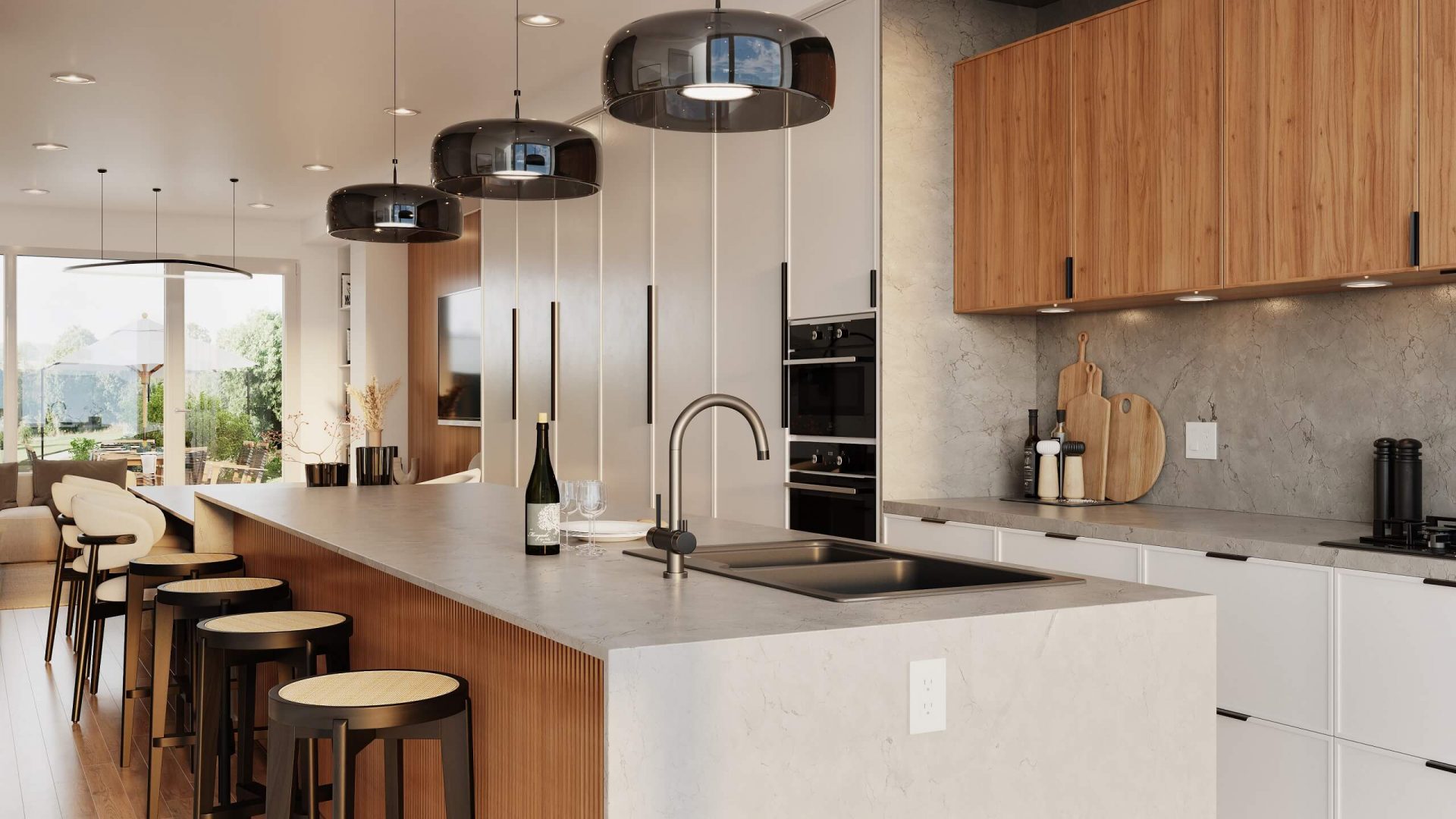
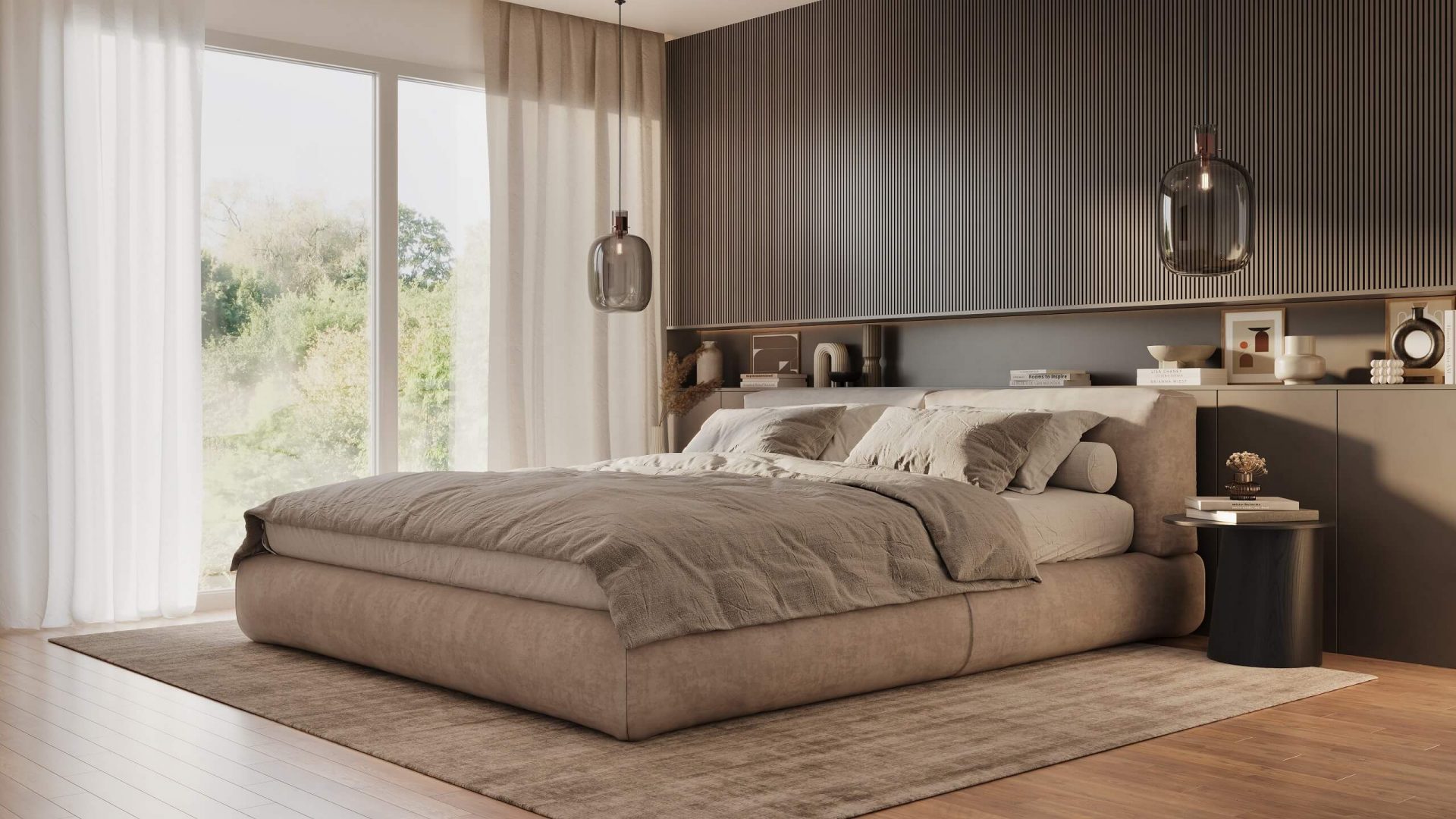
Interiors follow the same logic. Here are a few rooms from projects our team delivered as 3D interior visualization services.
When does an in-house artist make sense?
Hiring can still be the right call. It usually is when:
- you produce a steady, high volume of images every month, not in waves around project launches;
- your alternative is a premium studio at $2,000+ per image;
- designers need quick, rough visuals during design development, several times a week (real-time tools like Enscape or D5 work well for this);
- you want to walk over to the artist’s desk and see progress any time, without a call or a message;
- the projects are under strict confidentiality rules that don’t allow sharing files outside the company.
Many firms end up with a mix. An in-house designer handles quick design studies, and marketing images, animations and aerials go to a studio when a launch comes up. That way nobody sits idle between projects, and there’s extra capacity when three deadlines land in the same week. If you’re new to the process, our guide to architectural rendering walks through how a project goes from drawings to final images.
What a studio gives you besides the price
The math above only counts money. A few things a good studio brings don’t fit in a spreadsheet, but they’re the reason many firms keep outsourcing even when they could afford a hire.
- You pay for finished images only. No salary during quiet months, no one waiting for the next project.
- Ready 3D models. We work from a library of 70k+ 3D models, so furniture, plants, cars and people don’t have to be built from scratch. A solo artist usually starts every scene much closer to zero.
- Several projects at once. Two launches in the same week aren’t a problem when a studio can assign a separate team to each.
- One place for files and feedback. At ArchiCGI every project runs through our Archivizer platform with a personal manager, so drawings, comments and versions don’t get lost in email threads or on someone’s hard drive.
- Work while you sleep. With a studio in a different time zone, you can send comments in the evening and have an updated render by the morning.
- Confidentiality on paper. Any serious studio signs an NDA before you share drawings. If one refuses, that’s a good reason to look elsewhere.
Costs that don’t show up in the salary
We couldn’t put a dollar figure on these, but anyone who has managed visualization work knows them.
Your own artist goes on vacation, gets sick, needs a new GPU every few years and a course when the software changes. When three projects need images in the same week, one person becomes the bottleneck. And if they quit, you’re back to hiring and onboarding.
A studio needs a brief and your feedback, which takes some of your time. Time zones can slow the back-and-forth. The real risk is quality, because studios differ a lot. That’s why we always suggest starting with one small test project and seeing how revisions are handled before you commit to a big batch.
A simple way to check your own case: take everything your team visualized over the last 12 months and ask a studio to quote the same list. Compare that number with what one artist costs you per year. If you don’t have that list handy, start with our 3D rendering cost guide or send us your drawings for a quote. For more on when outside help makes sense, see five cases when you need a rendering studio.
Sources
- US Bureau of Labor Statistics, Occupational Outlook Handbook: Special Effects Artists and Animators, median pay May 2025. Percentiles: OEWS May 2025, SOC 27-1014.
- US Bureau of Labor Statistics, Occupational Outlook Handbook: Drafters, May 2025.
- US Bureau of Labor Statistics, Employer Costs for Employee Compensation, December 2025, Table 4, professional, scientific and technical services.
- Internal Revenue Service, Publication 15 (2026), Employer’s Tax Guide.
- Autodesk, 3ds Max subscription pricing, $2,010 per year, checked September 2026.
- ArchiCGI production data and prices.
How we calculated: total employer cost = salary ÷ 0.684 (the wage share of total compensation in the BLS ECEC survey) + $2,010 for a 3ds Max license. Break-even = total employer cost ÷ price per image, rounded up. Working year = about 230 days after weekends, public holidays and a standard vacation.
Showcase your architectural project with photorealistic CGI powered by modern AI-assisted workflows
FAQ

Daryna Romaniv
Senior Client Manager
Daryna is a Senior client manager at ArchiCGI. She can guide you through our workflow and quickly resolve any issue along the way. In her spare time, Daryna enjoys cooking, reading fantasy books, and watching “Friends”. She also loves traveling, especially to sunny Italy.