An architecture firm wins commissions when the right people know its name, and building that awareness is exactly what PR for architects and designers does. A portfolio and a website do their job once someone is already looking for you; PR brings your work to those seeing it for the first time. A working PR strategy carries your projects and ideas to audiences beyond your own channels: trade publications, social media, industry events. Each placement adds to your visibility, and that accumulated recognition is what earns you a spot on a client’s shortlist. We run a 3D rendering studio and work with hundreds of architects and designers, so we see daily which of their PR campaigns land and why. Below, we go through the obstacles typical for this field and practical ways to get past them.
Unique PR Needs of Architects and Designers
PR for architects and designers starts with the work itself: buildings, interiors, products, public spaces, or completed concepts. Broad claims rarely carry enough weight here. A strong PR strategy links every message to one real milestone, such as launch, completion, award, exhibition, or publication, then explains why that result matters.
The same project may need messaging for two groups:
- Clients and end users, who consider aesthetics, usability, budget, plus practical value
- Editors, peers, or industry experts, who assess originality, technical quality, alongside professional relevance
Those audiences do not respond to identical angles, so each PR effort should adjust emphasis without changing facts.
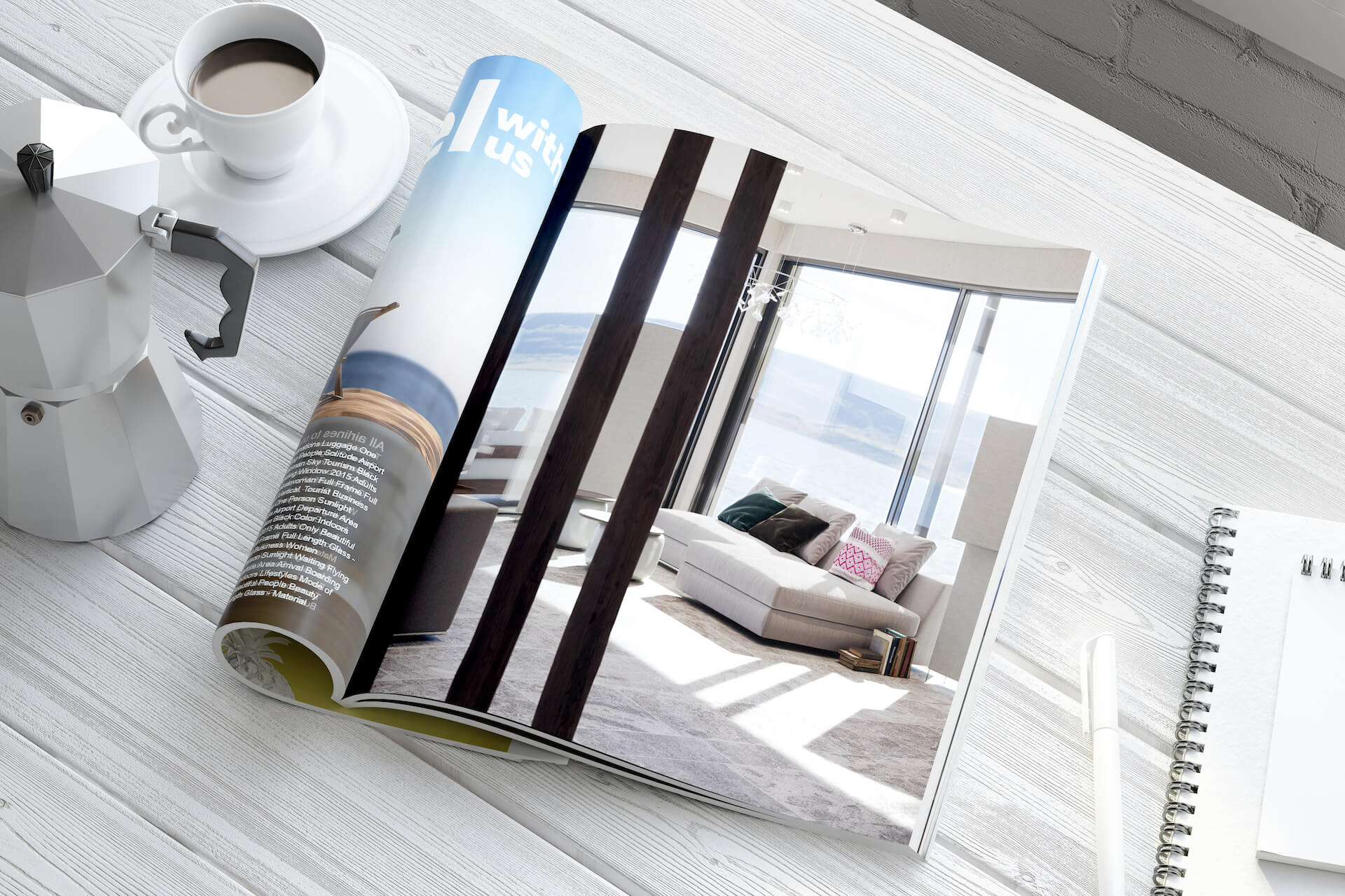
Collaboration forms another part of this story. Projects often involve developers, contractors, engineers, consultants, plus suppliers; communication should show how those relationships contributed to the outcome. It should also make innovation visible, whether the focus is sustainability, new materials, or better use of space.
Effective PR for architects and designers is therefore specific rather than generic. Trust grows when communication shows what was achieved, whom the result served, and why this work deserves attention.
So, what can help you meet these requirements? Let’s see.
Tip 1: Create Media-Worthy Stories
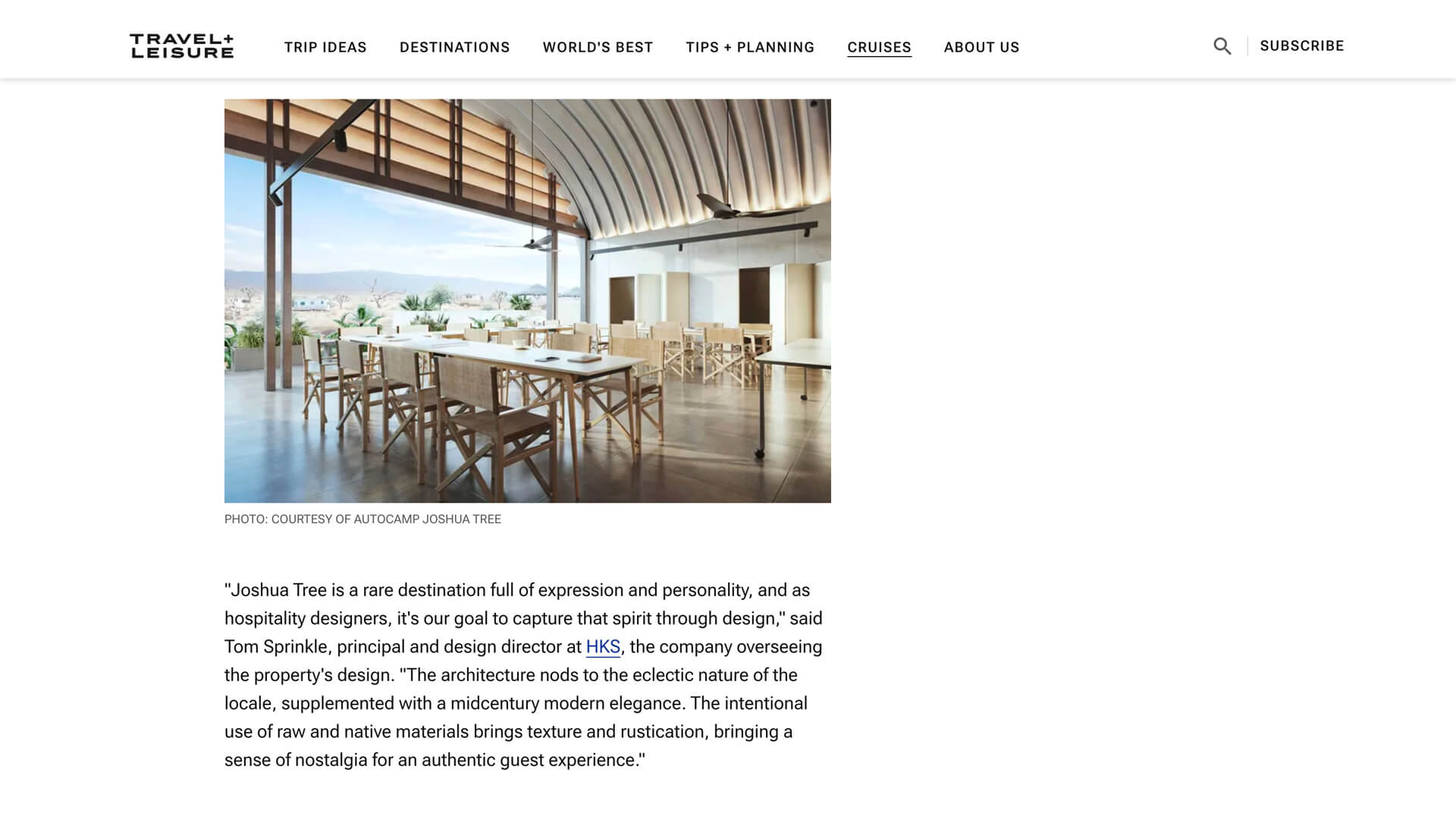
Our brains crave stories, which marketing and PR capitalize on. And PR for architects and designers is no exception. To make your projects interesting for industry publications and online platforms, focus on creating compelling narratives around your work. And it’s important to make these narratives resonate both emotionally and intellectually with your perfect clients.
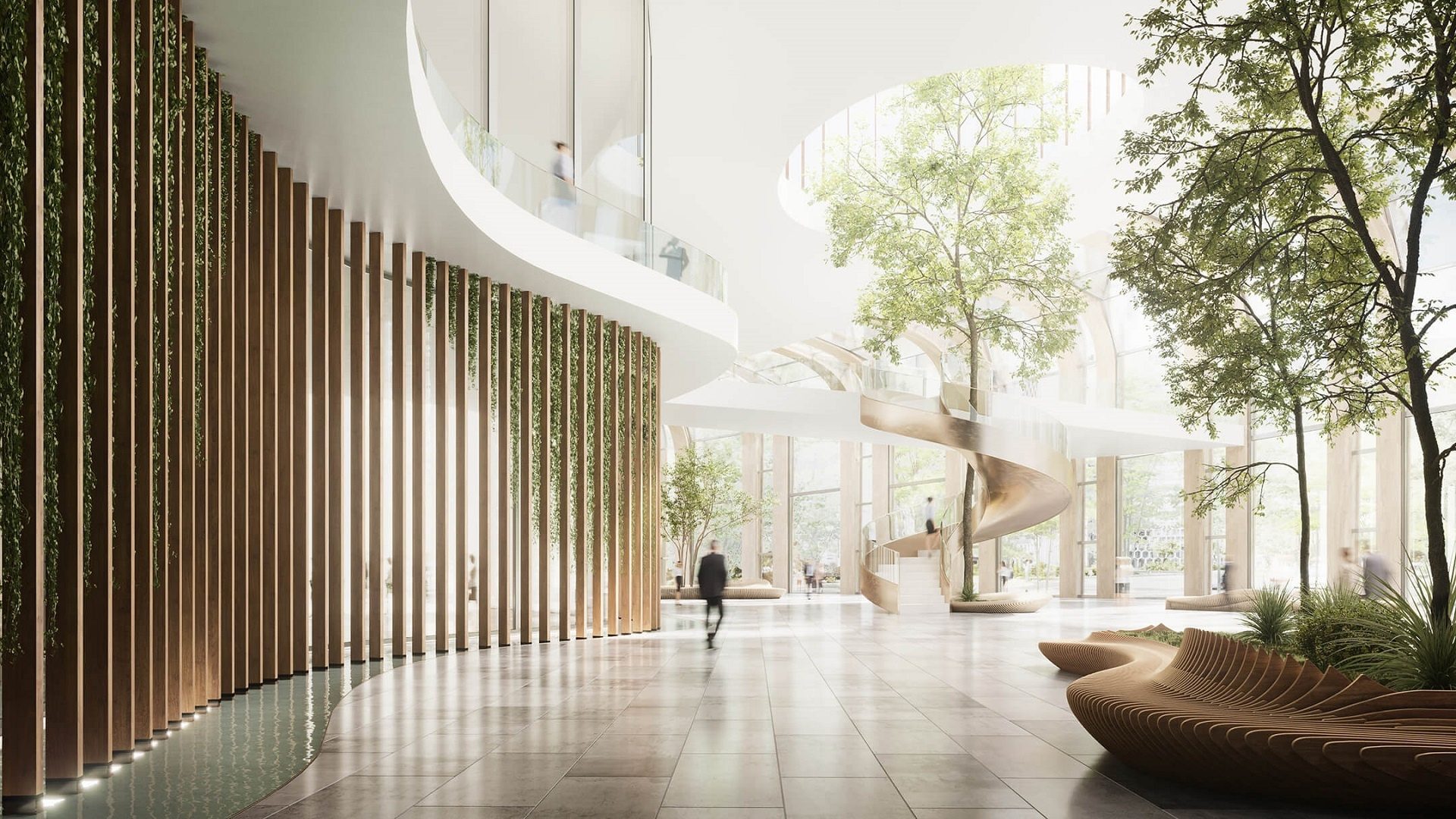
Imagine you designed a sustainable office building using local materials to lower the carbon footprint. You’ve also incorporated biophilic elements to enhance the well-being of workers. For PR, this can be framed as a successful story of environmental innovation.
Tailor your pitch to the platform’s audience. For design-focused outlets, emphasize aesthetics and trendy design elements, while tech-oriented publications may appreciate insights into structural or engineering aspects.
Align your stories with broader themes or events. For example, releasing a sustainable project during Earth Week will add relevance to your PR activities.
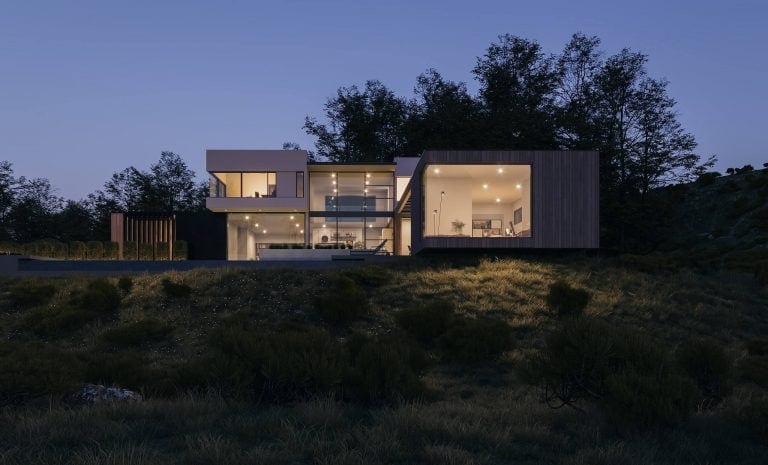
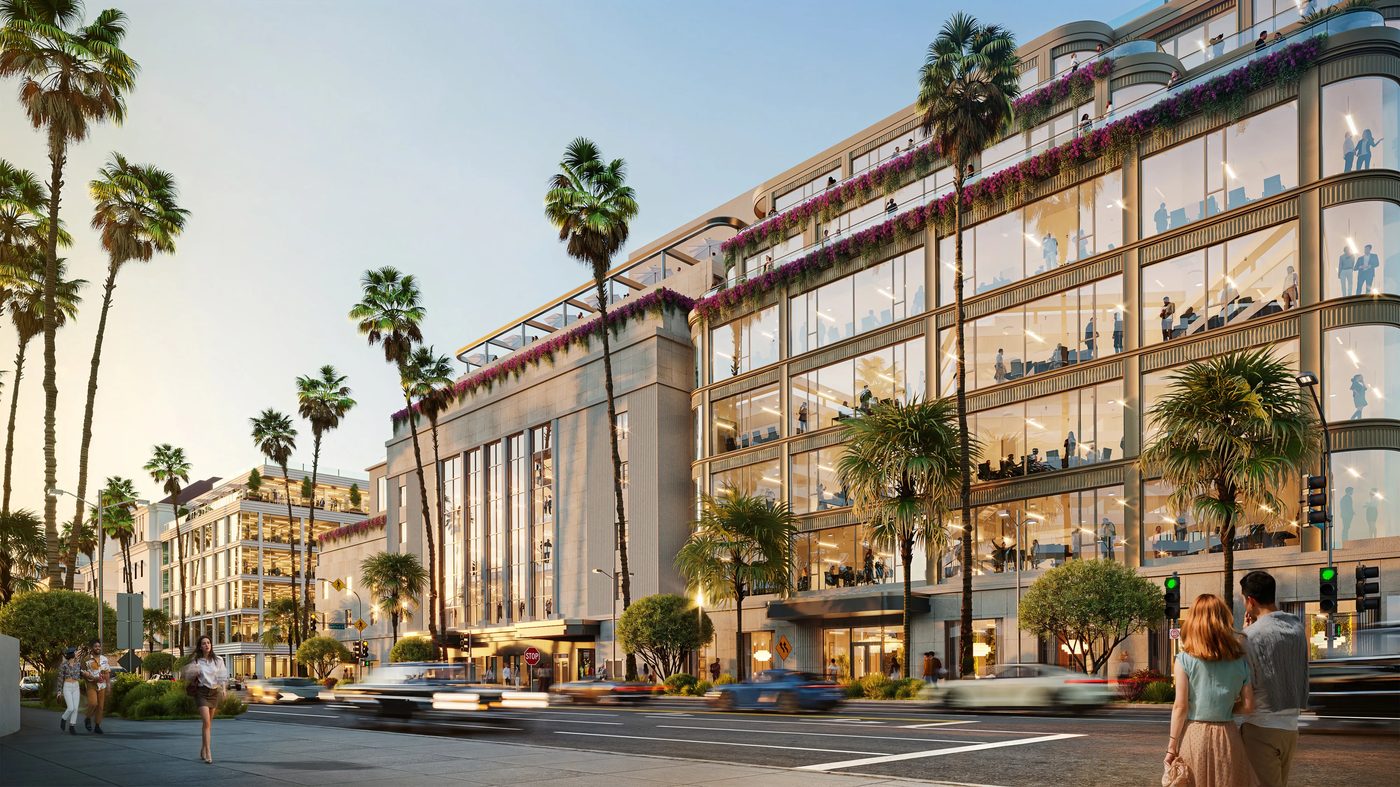
Visuals play a crucial role in storytelling. Various types of 3D animation or before-and-after renderings can illustrate the transformation of a space and make your narrative more engaging. By blending strong storytelling with impactful visuals, you will gain valuable media attention.
Tip 2: Use Social Media to Showcase Your Expertise
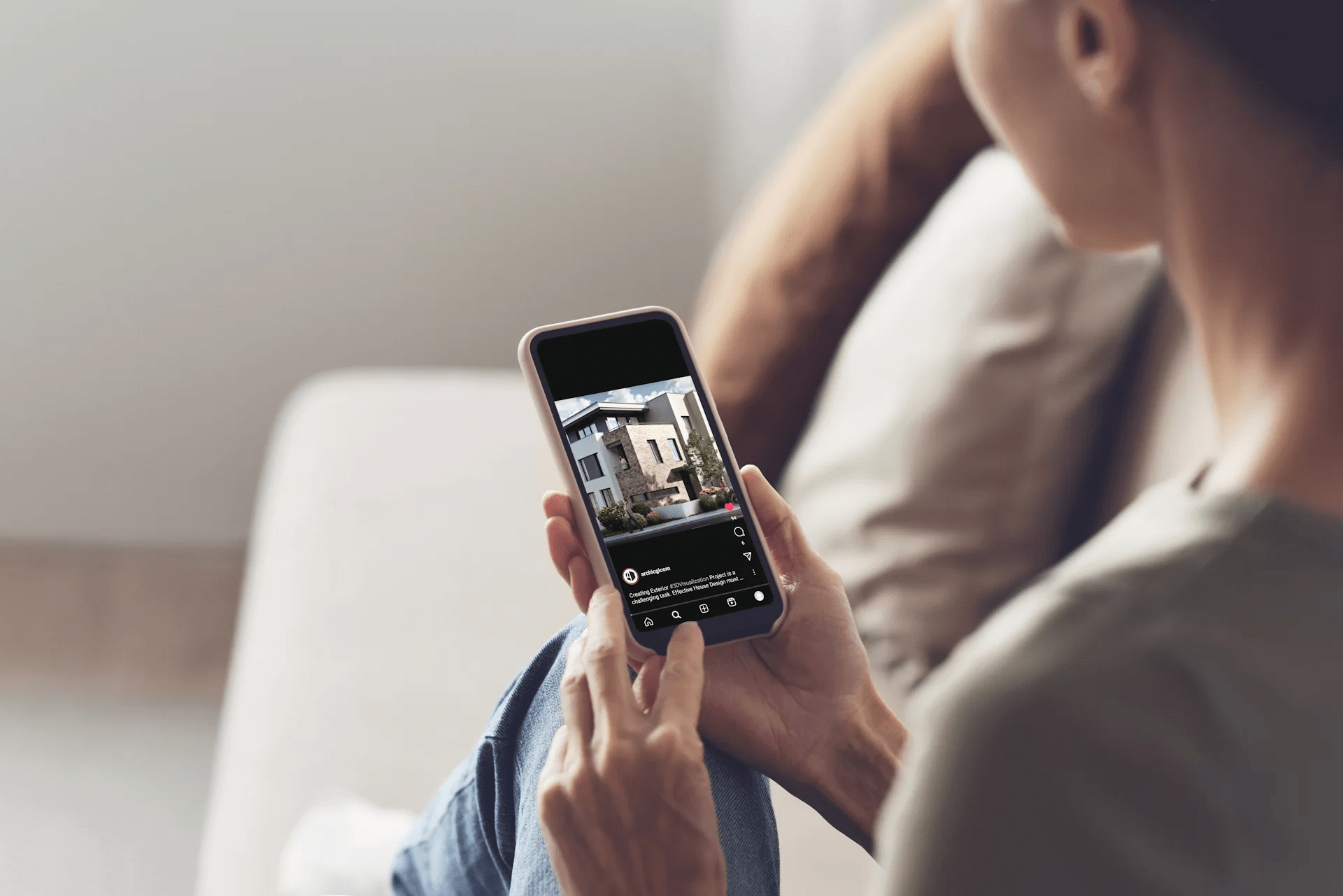
Most instruments of PR for architects and designers run through a gatekeeper: an editor decides whether a pitch becomes an article, and a jury determines which entries win architecture awards. Social media is the only channel where publication depends on no one but you, which makes it the place for continuous presence rather than occasional campaigns.
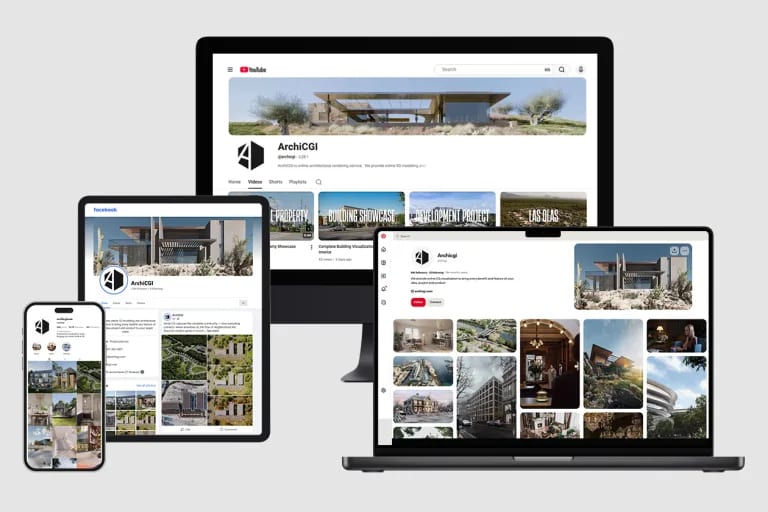
Format should follow the mechanics of each platform rather than the audience alone. Instagram favors visual sequences and reels, while LinkedIn for architects responds better to text-led posts and document carousels. Rankings of the best social media platforms for architects rarely account for this difference.
What deserves the feed is process rather than polish:
- sketches and early revisions
- options you rejected and why
- material choices that shaped the final design
Completed projects belong in the portfolio, while the feed demonstrates how you think, and 3D rendering for architects lets you show stages a site photo cannot capture.
Consistency outweighs volume: two posts a week that a small studio can sustain for a year achieve more than a burst followed by silence. Engagement works as market feedback, when a project keeps gathering saves and comments, that is the one worth pushing in pitches and award submissions.
Tip 3. Network with Industry Influencers
Networking with industry influencers, bloggers, and journalists is a powerful way to expand your reach and establish credibility. Start by identifying key figures in your niche and engaging genuinely with their content. Once you’ve built rapport, explore collaborations like guest blogging, interviews, or joint campaigns that showcase your expertise.
For instance, partnering with a design influencer to showcase your creative process or use interior design rendering services as well as photography to tell your project’s story can captivate their audience. Guest blogging for popular platforms or participating in industry podcasts further positions you as a thought leader. Always aim to provide value in return, whether through insights, exclusive content, or mutual promotion. These efforts foster trust and amplify the reputation of architects or designers.
Tip 4. Stay On-brand
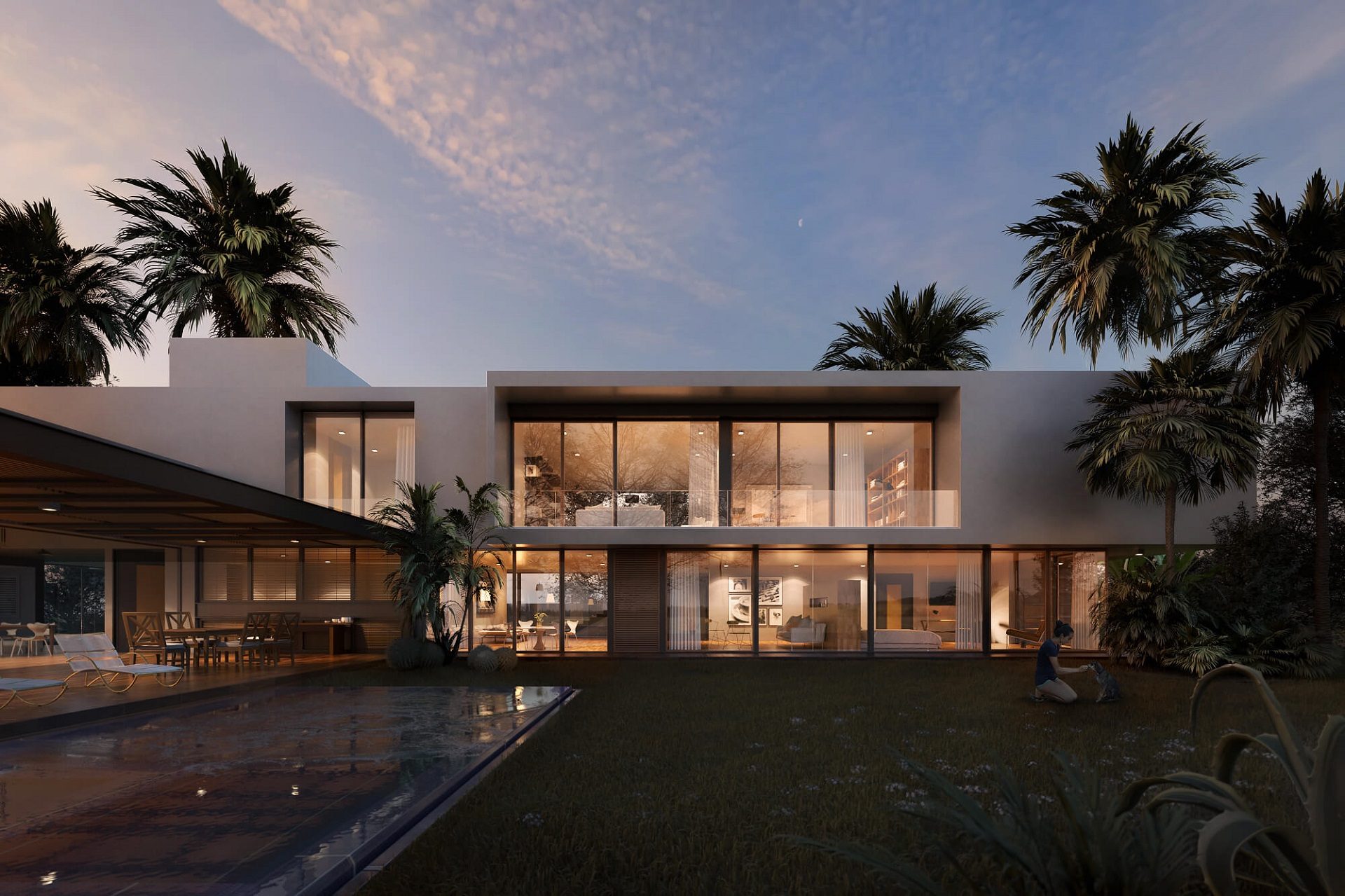
A magazine feature, a LinkedIn post, and an expo booth should read as the work of one firm. In PR for architects and designers, that recognizable thread is what lets every mention build on the previous ones. Three practices keep it intact:
- Run the recognition test. A reader should be able to attribute a project image to your studio with the logo removed. For architects, the visual signature lives largely in the imagery itself: recurring camera angles, lighting mood, and color treatment across renderings.
- Control the retelling. In press coverage, third parties describe your firm more often than it speaks for itself. A compact press kit (an approved boilerplate paragraph, a fixed image set, consistent project names) keeps every version identical.
- Keep the core, flex the format. Positioning, palette, and project names stay the same everywhere you show up. The format can change freely from one platform to the next: Tip 2 covers that part.
Codified once, branding for architecture firms becomes a checklist item in every campaign that follows.
Tip 5. Engage in Thought Leadership

Tip 1 turns a finished project into news; thought leadership works on a different clock. You publish your thinking, so this part of PR for architects and designers keeps running between launches, when there is nothing new to announce. Sharing insights on market trends belongs here, and it pays off fastest when you commit to one position (a stance on adaptive reuse, on AI in design workflows, on a single material) and repeat it in every format until editors and clients associate it with your name.
One idea can feed a whole pipeline:
- a bylined article in a trade outlet such as Dezeen or Architectural Digest serves as the base asset;
- the same argument then becomes a webinar and a series of LinkedIn commentaries.
Whatever the format, ground the opinion in your own project data (energy performance figures, permit approval speed), because editors accept numbers and competitors cannot copy them. Visuals should illustrate the argument itself: a concept diagram, a comparison rendering, or an architectural animation that shows the principle at work.
Tip 6. Collaborate with Like-Minded Professionals

Your best partners already work with your clients, just at another stage of the project. An interior designer picks up where the architect hands over. A landscape specialist shapes everything around the building. A developer decides what gets commissioned in the first place. Team up with one of them on real work, and the collaboration itself becomes a story worth publishing.
Joint projects give PR for architects and designers assets that neither firm could create on its own:
- a co-designed building both studios can claim
- a case study written from two perspectives
- a combined offer that covers more of the client journey
Then each partner publishes the result to their own audience. One project, two write-ups, double the reach.
A standing referral deal adds a quieter channel on top. Cross-promotion peaks once and fades with the launch, while referrals keep bringing qualified leads month after month.
Tip 7. Use Event Participation as a PR Tool
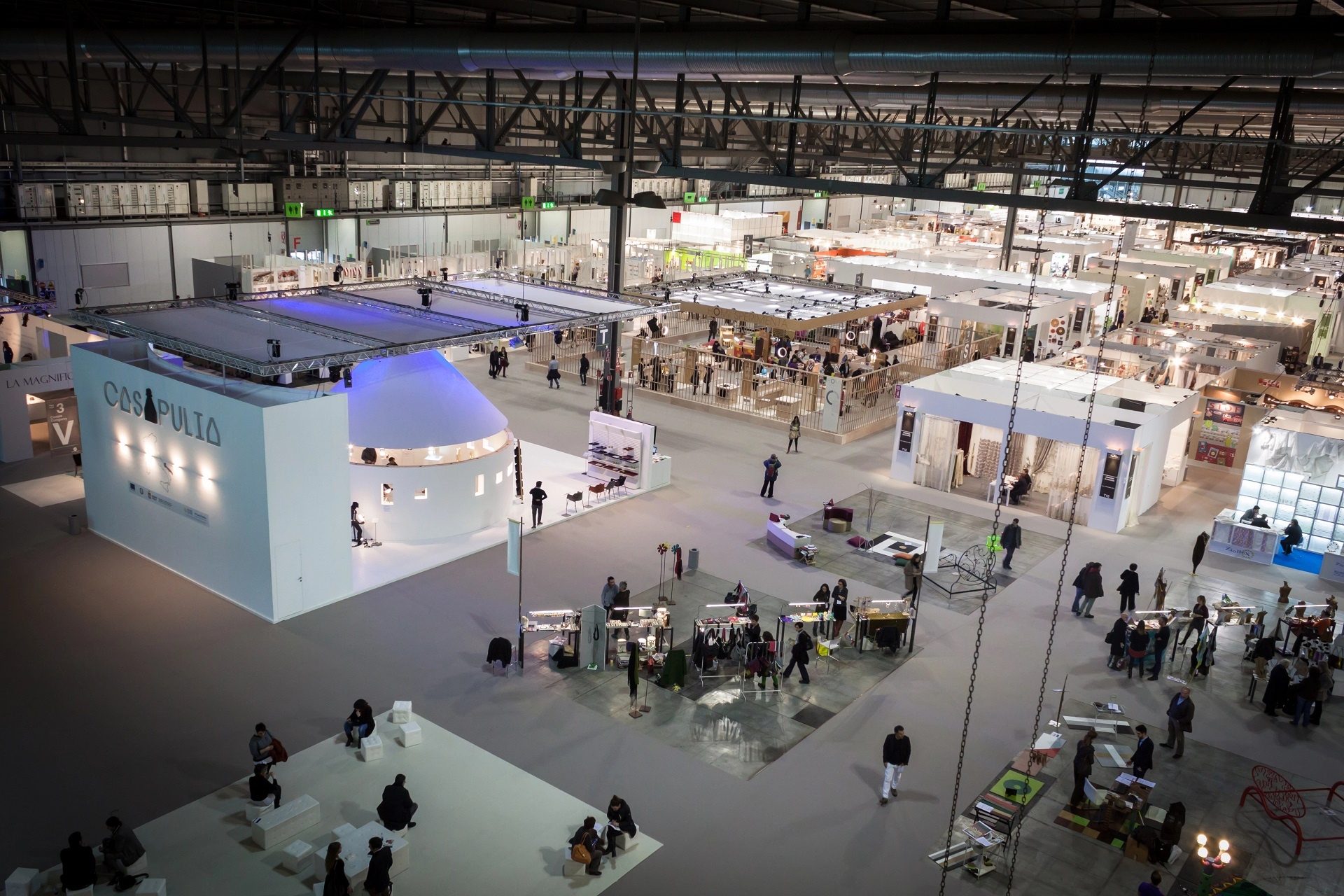
Trade shows are the one channel of PR for architects and designers that works face to face, so the first decision is which floor to stand on. The answer comes down to who attends, and interior design events & exhibitions serve very different crowds. Hospitality shows such as HD Expo or BDNY fill the aisles with hotel operators and developers who commission projects, while a broad design week mostly gathers fellow professionals.
Once the venue is set, the days on site become only part of the calendar, because most of the value sits in what happens around them:
- Book meetings as soon as attendee and press lists go public, usually weeks before the opening. That is also the moment to request time with journalists.
- Give your booth a single job: stopping foot traffic with one project shown as an experience, such as an interactive tour or a VR walkthrough built on rendering for real estate.
- Send follow-ups within a few days, while the people you met still remember the conversation.
And keep the recording of your talk, the booth footage, and your meeting notes. They will supply your social and press channels for weeks after the stands come down.
Get your project estimated in just 1 hour - fill out this brief!
PR works best on top of a system: our architect marketing guide shows how publications, social media, and events reinforce each other, and our guide to getting published explains the submission process editors actually respond to.
PR for architects and designers requires a thoughtful approach, a clear understanding of your target audience, and quite a lot of networking. When done well, it can elevate your marketing and expand your reach.
Looking for CGI services to help you visually boost your PR campaigns? Contact us at ArchiCGI for anything from classical photoreal 3D renderings to cutting-edge interactive solutions!

Stacey Mur
Content Writer, Copywriter
Stacey is a content writer and a CG artist. Outside of work, Stacey enjoys musicals, Star Wars, and art talk. A proud Corgi parent.