


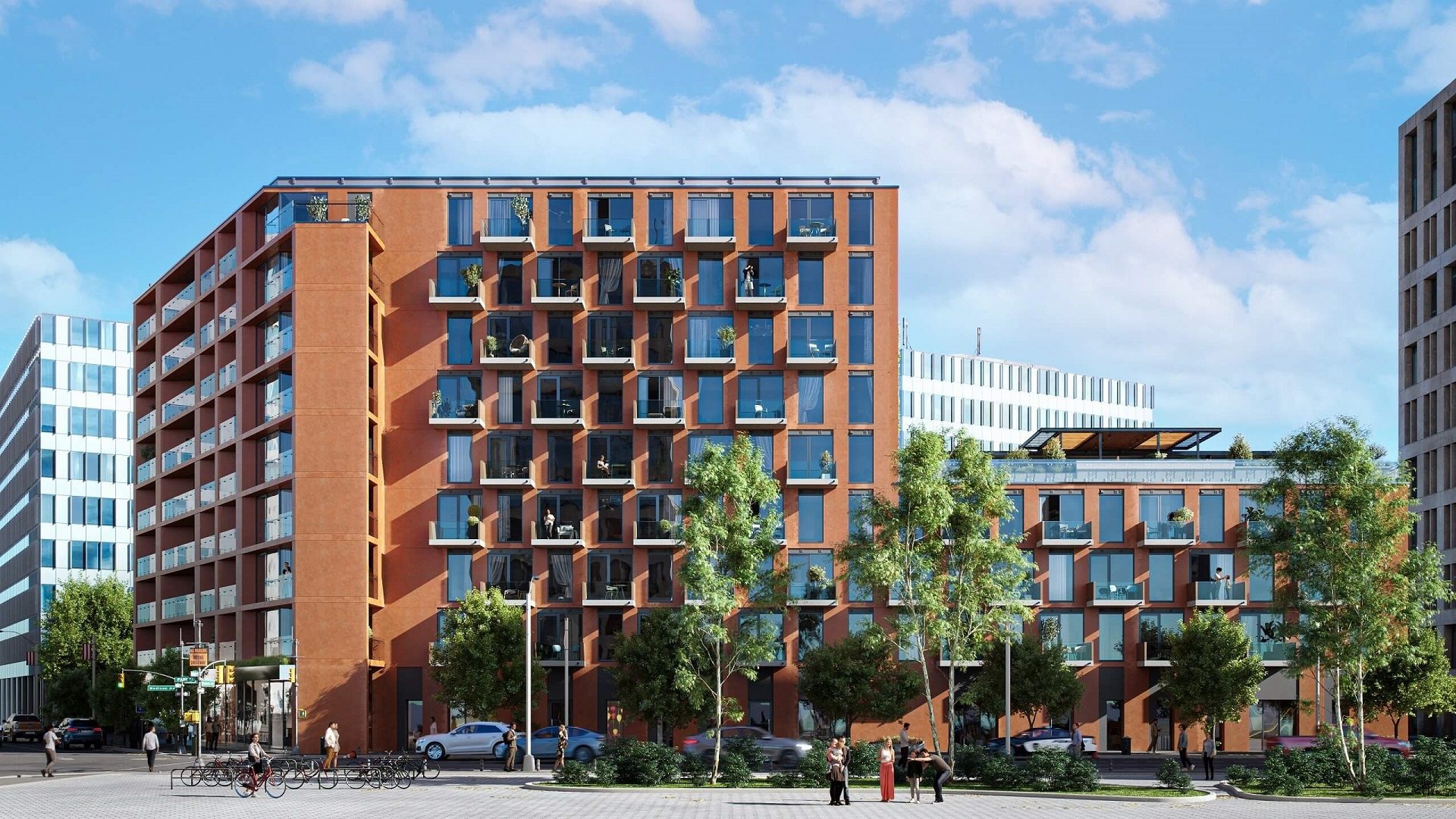
Public relations are vital across all industries, and real estate is no exception. PR for real estate helps build trust, boost visibility, and promote both your business and the properties you handle. However, business-wide PR campaigns differ from those for individual listings. Each public relations activity should have a clear goal and measurable results. How do you ensure that?
Our 3D architectural rendering studio helps real estate companies capitalize on the effect high-quality 3D visuals can have on any campaign. So, if you want to know how to make the most out of PR for real estate, dive in!
#1. PR for Real Estate Businesses
First, let’s find out how to create PR campaigns to promote your company in general.
#1.1 PR and establishing a strong brand identity
PR for real estate begins with a clear decision about the position your company wants to hold. Naming that role — and the people who need to recognize it — turns branding into something a campaign can actually carry.
Build the foundation around five choices:
- Position. Claim a specific role: local specialist, luxury expert, sustainable developer, investment adviser, or another that fits your track record.
- Audiences. Map the groups whose perception moves your business — buyers, investors, brokers, partners, and local communities.
- Message framework. Put your value proposition, expertise, priorities, and differentiators into words your team can repeat on demand.
- Evidence. Support each claim with completed projects, market results, client testimonials, awards, or proprietary data.
- Consistency. Keep executives, press materials, website content, and public statements aligned on one positioning.
An identity you have already defined gives PR something real to amplify. Public relations then carries that identity into view, so your company reads as credible and recognizable every time its name reaches the audiences you named.
#1.2 Building relationships with the media

Effective PR means building strong media relationships. This includes regular interactions with real estate and business journalists, providing them with valuable insights and news. If you’re targeting an international audience, you should establish relationships with the media with a wider outreach. These can be, for example, Forbes Real Estate, Mansion Global, and other similar platforms. In turn, businesses targeting local markets should engage with local media. Regular features, interviews, and media mentions can significantly boost your company’s profile.
#1.3 Thought leadership and content creation

PR for real estate turns what your team knows into public authority, published as a steady stream of content. Aim for a recognized point of view that journalists, buyers, and investors connect directly to your name.
Give the work structure:
- Choose your ground. Pick a small set of topics where your firm holds genuine expertise and wants to shape the industry conversation.
- Draw on original knowledge. Build each piece around proprietary material — market data, transaction experience, buyer behavior, planning changes, sustainability, or investment trends.
- Put names forward. Let senior executives and subject-matter experts speak as identifiable voices, so readers attach every insight to a real person.
- Tie ideas to the moment. Connect your analysis to current market developments, giving journalists and industry audiences a clear reason to pay attention.
- Repurpose the best material. Turn a strong insight into reports, contributed articles, media commentary, webinars, conference appearances, and executive posts — a working bank of real estate social media content ideas that all trace back to the same themes.
- Measure the response. Track media citations, interview requests, speaking invitations, backlinks, and qualified business enquiries as the clearest signals of influence.
Authority builds when consistent voices return to a focused set of subjects across formats. Over time, that consistency makes your firm the source people quote, invite, and call first.
#1.4 Community involvement and corporate social responsibility

This is another great way to make PR for real estate work. Engaging with the community and participating in charitable activities can profoundly impact a company’s image. Real estate firms that support local projects and adopt sustainable practices are often viewed more favorably, which leads to more business opportunities.
All of these aspects of PR work in a long-term perspective. They can strengthen your brand, create a more favorable attitude toward your business, and establish you as an industry leader.
#2. PR for Individual Property Listings
Now, let’s narrow it down and take a look at what you should pay attention to when crafting a PR campaign for a specific property.
#2.1 PR can create a buzz for listings
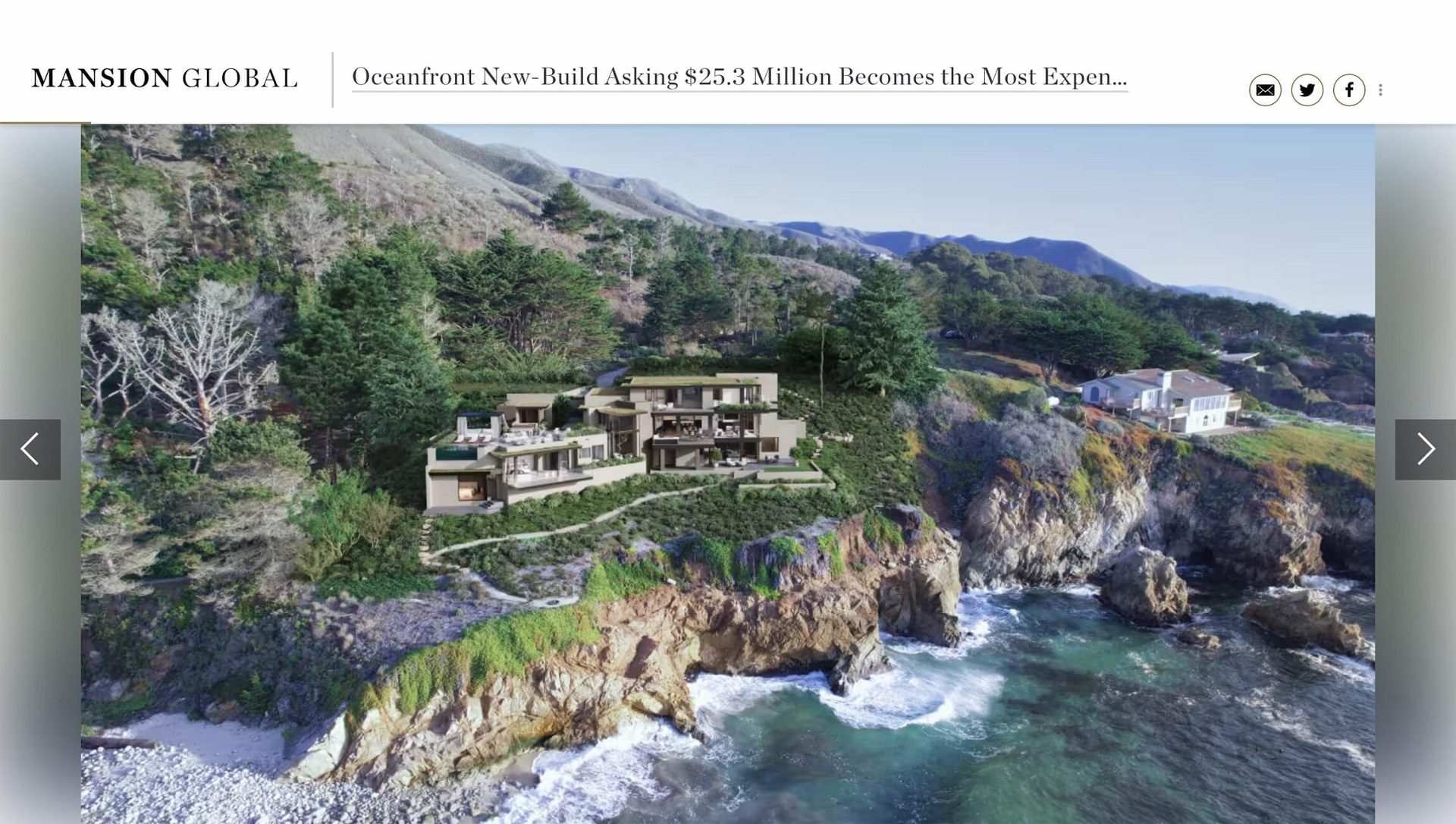
PR for real estate rewards the listing that arrives with a genuine story attached. A launch turns into news when the property gives editors and buyers a clear reason to look. Coverage follows a strong angle, so name the one thing that sets this home apart. Then build everything a journalist needs to publish quickly and accurately. Strong PR for real estate listings tends to follow the same sequence:
- Find the true hook. Identify what makes the property newsworthy on its own — the reason coverage happens even in a crowded market.
- Commit to one angle. Choose a single lead: architectural significance, provenance, location, design concept, record pricing, sustainability, or an unusual amenity.
- Ship a complete press package. Include verified facts, spokesperson commentary, professional copy, and publication-ready visuals.
- Sequence the rollout. Open with an exclusive or embargoed story for one outlet, then widen coverage from there.
- Stage in-person moments. Add private previews, broker events, or targeted media visits where they reinforce the property’s positioning.
- Keep the momentum going. Return with milestones such as construction completion, sales launches, design reveals, awards, or major transactions.
Keep every claim specific, supportable, and relevant to the market you want, and coverage earns trust as it spreads. From there, practical social media tips for real estate agents help carry each milestone to the buyers most likely to act.
#2.2 Targeting the right audience for listings

Identifying and understanding the target audience for each listing is crucial. This way, you can tailor PR messages to appeal to specific groups. For example, messaging for luxury buyers, investors, or first-time homebuyers will differ a lot. Paying attention to your target audiences’ needs ensures that marketing efforts are directed effectively. To distribute your message to the right group, use niche publications, local media, and influencers. All of this can improve reach and engagement.
#2.3 Visual content to enhance listings

PR for real estate depends on visuals that carry meaning as well as polish. In a campaign, imagery does a defined job: it lets journalists, buyers, and investors grasp a property story within seconds. That job decides which assets you commission, guided by the angle, the audience, the distribution channels, and the development stage. A finished building and an off-plan scheme call for different material, so match the format to where the project stands. Strong PR campaigns usually gather assets by stage:
- Completed properties — lead with architectural photography, interior images, drone footage, location content, and video tours.
- Off-plan or renovated properties — rely on architectural renderings for developers, 3D animation, virtual staging, and interactive walkthroughs to show the finished result.
Each choice keeps the imagery true to the property’s current stage. From there, a business PR package stays deliberately varied:
- Hero images that anchor the launch.
- Architectural details that read as design quality.
- Amenities and surroundings that frame daily life and setting.
- Floor plans and lifestyle content — layout answers plus imagery that helps a buyer picture the routine.
A real estate social media strategy then turns this single package into weeks of scheduled posts. Package every file publication-ready: accurate captions, clear credits, property information, usage permissions, and versions cut for each media format. The core material then adapts to each outlet:
- Press releases and editorial features for earned coverage.
- Launch events and email campaigns for owned audiences.
- Property portals and virtual tours for real estate agents, so interested buyers can explore a listing at any hour.
Weighted together, these formats let one shoot serve the whole campaign. Let the visuals amplify a story that already holds a credible PR angle, so strong imagery and real news reinforce each other.
Drive clicks with scroll-stopping 3D ad visuals

#3. How to Choose the Right PR Channels
PR for real estate works best when every channel is chosen for a defined job. That choice starts with the outcome you want from the campaign. Name the goal first: corporate reputation, investor reach, a listing launch, community relations, or qualified enquiries. Then map the stakeholders who must receive the message and the places they already turn to for property information. The strongest PR campaigns give each channel one clear role:
| Channel | Role |
| Earned media | Pitch journalists and editors when credibility matters most, since third-party coverage lends outside authority. |
| Owned platforms | Use your website, blog, and newsletters to host the detailed information buyers and investors study closely. |
| Social media | Amplify each story where your audience scrolls, turning a single placement into repeated exposure. |
| Events | Choose conferences, previews, and broker gatherings when the goal is relationship-building in person. |
| Partner networks | Tap brokers, associations, and allied firms for targeted access to a specific stakeholder group. |
Coordinated this way, the channels function as one business PR system, and a few added filters keep the mix sharp:
| Filter | What to weigh |
| Geographic scope | Match reach to the deal: local, trade, national, or international exposure. |
| Fit and logistics | Weigh each outlet on audience quality, editorial relevance, lead times, visual requirements, and measurement options. |
| Sequence the rollout | Release the message in a planned order so each placement feeds the next. |
| Performance review | Compare channels on coverage quality, referral traffic, stakeholder engagement, enquiries, and follow-on business conversations. |
Weighted together, these signals show which placements deserve more investment next time. On the amplification side, real estate videos for Instagram often stretch a single story furthest, so give visual formats room in the plan.
#4. Measuring PR Success

Measuring the success of PR for real estate is essential for understanding a campaign’s impact and refining future strategies. For business-related PR, key performance indicators (KPIs) include:
- brand mentions, which gauge visibility;
- media coverage, which assesses the extent and tone of press exposure;
- and website traffic, which can indicate increased interest or engagement resulting from PR activities.
For property listings, specific KPIs include:
- lead generation rates;
- property inquiries;
- and the level of media engagement.
All of this provides direct insights into the effectiveness of your PR efforts. These metrics show if you are attracting buyers or investors and generating interest.
Social media analytics can also offer valuable data on audience reach, engagement rates, and interaction quality. These are crucial for assessing the impact of digital PR strategies. Using this data, you can optimize your approaches, adjust the messaging, and improve overall campaign performance to achieve better results in the future.
Showcase your architectural project with photorealistic CGI powered by modern AI-assisted workflows
PR for real estate can boost your business’s image and help sell properties faster. By carefully crafting campaigns that are both engaging and relevant, you can significantly enhance your market presence and achieve your sales and brand image objectives. PR also lands better when the rest of the funnel is in place: our real estate developer marketing tactics cover that bigger picture.
Looking for a trustworthy 3D rendering services provider? Get in touch with us at ArchiCGI and make your next PR campaign outstanding!
PR lands best when the visuals back it up: seven ways real estate CGI helps properties sell faster explains what CG imagery adds to every mention and feature your outreach earns. If you market properties yourself, see our CGI for real estate agents.

Stacey Mur
Content Writer, Copywriter
Stacey is a content writer and a CG artist. Outside of work, Stacey enjoys musicals, Star Wars, and art talk. A proud Corgi parent.