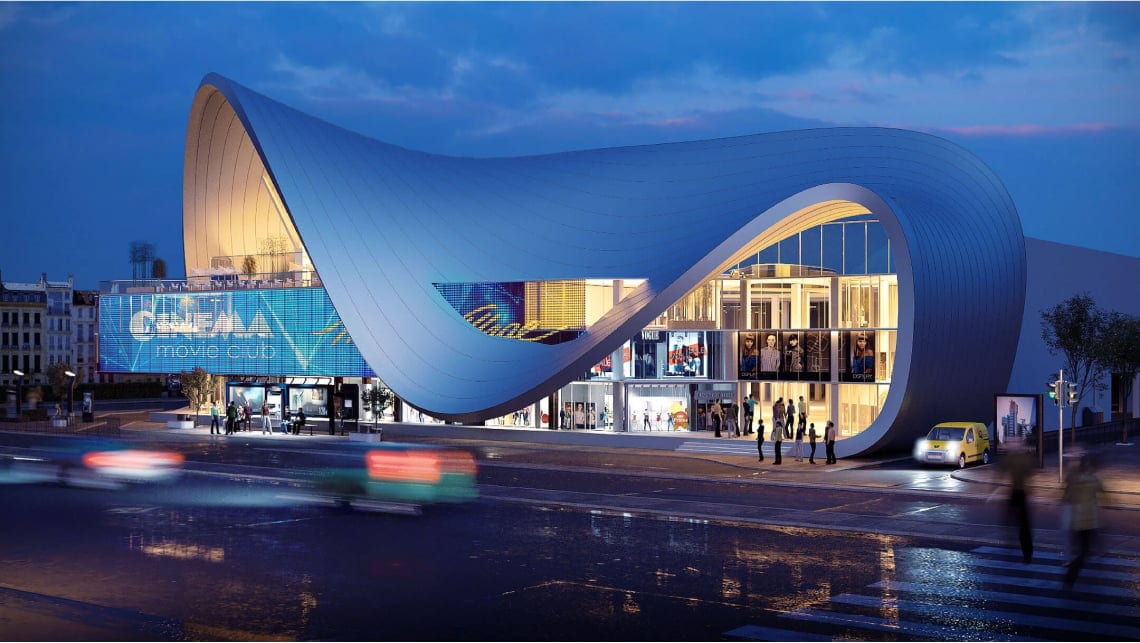
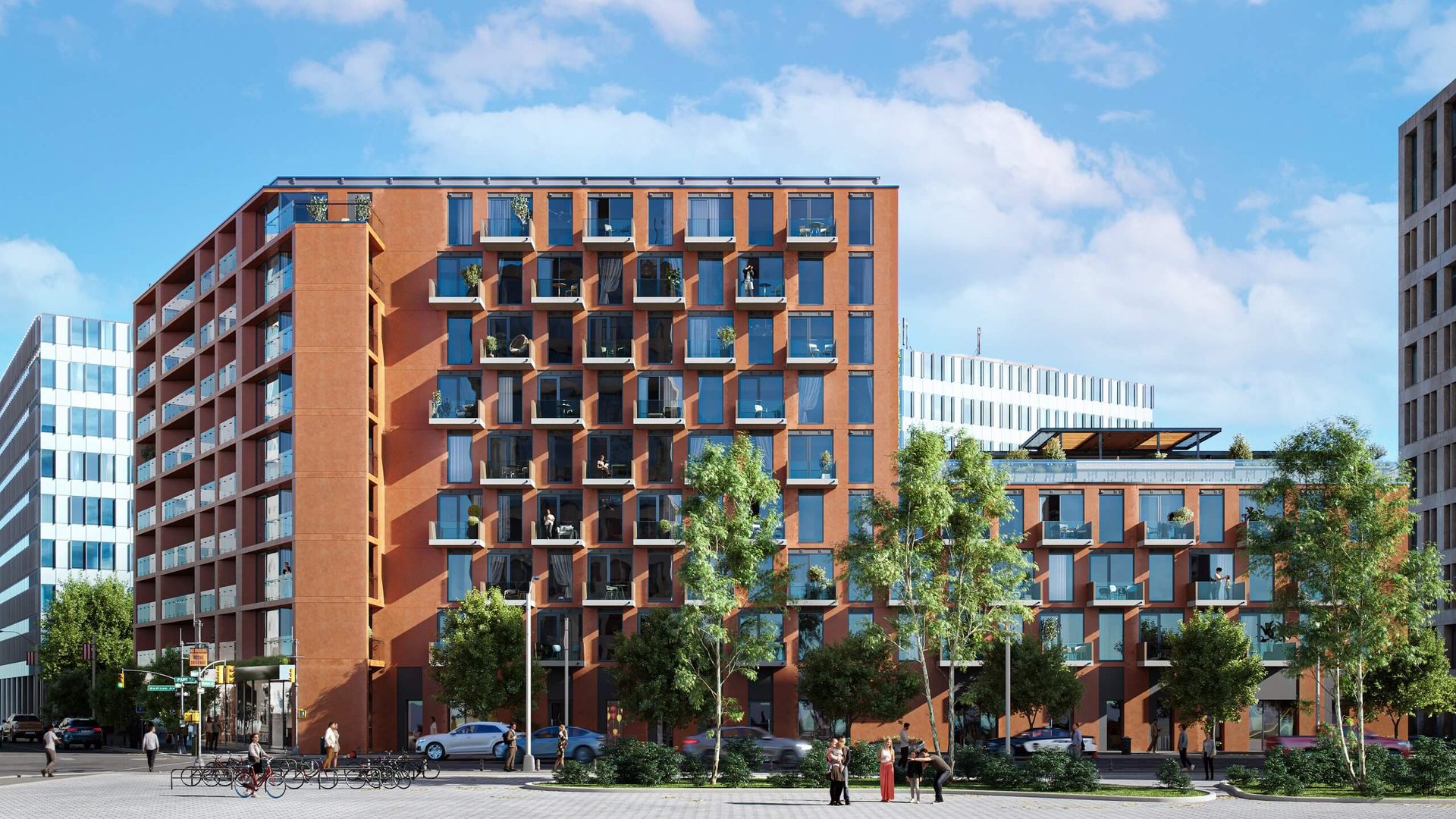
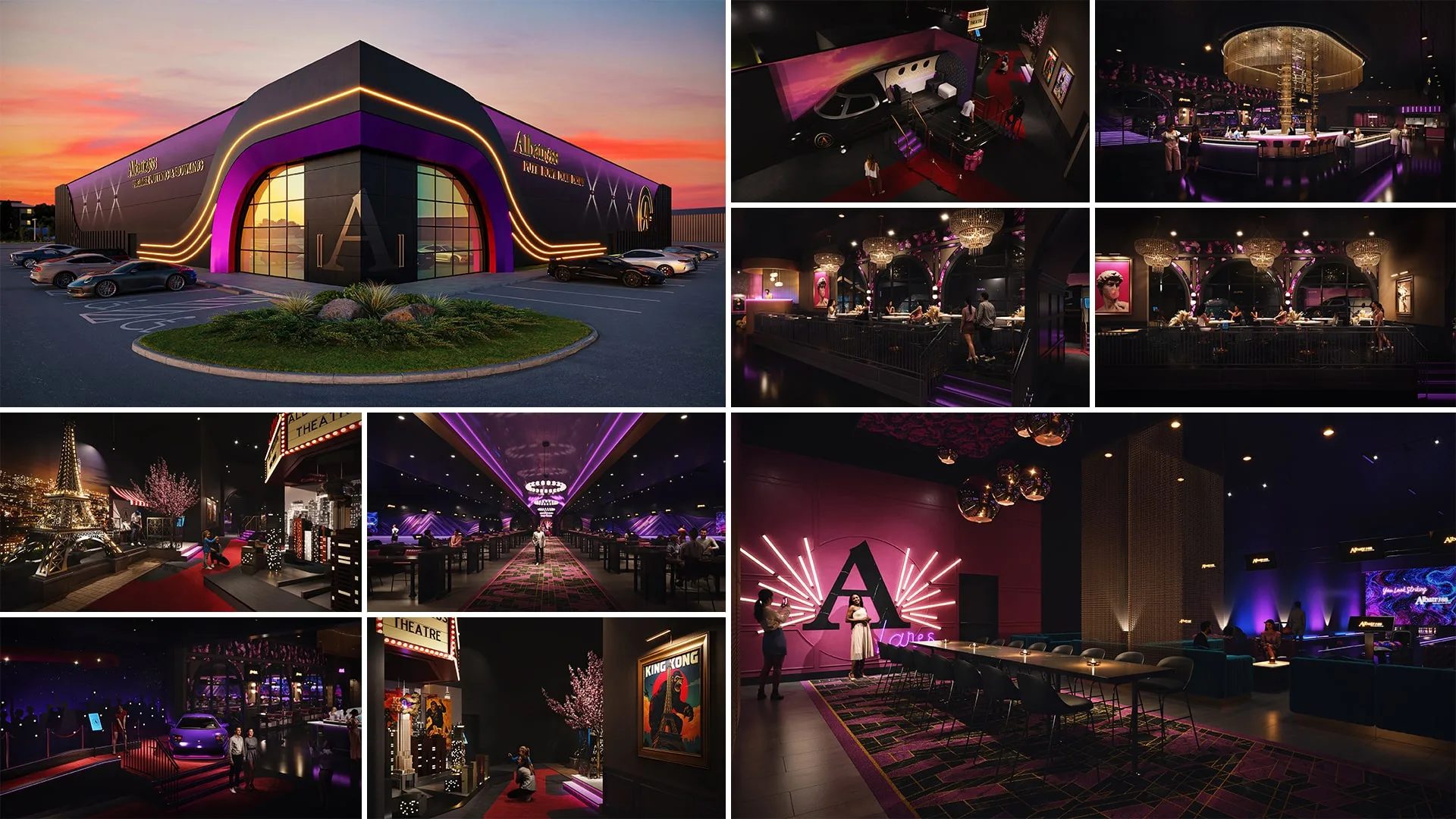
AI rendering, the use of machine learning models to generate or enhance architectural visuals, has become one of the fastest-growing categories in 2025-2026. According to Chaos and Architizer, 44% of design professionals now use AI tools to generate concept images, while 32% use AI specifically to enhance photorealism in their renderings.
What is AI rendering?
AI rendering uses machine learning models to generate or enhance architectural images. Unlike traditional 3D rendering, which requires manually built 3D models, materials, and lighting setups, AI rendering can produce visualizations from sketches, text prompts, or rough concept images. It is fastest and most useful at the ideation stage, when architects need to explore many design variations quickly.
AI architecture rendering tools
Architecture-specific AI tools, such as Veras, Stable Diffusion ControlNet, Midjourney, KREA, Chaos Enhancer, D5, AI are commonly integrated into existing workflows like Enscape and Twinmotion. These tools sit alongside traditional rendering, not as replacements. A typical AI architectural rendering workflow combines a hand sketch, an AI-generated variation, and a final precision-rendered CGI image.
Generative AI for architectural visualization
Generative AI lets architects produce material variations, atmospheric mood boards, and concept iterations without re-rendering from scratch. The most common applications are: (1) early-stage exploration when the design is fluid, (2) material and finish testing across many alternatives, and (3) post-processing enhancement to upscale resolution or refine lighting.
AI rendering vs traditional 3D rendering
AI rendering is faster and cheaper for early ideation. Traditional 3D rendering remains the standard for client-ready deliverables that need precise geometric accuracy, exact materials, and brand-consistent visuals. Most professional studios, including ArchiCGI, combine both approaches: AI for early exploration, traditional CGI for final production. Whichever type your project calls for, ArchiCGI delivers it as part of our 3D architectural rendering services.