Types of 3D architectural rendering range from static interior and exterior images to AI-assisted generative visuals, real-time interactive renders, and immersive virtual tours. According to the State of Architectural Visualization 2024-25 report by Chaos and Architizer (a survey of over 1,000 design professionals across 75 countries), 44% of architects already use AI tools in their visualization workflow, while still-image renderings remain the most valued client deliverable. The right rendering type depends on what stage the project is in, who the audience is, and what the visual needs to communicate. This guide covers the seven main classifications and 25+ rendering subtypes that architects, designers, and developers use today.
Seven main criteria can classify 3D architectural rendering:
1. By viewpoint — interior or exterior renderings
2. By building type — residential, commercial, or public architecture
3. By scale — low-rise (1-3 floors), mid-rise (4-12), high-rise (13+), or skyscrapers (40+ floors)
4. By visual style — photorealistic or stylized (sketch, watercolor, collage)
5. By format — static still images or dynamic content (animations, virtual tours, real-time rendering)
6. By innovative technique — dollhouse, cutaway, cinemagraph, aerial drone, pixel streaming
7. By technology — traditional CGI vs AI-assisted generative rendering
The most fundamental classification of 3D architectural rendering is by viewpoint — whether the visualization shows the inside or outside of a building. Each serves a distinct purpose in the design and presentation process, and most projects benefit from both.
Interior 3D Rendering Interior
3D rendering is a photorealistic visualization that shows a space from inside a building — its layout, lighting, materials, furniture, and atmosphere. It allows architects and designers to communicate not just how a space looks, but how it feels. Interior 3D rendering services are most useful for presenting design concepts to clients, marketing residential or commercial properties before construction is complete, and supporting permit applications.
Exterior 3D Rendering Exterior
3D rendering shows a building from the outside — its facade, surroundings, and its placement in the urban or natural landscape. It can be presented from any angle: aerial view, street view, or close-up of architectural details. Exterior renderings are essential for marketing real estate before construction begins, presenting designs to investors, and supporting urban planning approvals. → linking to /exterior-rendering/
Floor Plan Rendering
3D floor plans complement interior and exterior renderings by showing the layout from above — giving clients a clear understanding of room sizes, spatial flow, and how different areas connect. Unlike flat 2D plans, 3D floor plans include furniture, flooring textures, and lighting, making it easy for non-architects to grasp the design.
Both exterior and interior 3D visualization rendering have their subtypes. If we talk about types of architectural CGI by type of building, there’s residential and commercial imagery.
This type of 3D renders includes interior and exterior images of any kind of residential real estate, such as apartments, condominiums, cottages, townhouses, etc. Here, interior rendering of different rooms has its specifics. For instance, one might want to highlight certain features of a space, such as its functionality, impeccable planning, or cozy atmosphere. To achieve that, 3D artists use particular sets of angles and views, as well as lighting settings, for every kind of room and its features. You can learn more about the types of residential 3D architectural visualization for different rooms in this article on interior design rendering services.
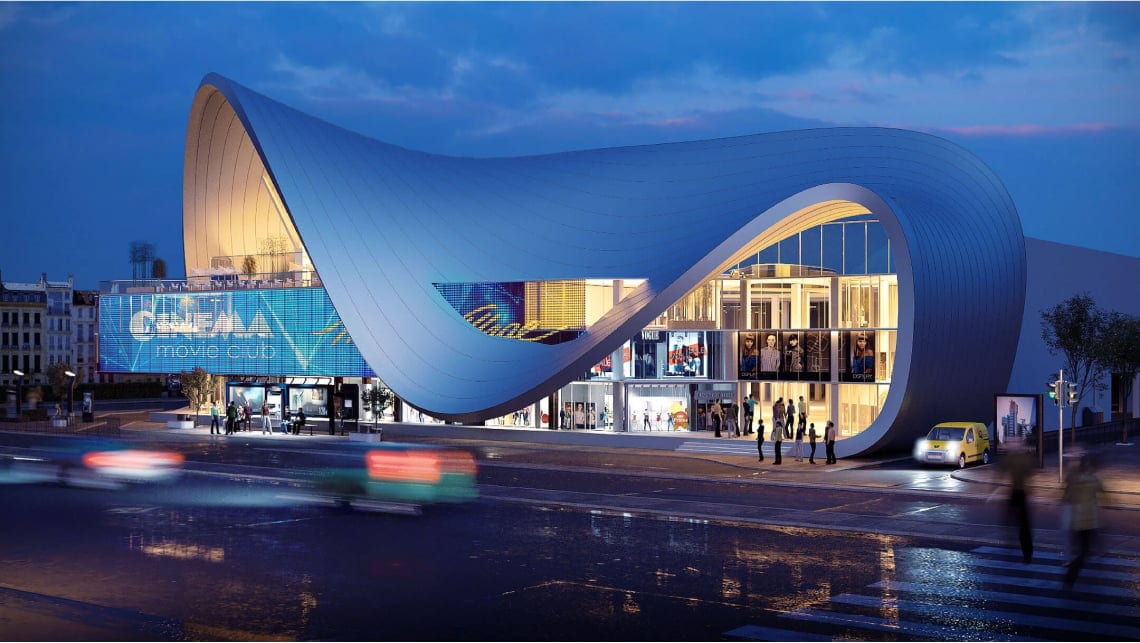
Commercial 3D renders are interior and exterior visuals that picture non-residential buildings. Those include skyscrapers, warehouses, malls, restaurants, and so on. You can learn about all the types of commercial 3D visualizations in this article on architectural exterior rendering. Now, let’s take a closer look at the most common subtypes of commercial CGI by kind of building.
Office Space 3D Visualization
In most cases, architects face fierce competition when trying to get a contract for an office development project. So, they need to prepare an impressive design pitch to convince investors they are the one for the job.
And this is where office space rendering saves the day. It allows architects to clearly communicate functional solutions and stylistic choices, show different design options, and, ultimately, get that concept approval.
Hospitality 3D Visualization
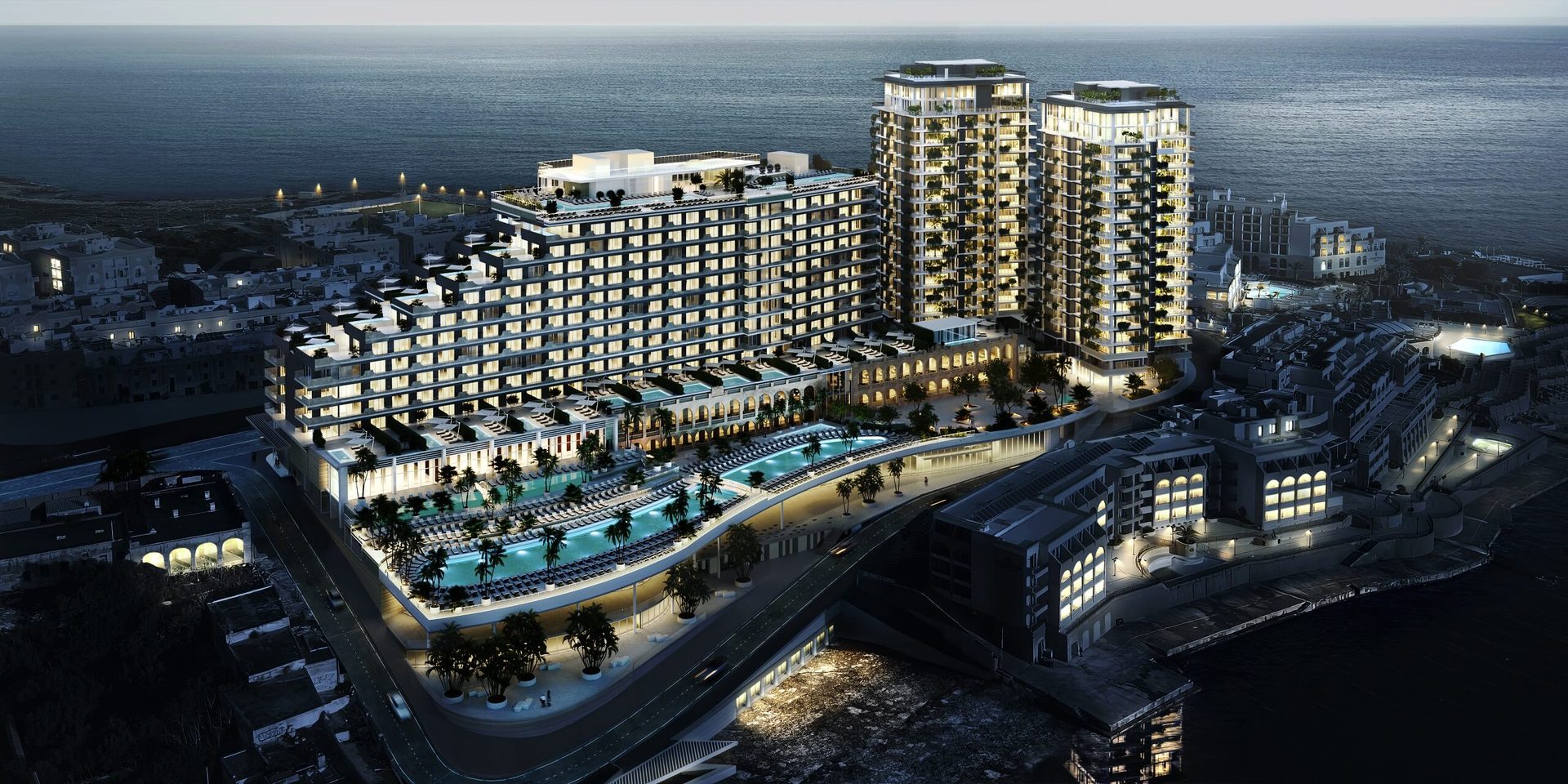
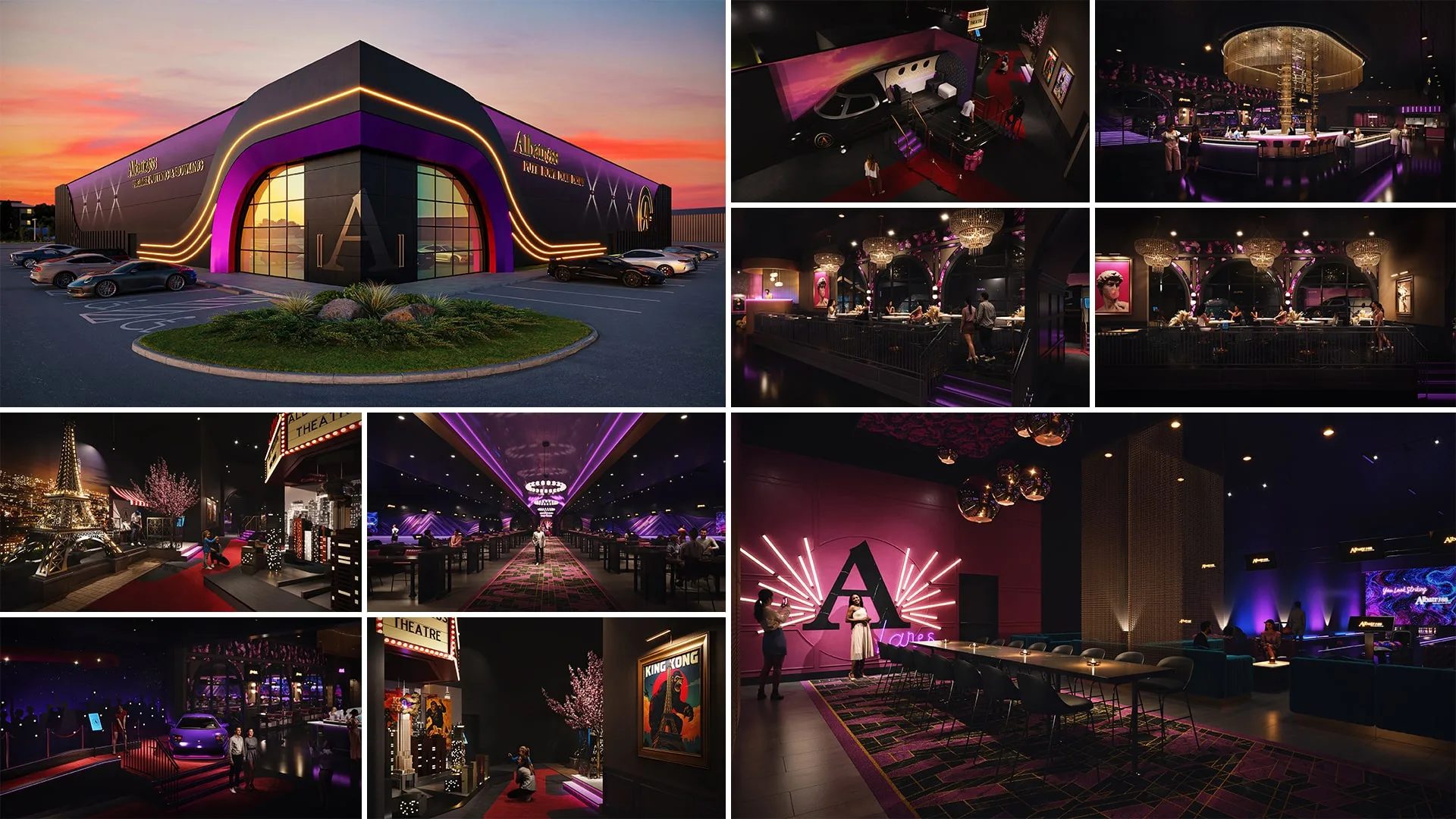
Hospitality 3D rendering covers hotels, restaurants, bars, and resorts. It helps developers visualize space layouts, furniture, lighting scenarios, and overall atmosphere before construction. Hotel and restaurant owners also use these visuals for pre-launch marketing campaigns — building social media interest and securing reservations before opening day. Explore our hospitality 3D rendering services for hotels and restaurants. For dedicated restaurant projects, see restaurant 3D visualization.
Retail Space 3D Rendering
Using 3D renders, architects find it easier to communicate with their clients and make necessary corrections at the early stages of their projects. To learn more about it, read this article on 3D retail rendering services.
CG images help to showcase the design of a retail space and even show it in operation — with goods on the shelves, customers walking the aisles, and welcoming sales assistants. Architects love 3D retail design for its ability to show a polished layout, an attractive shopping window, a unique atmosphere, etc.
CGI for Industrial Projects
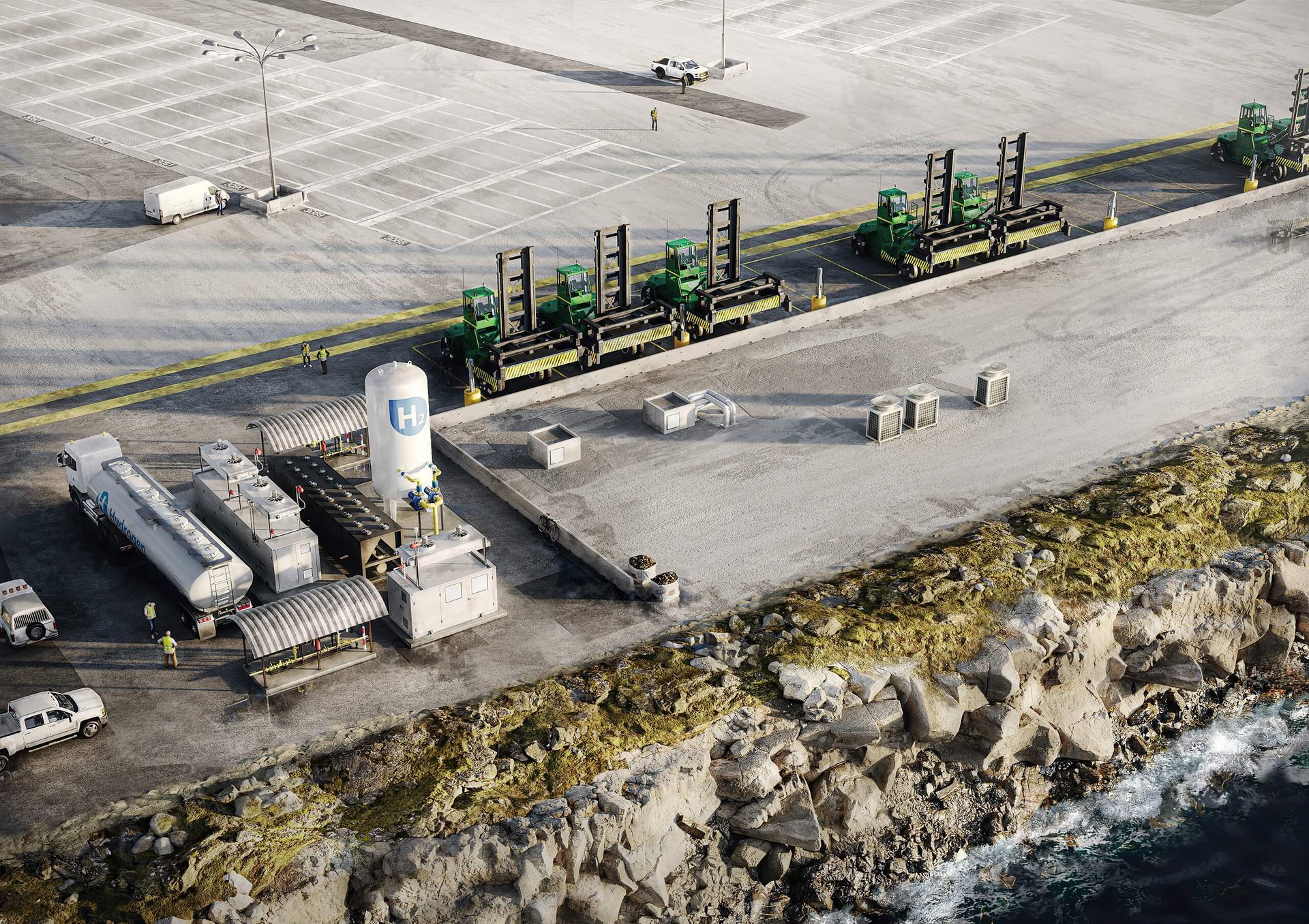
Architectural rendering is equally beneficial for industrial projects, such as power plants, factories, distilleries, warehouses, fuelling stations, etc. It helps architects win the bidding, secure the stakeholders’ agreement and support, pass the impact assessment, and save a lot of time, effort, and money along the way.
Moreover, architectural renders and animations are used for pre-launch marketing of these new spaces! For instance, the 3D animation below was run on TV for the announcement of new factory construction.
Community 3D renders focus on the surroundings of the project. They may show the infrastructure of the area, the landscape, and the objects around it. This way, decision-makers can see how the building fits in the environment, what local amenities are available, and visualize how the building users will interact with the surroundings.
One of the popular subtypes of CGI for the community is cityscape 3D rendering. It’s a photorealistic image that showcases the city views around the architectural object advertised, and does not necessarily include it. Its goal is to convey the aesthetics and atmosphere of the community and sometimes give a glimpse into the life of its inhabitants.
Public Architecture
CGI is also used for concept and design development in public architecture. It helps architects to present their visions in detail and with high accuracy. Moreover, with photorealistic 3D renders, decision-makers can easily see and communicate what they would like to have changed. Architects, in their turn, can ask 3D artists to make the necessary changes to the rendering and check with clients if everything is to their liking. And that alone helps avoid a lot of costly misunderstandings during the project implementation and makes for a great cooperation experience.
Amenities
When presenting a real estate project to investors, it’s essential to show the special features that make it stand out. Amenities are a competitive edge that make people want to rent apartments in that very building or stay at this hotel. They can be property-specific and public. The first category includes facilities such as a swimming pool, wine cellar, game room, and outdoor kitchen. Public amenities include fitness centers, shopping centers, schools, etc.
Using 3D rendering, developers can help the audience visualize every beneficial aspect of the property. A 3D visualization artist can show in photoreal quality beautiful green roofing, barbecue space, valley parking, you name it. You can find out more in our article about amenities 3D rendering.
Depending on the scale of an architectural project, a 3D render can feature low-rise, mid-rise, and high-rise buildings. The scale affects the number and types of angle views, visual storytelling techniques, cost, and timing of results delivery. Also, it may influence the choice of CGI production method. Namely, for some projects, you may opt for full-CGI solutions, while for others you could be well-advised to combine CGI with photo montage or use CGI with drone footage. Let’s have a look at the particularities of these 3D visualization types.
Low-rise buildings have from 1 to 3 floors and are often used for residential and hospitality projects. These could be, for instance, suburban houses and boutique hotels. Oftentimes, the task of a 3D artist is to convey the comfort and homely atmosphere such buildings offer. Also, 3D renderings need to show how the development coexists with the landscape, both in terms of aesthetics and sustainable solutions. Eco-friendly materials, inclusion of natural elements, and local sourcing of furniture and furnishings can all be shown through low-rise 3D renderings.
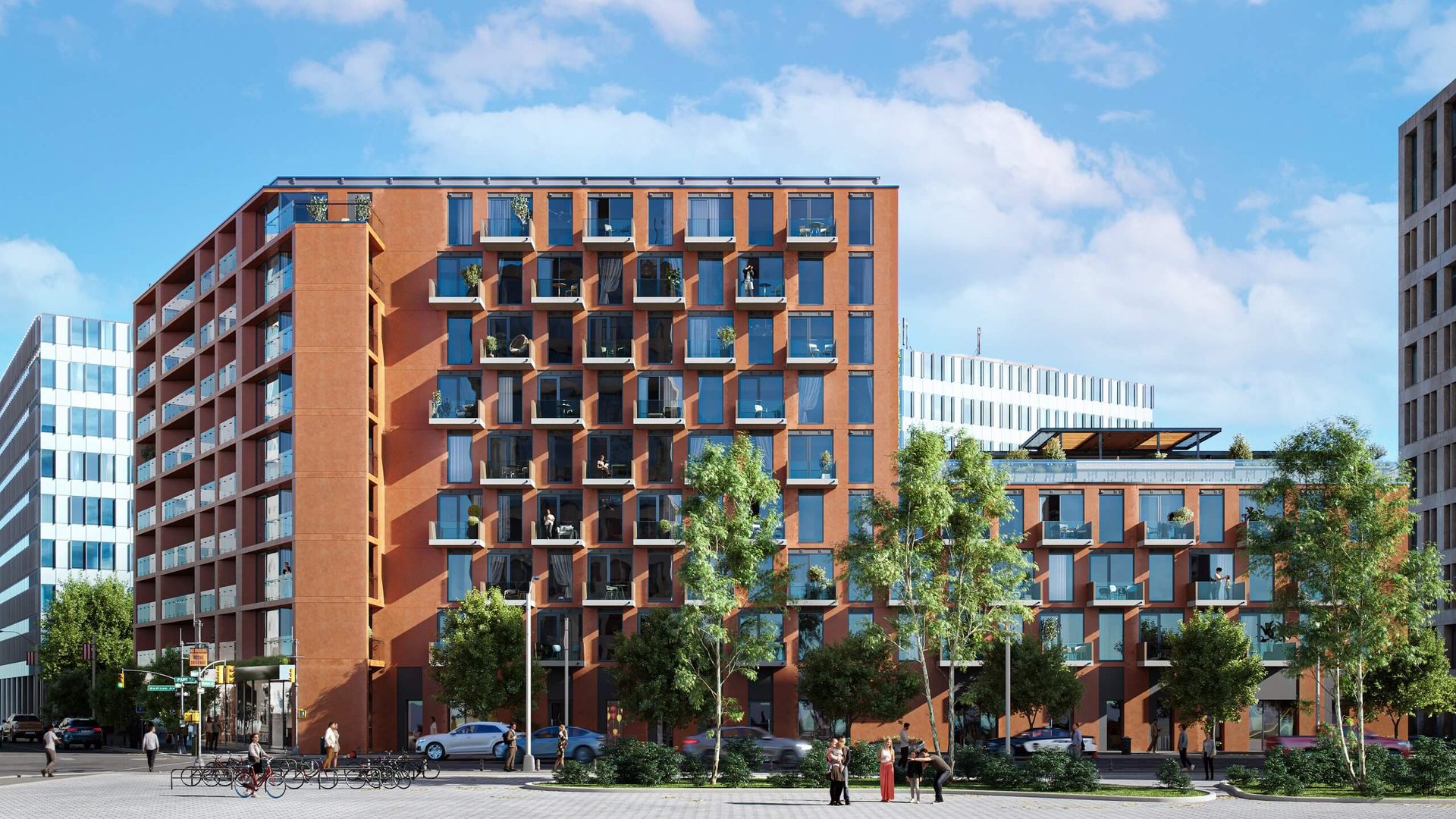
A mid-rise building has 3-10 stories. This type of project is commonly used for objects like apartment complexes, office centers, and shopping malls. Usually, the task of a 3D rendering artist here includes showing the building from various angles, highlighting how it fits the streetscape, and demonstrating the amenities. Photoreal renderings can showcase the feel and style of the interior, indoor amenities, common areas, and details such as the design flow, window views, insolation solutions, green zones, etc.
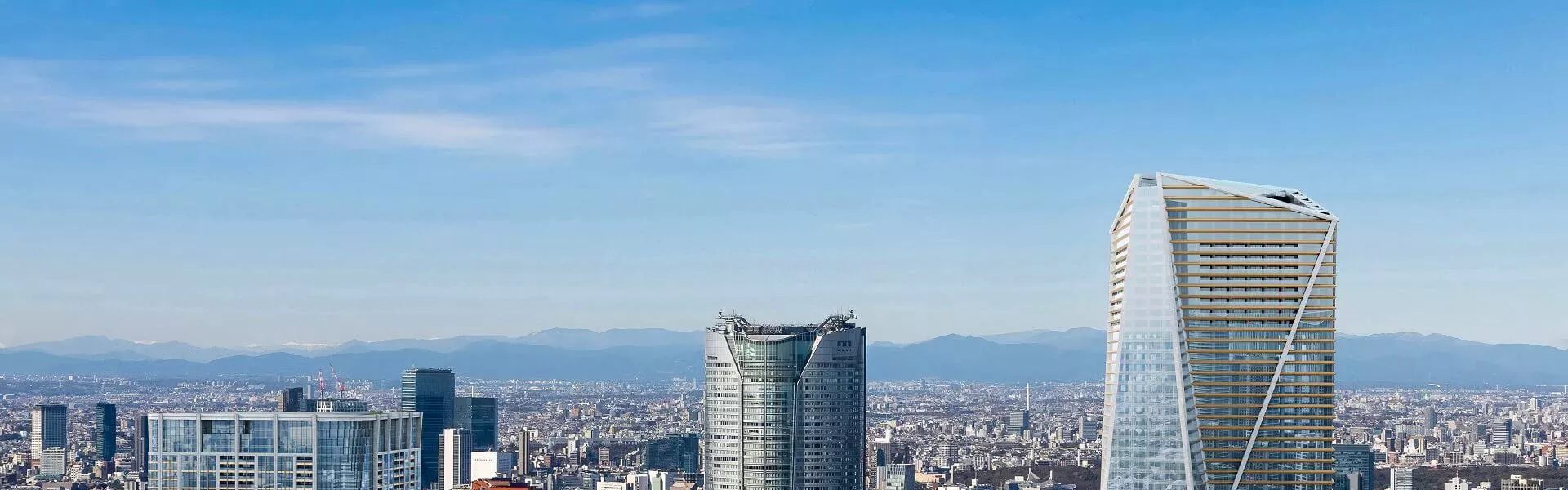
A high-rise building has more than 12 stories. A high-rise with 40 or more stories is called a skyscraper. You can find out more about marketing of the latter in our article about 3D visualization for skyscrapers. Overall, high-rises fall into four categories: residential ones, office centers, mixed-use high-rises, and hotel complexes.
Architectural rendering for high-rises are usually sought to show local infrastructure, energy-efficient features of the building, layouts, and demonstrate the amenities that allow people to work, relax, and socialize.
Also, 3D visualization can showcase how architectural design will both stand out and fit in the urban landscape. Such renders are often used for advertising and submitted to the local authorities along with the required documents.
Panoramic views are a huge asset for high-rise real estate. Architectural rendering has numerous solutions to highlight their beauty, including interior and exterior renderings, obviously, but also aerial 3D renders, 3D flythroughs, and immersive tours.
When ordering 3D visualization services, architects often opt for a multitude of views that would give clients a comprehensive understanding of the future project. Frequently, such packages include 3D renderings that do not showcase the project’s features but highlight its atmosphere. They are called “artistic views”.
Artistic 3D renders help immerse viewers into the project and give them a pretaste of what it will feel like to be there. Here are some examples of what artistic 3D renderings may show:
- Close-up of detail, for instance, a porcelain cup of tea on the coffee table or a sculpture in the yard
- street views of the neighborhood
- people interacting with the space
- architectural object in a specific light or weather of high aesthetic impact. A bright sunset, stormy weather, and Aurora Borealis are some of the widely-used options. Also, an artistic rendering of this type may show the house in an autumn or winter scene. The landscape in such 3D visualization is a character rather than just a setting.
Artistic 3D renderings make excellent visual material for architectural presentations, real estate advertising, and social media promotion. They are catchy, draw attention to the project, and make viewers remember about it. Below you will find some examples of artistic renders on Facebook and Instagram.
Beyond still images, there are dynamic types of 3D rendering that bring projects to life through motion and interactivity. These solutions offer deeper engagement and help clients experience designs in ways static renders cannot.
A CG Panorama is an interactive 360-degree experience of a single space. It’s created from one 360-degree render, allowing viewers to look around freely, zoom in on details, and get a sense of the atmosphere — but limited to that one room or area. This helps clients understand whether a specific space meets their needs.
Virtual 3D tours provide the most immersive experience among all types of 3D rendering. Unlike a single panorama, a virtual tour combines multiple 360-degree renders into a connected sequence, allowing viewers to move between different rooms and spaces as if walking through the property. They often include sound, text, and navigation hotspots. The best thing about virtual tours is they can show an entire property with utmost realism to people anywhere in the world — architects don’t have to travel abroad to present projects to clients.
Architectural 3D animation shows far more than a still image — it’s a whole movie about the design. The camera glides through different scenes, guiding viewers to experience everything the property has to offer. Many spaces and angles get covered in a short span of time, so viewers truly feel the depth of all areas. Animation projects require specific details: dimensions (from 720pHD to 4K resolutions), plus decisions about text overlays, professional voiceover, background music, and logo animation.
3D rendering technologies are ever-changing. Even if you use CGI regularly, you may have fallen behind on recent trends that could make your presentations, portfolio, or social media more eye-catching. Here are innovative types of 3D rendering every architect should know about.
Dollhouse 3D rendering presents architectural designs as a realistic section view — like peering into a three-dimensional dollhouse. The major benefit is demonstrating various aspects of a design in just one image: both the general layout and smaller details like furniture arrangements and interior decor.
Cutaway renders serve as a bridge between architectural designs and the surrounding urban landscape. They show how proposed concepts connect with existing structures at ground level and below — integration with roads, bridges, tunnels, sidewalks, and public transportation systems. This allows architects and urban planners to emphasize safety, accessibility, and functionality.
Cinemagraphs are among the most visually compelling innovative types of 3D rendering. They blend still images with animated visual effects — subtle, continuous motion like grass and trees moving in wind, gentle fire flickers, or lighting changes as the sun moves across the sky. This creates a captivating experience without distracting from the design itself, making cinemagraphs a powerful tool for showcasing projects in a more engaging way.
This innovative type brings photo matching to a new level. Drones capture aerial footage of a project site showing location, topography, and neighboring structures. The 3D model of the building is then digitally added to the video with perfectly seamless results. This effectively shows how the building will fit into its actual surroundings.
Pixel Streaming is an innovative technology that allows users to view and interact with 3D visualization in real time using a regular web browser — no additional apps needed. Users can explore properties from different angles with various weather, lighting, and decoration options. These immersive tours enhances communication between stakeholders and makes it easier for clients to envision the final result.
Now, these are all the 3D rendering types you may need for ordering imagery and explaining your concept to your 3D architectural rendering company. Of course, terminology may vary. For instance, close-up 3D renderings may be called macro shots, and artistic 3D renderings are sometimes referred to as atmospheric ones. And innovative types of 3D rendering continue to emerge, making CGI an even more valuable tool for architects and designers — allowing clients and stakeholders to immerse themselves in future projects and interact with them in completely new ways.