ArchiCGI

CHAPTER

02

Best Software for 3D Architectural Rendering

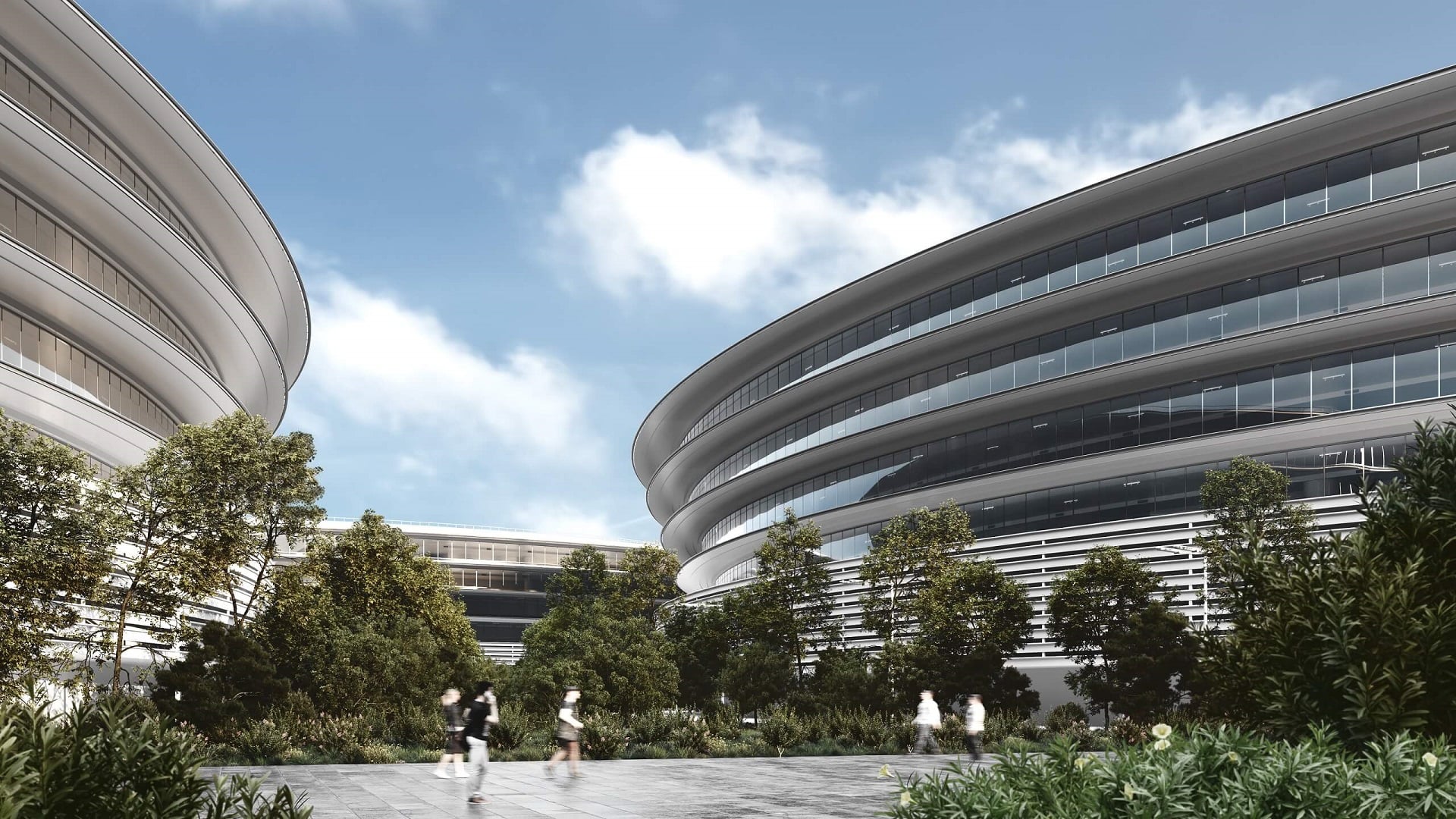
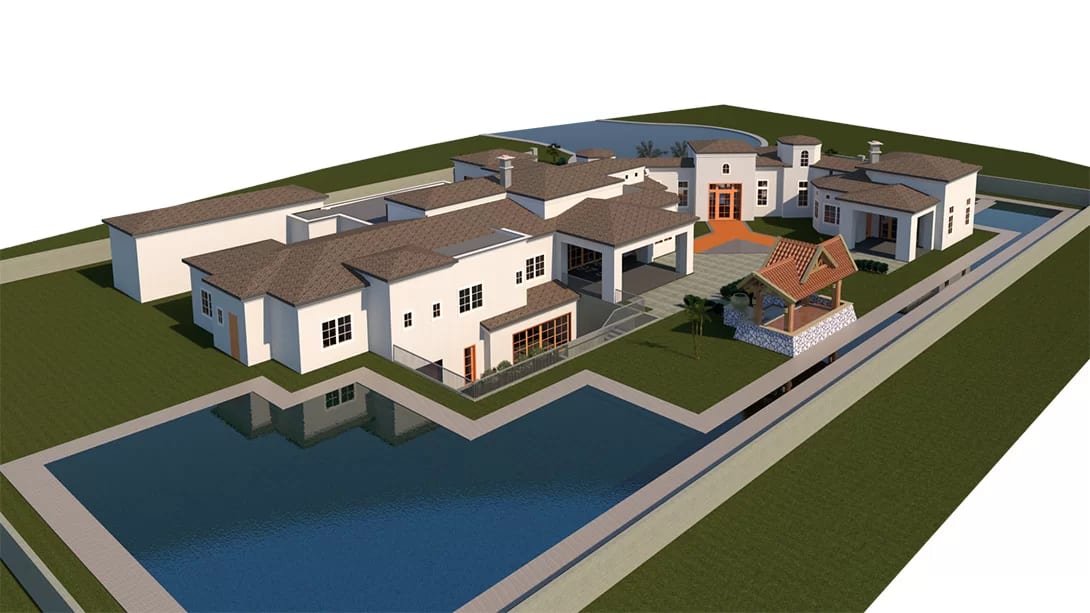
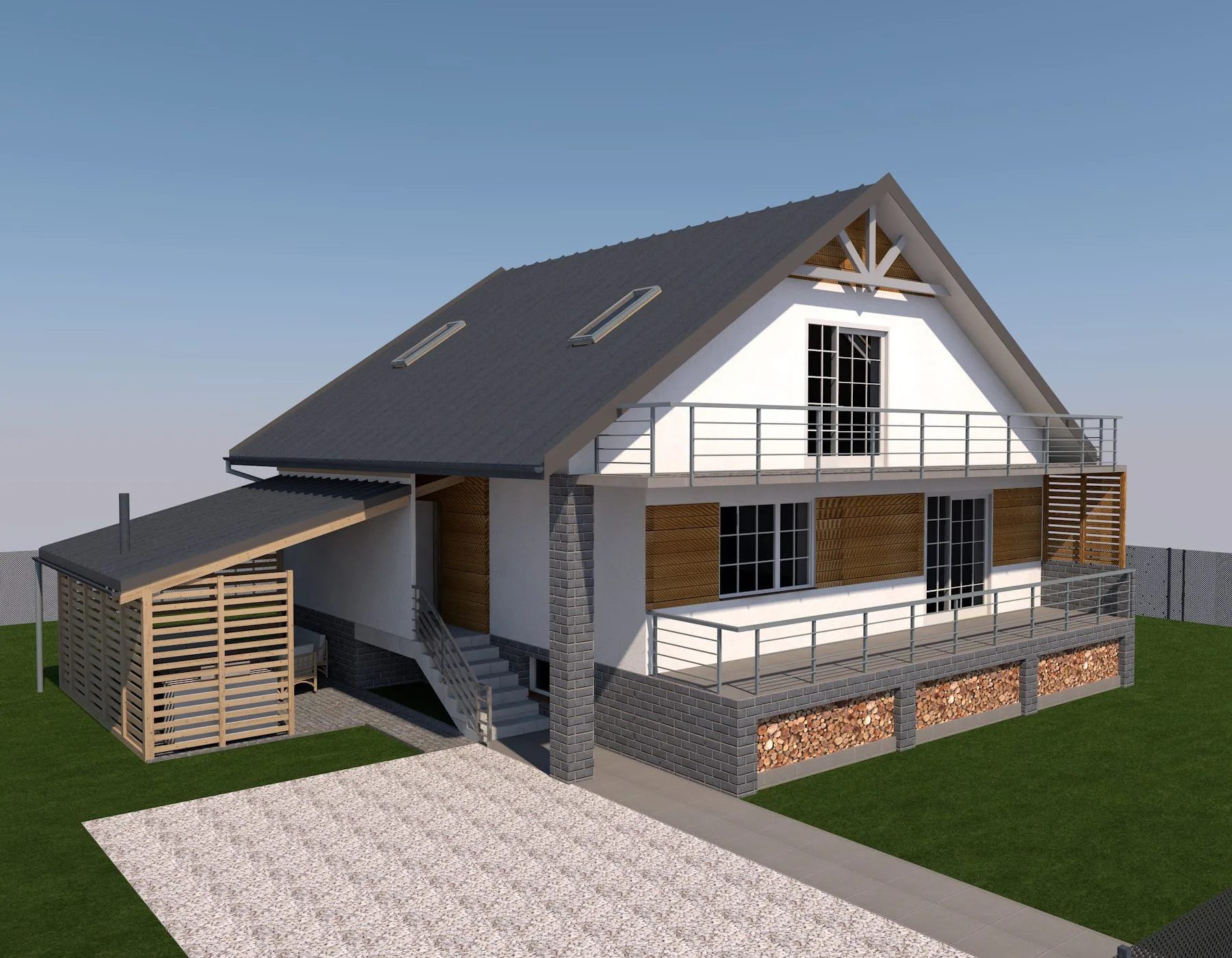
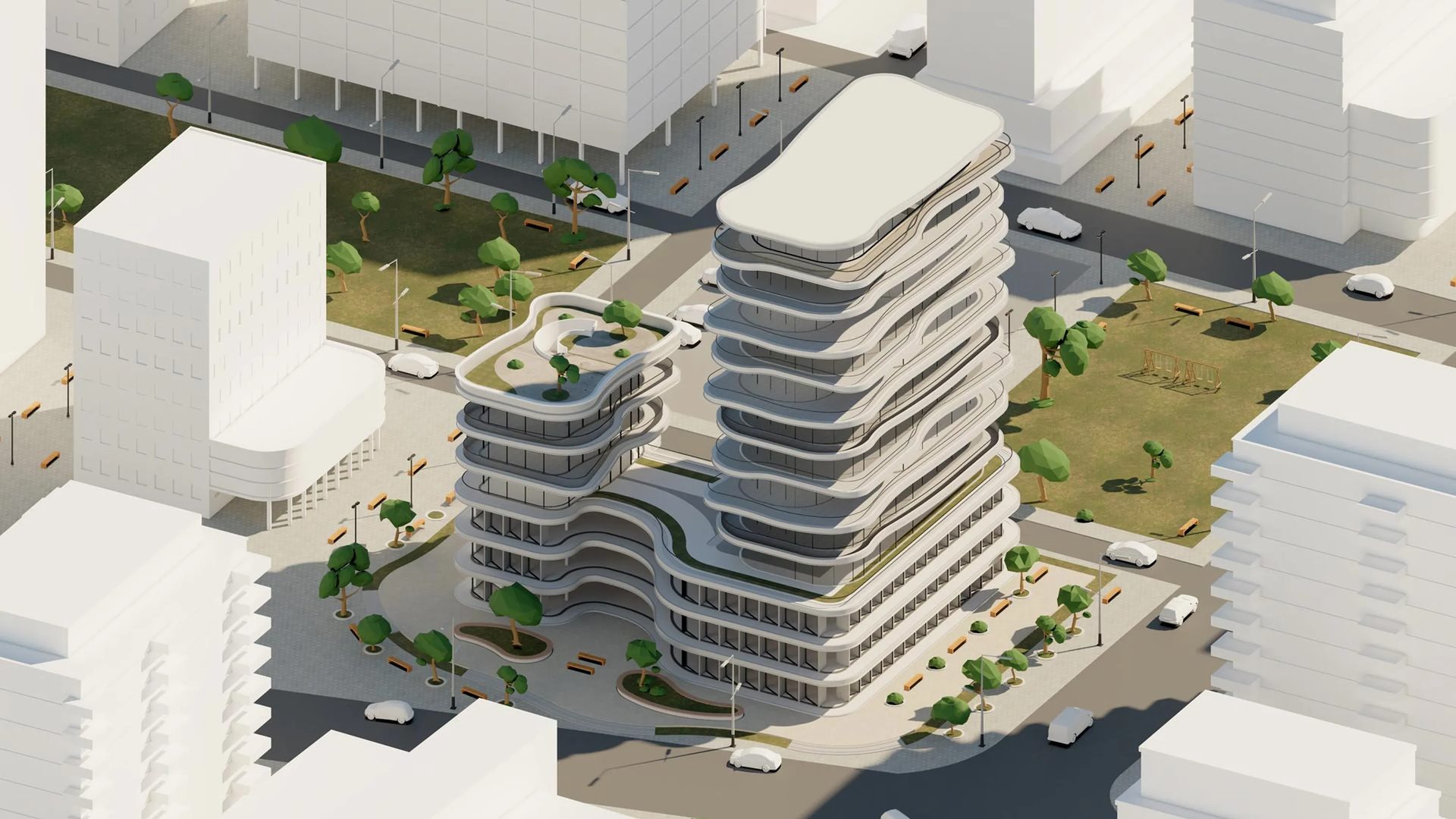
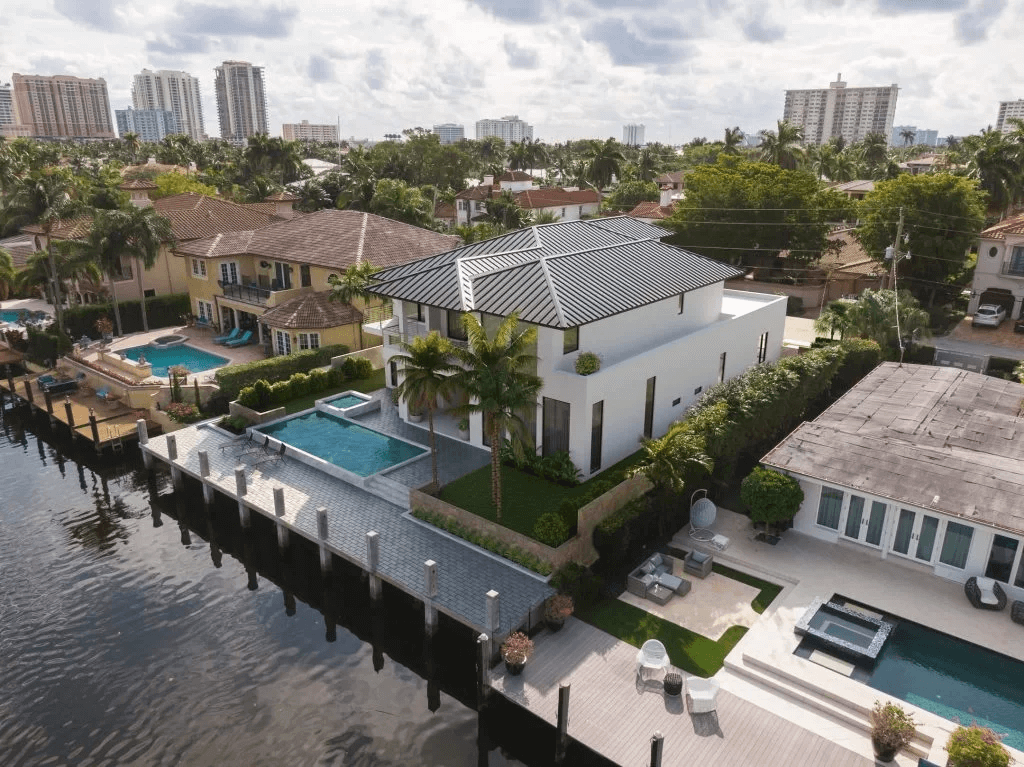
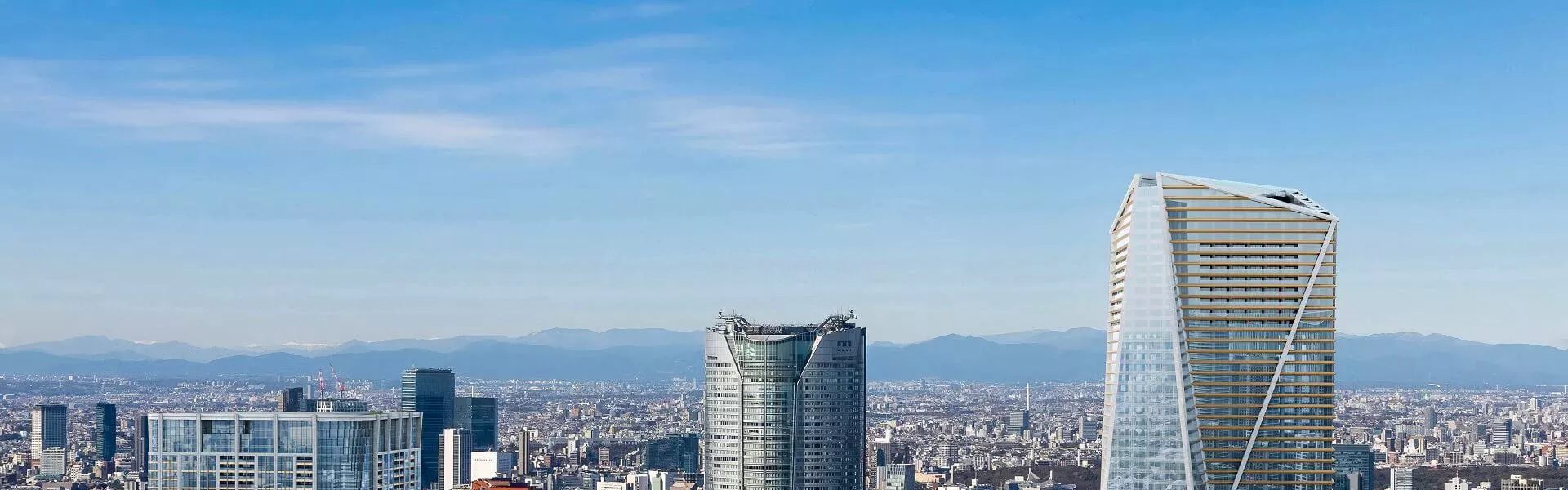
Exterior Render Made in 3ds Max Software

Architectural visualization professionals never stick to just one tool. Studios usually mix a bunch of 3D rendering programs throughout their process — from building models and setting up scenes to rendering, doing post-production work, animating, and showing finished visuals to clients.

This guide compares the best architectural rendering software used by architects, designers, and CGI studios in 2026. It covers 3D modeling software for architecture, rendering engines, post-production tools, AI rendering software, and the most common 3D file formats used in visualization pipelines.

Whether you are searching for rendering software for architects, exploring free 3D rendering software, or comparing real-time and photorealistic workflows, this chapter breaks down the strengths, limitations, and ideal use cases of today’s leading platforms.

If you are new to the industry, you can also explore the different types of 3D rendering and learn more about the architectural rendering process before choosing your software stack.

Quick Comparison: Best 3D Rendering Software for Architecture

Software Category Best For Free Version Learning Curve
Autodesk 3ds Max Modeling + Visualization Professional archviz studios No High
Blender Modeling + Rendering Free architectural rendering workflows Yes Medium
SketchUp Modeling Fast conceptual design Yes Easy
Revit BIM + Modeling Architectural documentation No Medium
Lumion Real-time Rendering Exterior visualization and animations Trial Easy
Unreal Engine Real-time Rendering Interactive architectural experiences Yes High
V-Ray Rendering Engine Photorealistic rendering No Medium
Corona Renderer Rendering Engine Interior architectural visualization No Easy
D5 Render Real-time Rendering Fast AI-assisted rendering Yes Easy
Twinmotion Real-time Visualization Quick presentations Yes Easy

This comparison covers some of the best architectural rendering software available today, from advanced CGI rendering software for studios to easy 3D rendering software free options for beginners.

3D Modeling and Visualization Software

In this paragraph, we will discuss a variety of digital tools used in archviz to create, manipulate, and render 3D objects and scenes. This software allows CG artists to build models, apply textures and lighting, and generate realistic images and animations.

Autodesk 3ds Max

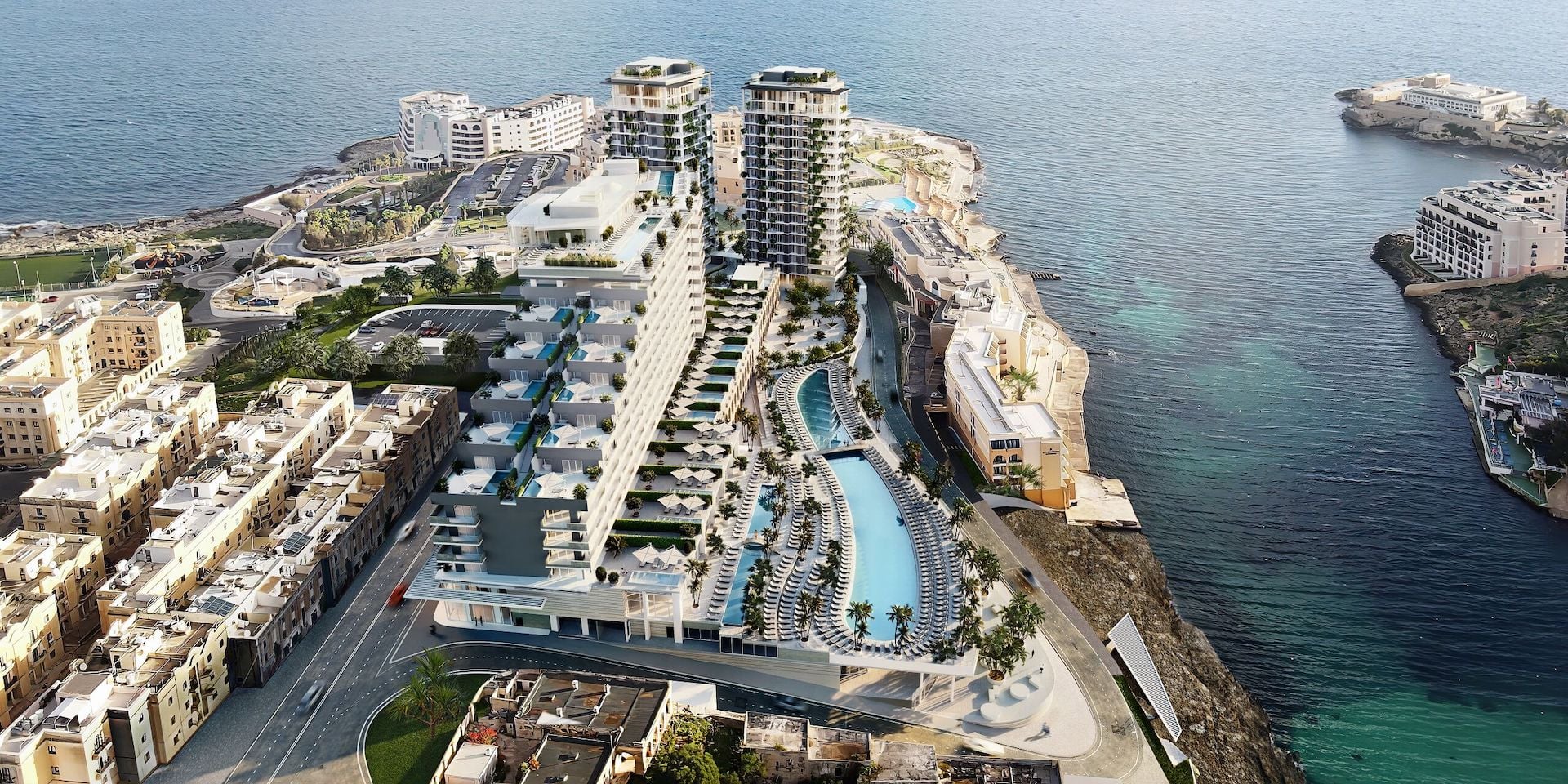
CG Visual Made in 3ds Max Software

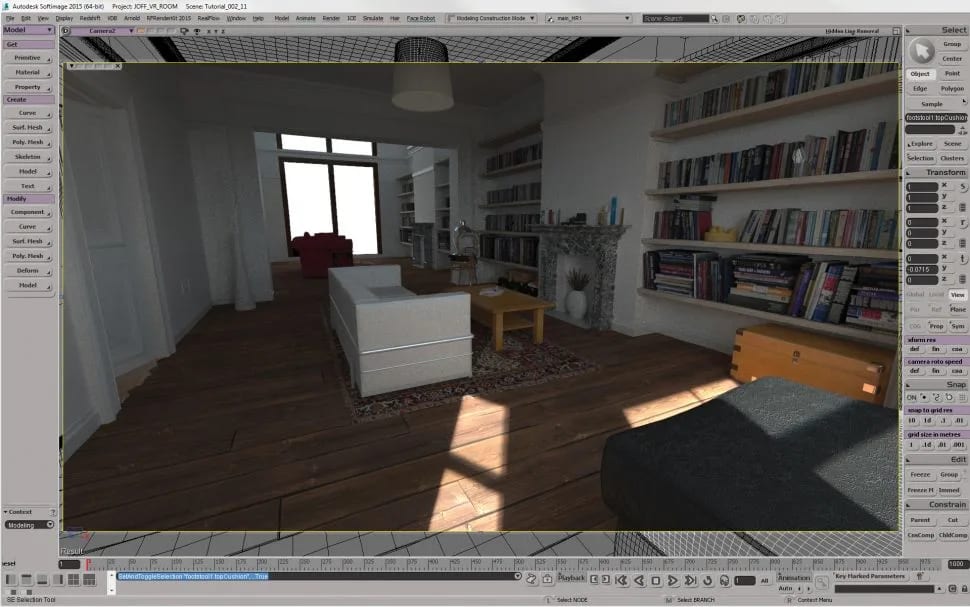
Autodesk 3ds Max is a universal tool for 3D modeling, visualization, and animation, incorporated not only in architecture but also in industrial design, gaming, and the film industry. The program allows creating visualizations of any complexity and level of photorealism. It offers advanced polygon modeling, scene management, material creation, and extensive compatibility with rendering engines like V-Ray and Corona Renderer. 3ds Max can be integrated with other Autodesk software, such as AutoCAD and Revit.

There’s a huge selection of plugins and model libraries out there to boost what 3ds Max can do. Artists can build highly detailed interiors, exteriors, furniture, vegetation systems, and lighting setups inside a single environment.

The software also supports a wide range of 3D file formats, including FBX, .OBJ, .DWG, and .3DS, making collaboration easier across architectural pipelines.

Unreal Engine

Unreal Engine is a popular program for creating real-time 3D graphics. It boasts its own rendering engine as well as numerous plugins and libraries. The software is mostly used for video games and interactive apps. However, it also has application in architectural visualization, where its strength lies in making animations and creating multiple static views much easier.

The platform is especially useful for:

  • Interactive architectural presentations
  • Real-time urban visualization
  • VR and AR experiences
  • Architectural animation

Unreal Engine for architecture continues to grow thanks to technologies like Nanite and Lumen, which dramatically improve lighting realism and support greater scene complexity. It also supports multiple platforms, including Windows, Mac, Linux, PlayStation, Xbox, and others.

A significant advantage of this software is that it is free for use. It also has an active developer community that provides quick and efficient help to users.

Blender

CG Visualization Made in Blender Software

This open-source program offers a complete set of tools for creating 3D models, animation, compositing, and rendering. Blender is free to use, which explains why it has numerous fans and a large user community with effective technical support.

For freelancers and smaller studios, Blender offers an affordable alternative to commercial architectural rendering software.

Blender supports:

  • Cycles photorealistic rendering
  • Eevee real-time rendering
  • Geometry Nodes workflows
  • AI-assisted plugins
  • Extensive 3D file format compatibility

There is a wide selection of plugins and libraries available. The software has an intuitive interface and supports many file formats, including OBJ, FBX, STL, and others.

SketchUp

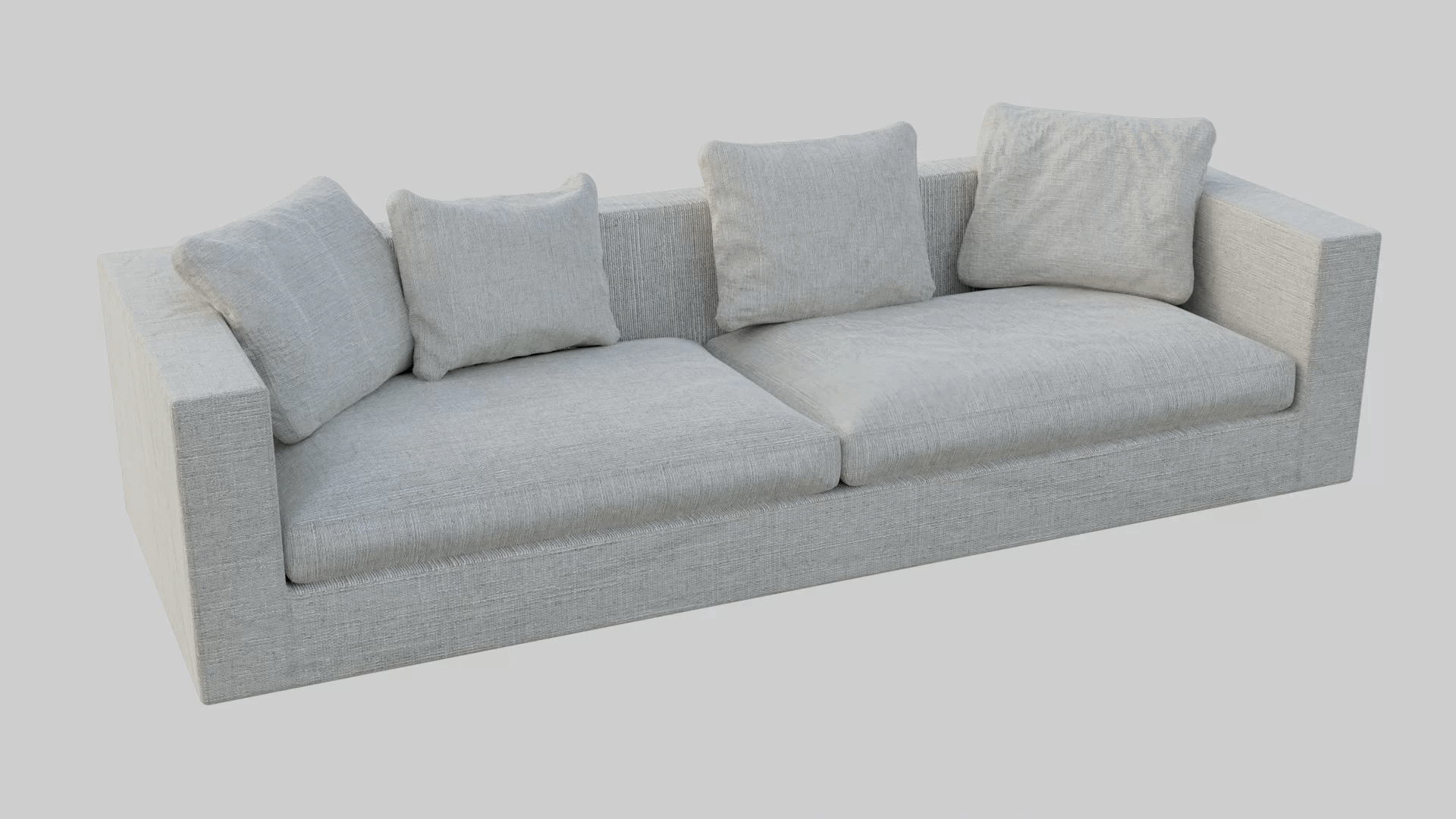
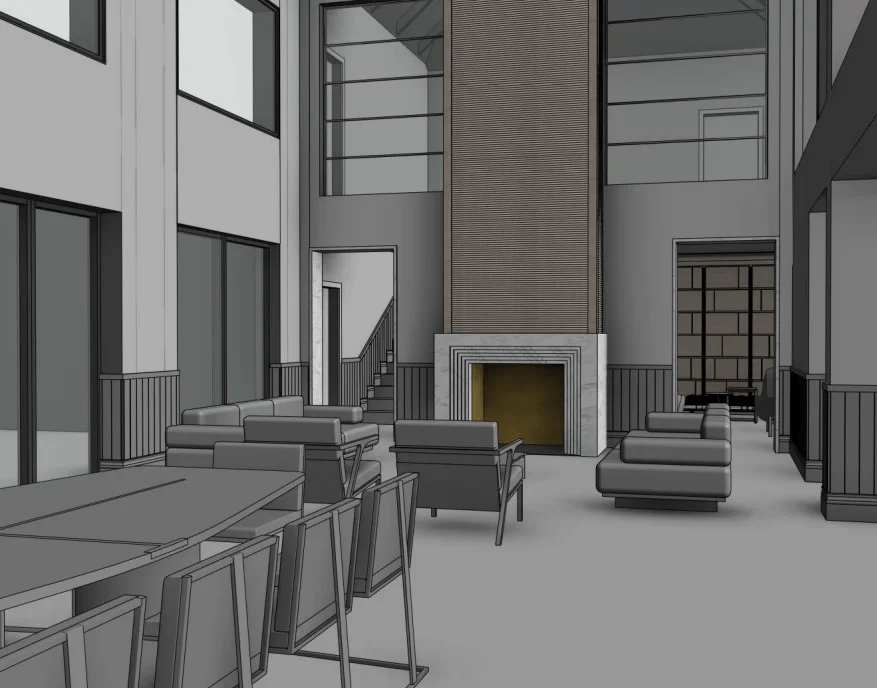
Interior 3D Model

SketchUp is known for its accessibility and fast learning curve. Many architects use it during early-stage conceptual development because it allows rapid modeling with minimal technical complexity.

Although SketchUp itself is not a rendering engine, it works with rendering software for SketchUp such as V-Ray, Enscape, Lumion, and D5 Render.

The platform is especially popular in:

  • Interior visualization software workflows
  • Residential architecture
  • Concept presentations
  • Furniture and kitchen design

SketchUp also uses the native .SKP 3D file format, which integrates well with multiple rendering platforms.

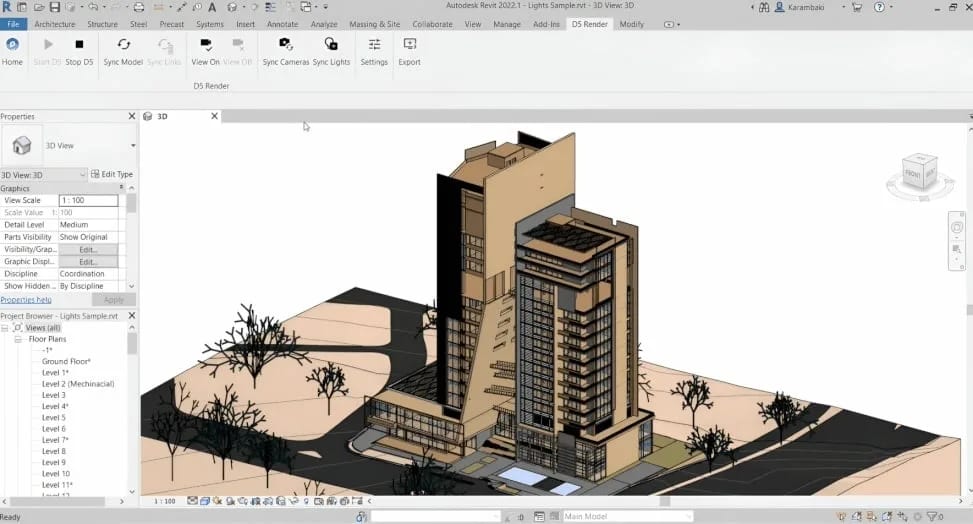
Revit

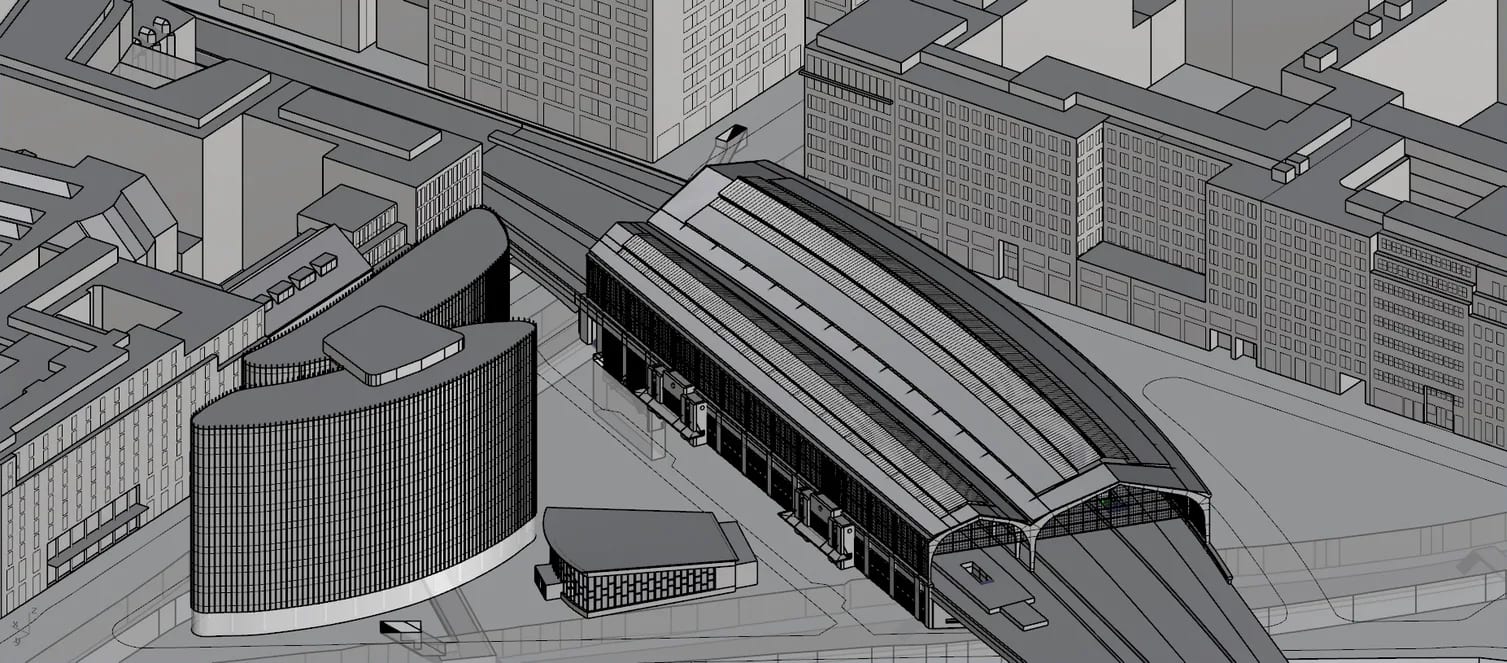
Revit Architectural Model

Revit combines BIM functionality with architectural modeling, making it one of the most important tools in modern architectural production.

Many studios use Revit rendering software workflows together with Enscape, Twinmotion, or V-Ray for Revit to transform BIM models into photorealistic presentations.

Revit is particularly valuable for:

  • Large commercial projects
  • Construction documentation
  • BIM coordination
  • Real-time collaboration

Because Revit stores both geometry and building data, it plays a central role in professional architecture rendering software pipelines.

Rhino 3D

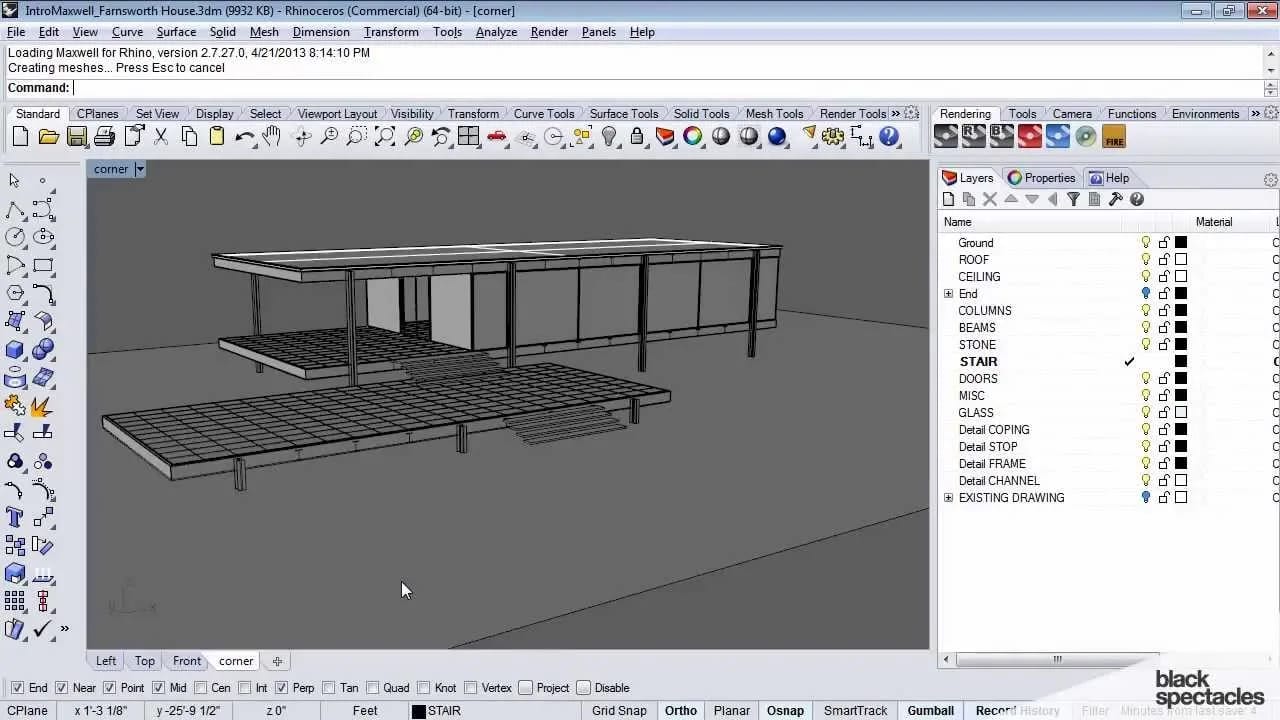
Modeling in Rhino 3D

Rhino 3D is widely used in parametric and computational architecture. The software excels at handling complex curved geometry and advanced surface modeling.

Architects often combine Rhino with Grasshopper for procedural workflows and algorithmic design.

Rhino integrates with:

  • V-Ray
  • Enscape
  • Twinmotion
  • Unreal Engine
  • D5 Render

This makes Rhino one of the best software options for experimental architectural visualization.

ArchiCAD

3D modeling in ArchiCAD software

ArchiCAD is a go-to platform for architects and visualization pros who want everything in one place. It’s built for architecture, so teams can take a project from the first sketch to polished presentation visuals without juggling multiple programs.

A lot of architecture firms pick ArchiCAD because it makes teamwork between architects and visualization artists a lot easier. Everyone stays on the same page since project updates sync up automatically. Plus, it works well with tools like V-Ray, Lumion, Twinmotion, and Enscape, so creating high-quality renders and real-time presentations doesn’t turn into a hassle.

Lumion

3D modeling in Lumion software

This software allows one to create 3D architectural animations with relatively little effort and in short time frames. Lumion focuses on speed and accessibility. It is widely considered one of the best rendering software for architecture presentations because artists can quickly generate atmospheric scenes with vegetation, weather effects, and cinematic camera movement.

Lumion is commonly used for:

  • Exterior rendering software workflows
  • Real-time presentations
  • Landscape visualization
  • Architectural animation

The platform integrates well with SketchUp, Revit, Rhino, and ArchiCAD.

ZBrush, Marvelous Designer, and Houdini

3D Visualization Made in Zbrush Software

Although these tools are not core architectural rendering software platforms, they are still useful in specialized workflows.

  • ZBrush helps create detailed sculptural assets
  • Marvelous Designer is useful for fabric and furniture visualization
  • Houdini excels at procedural effects and large environment generation

Most architectural studios use these programs selectively rather than as primary visualization software. They support different 3D file formats, such as OBJ, FBX, and others. That allows one to import and export models to other software for further processing, which is a particularly valuable tool for 3D interior rendering.

Want to learn how much your project costs? See how we evaluate 3D rendering projects

See our pricing

ArchiCGI High-End 3D Rendering Services Price List

3D Rendering Engines for Architecture

A render engine is a plugin for creating visual effects and rendering images. In a way, the engines “explain” to the primary software how to set the lighting, shadows, textures, materials, and other elements in a 3D scene. Some of the 3D modeling and visualization programs have their own built-in render engines. 

Depending on the type of rendering engine, one can get different results in terms of quality, speed, and settings. Let’s take a closer look at the most popular 3D rendering engines.

V-Ray

VRay photorealistic render for architecture project

V-Ray remains one of the most recognized rendering engines in architectural visualization. It is known for physically accurate lighting, realistic materials, and strong integration with 3ds Max, SketchUp, Rhino, and Revit.

V-Ray rendering software is commonly used for:

  • Photorealistic interiors
  • Commercial exterior renders
  • Product visualization
  • Architectural animation

Its balance between quality and flexibility makes it one of the best rendering software for architecture professionals.

Corona Renderer

Exterior Render Made in Corona Software

Corona Renderer has become especially popular in interior architectural visualization because of its intuitive workflow and realistic lighting system.

Many artists prefer Corona Render for:

  • Fast setup
  • Natural daylight rendering
  • Simplified material workflows
  • Interior rendering

Because of its usability, Corona Renderer consistently ranks among the top architectural rendering software platforms searched online.

Arnold

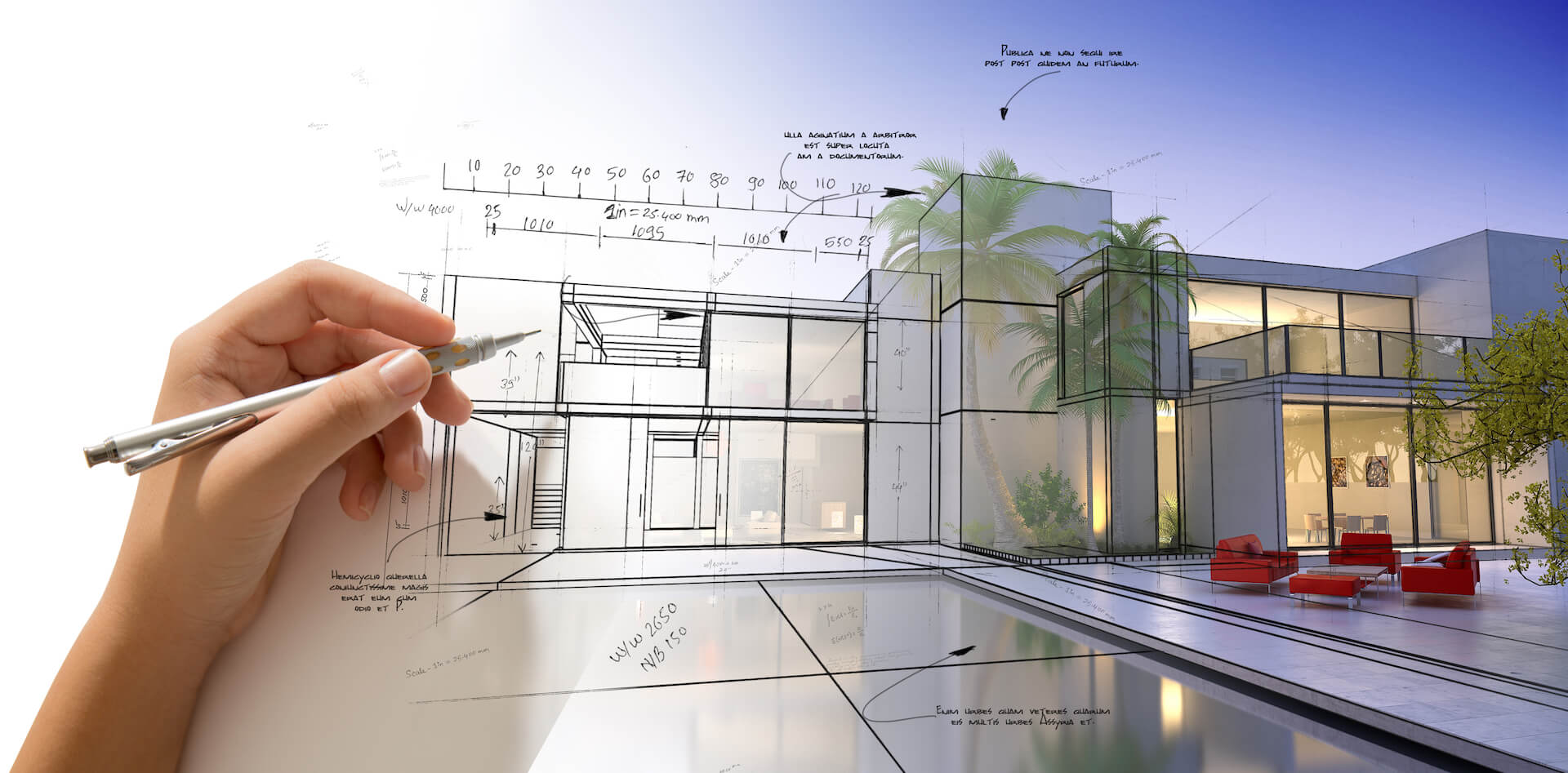
Architectural Sketch for 3D Rendering Project Brief

Arnold is a production-grade rendering engine developed for high-end CGI and VFX pipelines. It produces highly realistic results but typically requires more technical optimization than Corona or V-Ray.

Architectural studios often use Arnold for:

  • Complex cinematic visualization
  • Animation projects
  • Advanced lighting workflows

Arnold is based on the physical principles of lighting and light propagation. Apart from architectural visualization, it can be used for creating visual effects in video games, movies, and TV shows. It works with a wide variety of 3D packages, including Autodesk Maya, 3ds Max, Houdini, Cinema 4D, and others.

Redshift

3D rendering in Redshift software

Redshift is a GPU-based renderer designed for fast performance with large scenes. It is widely used when rendering speed becomes a critical factor.

The engine supports:

  • GPU acceleration
  • Advanced shading systems
  • Motion graphics workflows
  • Large texture handling

Redshift supports many popular 3D tools, for example, Maya, 3ds Max, Cinema 4D, Houdini, and so on.

Showcase your architectural project with photorealistic CGI powered by modern AI-assisted workflows

Octane

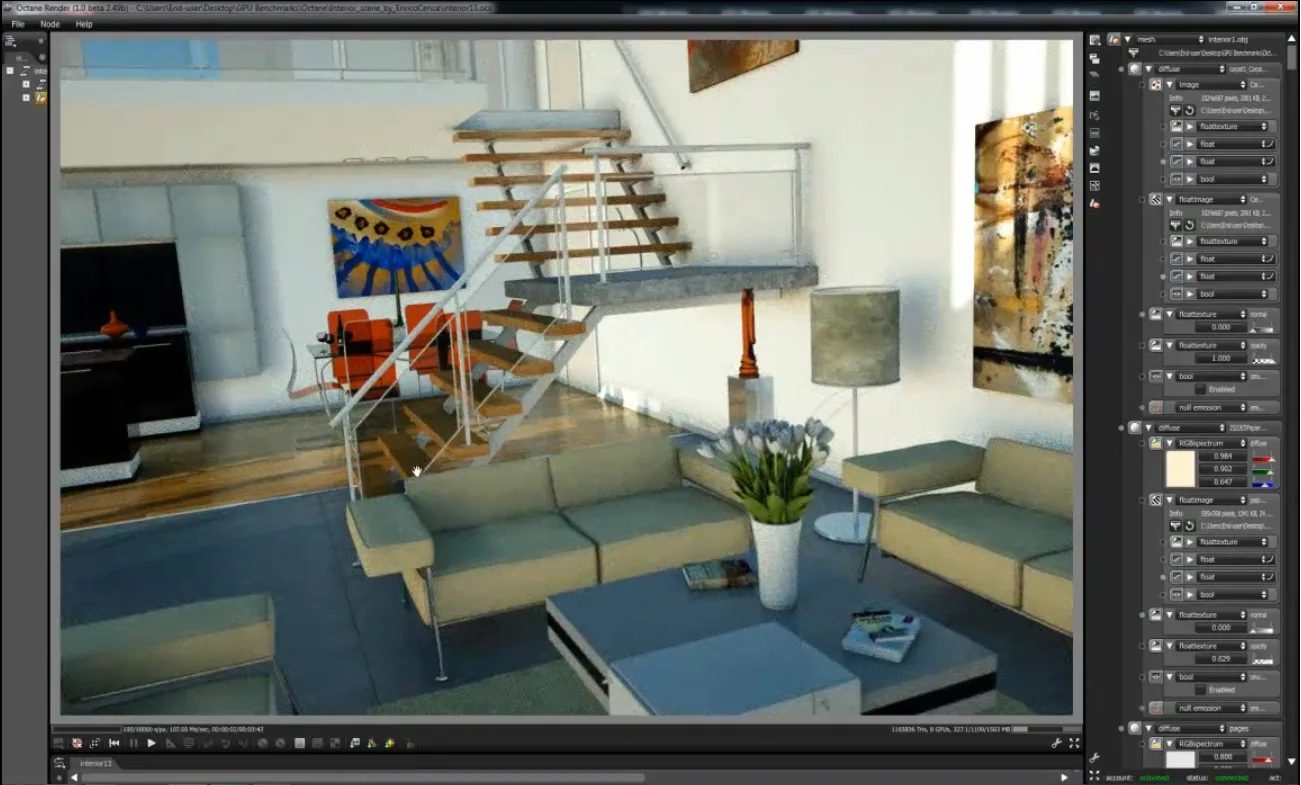
3D rendering in Octane software

Developed by OTOY, Octane is another GPU-based engine with an extremely high rendering speed. Due to its nature (as with other GPU-based rendering engines), it requires a higher level of scene details optimization, because it is not possible to increase a video card’s memory capacity on demand. 

Octane plugin is available for many 3D visualization programs, such as Autodesk 3ds Max, Maya, and Cinema 4D. It operates independently as well. 

Octane has a large user community, which is actively supported by developers.

Maxwell Render

3D rendering in Maxwell Renderer

Maxwell Render focuses on physical light simulation and highly realistic material behavior. While slower than GPU-based engines, it remains respected for accuracy and realism.

While Maxwell is generally slower than modern GPU-based rendering engines, many professionals still appreciate its precision and predictable visual output. For projects where photorealism matters more than rapid iteration, Maxwell Render remains a respected option in the architectural visualization industry.

D5 Render

3D rendering in D5 Render

D5 Render is rapidly becoming one of the most popular AI-assisted rendering software solutions for architecture.

The platform combines:

  • Real-time rendering
  • AI enhancement tools
  • Easy lighting workflows
  • Fast vegetation systems

Its usability makes it attractive for architects who want high-quality visuals without complex rendering pipelines.

Enscape, Twinmotion, and Real-Time Engines

3D Artist Working

Real-time rendering software for architecture continues to grow rapidly. Enscape and Twinmotion are especially popular among architects because they integrate directly into BIM workflows.

Benefits include:

  • Instant feedback
  • Live walkthroughs
  • Faster presentations
  • Reduced rendering times

These tools are ideal for client meetings and early-stage design communication.

AI Rendering Tools for Architects

AI rendering software is transforming architectural visualization in 2026. Instead of replacing traditional CGI workflows, most AI tools now act as accelerators for ideation, mood generation, conceptual design, and post-processing.

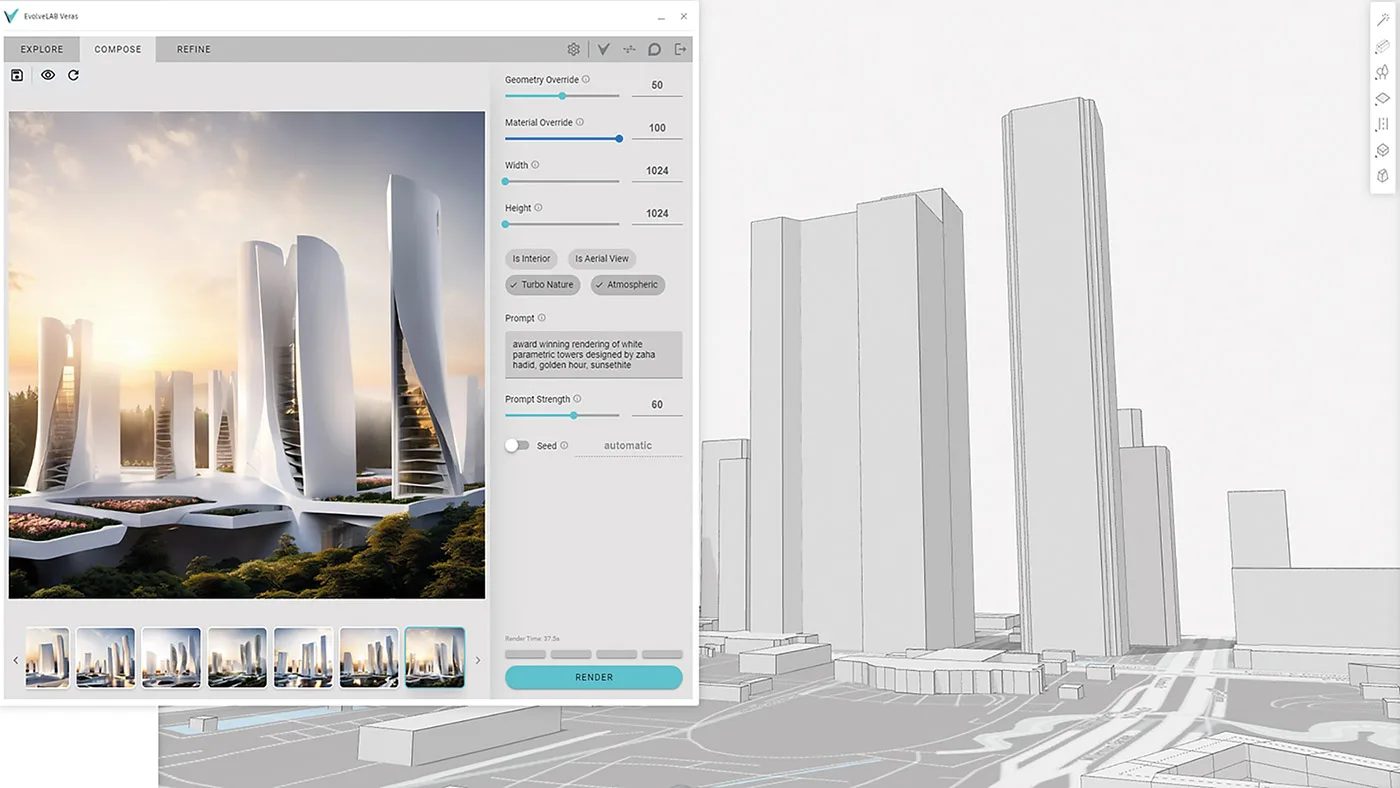
Veras

3D rendering in Veras

Veras is one of the most recognizable AI architectural rendering software platforms. It converts sketches, BIM screenshots, and clay renders into stylized visualizations using AI prompts.

Architects often use it during concept development when photorealism is less important than speed.

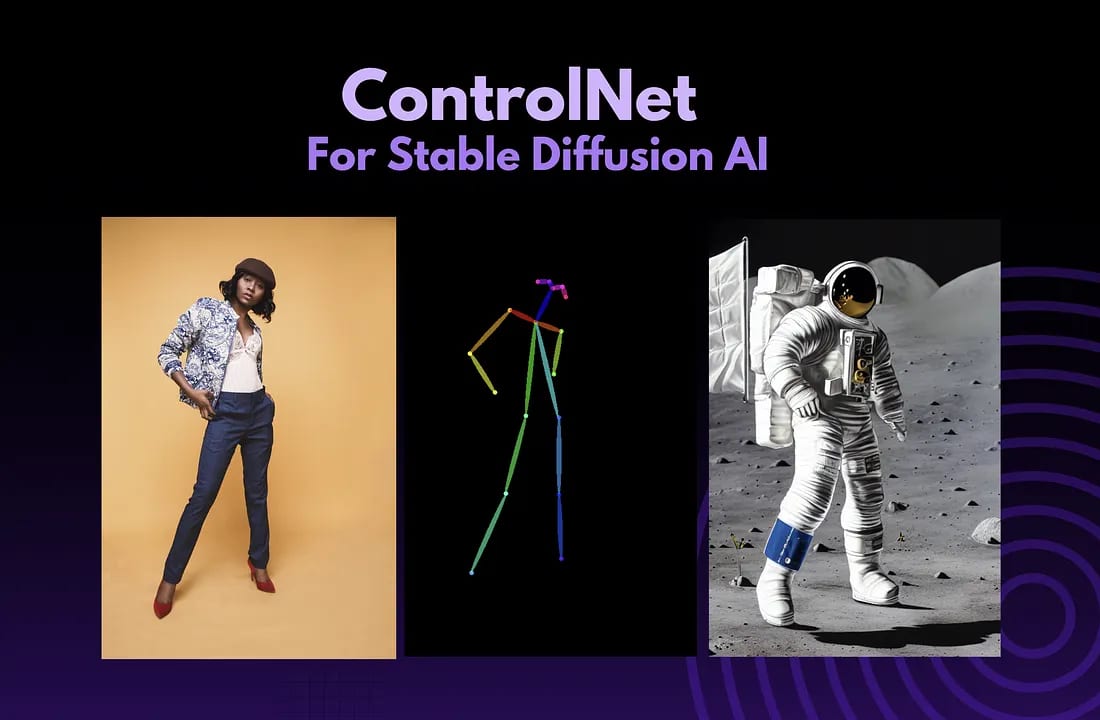
Stable Diffusion + ControlNet

Stable Diffusion + ControlNet software

Stable Diffusion workflows allow artists to generate AI-assisted renders while preserving geometry and composition through ControlNet.

This combination is increasingly used for:

  • Concept visualization
  • Mood exploration
  • Fast client iterations
  • AI-assisted post-production

Midjourney

Midjourney is widely used for architectural inspiration and conceptual storytelling. While it lacks precise architectural control, it is highly effective during early design ideation.

ChatGPT Vision

ChatGPT Vision workflows are now integrated into some architectural visualization pipelines for image analysis, scene feedback, reference generation, and prompt development.

Promptly

Promptly focuses on AI-assisted interior visualization and material experimentation. It is especially useful for rapid moodboard creation and design variation testing.

Post-production Software for 3D Renders

Post-production tools are used by 3D artists to edit and enhance images or animations after they have been rendered. These programs allow one to adjust colors, lighting, and composition, as well as add visual effects, text, and other graphic elements. The goal of post-production is to refine the final output, ensuring a high-quality and captivating presentation of architectural designs.

Adobe Photoshop

Real Estate 3D Render Post-processed in Photoshop Software

Photoshop remains essential for architectural visualization. Artists use it for color correction, compositing, atmosphere enhancement, and final image polish.

Typical Photoshop workflows include:

  • Sky replacement
  • Lighting adjustments
  • Adding people and vegetation
  • Atmospheric effects

Photoshop also has numerous external plugins and supports multiple file formats, including PSD, JPEG, TIFF, PNG, BMP, GIF, and others.

The program allows for editing high-resolution images. It can be integrated with other Adobe products, such as Illustrator, InDesign, Premiere Pro, etc., which helps users to work on complex projects.

Adobe After Effects

After Effects is widely used for architectural animations and motion graphics.

It helps create:

  • Cinematic transitions
  • Camera effects
  • Motion tracking
  • Animated overlays

The software integrates with other Adobe programs such as Photoshop and Premiere Pro. It supports a wide range of video formats, including AVI, MP4, MOV, WMV, and many others.

Adobe Lightroom

Lightroom is particularly useful for color grading interior renders and maintaining consistent visual tones across large image sets.

Affinity Photo

Affinity Photo has become a popular alternative to Photoshop thanks to its lower cost and professional editing capabilities.

DaVinci Resolve

DaVinci Resolve is increasingly used for architectural animation post-production because of its advanced color grading tools and video editing workflows.

3D File Formats for Architectural Rendering

3D file formats store geometry, materials, textures, lighting data, and scene information used in architectural visualization workflows.

What Are 3D File Formats?

Different types of 3D file formats are optimized for different tasks:

  • Exchange between software
  • CAD documentation
  • Animation
  • Web visualization
  • 3D printing

Understanding universal 3D file format compatibility is essential when moving assets between modeling and rendering software.

Format Best Use Common Software
.FBX Universal exchange 3ds Max, Blender, Unreal
.OBJ Static geometry Blender, Maya, Rhino
.DWG/.DXF CAD drawings AutoCAD, Revit
.SKP SketchUp models SketchUp
.STL 3D printing CAD platforms
.GLTF/.GLB Web and AR Unreal, Blender
.3DS Legacy Autodesk scenes 3ds Max

.FBX (Filmbox)

FBX is one of the most widely used universal 3D file format standards. It supports geometry, cameras, materials, and animation data.

Architectural studios frequently use FBX to transfer scenes between 3ds Max, Blender, Unreal Engine, and Maya.

.OBJ (Wavefront)

OBJ is a lightweight 3D file format designed primarily for static geometry exchange. It is simple, widely supported, and ideal for transferring models between platforms.

.DWG and .DXF

DWG and DXF are standard 3D CAD file formats associated with AutoCAD workflows.

Architects commonly use them for:

  • Floor plans
  • Technical drawings
  • CAD imports
  • BIM coordination

.SKP

SKP is the native SketchUp 3D file format. It is optimized for conceptual architectural modeling and integrates with many rendering engines.

.3DS

3DS is an older Autodesk 3D format that still appears in legacy visualization pipelines.

.STL

STL is primarily used for 3D printing workflows rather than photorealistic rendering.

.GLTF and .GLB

GLTF and GLB formats are optimized for web visualization, AR, and VR experiences. They are increasingly important in interactive architectural presentations.

For a deeper breakdown of 3D file formats, read our complete guide to 3D file formats.
Best Free 3D Rendering Software for Architects

Not every architectural visualization workflow requires expensive commercial software. Several free rendering software options now provide professional-level capabilities.

Popular free 3D rendering software includes:

  • Blender
  • Unreal Engine
  • Twinmotion
  • SketchUp Free
  • FreeCAD

For beginners, Blender is often considered the best free rendering software because it combines modeling, rendering, compositing, and animation in one platform.

Architects working with SketchUp can also benefit from free rendering software for SketchUp integrations and trial-based real-time engines.

Conclusion

Choosing the right 3D architectural rendering company is just as important, since expertise with these tools directly impacts the quality, style, and efficiency of the final visuals.

Some studios prioritize photorealistic rendering with V-Ray or Corona Renderer. Others focus on real-time rendering software for architecture using Unreal Engine, Twinmotion, or D5 Render. Many teams now combine traditional CGI tools with AI rendering software to speed up production and concept development.

If you also want to understand the quality of 3D rendering, the cost of 3D rendering, or how to approach choosing a CGI studio, explore the other chapters of the guide.

For professional architectural visualization support, explore 3D rendering services and discover how modern CGI workflows help architects present projects with clarity, realism, and speed.

Cover image for the Commercial CGI & Product Rendering Guide. Minimalist interior with designer chair, low table and decor, done in a warm color scheme.

Get the Architectural CGI & 3D Rendering Guide for Architects, Designers & Developers

Everything you need to visualize and present real estate projects with CGI.

Get expert insights, real project examples, and visualization strategies that boost client approval and sales.

Fill out the form to receive the guide directly in your inbox.